Everyone wants a longer life. We buy expensive supplements and try extreme workout routines to stay healthy. But the real secret to longevity is much simpler. Scientists have spent decades studying places called Blue Zones. These are regions where people routinely live past one hundred years. They do not rely on expensive technology. Instead, their daily eating habits keep their bodies running smoothly. A report by U.S. News and World Report ranks these plant-focused lifestyles among the healthiest in the world. But this is not just about eating your vegetables. There is a deep biological reaction happening inside their cells. The way these foods interact with our DNA is absolutely mind-boggling.
Turning on the Cellular Cleanup Crew
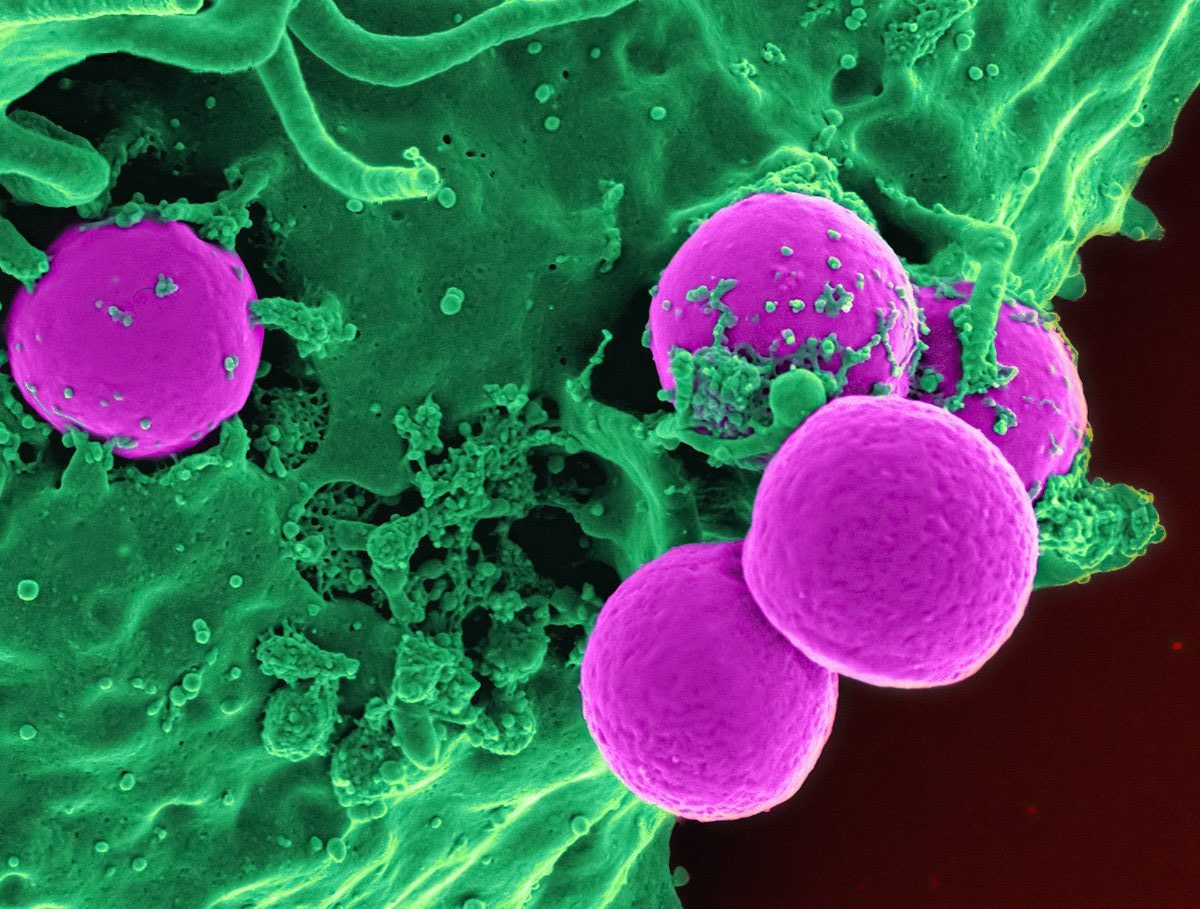
Fast food keeps your body constantly digesting. On the other hand, the simple foods eaten in Okinawa and Sardinia do something different. They give your digestive tract a break. This triggers a process called autophagy. According to researchers at Harvard University, autophagy is your body’s way of clearing out damaged cells. It acts like a tiny biological recycling truck. The cells reuse the good parts and throw away the trash. This cellular cleanup prevents chronic diseases before they can even start. But the specific plants they eat hold another secret.
The Strange Science of Sirtuin Activation
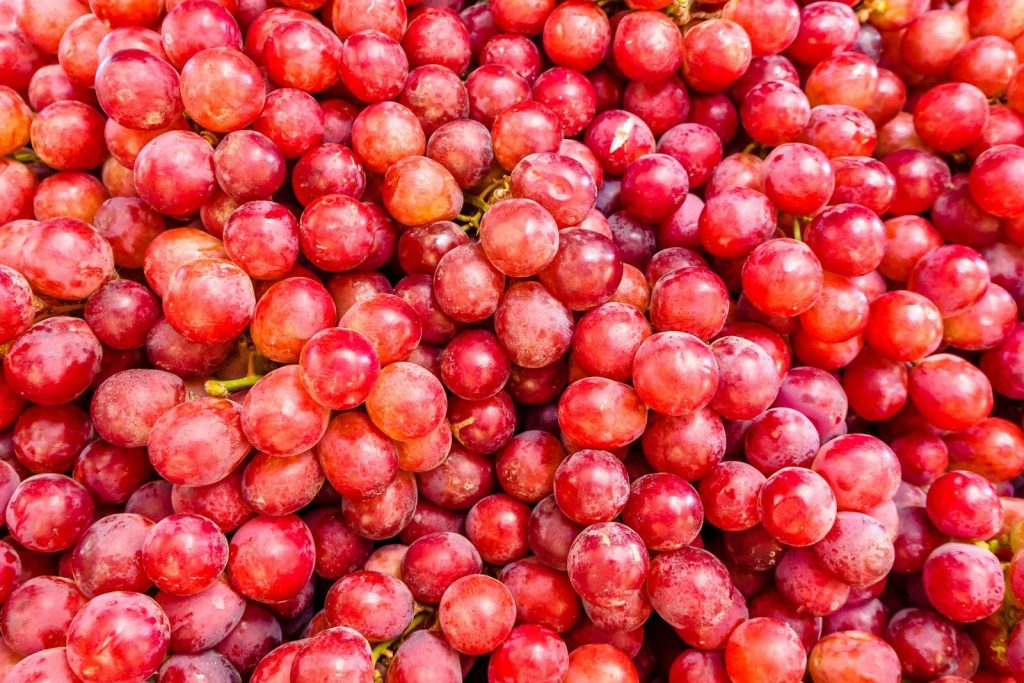
Blue Zone residents eat a lot of foods rich in polyphenols. These natural compounds are found in olive oil, red grapes, and cocoa. When you eat them, they activate a family of proteins called sirtuins. Scientists call these the longevity genes. A study published in the journal Nature suggests that sirtuins help repair damaged DNA. They also regulate metabolic health and reduce inflammation. Without these active proteins, your cells age much faster. But there is a specific bean that acts as a powerhouse for this process.
Why a Simple Bean Protects Your Chromosomes
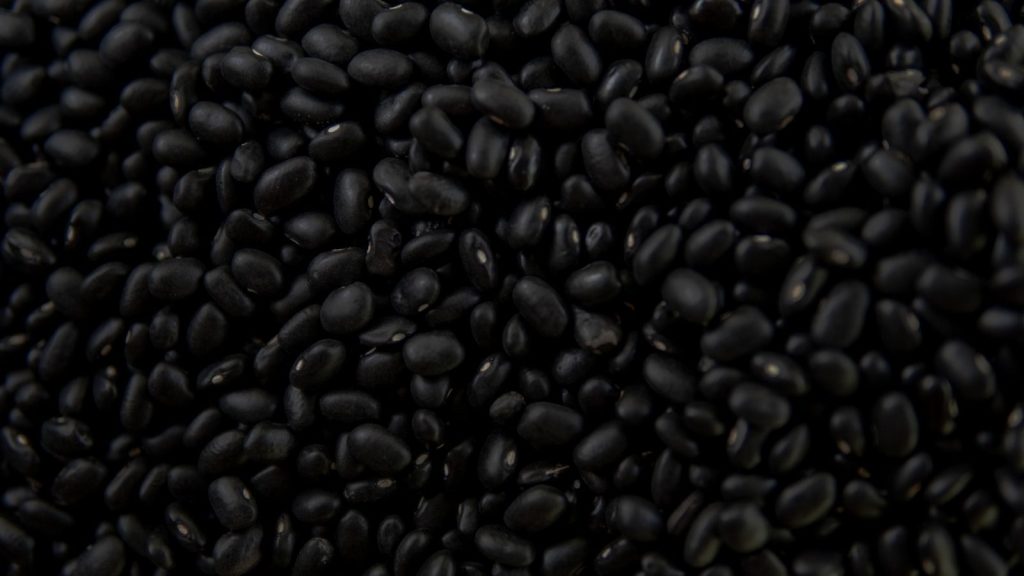
The humble legume is the true king of Blue Zone eating. People in Nicoya, Costa Rica, eat black beans almost every day. These beans are packed with complex carbohydrates and prebiotic fiber. This fiber actually protects your telomeres. Telomeres are the protective caps on the ends of your chromosomes. Think of them like the plastic tips on shoelaces. According to a study from Brigham Young University, longer telomeres are directly linked to a longer lifespan. The simple act of digesting beans might be keeping your genetic code intact. But the gut microbiome is where the real magic happens.
Feeding the Secret Army in Your Gut
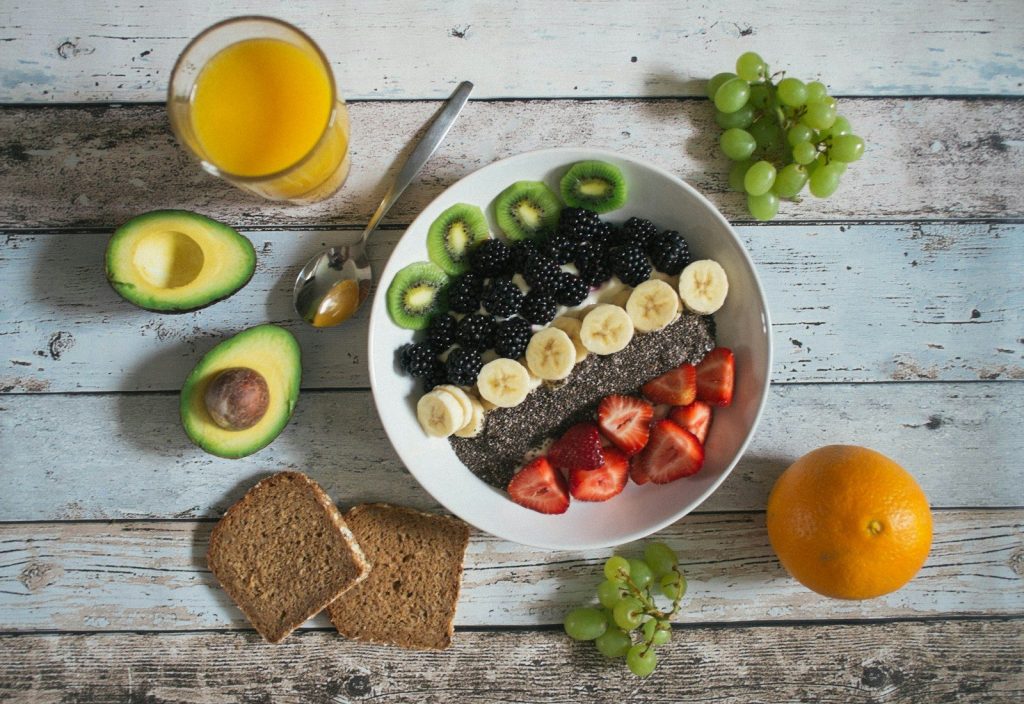
Okinawans eat a diet rich in sweet potatoes and fermented soy. This creates an incredibly diverse gut microbiome. You have trillions of tiny microbes living in your stomach. When you feed them the right fiber, they produce short-chain fatty acids. According to the Cleveland Clinic, these compounds strengthen your gut barrier. They also communicate directly with your brain to regulate mood and hunger. A weak gut barrier leads to systemic inflammation. That inflammation is a quiet killer. But there is another dietary habit that keeps their blood sugar perfectly balanced.
The Mathematical Wisdom of Eighty Percent Full

In Okinawa, people practice a tradition called Hara Hachi Bu. This means they stop eating when they feel eighty percent full. This is not just a polite social rule. It has a profound impact on insulin sensitivity. When you overeat, your pancreas is flooded with insulin to process the excess sugar. Over time, your cells become resistant to this hormone. According to the American Diabetes Association, insulin resistance is a major driver of heart disease. Eating slightly less keeps your metabolic engine running cool. But what about the liquids they drink?
The Daily Flush of Herbal Infusions

People in Ikaria, Greece, drink wild herbal teas every afternoon. They brew rosemary, dandelion, and sage. These are not just tasty beverages. They act as natural diuretics that keep blood pressure low. According to a study by the Athens University Medical School, these teas are packed with antioxidants. They help flush excess sodium and toxins from the kidneys. This daily routine keeps the cardiovascular system free of stress. But there is one final piece to the puzzle.
The Hidden Power of Natural Dietary Sourcing
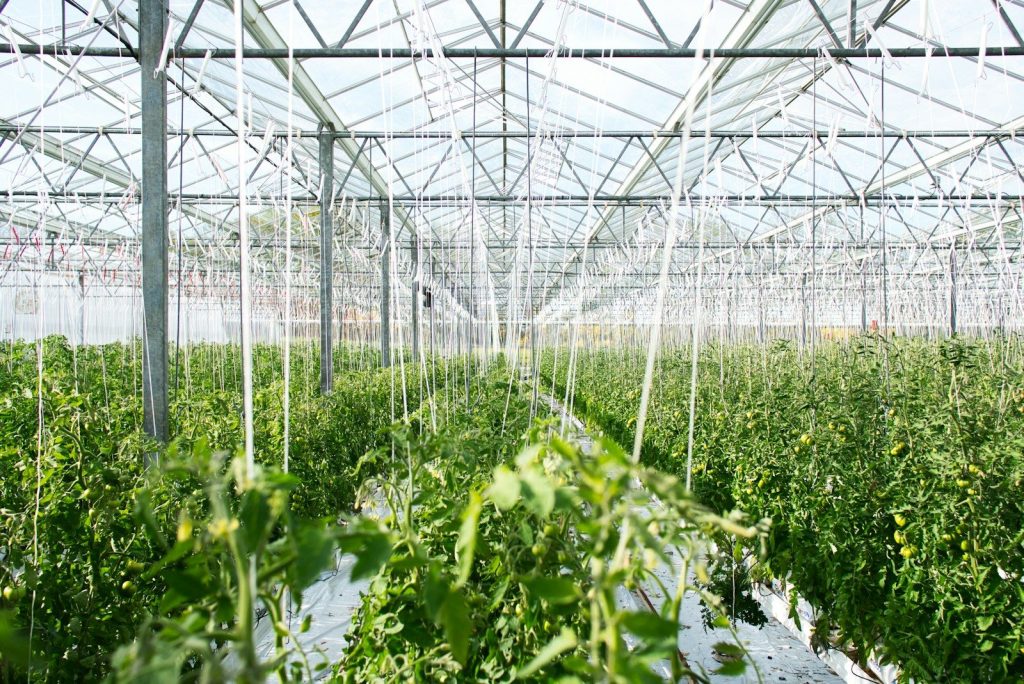
Blue Zone communities do not eat processed food. They eat what they grow in their backyard gardens. This means their food is packed with natural minerals that are missing from supermarket shelves. They avoid synthetic preservatives that can damage blood vessels. Their bodies recognize every single ingredient they consume. This simple relationship with food keeps them active well into their nineties. The lessons they teach us could change how we look at our own plates.
Building Your Personal Strategy for Longevity
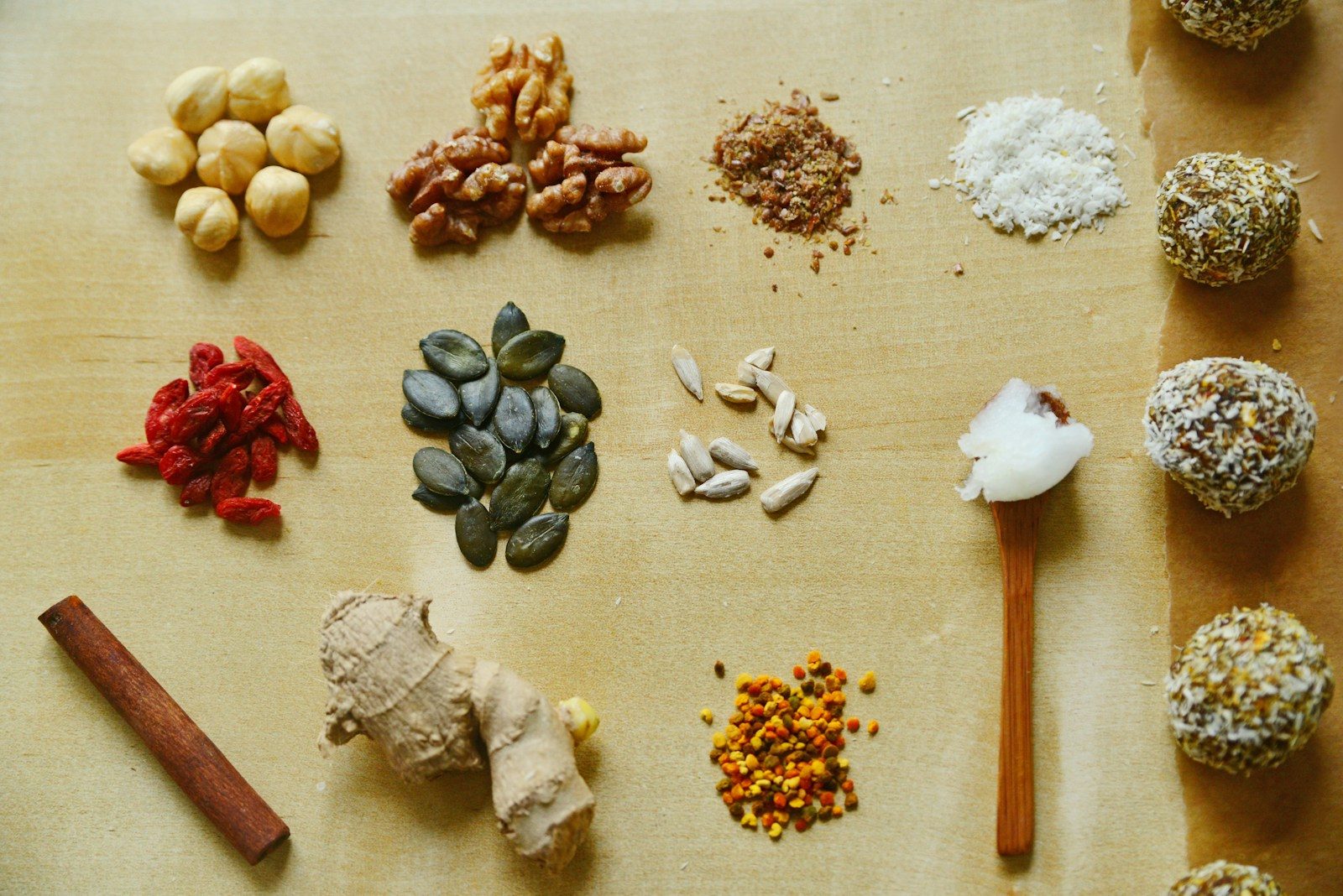
You do not have to move to Greece to live like a centenarian. Start by swapping processed snacks for fresh walnuts or pumpkin seeds. Eat a handful of beans with your dinner. Focus on whole foods and listen to your body’s natural fullness signals. These tiny changes can have a massive impact on your cellular health over time. Your body is ready to heal if you give it the right tools.
Featured Image: Photo by Sofia Lasheva on Unsplash
Leave a Reply