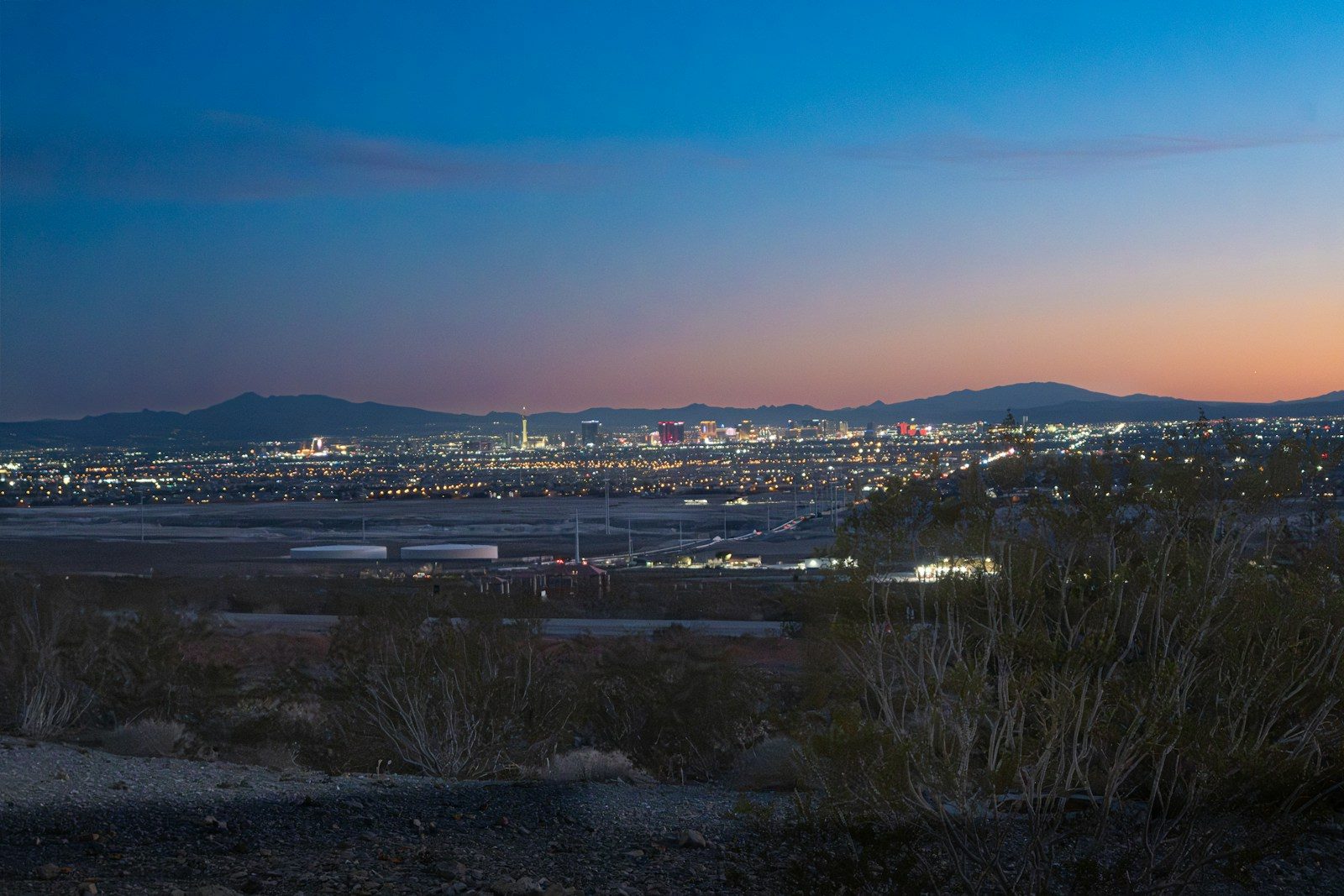
Saudi Arabia is building something the world has never seen before. Deep in the heart of the desert, a massive project called “The Line” is taking shape. New images released from the construction site show the sheer scale of this 100-mile-long mirrored city. It is designed to house nine million people without a single car or road. This isn’t just a building; it is a complete rethink of how humans live on Earth. Workers are moving millions of tons of earth every week to lay the foundation for a vertical world.
The mirrored facade is intended to reflect the desert sun and blend into the landscape. But inside that mirror is a high-tech paradise where everything you need is just a five-minute walk away. Critics called it impossible, yet the latest drone footage proves that the dream is becoming a reality. The engineering challenges are unlike anything seen in human history. Wait until you see how they plan to move millions of people across the city in minutes.
The Zero-Gravity Urbanism Concept
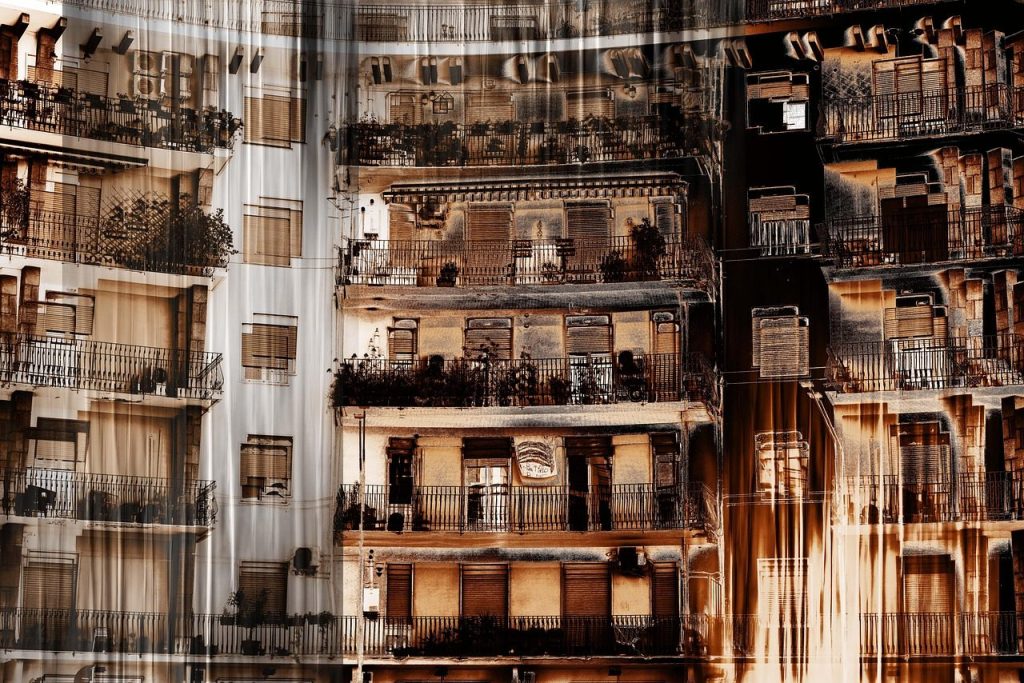
Most cities spread out, but this megacity builds up. The designers call it “Zero-Gravity Urbanism.” This means schools, offices, and parks are layered on top of each other. You won’t take a bus to work; you might take a high-speed elevator or walk across a sky bridge. This layout saves space and protects the surrounding nature. However, building thousands of feet into the air creates massive wind and structural issues. But how do you keep a city this big from getting too hot?
Beating the Extreme Desert Heat
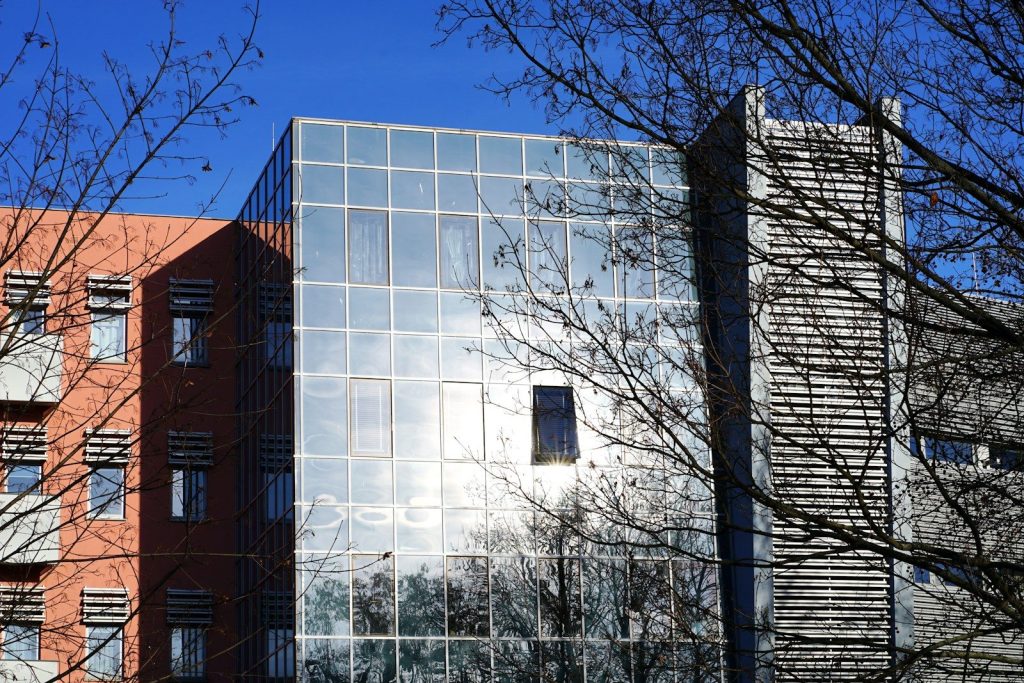
The Saudi desert is one of the hottest places on the planet. To keep residents cool, the city uses a “natural ventilation” design. The height of the walls and the placement of gardens create a constant breeze. It acts like a giant, natural air conditioner that requires zero electricity. This engineering trick keeps the temperature perfect all year round. It sounds like magic, but it is actually advanced fluid dynamics. But what happens when you need to travel from one end of the 100-mile line to the other?
Trains Faster Than a Speeding Bullet
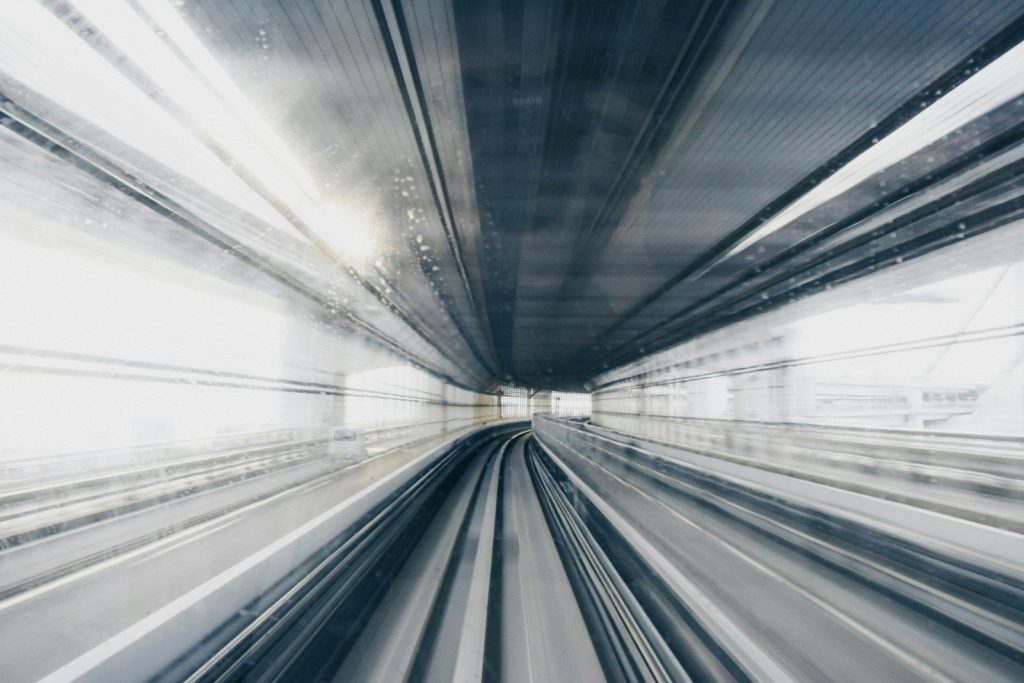
There are no cars in this city, so the transport system has to be incredible. An ultra-high-speed rail is being built underneath the main structure. Engineers say this train will travel the entire 100 miles in just 20 minutes. That is faster than almost any commercial train in existence today. The technology uses magnets to float the train, reducing friction to nearly zero. This allows for smooth, silent travel at speeds that feel like flying. But moving people is easy compared to managing the city’s water.
Water From Thin Air and Salt
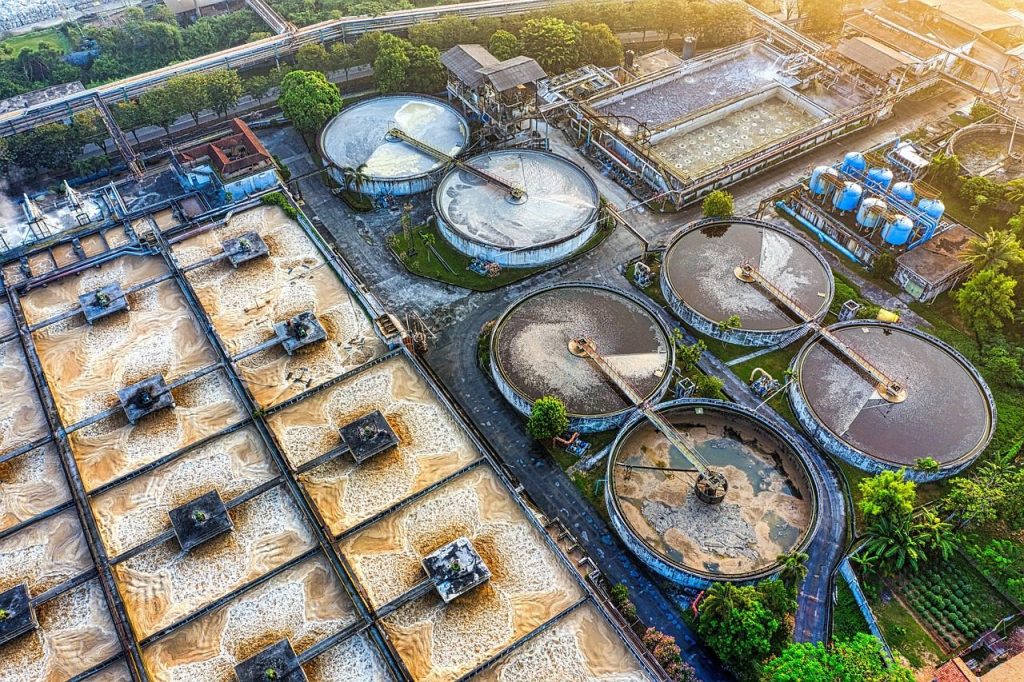
How do you provide water for nine million people in a desert? The answer lies in the world’s most advanced desalination plants. These systems pull salt from the Red Sea and turn it into pure drinking water using 100% renewable energy. The brine left over is even recycled into industrial salt. It is a closed-loop system that produces zero waste. This water engineering is what makes life in the desert possible. But there is a hidden side to the construction that few people are talking about.
The Hidden Industrial Port of Oxagon
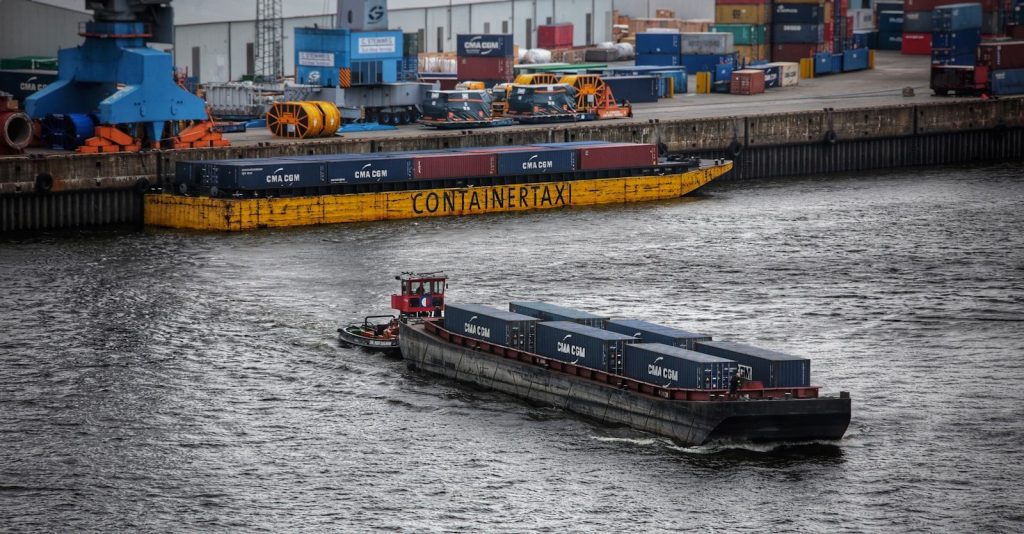
Next to the living area is Oxagon, a giant floating industrial hub. It is shaped like an octagon and sits directly on the water. This is where the city’s manufacturing and shipping happen. It uses automated robots to move cargo, making it the most efficient port in the world. By floating on the sea, it avoids taking up valuable land and uses ocean currents for cooling. This hub is the economic heart of the megacity. But wait, what about the environmental impact of such a massive project?
A City With Zero Carbon Footprint
Saudi Arabia wants this city to be the greenest on Earth. It will run entirely on wind and solar power. There will be zero carbon emissions and zero pollution. Even the trash is converted back into energy. The engineering team is using AI to monitor energy use in every building to prevent any waste. It is a bold plan for a country known for its oil. But as construction ramps up, the world is asking when the first people will actually move in.
When Will The First Residents Arrive?
The timeline for this project is incredibly aggressive. The first modules are expected to be ready for residents by 2030. Thousands of engineers and workers are on-site right now, working 24 hours a day. While some say it is a pipe dream, the money and the machinery are already in place. This megacity could be the blueprint for all future human colonies. If you think building in the desert is hard, wait until you see how engineers are preparing for the next global climate disaster.
Featured Image: Photo by Tyler Hardie on Unsplash
Leave a Reply