Cybersecurity training used to focus on simple rules: make strong passwords, avoid strange links, and report anything suspicious. Those lessons still matter, but the workplace threat picture has changed fast. AI can help security teams spot danger sooner, yet it can also help attackers move faster and create more convincing scams.
That shift is forcing companies to rethink how they train employees, managers, and security teams. Fortinet’s 2025 skills report found that 49% of respondents worry AI use by bad actors will increase cyberattacks, while 97% already use or plan to use AI-enabled cybersecurity solutions. The big message is clear: AI is not replacing cybersecurity training. It is making smarter, faster, and more human-focused training more important.
Training now moves faster
Cyber threats do not wait for a yearly training video. AI is pushing companies to update lessons more often because attacks can change quickly.
That means workers may see shorter, more frequent training sessions instead of one long annual course. These quick refreshers can cover new phishing styles, risky apps, password habits, and safe use of workplace tools.
AI makes practice feel real

One big change is the rise of realistic training drills. AI can create practice emails, alerts, and scenarios that look closer to what employees may face at work.
This helps people learn by doing, not just by reading rules. When training feels real, workers are more likely to pause, think, and report suspicious activity before it becomes a bigger problem.
Phishing lessons are changing

Old phishing emails were often easy to spot because they had odd wording or obvious mistakes. AI can help create messages that sound smoother and more personal.
That is why training now focuses on behavior, not just grammar. Employees are taught to check senders, links, requests for urgency, and unusual payment or login demands, even when the message looks polished.
Security teams need AI skills
AI tools can scan huge amounts of data, flag unusual patterns, and help teams find threats faster. But people still need to understand what the tools are showing.
Training for cybersecurity staff now includes how to read AI alerts, question results, and decide what needs action. IBM reported that heavy use of security AI and automation can reduce breach costs, showing why these skills matter.
Humans still make key calls

AI can sort alerts and suggest next steps, but it does not replace human judgment. A tool may flag something as risky, yet a trained person must decide what it means.
That is why companies are adding more decision-making practice to cybersecurity training. Teams learn when to trust AI, when to investigate further, and when to bring in legal, privacy, or leadership support.
Soft skills matter more

Cybersecurity is not only a technical job. Workers need to explain risks clearly, ask good questions, and work well under pressure.
As AI handles more routine tasks, human skills become even more valuable. Communication, teamwork, problem-solving, and calm judgment help security teams respond faster and avoid confusion during a serious incident.
Training must cover AI risks
Companies are also teaching employees how to use AI safely at work. That includes not pasting private company data into public tools and checking AI-generated answers before using them.
This kind of training is important because AI mistakes can create new risks. Workers need clear rules, simple examples, and safe approved tools so they know what is allowed.
Bad data can weaken tools

AI systems learn from data. If that data is incomplete, outdated, or biased, the tool may miss real threats or flag harmless activity.
Cybersecurity training now includes lessons on data quality and careful review. Teams must understand that AI is powerful, but it is not perfect. A smart defense still needs testing, oversight, and regular improvement.
The talent gap is real
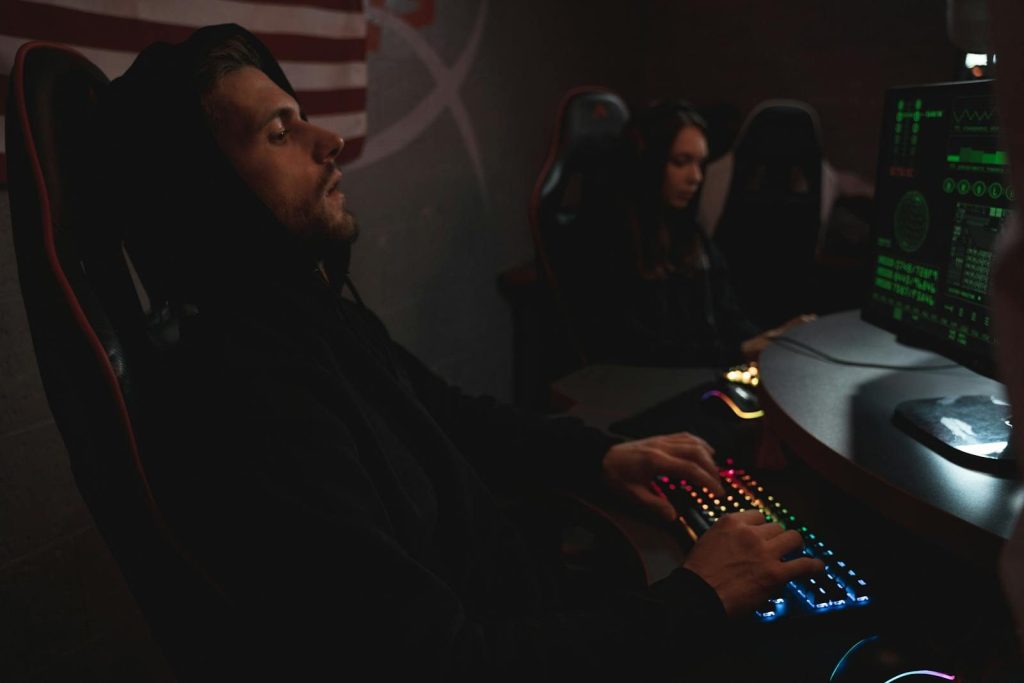
There are not enough trained cybersecurity professionals to meet demand. The World Economic Forum has described a global shortage of nearly 4 million cybersecurity workers.
AI can help teams work more efficiently, but it cannot solve the talent problem alone. Companies still need entry-level training, career paths, mentoring, and certifications that help more people move into security roles.
The future is teamwork

The strongest cybersecurity training will mix AI tools with human skill. Employees need everyday safety habits, while security teams need deeper training in AI, data, response plans, and risk management.
The goal is not to make every worker a cybersecurity expert. It is to build a workplace where people know what to watch for, when to ask for help, and how to use AI without creating new openings for attackers.
Leave a Reply