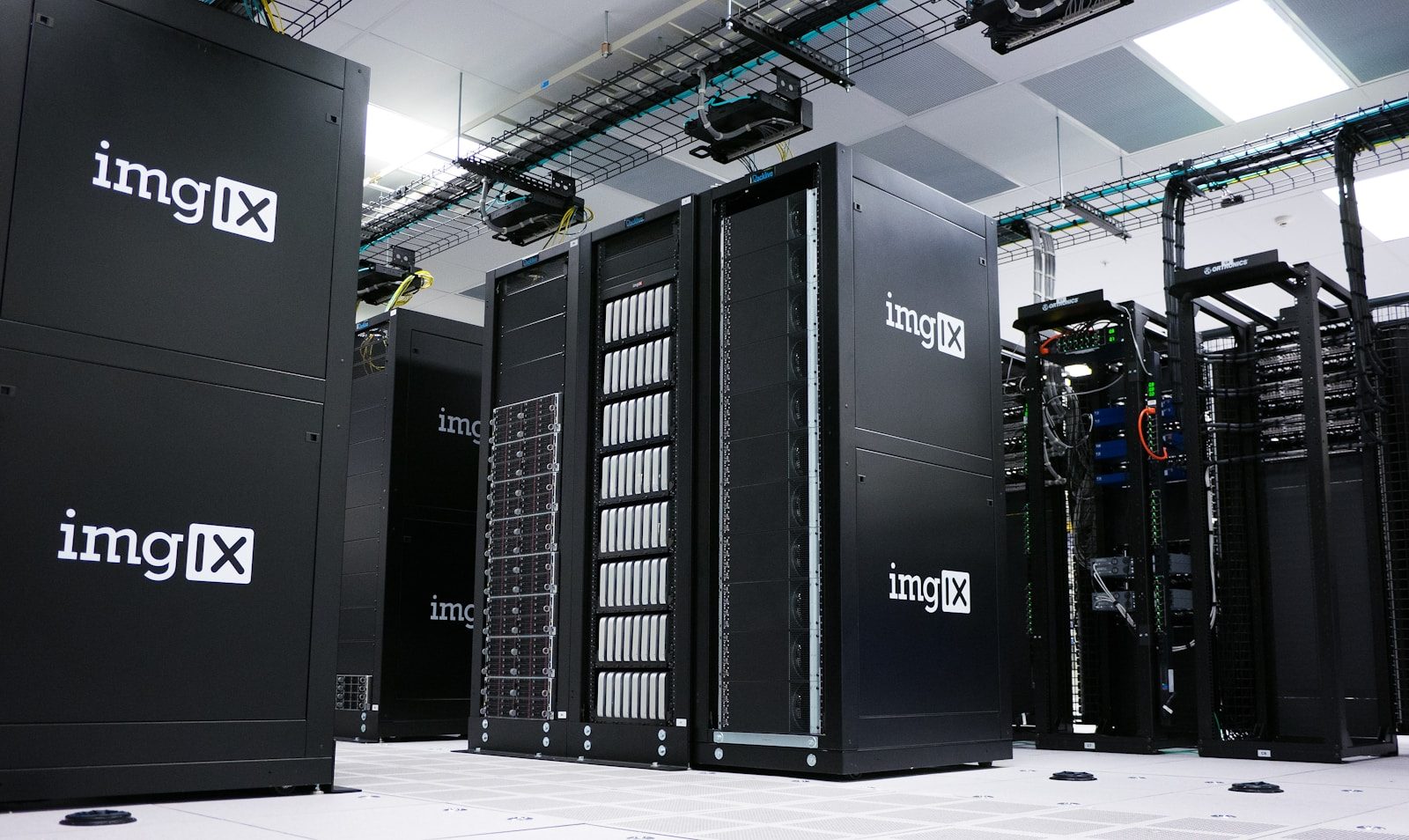
AI may feel like software, but its future is being shaped by giant rooms full of chips, cables, cooling systems, and power equipment. The companies building the most advanced AI models need huge amounts of computing power to train them, run them, and serve millions of users. That is why AI supercomputers are becoming a new kind of tech battleground.
This race is not only about faster chips. It is also about electricity, land, data centers, cooling, supply chains, and national strategy. OpenAI announced the Stargate Project in 2025 as a plan to invest $500 billion over four years in AI infrastructure in the United States. That scale shows how serious the compute race has become.
Compute is the new fuel

AI models need massive computing power to learn from data and respond quickly. The bigger and more capable the model, the more pressure it puts on hardware.
That makes compute feel like fuel for the AI economy. Companies with more access to advanced chips and data centers can test larger systems, improve products faster, and serve more customers.
Chips are in high demand
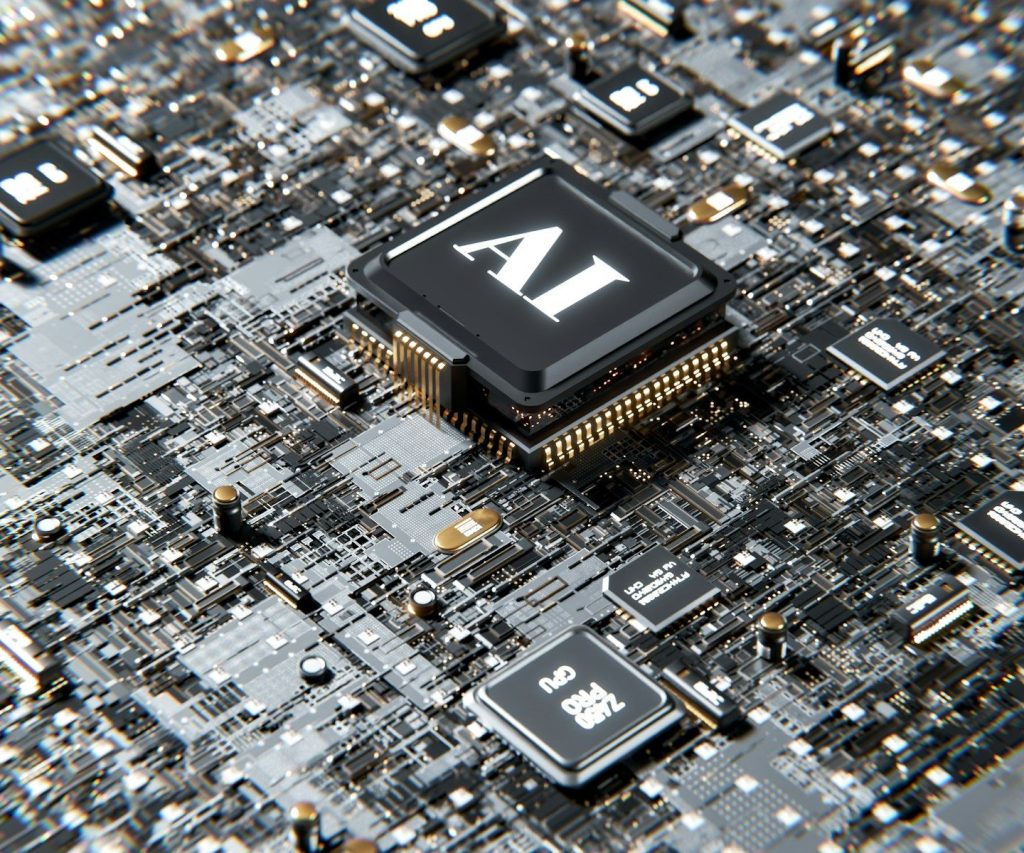
AI supercomputers depend on specialized chips, especially GPUs, that can handle huge math workloads at high speed. These chips are not easy to make or buy in large numbers.
That shortage has turned hardware access into a serious advantage. When companies secure more chips, they are not just buying equipment. They are buying more chances to build stronger AI systems.
Data centers are expanding
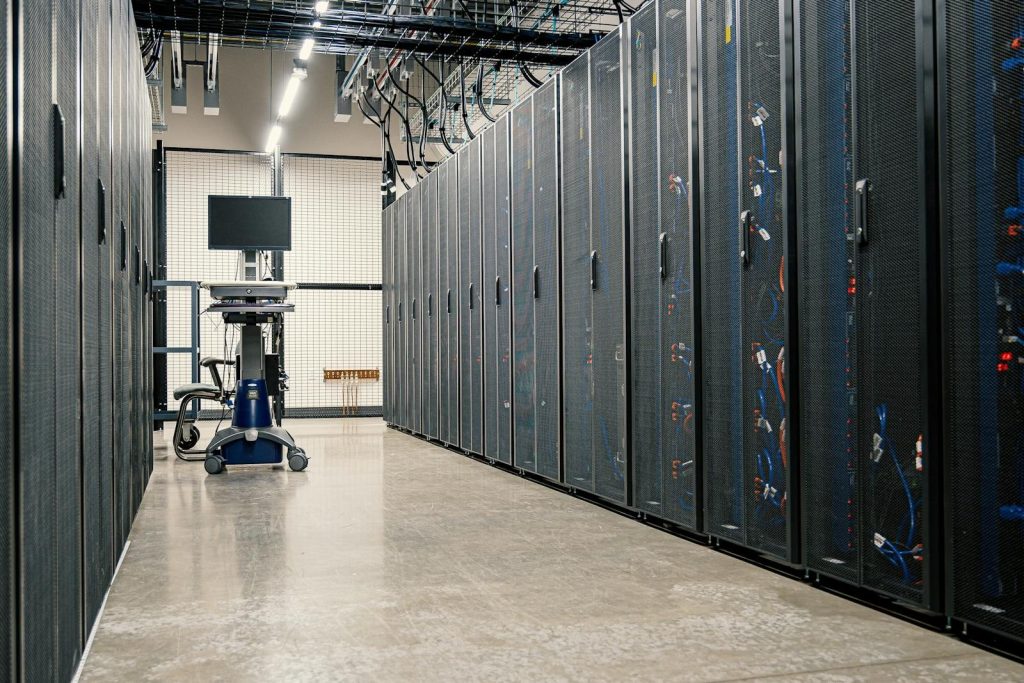
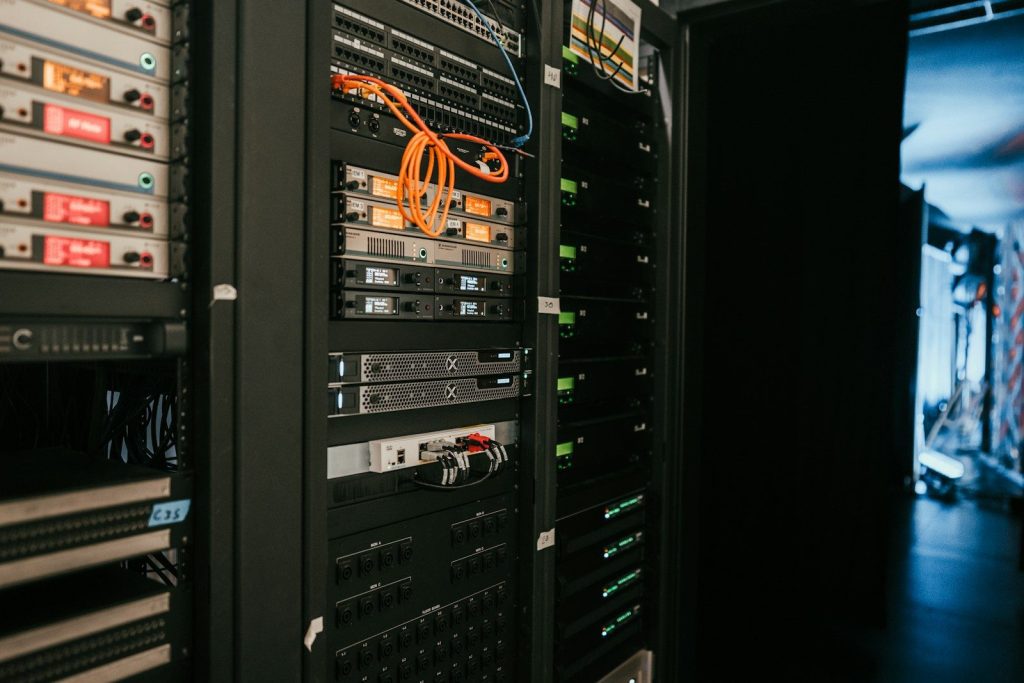
AI supercomputers need more than chips. They need large data centers with strong power connections, cooling systems, networking equipment, and space for future upgrades.
OpenAI said Stargate is meant to build the compute foundation needed to meet growing AI demand from consumers, businesses, developers, and governments. That shows why data centers are now central to AI strategy.
Power is a major limit
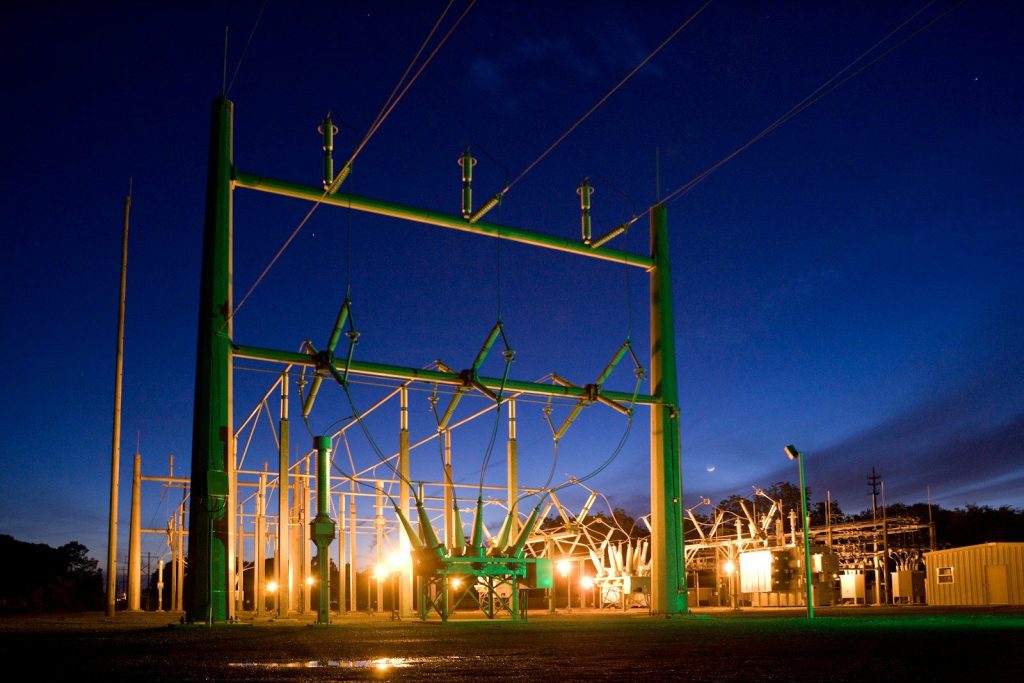
The AI race is also an electricity race. A powerful supercomputer can use huge amounts of energy, which means companies must think carefully about power supply and efficiency.
A 2025 research paper on AI supercomputers found that performance doubled about every nine months, while hardware costs and power needs doubled about every year. That pace makes energy a major challenge.
Cooling matters more now

AI chips create a lot of heat when they run hard. If that heat is not handled well, systems can slow down, waste energy, or become harder to maintain.
That is why liquid cooling and smarter data center designs are getting more attention. The most advanced AI systems need buildings designed around the hardware, not just racks placed inside a room.
Nations want their own systems

AI supercomputers are becoming national infrastructure, not just private business tools. Countries want local computing power for research, security, health, education, and industry.
Canada launched a national effort in April 2026 to build large-scale sovereign AI supercomputing capacity. The goal is to give Canadian researchers, institutions, and innovators access to advanced compute at home.
Speed can shape leadership

Companies that train models faster can test ideas faster. They can improve tools, launch features, and respond to competitors with less delay.
That is why supercomputers are becoming part of tech leadership. The race is not only about who has the smartest algorithm. It is also about who has the machines needed to push that algorithm forward.
Costs are getting enormous

Building AI supercomputers is expensive because every layer costs money. Chips, servers, buildings, power systems, cooling, land, and workers all add to the total.
The 2025 AI supercomputer study estimated that xAI’s Colossus system used 200,000 AI chips and had an estimated hardware cost of $7 billion. Numbers like that show why only a few players can compete at the highest level.
Partnerships are becoming key
No single company controls every piece of the AI infrastructure puzzle. Chipmakers, cloud providers, software firms, utilities, and local governments all play a role.
That is why major AI projects often involve several partners. OpenAI and NVIDIA announced a strategic partnership in 2025 to deploy at least 10 gigawatts of NVIDIA systems for OpenAI’s AI infrastructure.
The race is just starting
AI supercomputers are becoming bigger, faster, and more important to the tech world. The winners may be the groups that balance performance with cost, energy use, reliability, and access.
For everyday users, this race may show up as smarter tools, faster responses, and new AI services. Behind the scenes, though, the real contest is happening inside the machines that make those tools possible.
Leave a Reply