
Earth did not always have the air we breathe today. Long before forests, animals, and blue skies filled with oxygen, our planet had a very different atmosphere. For much of its early history, Earth’s air held little oxygen, while gases like carbon dioxide and methane played bigger roles. That matters because alien worlds may not look like modern Earth at all.
Scientists searching for life beyond our solar system are using Earth’s past like a guidebook. By studying how our atmosphere changed over billions of years, they can better understand what signs to look for around distant planets. NASA explains that scientists may not need to define life perfectly if they can detect strong atmospheric clues that life is changing a planet’s air.
Earth was once very different
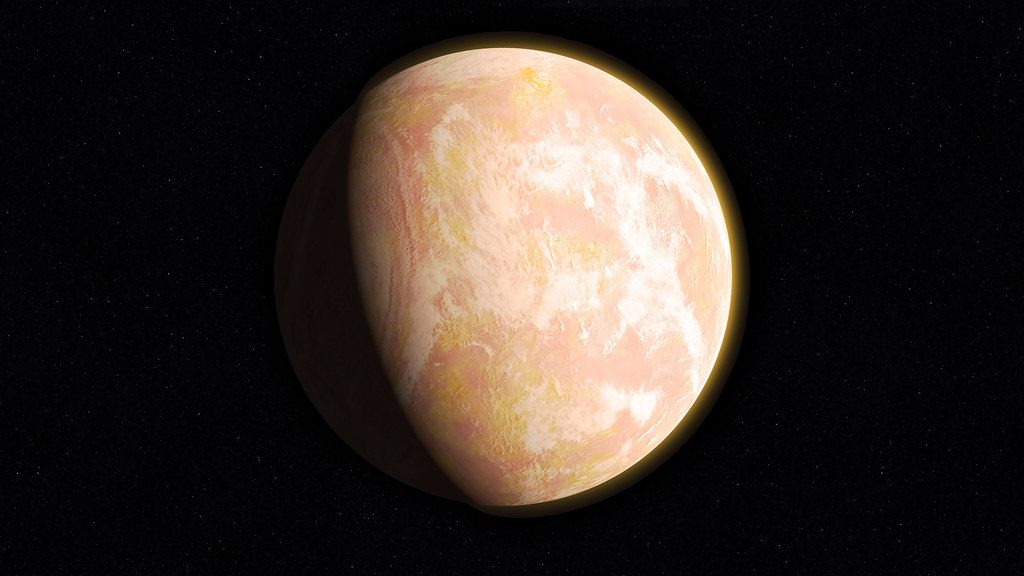
Modern Earth has oxygen-rich air, but that was not always true. Early Earth went through long stretches when oxygen was rare in the atmosphere.
That matters for planet hunting. If scientists only search for worlds that look like Earth today, they may miss planets that look more like Earth’s much older past.
Oxygen came much later

The Great Oxidation Event changed Earth’s atmosphere between about 2.4 and 2.1 billion years ago. Before then, oxygen was not a major part of the air.
That shift was huge for life on Earth. It also teaches scientists that a living planet may not always show strong oxygen, especially during its early chapters.
Methane can be a clue
Methane is one gas scientists watch closely. On Earth, some microbes produce methane, and it can become an important clue when seen with the right mix of other gases.
Researchers have argued that methane may be more convincing as a life clue when it appears with carbon dioxide but very little carbon monoxide. Context makes the signal stronger.
One gas is not enough

No single gas can prove life on another planet. Oxygen, methane, and other gases can sometimes be made without biology, depending on the planet.
That is why scientists look for patterns. NASA notes that an imbalance of atmospheric gases may be a telltale sign, especially when the mix is hard to explain without life.
Ancient air helps avoid mistakes
Earth’s past gives scientists a warning: life can exist even when its signs are hard to see. A planet could be alive but still have little oxygen.
Researchers call this a possible “false negative.” It means a telescope might miss life if scientists expect every living world to look like modern Earth.
Telescopes read starlight
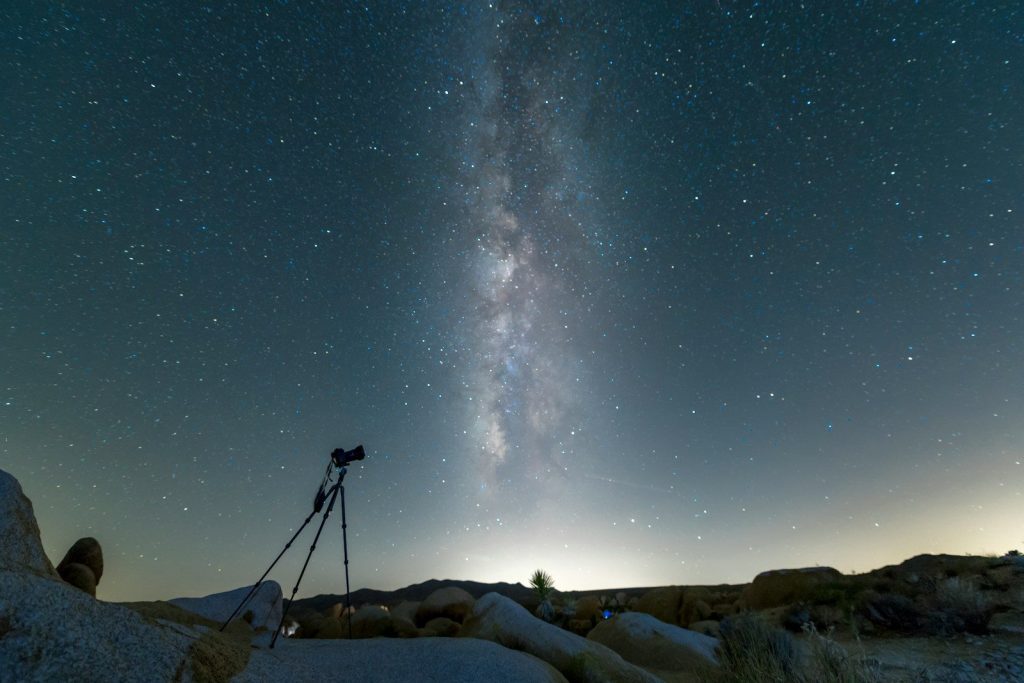
Scientists study distant atmospheres by watching starlight pass through them. Different gases leave patterns in that light, almost like fingerprints.
This method is called spectroscopy. NASA explains that instruments on space telescopes can spread the light into a spectrum and reveal which molecules are present.
Early Earth is a model
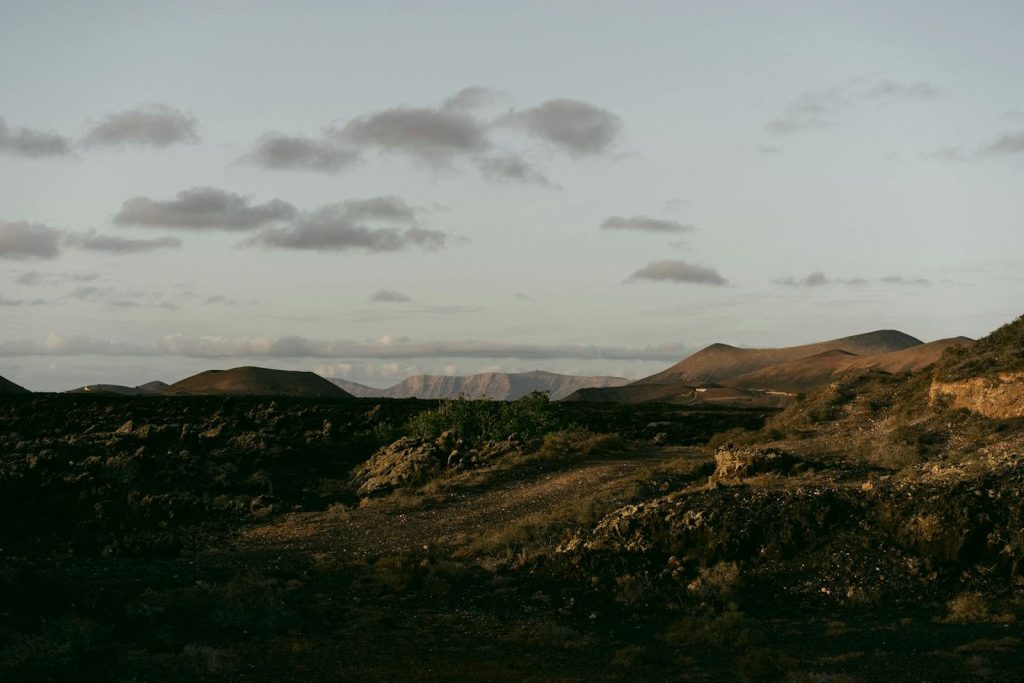
Earth’s long history gives scientists more than one version of a living planet. There was the low-oxygen early Earth, the changing middle Earth, and the oxygen-rich modern Earth.
A 2024 review noted that early Earth can help researchers understand the remote detectability of microbial life under many planetary conditions.
Microbes may be enough

Alien life does not have to mean large creatures or advanced worlds. For most of Earth’s history, life was microbial, and those tiny organisms still changed the planet.
That is why scientists care so much about subtle gases. A world covered in simple microbes might still leave a chemical mark in its atmosphere.
Balance tells a story
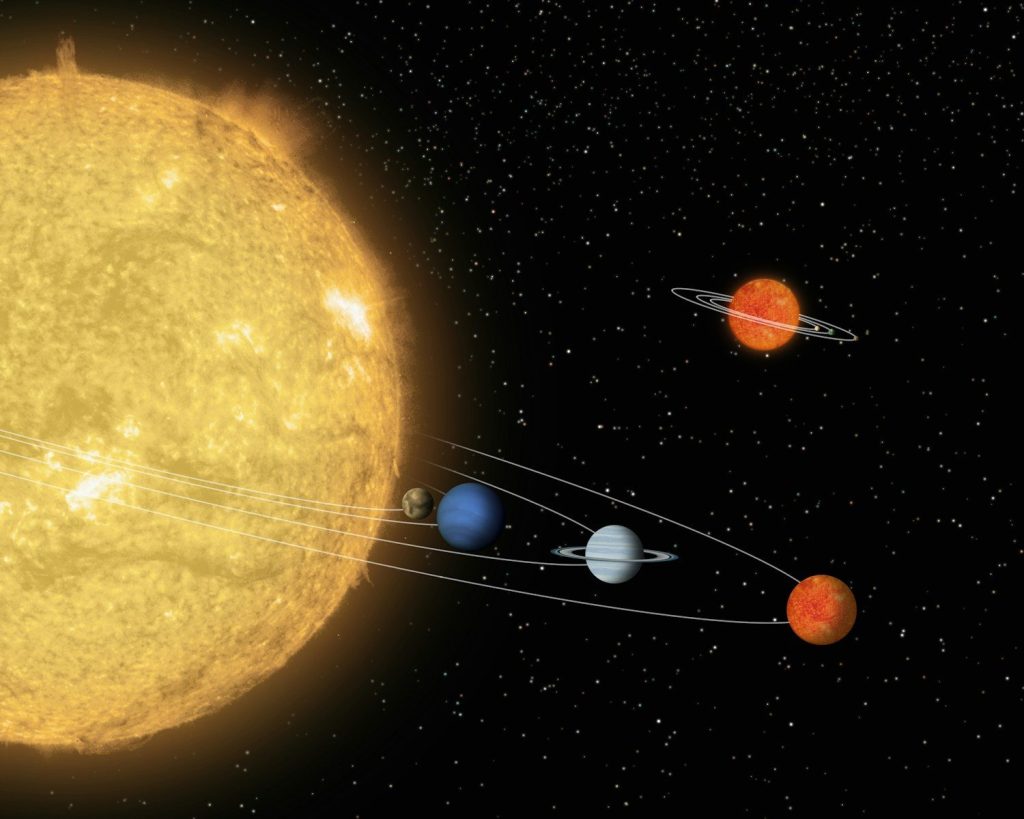
A planet’s atmosphere is shaped by sunlight, rocks, volcanoes, oceans, and living things. Scientists must sort through all of those pieces before calling anything a life clue.
That is why the best evidence may come from combinations. Oxygen with methane, or methane with carbon dioxide, can be more interesting than one gas by itself.
The search is getting sharper
The hunt for life beyond Earth is becoming more careful, not just more exciting. Scientists are learning to ask better questions before making big claims.
Ancient Earth helps make that possible. By studying our own planet’s changing air, researchers can build smarter ways to recognize life on worlds that may look unfamiliar at first glance.
Leave a Reply