
Internet bills have a way of looking simple at first and confusing later. A plan may be advertised at a single monthly price, but the actual cost can change once promo rates, equipment fees, installation charges, data limits, and other fees are added.
That is why it pays to slow down before choosing a provider or renewing a plan. The cheapest offer on the page may not be the cheapest over a full year. A few small details can raise your bill or lock you into terms you did not expect.
By checking the fine print upfront, you can avoid surprise charges and choose an internet plan that actually fits your home, budget, and daily online habits.
The promo price can expire

That low monthly price may not last forever. Many internet plans start with an introductory rate, then jump after a set number of months.
Always check how long the promo lasts and what the regular price will be later. The FCC’s broadband labels are designed to show prices, introductory rates, speeds, and data allowances more clearly.
Equipment fees add up
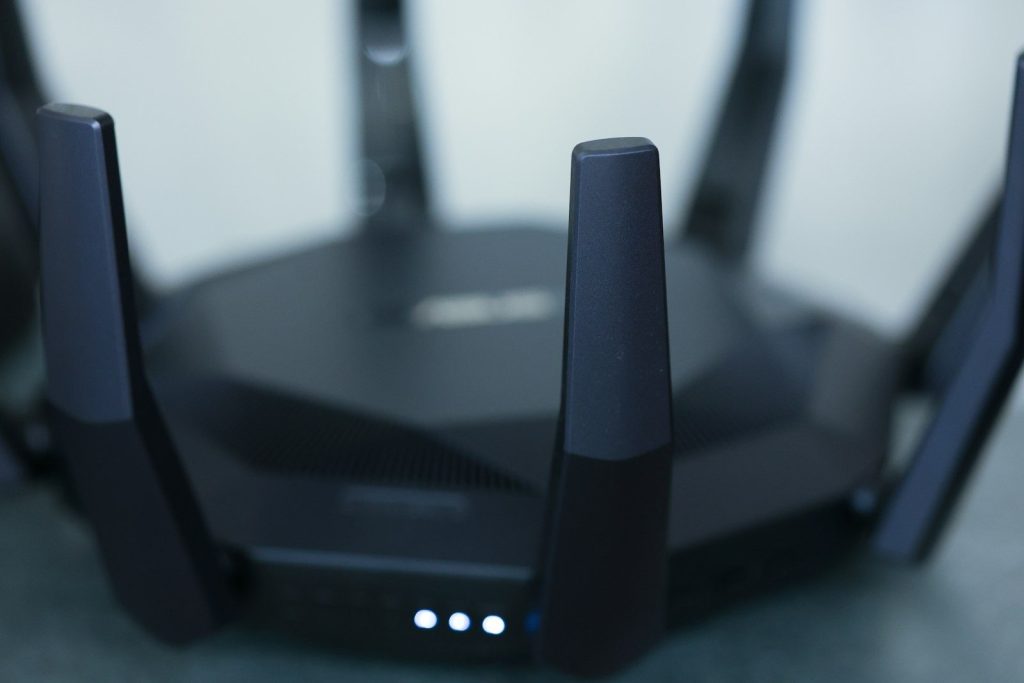
A modem or router rental may look small on one bill, but it can become expensive over a full year. Some plans include equipment, while others charge separately.
Look for monthly equipment fees before comparing plans. The FCC’s broadband label rules include cost details so customers can better understand the real price of service.
Installation may not be free

Some providers advertise a monthly rate, but setup can still cost extra. Installation, activation, deposits, and equipment purchase charges can change the first bill quickly.
Before signing up, check the one-time fees section. FCC broadband label materials say one-time fees can include deposits, installation fees, and equipment purchase charges.
Speed numbers need context

The big speed number in an ad may not tell the full story. Download speed, upload speed, latency, and typical performance can all affect how the internet feels.
Video calls, gaming, cloud backups, and remote work may depend on more than download speed. FCC broadband labels include performance details to help people compare plans more fairly.
Data caps can surprise you

Some internet plans limit how much data you can use each month. Going over that amount may lead to extra fees, slower speeds, or a push toward a pricier plan.
This matters for streaming, video calls, cloud storage, gaming downloads, and large household use. The FCC says broadband labels must disclose data allowances, which can help shoppers spot limits early.
Extra fees may hide below

The advertised price is not always the final monthly total. Taxes, government-related charges, service fees, and provider-added charges can make the bill higher than expected.
Do not compare plans by headline price alone. Broadband labels are meant to make pricing and added costs easier to see at the point of sale.
Cancellation rules matter

Internet service may come with contract terms, early termination fees, or steps you must follow to cancel. These details are easy to miss when you are focused on speed and price.
Check the cancellation policy before you agree. The FTC has focused on recurring subscriptions and cancellation practices, including rules aimed at making cancellation clearer and easier for consumers.
The total cost is the key

A good internet deal is not just the cheapest first-month price. It is the full cost after promos, equipment, fees, data rules, and contract terms are included.
Before choosing a plan, compare the broadband label with your actual bill or order summary. That extra minute can prevent bill shock and help you pick the plan that truly fits.
Leave a Reply