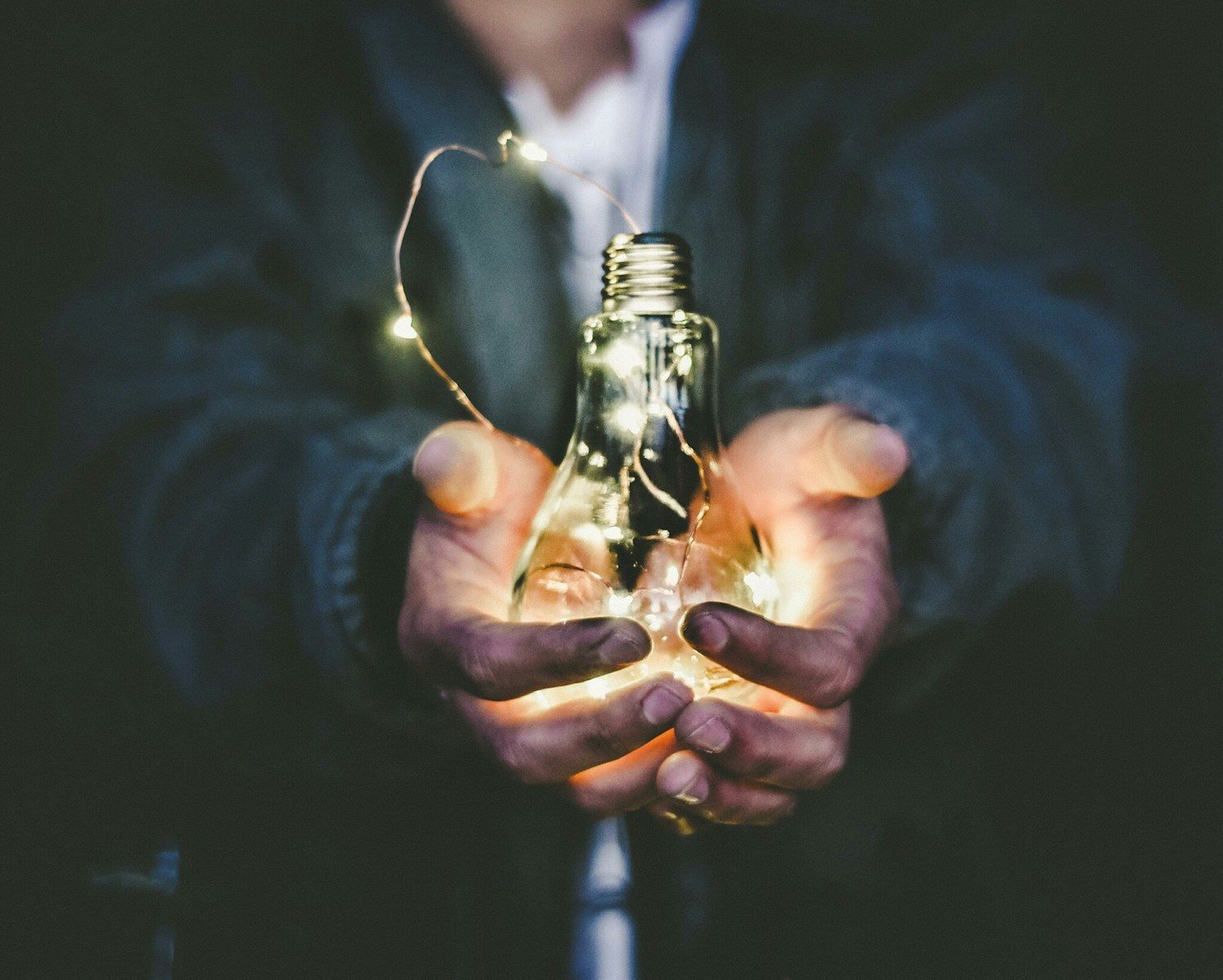
Clean energy is growing fast, but it needs better batteries to reach its full potential. Solar panels do not make power at night, wind turbines depend on weather, and electric vehicles need packs that are safe, affordable, long-lasting, and quick to charge. That is why battery research has become one of the biggest races in technology.
Lithium-ion batteries still power much of the world, but they are not the final answer for every job. Scientists and companies are testing solid-state, sodium-ion, lithium-sulfur, iron-air, zinc-based, and other designs that could change how we store energy.
Some may help cars go farther, while others may help the grid save renewable power for days. The future of clean energy may depend on which breakthroughs can move from the lab to real life.
A new battery race is here
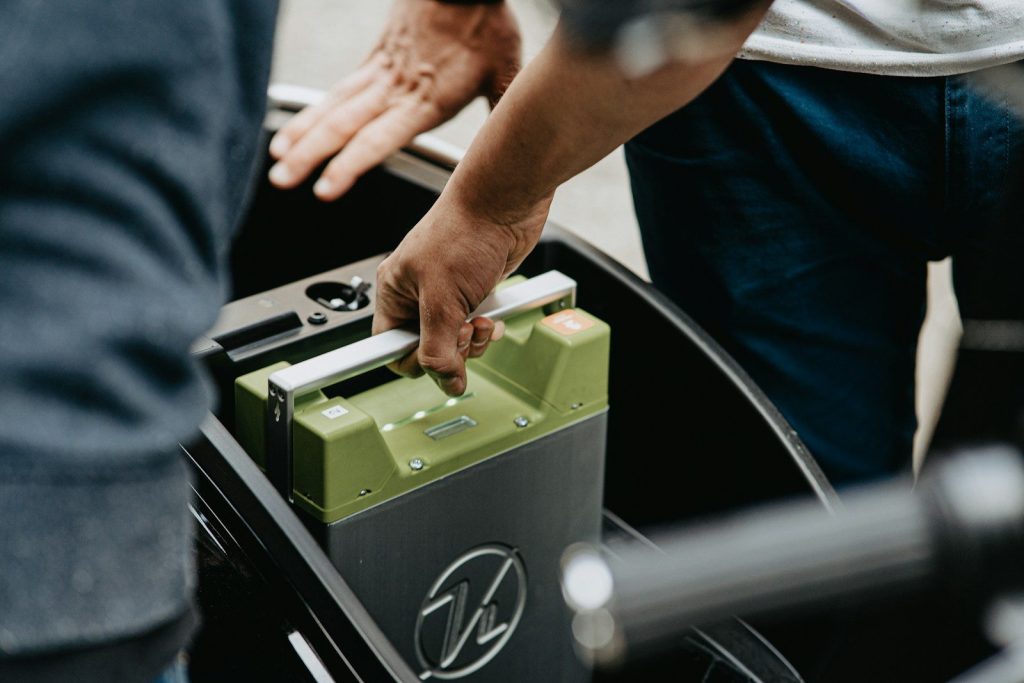
Batteries are no longer just about phones and laptops. They now matter for electric vehicles, home power, solar energy, wind energy, and the future of the grid.
Lithium-ion batteries still lead the market, but researchers are testing new designs that could improve cost, safety, storage, charging speed, and sustainability in the years ahead.
Solid-state batteries
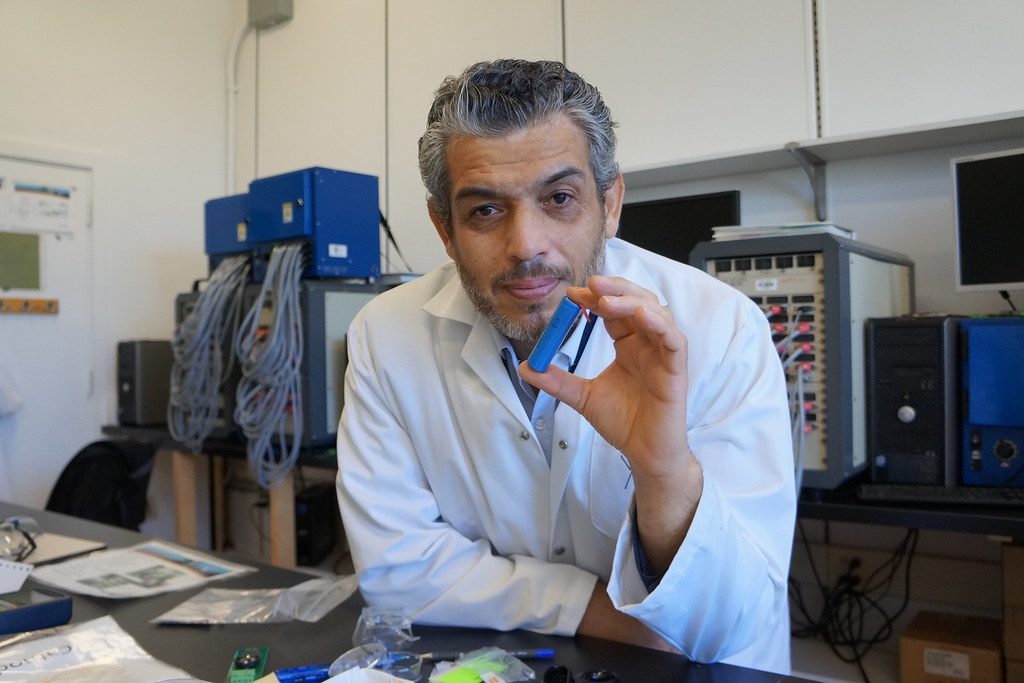
Solid-state batteries replace the liquid or gel electrolyte found in many current batteries with a solid material. This could make them safer, smaller, and more powerful.
They may one day help electric vehicles charge faster and travel farther with lighter battery packs. The biggest challenge is scaling the technology so it can be made reliably and affordably.
Lithium-sulfur batteries
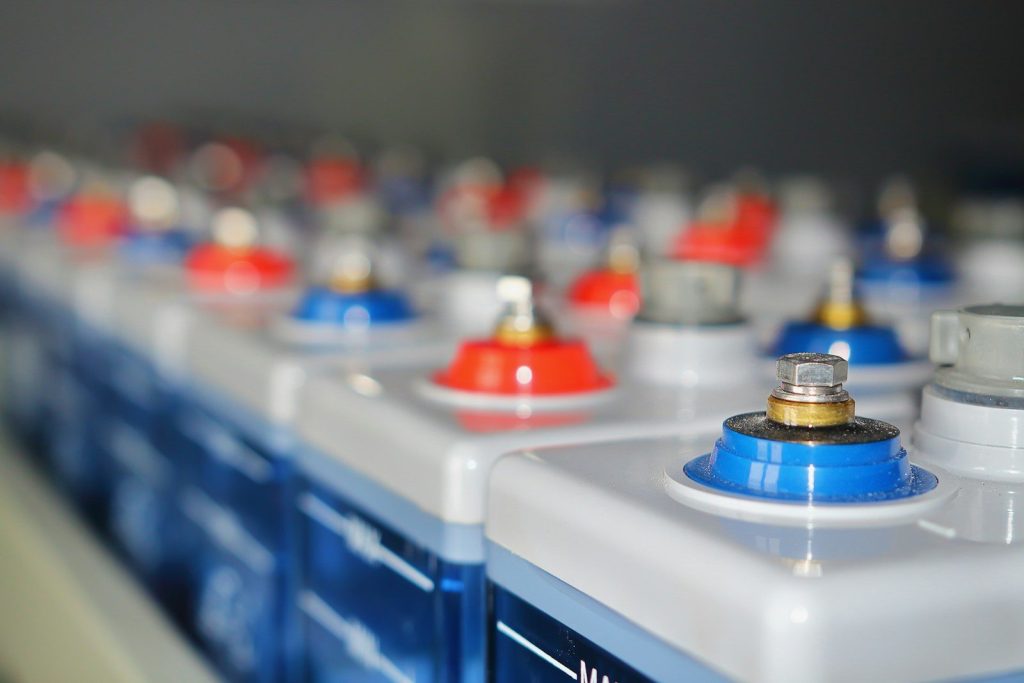
Lithium-sulfur batteries use sulfur in a key part of the battery. Sulfur is widely available, which could make these batteries cheaper and more sustainable than some current options.
They may also store more energy, making them attractive for vehicles, aircraft, and energy storage. However, researchers are still working to improve durability and reduce performance loss over time.
Cobalt-free batteries
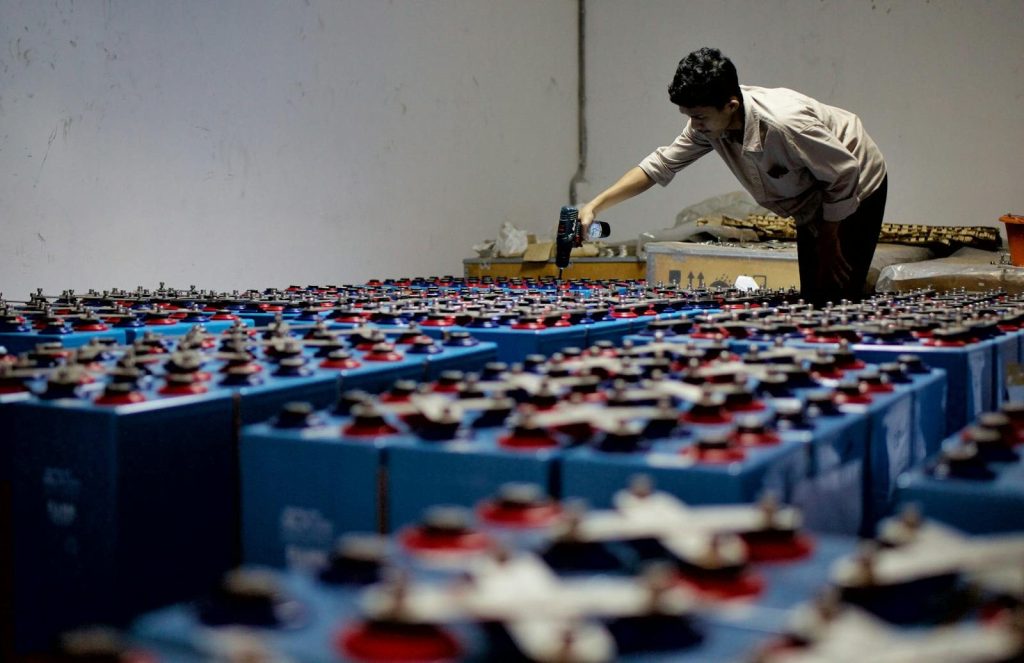
Many lithium-ion batteries use cobalt, a costly material that has raised supply and sourcing concerns. Cobalt-free designs aim to reduce dependence on that material while keeping strong battery performance.
These batteries could be useful in electric vehicles and everyday electronics. The challenge is finding alternatives that are stable, affordable, long-lasting, and ready for large-scale manufacturing.
Sodium-ion batteries
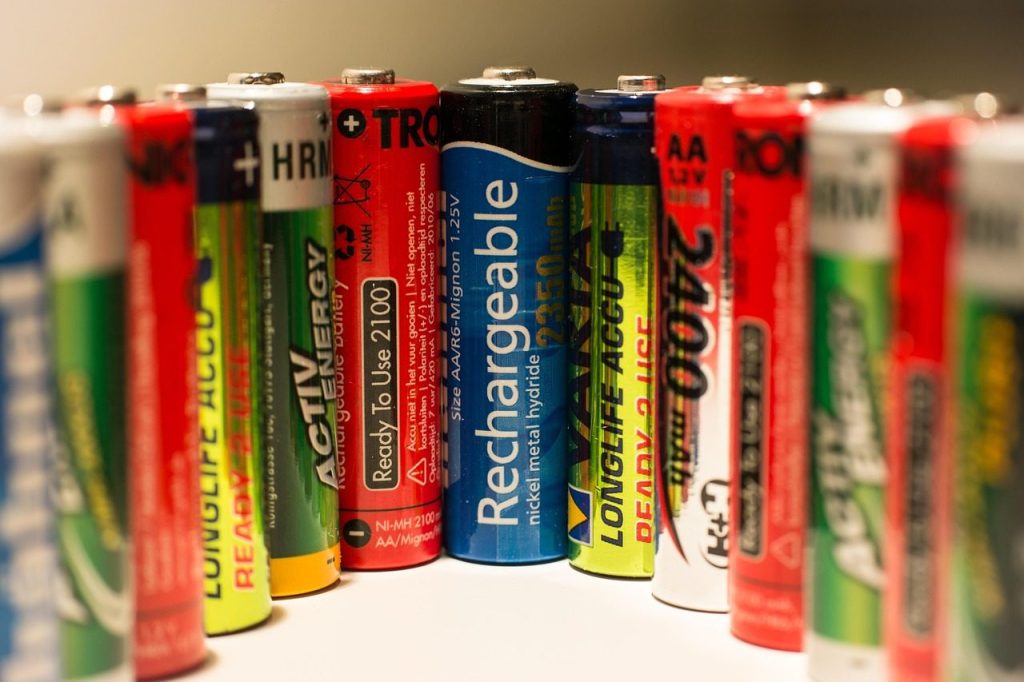
Sodium-ion batteries work in a way that is similar to lithium-ion batteries, but they use sodium instead of lithium. Sodium is easier to find and may lower material costs.
These batteries may be especially useful for grid storage and lower-cost applications. They usually store less energy than lithium-ion batteries, but they can offer safety and cold-weather advantages.
Iron-air batteries
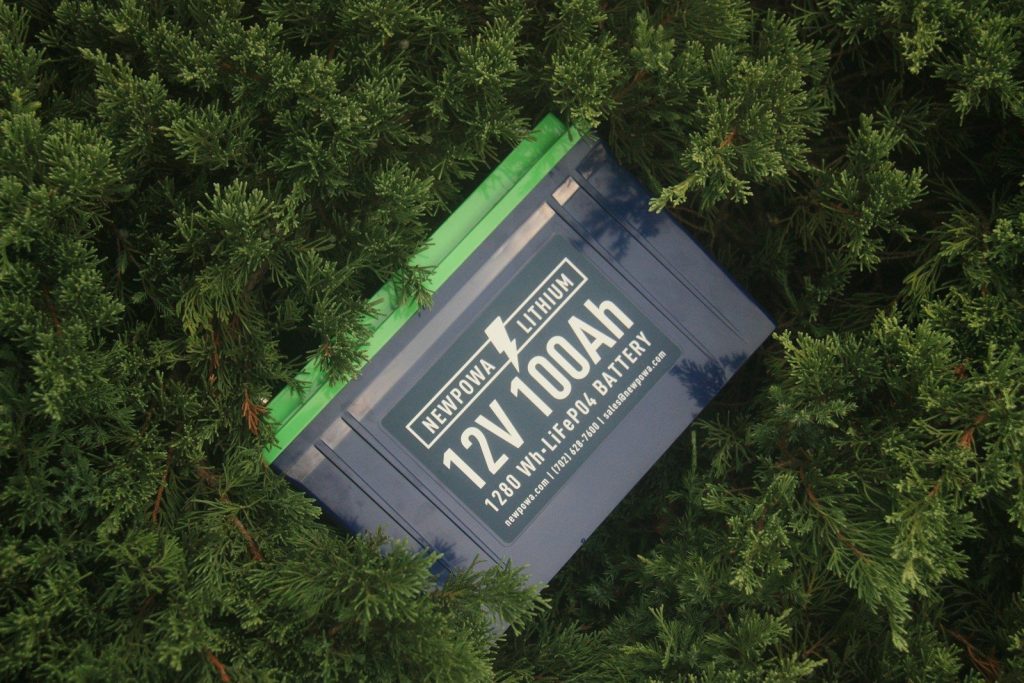
Iron-air batteries use a process similar to rusting and reversing rust. During discharge, iron reacts with air, and during charging, the process is reversed.
This design could be useful for storing energy over long periods, especially for power grids that rely on wind and solar. The tradeoff is size, since these batteries are not meant for small devices.
Zinc-based batteries
Zinc-based batteries use zinc, a material that is widely available and often viewed as safer and easier to source. Several designs are being tested for energy storage.
They may help store solar power for buildings, communities, or grid systems. Researchers still need to solve issues around efficiency, cost, and long-term reliability before wider use becomes practical.
Graphene batteries
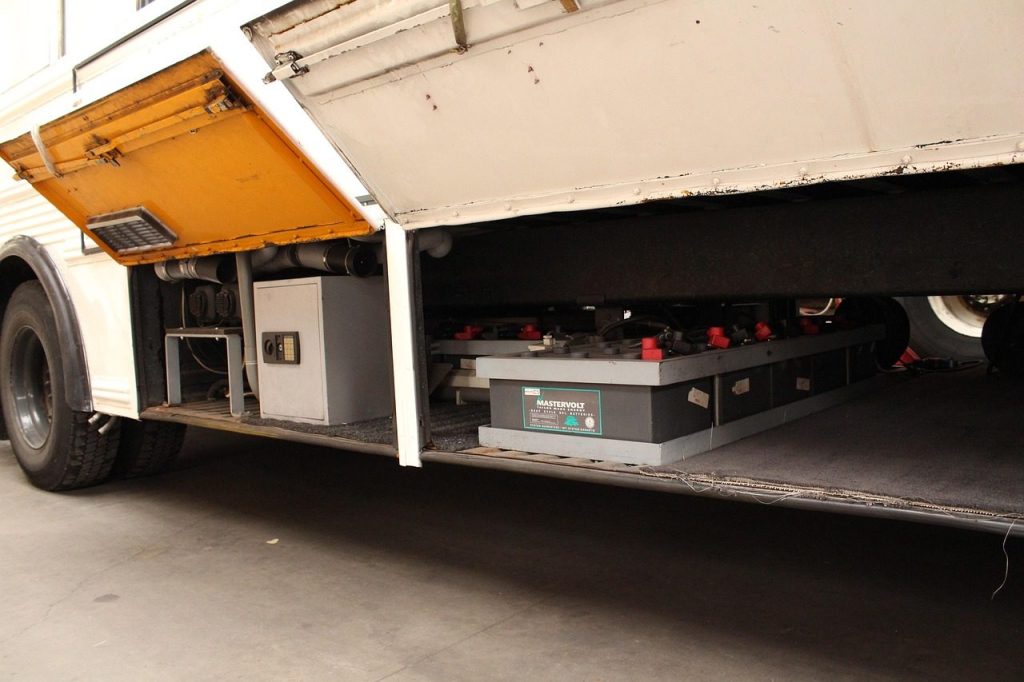
Graphene is a thin form of carbon known for strong conductivity. In battery research, it could help improve charging speed, capacity, and overall battery life.
The promise is exciting for electric vehicles, phones, and other devices. For now, the main hurdle is cost, because producing graphene batteries at large scale remains difficult.
Silicon and LFP advances
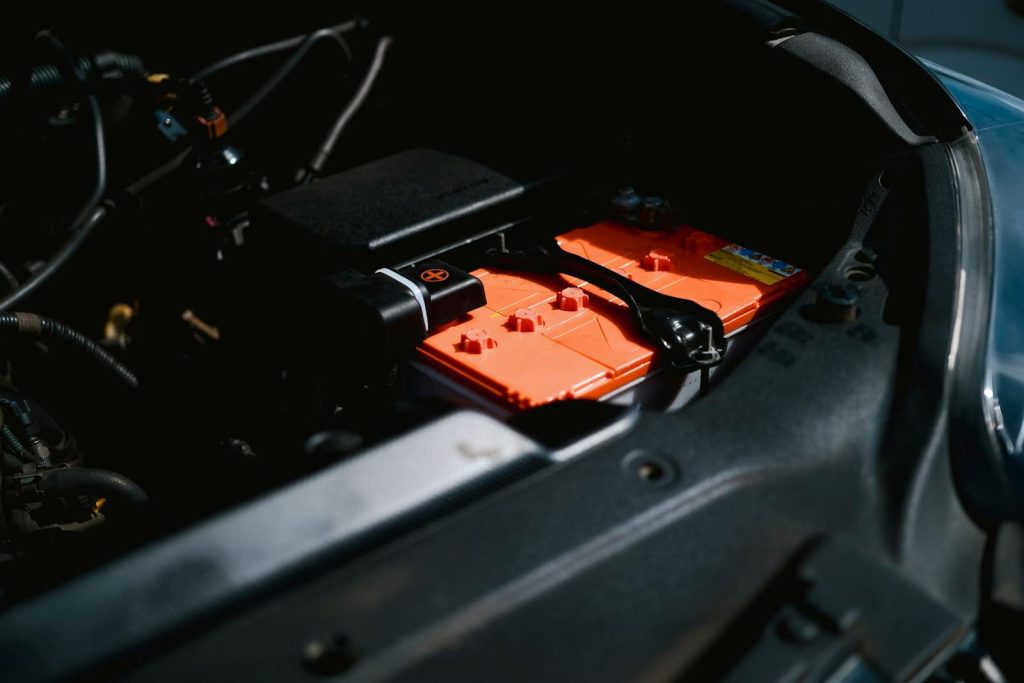
Silicon-carbon batteries can store more energy than traditional graphite-based designs, which may help devices last longer and charge faster. The challenge is managing expansion inside the battery.
Lithium iron phosphate, or LFP, batteries are already gaining attention for safety, stability, and long life. They store less energy by weight, but they can work well for vehicles, buses, and home energy systems.
Leave a Reply