
ChatGPT is no longer just a place to ask random questions or fix a sentence. For many younger users, it is becoming something much more personal: a tool for planning, studying, thinking through choices, and even sorting out daily life. That shift is one reason Sam Altman’s comments about Gen Z and millennials using ChatGPT like a “life advisor” are getting attention.
The trend says a lot about how fast AI habits are changing. Some people still use ChatGPT like a search box, but younger users often treat it like a steady assistant that can help with school, work, routines, conversations, and decisions. That can be useful, but it also raises big questions about privacy, trust, and when human advice still matters more.
AI is becoming personal
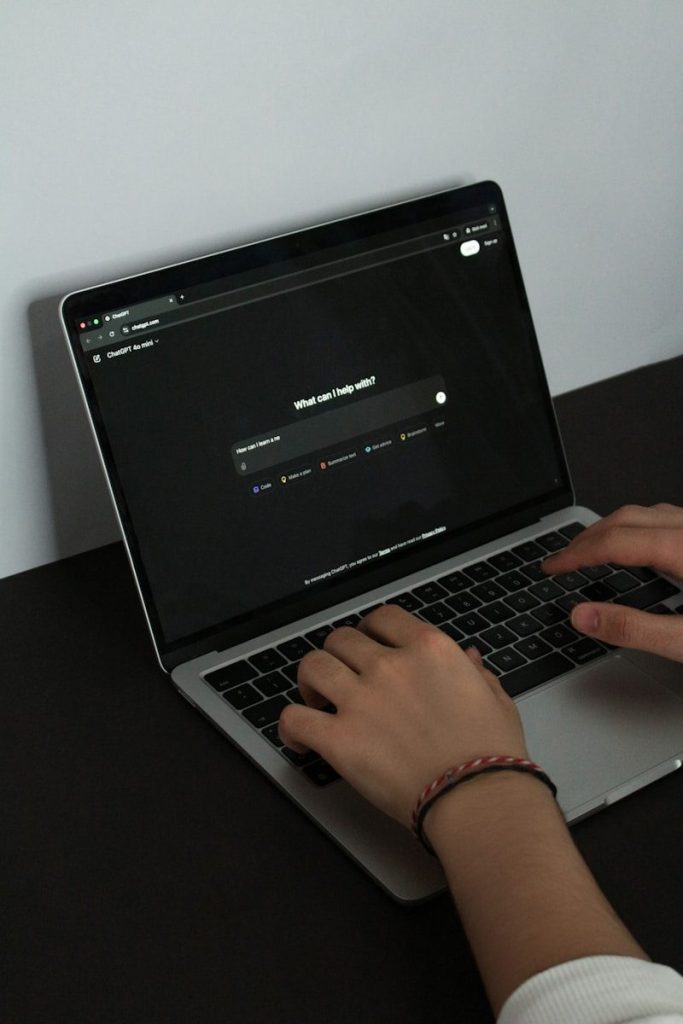
ChatGPT started as a tool many people used for quick answers, writing help, and simple research. Now, younger users are building it into more parts of daily life.
Sam Altman has said different age groups use ChatGPT in different ways. Some older users treat it like search, while younger adults often use it to sort through choices, plans, and personal questions.
College students go deeper

College students may be using ChatGPT in the most connected way. Altman described them as treating it almost like an operating system for school, files, tasks, and planning.
That means they are not just asking one-off questions. Many create saved prompts, organize workflows, and use the tool as a steady helper for learning and daily decisions.
Advice is a major shift
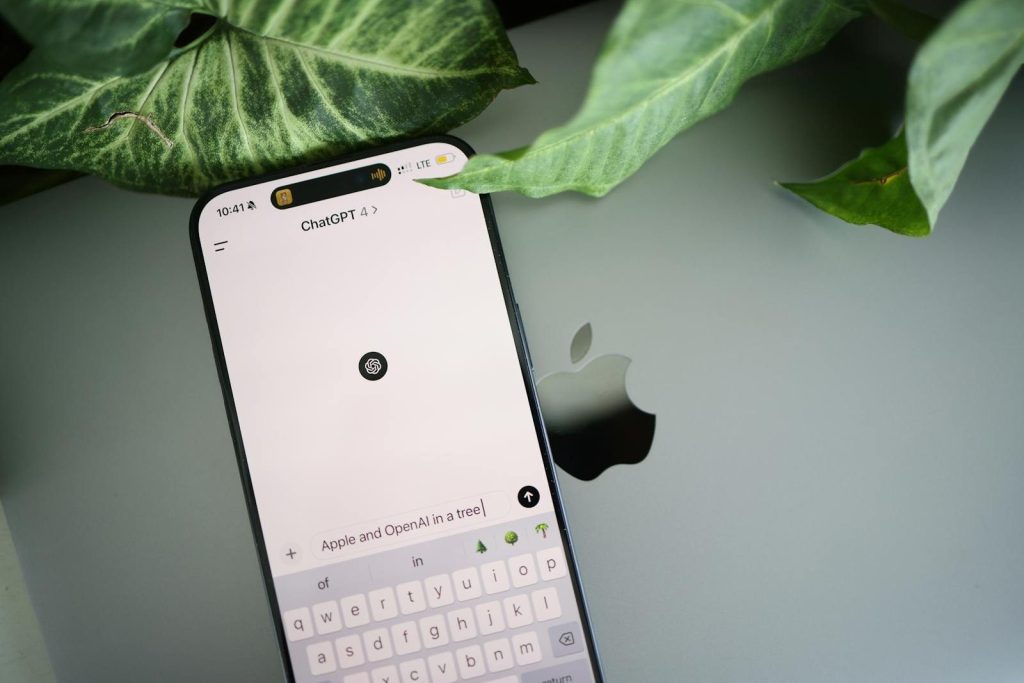
For many younger adults, ChatGPT is becoming a place to think out loud. They may use it to prepare for conversations, compare choices, or organize messy thoughts.
That does not mean AI should make every decision. But it shows how younger users are turning chatbots into private spaces where they can test ideas before acting.
Memory makes it feel useful
One reason ChatGPT can feel more personal is memory. When enabled, it can remember details from earlier chats and use that context in later conversations.
This can make responses feel more tailored. It may help with ongoing goals, projects, and planning, but users still need to be careful about what personal details they share.
Students use it for school

Reports have shown strong ChatGPT use among younger Americans, especially students. Many use it for schoolwork, studying, writing support, and understanding difficult topics.
The value often comes from speed and flexibility. Students can ask follow-up questions, request simpler explanations, or practice ideas in a way that feels more interactive than a regular search.
Workflows are changing fast

Younger users are also finding ways to connect AI with everyday productivity. They may use it for notes, schedules, summaries, brainstorming, and task planning.
For small daily jobs, that can save time. The bigger change is habit: AI is becoming part of how some people organize their day instead of just a tool they open once in a while.
Big questions still matter

Using ChatGPT for advice can be helpful for low-risk planning, but it has limits. AI can make mistakes, miss context, or sound confident when it should be cautious.
Important choices still need human judgment. For health, money, legal issues, safety, or major personal decisions, users should rely on qualified professionals and trusted people, not only a chatbot.
Privacy needs attention

Personal advice often involves personal details. That makes privacy an important part of using AI tools wisely, especially when conversations include names, problems, plans, or private documents.
Users should check settings, understand what they upload, and avoid sharing details they would not want stored or reviewed. Convenience should not come at the cost of basic caution.
Experts are still divided

Some experts see AI advice as useful when it helps people organize thoughts, practice questions, or find a starting point. Others worry about overreliance and weak boundaries.
Both points can be true. ChatGPT can be a helpful assistant, but it is not a trusted friend, doctor, counselor, lawyer, or financial planner.
The habit may keep growing
Altman compared the shift to the early smartphone era, when younger people learned new tech faster and used it in ways older users did not expect.
That same pattern may be happening with AI. For younger users, ChatGPT is becoming less like a novelty and more like a daily tool for learning, planning, and thinking through life.
Leave a Reply