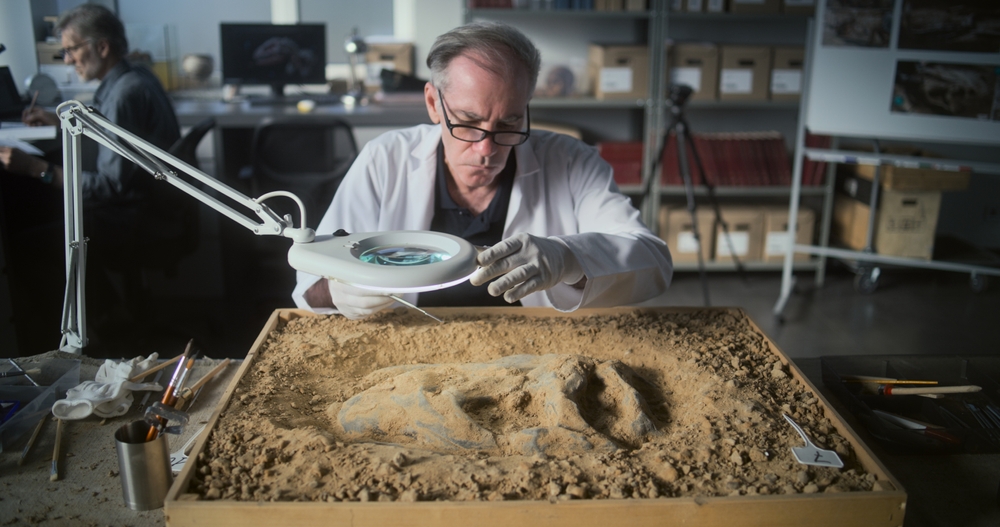
Most people assume that ancient civilizations fell apart solely due to brutal military invasions and war. We picture grand capitals burning as conquering armies marched through destroyed gates.
But advanced ancient DNA and climate data reveal a far more complex historical truth. Environmental disasters and mega-droughts forced entire populations to abandon their homes and migrate.
Ancient Bronze Age Ruins Mediterranean
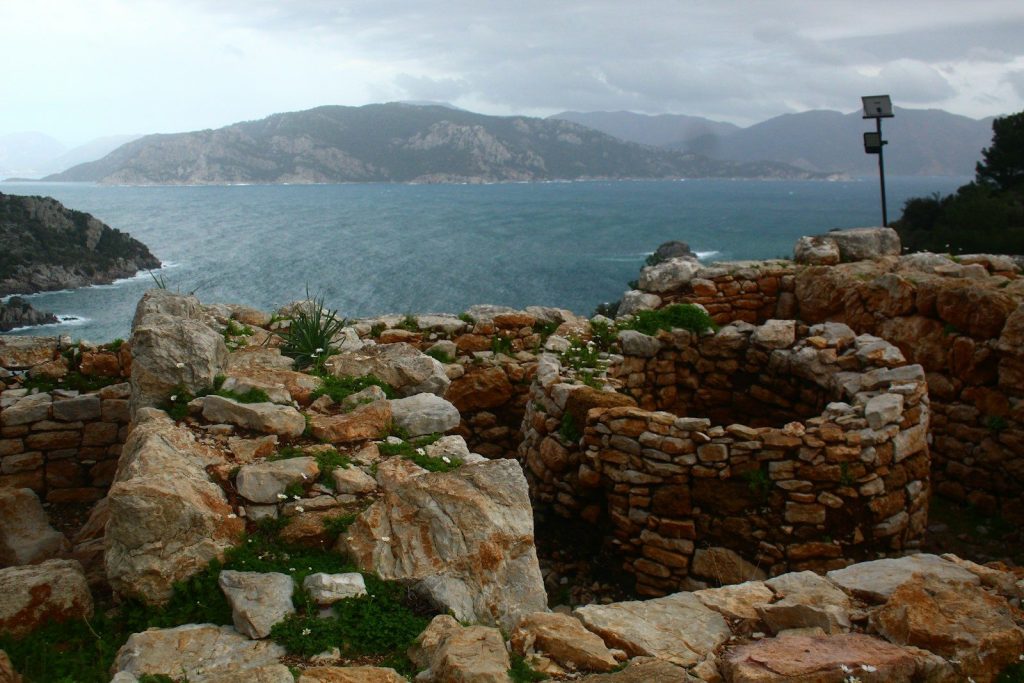
Around twelve hundred BCE, powerful empires across the Mediterranean suddenly collapsed within a single century. According to historians at Oxford University, Mycenaean Greece, the Hittites, and Egyptian trade networks failed quickly. Systems broke down. Palaces were abandoned and written record-keeping vanished for centuries. But scientists needed hard physical data to explain the sudden fall.
Fossilized Tree Rings Climate Research
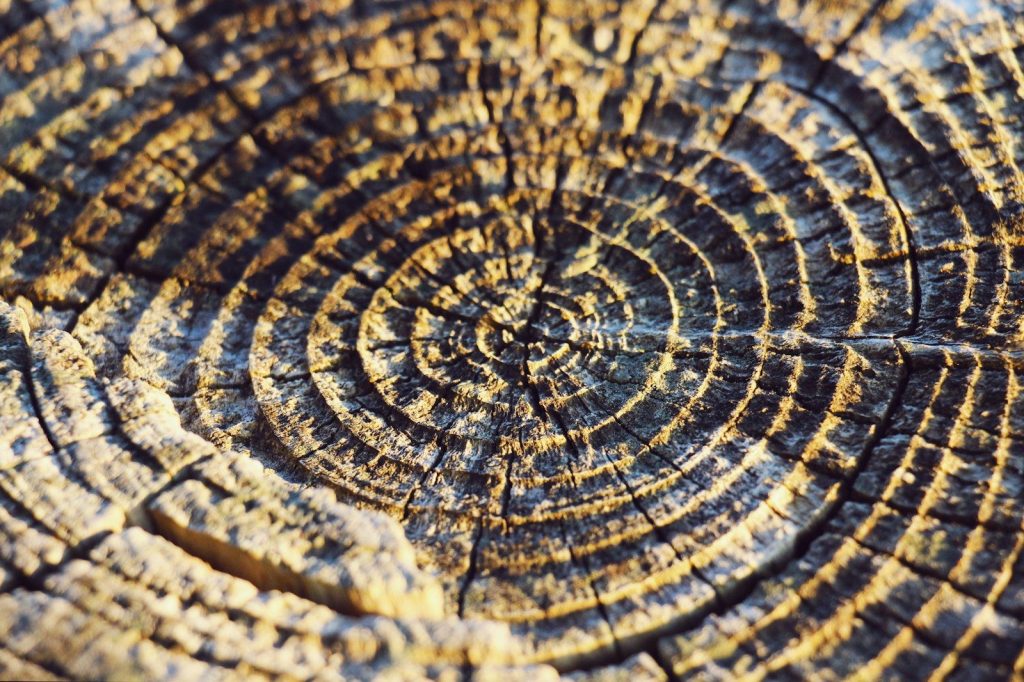
Dendrochronology studies analyze annual growth rings in fossilized wood to reconstruct past weather conditions. According to climate research from Cornell University, a severe three-year drought struck Anatolia during the collapse period. Rain simply stopped. Crops failed across multiple harvest seasons and food reserves emptied rapidly. And widespread starvation pushed populations over the edge.
Ancient DNA Human Skeleton Excavation

Geneticists extract ancient DNA from skeletons discovered in archaeological burial sites across Europe and Asia. According to genetic studies published in Nature, populations did not vanish completely from the earth. People moved instead. DNA evidence shows massive population movements as refugees resettled in safer agricultural regions. But climate was not the only driving force.
Dry Cracked Desert Soil Drought

Sediment cores pulled from Mediterranean lakebeds provide detailed chemical timelines of ancient environmental changes. According to geologists at Tel Aviv University, dry conditions persisted across the region for over three centuries. Water grew scarce. Prolonged mega-droughts disrupted trade routes and triggered social breakdown among neighboring kingdoms. And desperation sparked widespread regional conflict.
Ancient Sea Peoples Ships Attack
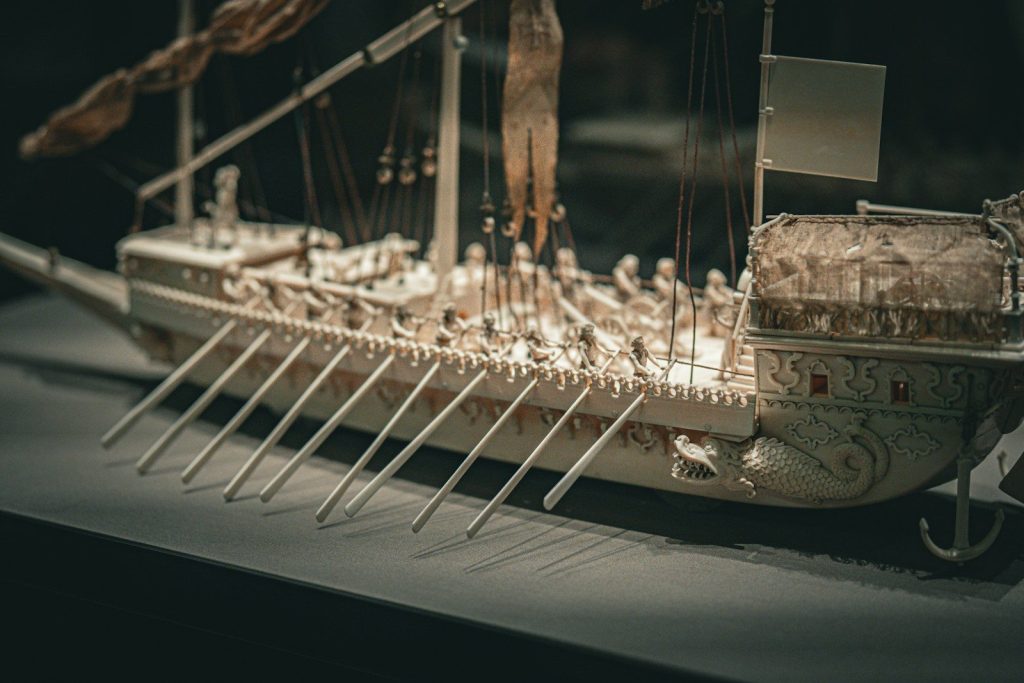
Historical inscriptions from ancient Egypt describe mysterious sea raiders attacking Mediterranean coastal cities. According to archaeological analyses from the University of Chicago, these raiders were actually climate refugees fleeing hardship. Displaced groups fought. Environmental collapse forced displaced communities to fight for remaining fertile lands. But new communities eventually rose from the ashes.
Ancient Historical Population Migration
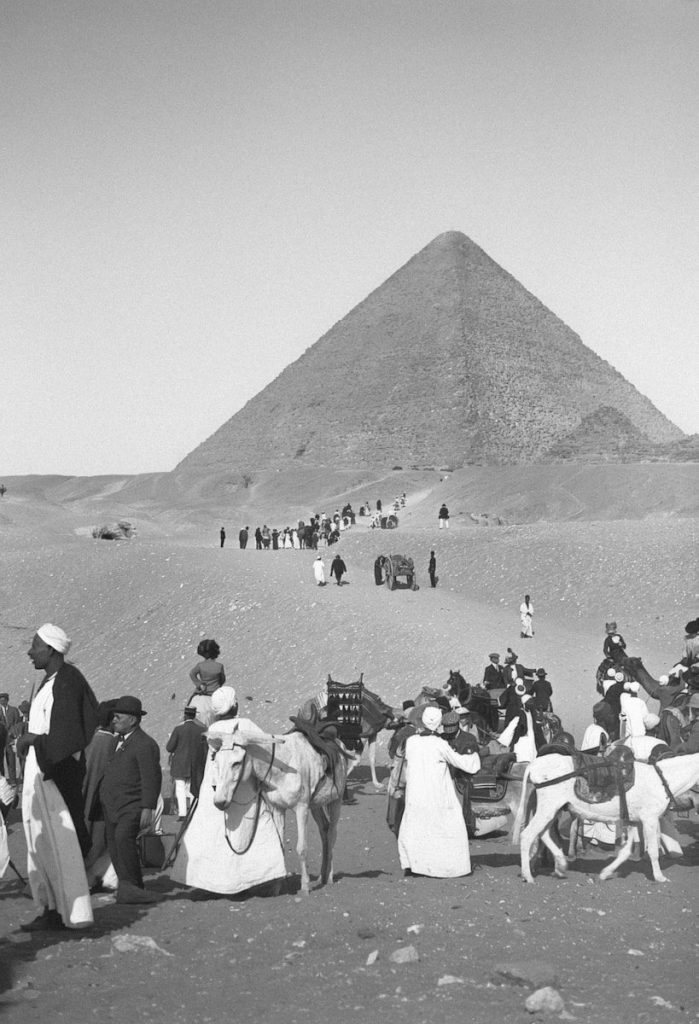
Migrating populations blended with local groups to establish new cultural centers and political systems. According to historical anthropologists, this dark age collapse paved the way for Classical Greek civilization. Society adapted well. Dispersed knowledge reemerged centuries later in newly organized city-states across the region. And modern science continues uncovering these migration routes.
Ancient Civilization Historical Adaptation
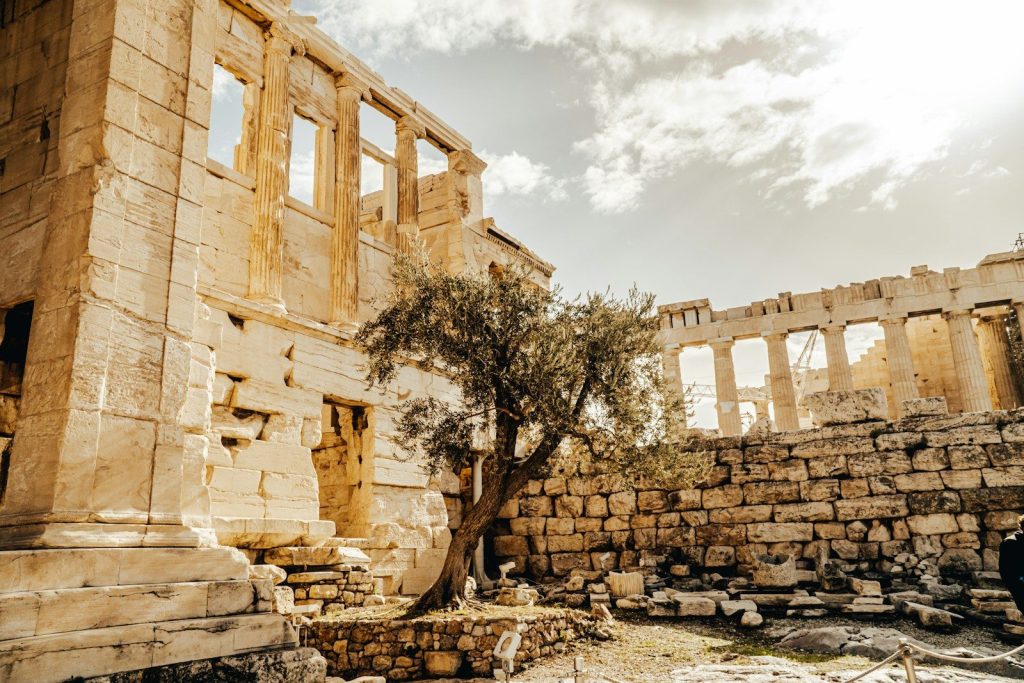
Uncovering how ancient populations responded to climate shifts offers valuable lessons for modern society. According to climate historians, human adaptability enabled our species to survive past environmental catastrophes. Adaptability ensures survival. History proves that human resilience endures even when great empires crumble. This article is for informational purposes only.
Featured Image: Shutterstock
Leave a Reply