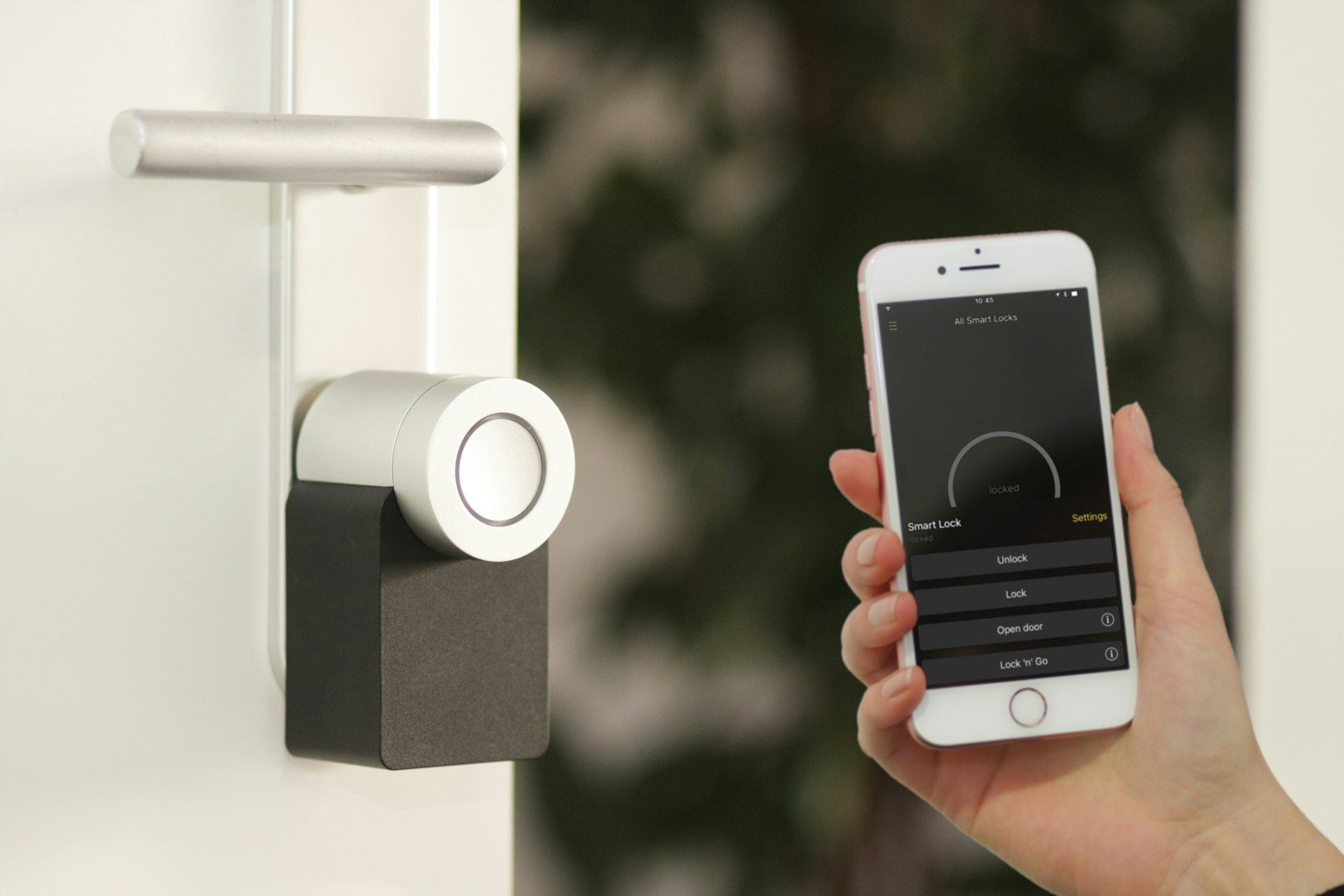
Your home is your castle, but in 2026, the walls have ears—and eyes. We have filled our houses with smart speakers, connected cameras, and even Wi-Fi-enabled refrigerators. While these gadgets make life easier, they are also the “open windows” of the digital age. Most people don’t realize that a $20 smart bulb could be the key a hacker needs to steal their bank information. Your smart home devices are often built with the cheapest possible chips and very little security.
These devices are hitting the news as the “weakest link” in personal safety. Because they are always connected to your Wi-Fi, they act as a bridge into your private life. If a criminal can hack your doorbell, they can often jump from there to your laptop or your phone. We are trading our privacy for the convenience of dimming the lights with our voice. But how exactly does a hacker turn your toaster into a spy?
The Camera That Watches You Back
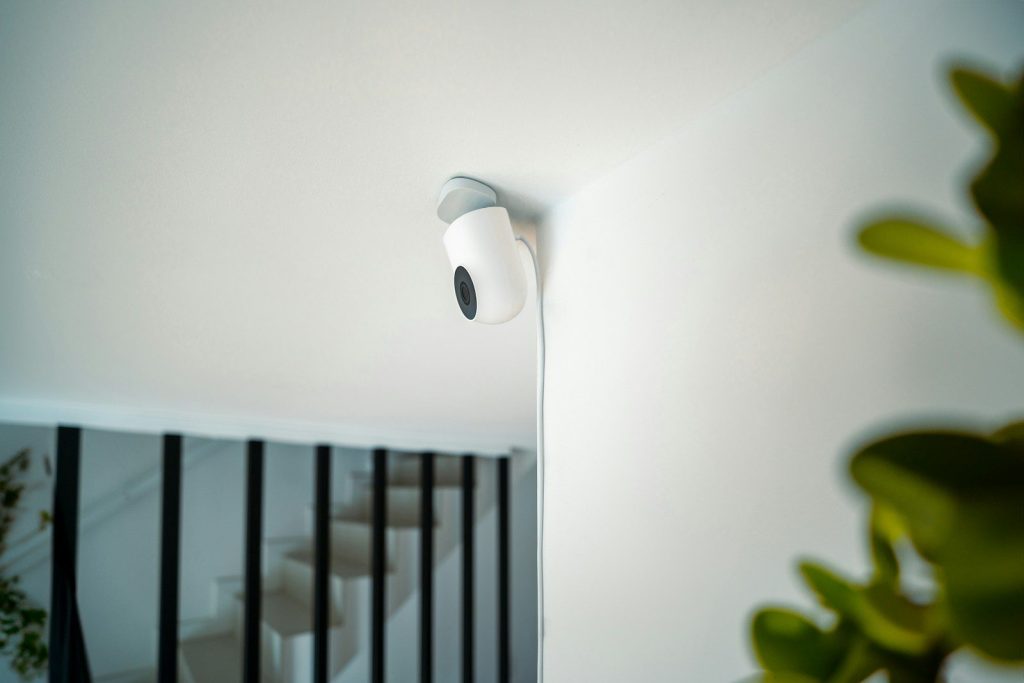
We buy indoor cameras to keep an eye on our pets or our kids. But if that camera isn’t properly secured, anyone with the right software can tune in. Hackers often scan for devices with default passwords like “admin” or “1234.” Once they are in, they can watch your daily routine and know exactly when you leave the house. It is the ultimate tool for a modern-day burglar. But the risk isn’t just about what they see; it’s about what they hear.
Smart Speakers and the Silent Listener
“Alexa, what’s the weather?” It’s a harmless question, but your smart speaker is always listening for its “wake word.” This means it is constantly processing the sounds in your room. If the company’s servers are hacked or if the device has a software glitch, your private conversations could be recorded and stored. There have been many cases where smart speakers sent private audio to the wrong contacts. Your living room secrets are now data points in a cloud. But wait until you see the danger of the “Smart Lock.”
When Your Front Door Gets Hacked
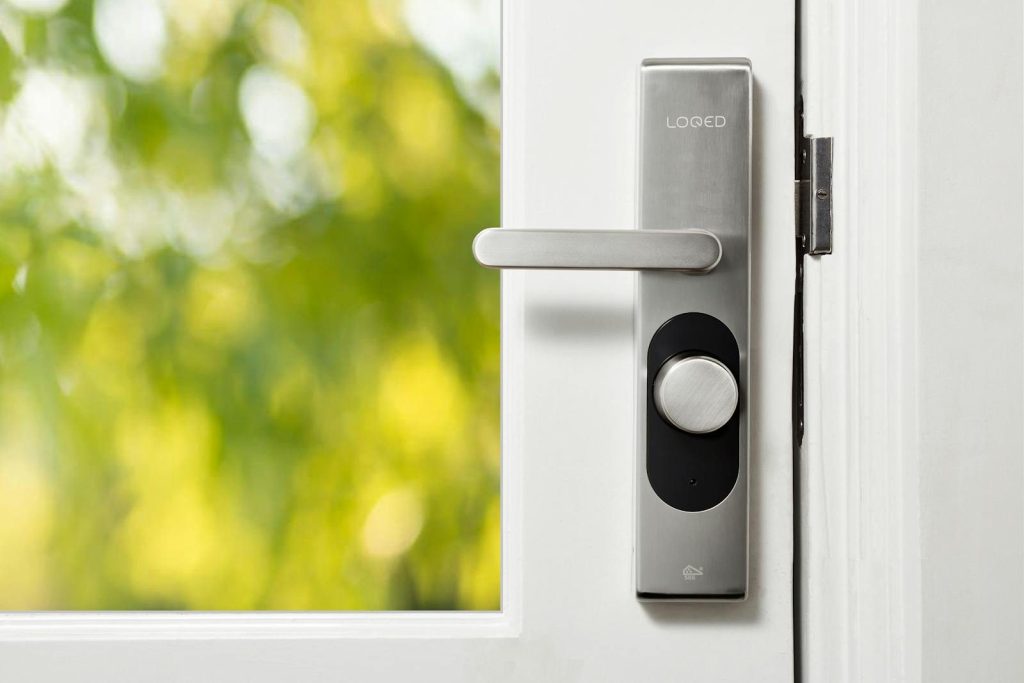
Smart locks allow you to let in the deliveryman while you are at work. However, digital locks can be picked with code instead of a crowbar. Researchers have found that many smart locks can be tricked by a simple Bluetooth signal. Once the hacker “spoofs” your phone’s ID, the door pops open as if you were standing right there. It is a terrifying realization that your physical safety depends on a software update. But even your appliances are playing the game.
The Refrigerator That Steals Your Passwords
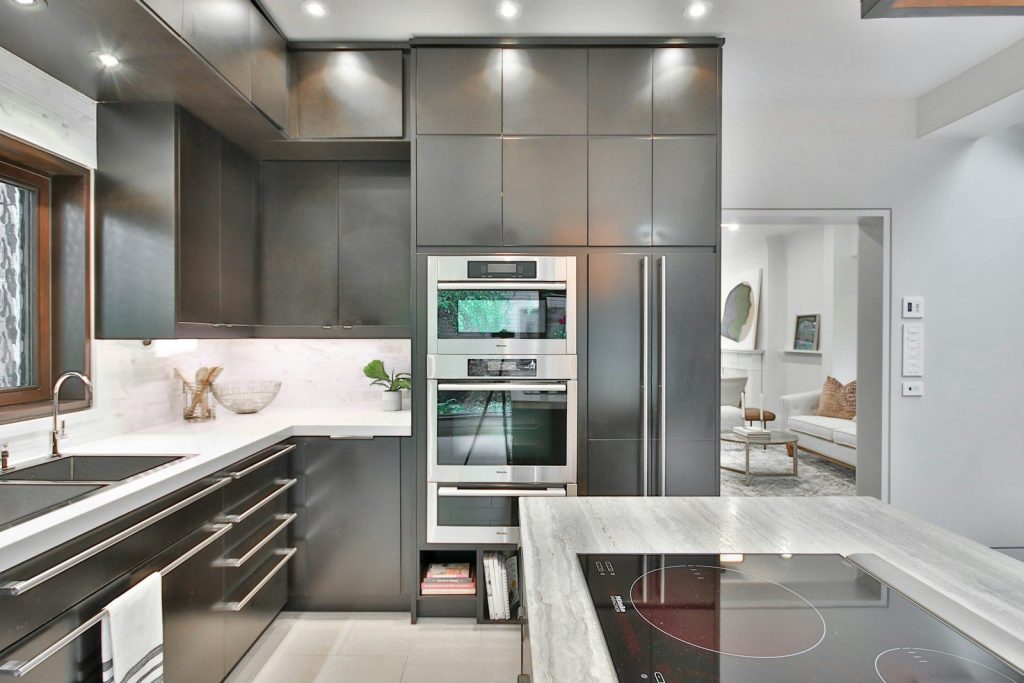
Why does a fridge need to be on the internet? Usually, it’s to help you keep a grocery list. But because these appliances have very weak security, they are often used as “zombie” devices. Hackers take over thousands of smart fridges to send out spam emails or launch attacks on government websites. Even worse, if you use the fridge to check your email, your login details are stored on an unencrypted drive. Your kitchen is the new front line of cyber-warfare.
Outdated Firmware is a Digital Virus
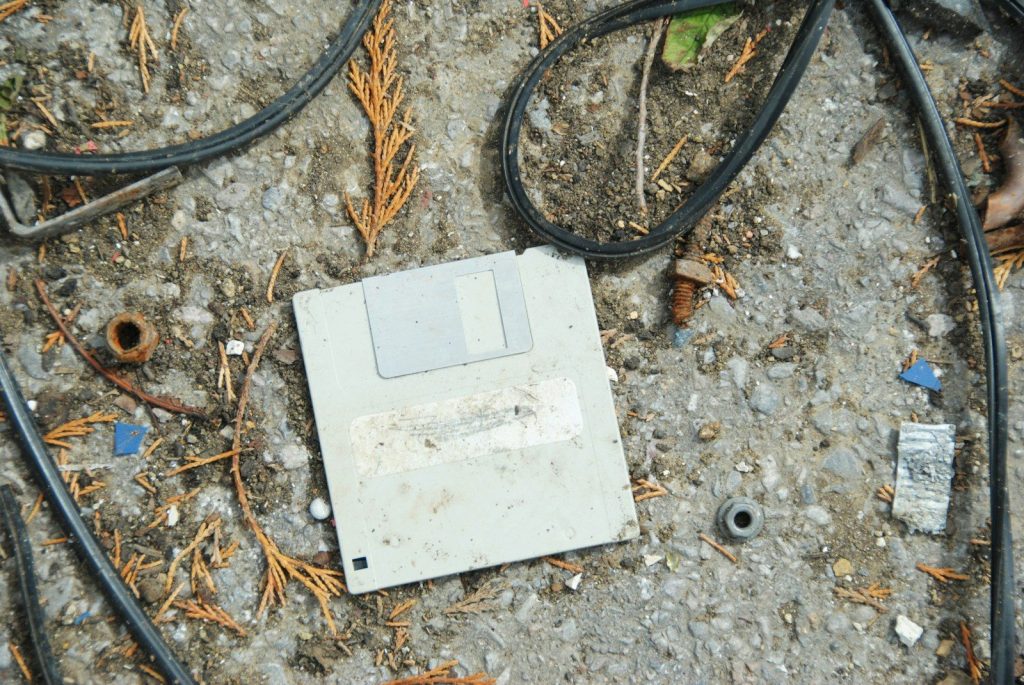
When you buy a smart device, the software inside it is called firmware. Unlike your phone, which updates automatically, many smart gadgets stay on the same software for years. This makes them easy targets for old hacking tricks. If you haven’t updated your smart thermostat in a year, you are essentially leaving your digital front door wide open. We are building a world of “set it and forget it” tech that becomes more dangerous every day. But who is actually collecting all this data?
The Invisible Map of Your Life
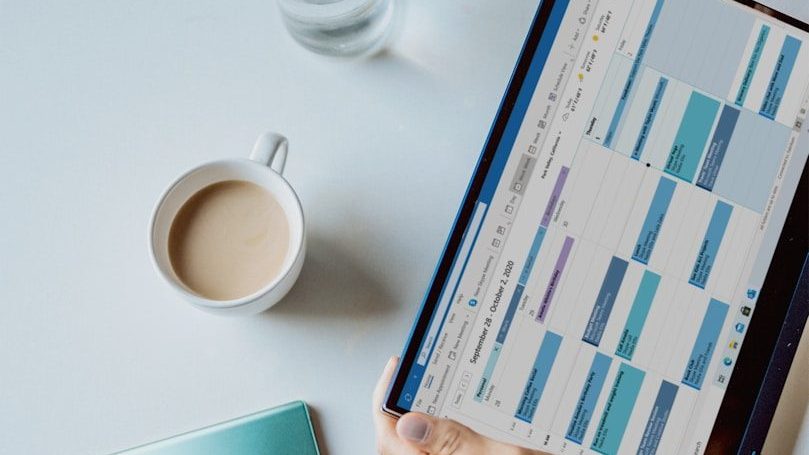
Every time you turn on a smart light or adjust the temperature, a data packet is sent to a server. Over time, this creates a perfect map of your habits. Tech companies know exactly when you wake up, when you eat, and how often you are home. This data is sold to advertisers who use it to target you with scary precision. You aren’t just the user of these devices; you are the product. But there is a way to take your house back.
How to Secure Your Digital Castle
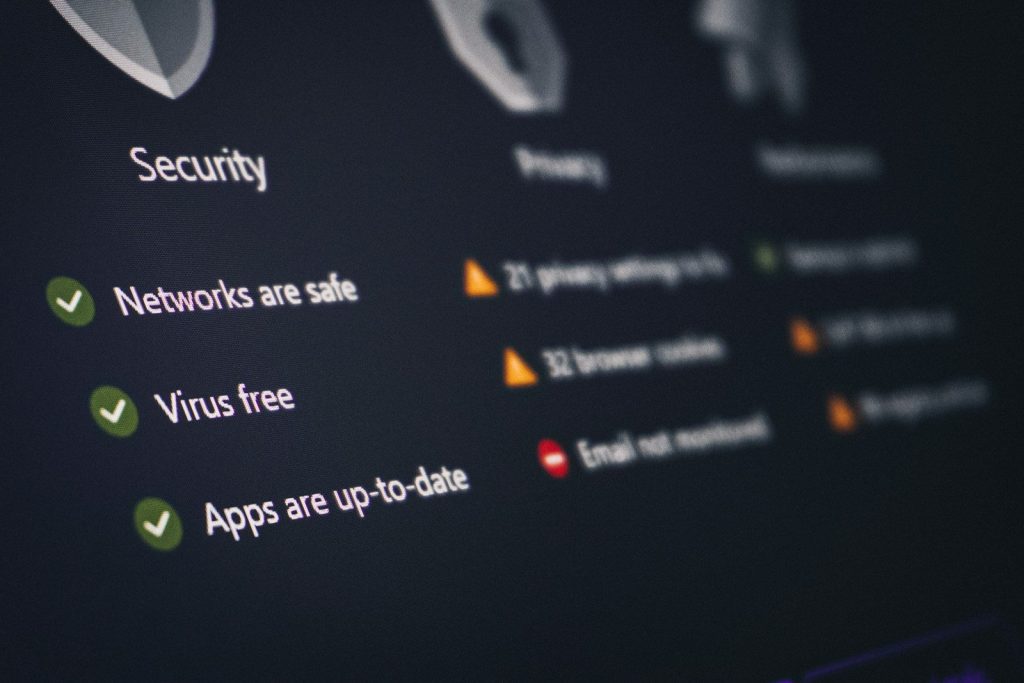
Protecting your smart home doesn’t mean throwing away your gadgets. It means being smart about how you use them. Step one is creating a separate Wi-Fi network just for your devices. This keeps a hacked light bulb from seeing your laptop. Step two is changing every password from the factory default. It takes ten minutes, but it could save you a lifetime of headaches. As we build the future, we have to remember that a “smart” home is only as good as its defense. But is the universe also hiding its own secrets from us?
Featured Image: Photo by Sebastian Scholz (Nuki) on Unsplash
Leave a Reply