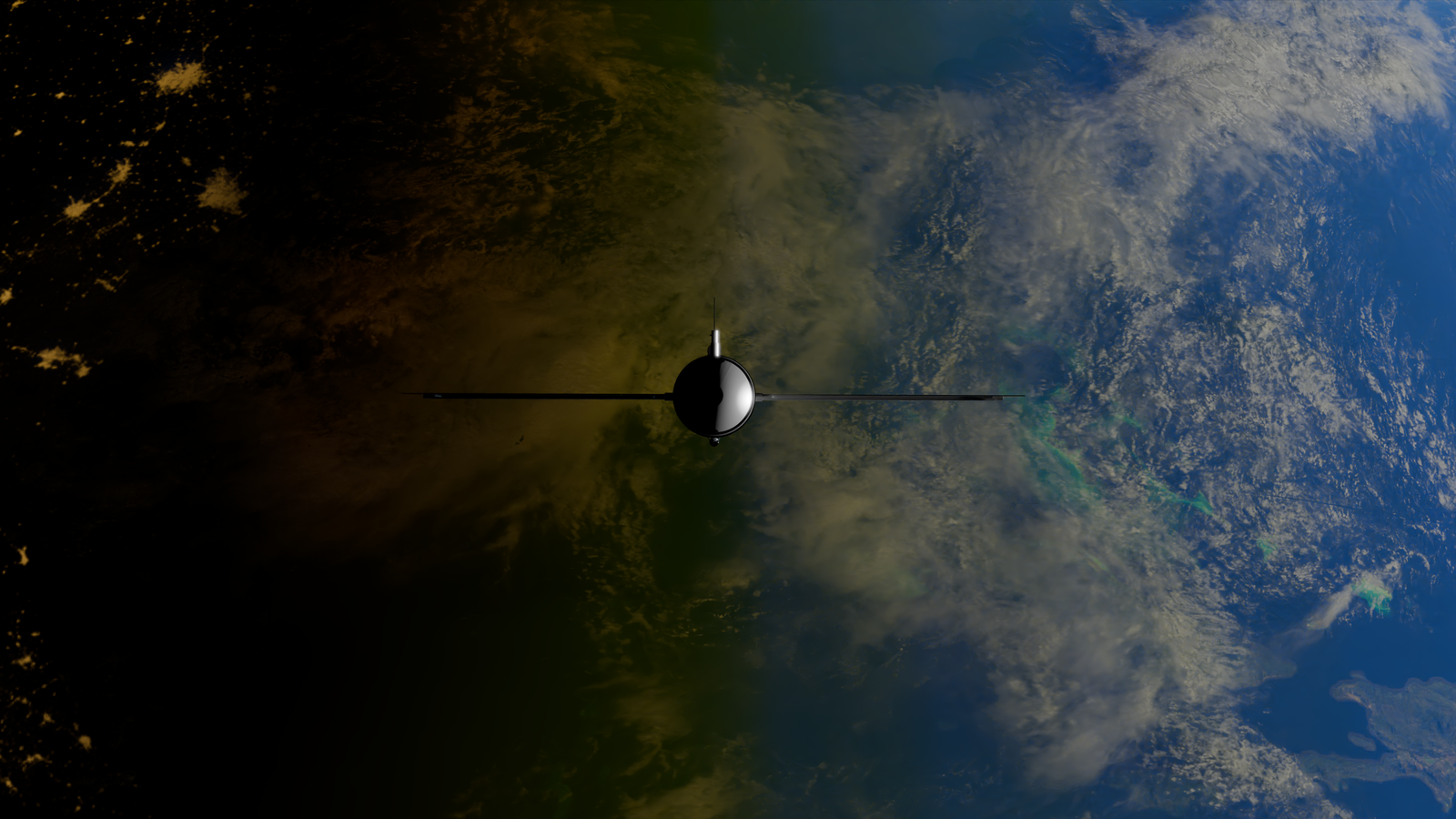
During the Apollo 10 mission in May 1969, astronauts Thomas Stafford, John Young and Eugene Cernan heard a rising and falling whistle through their communications equipment. They were orbiting the Moon’s far side, temporarily beyond radio contact with Earth. The sound was real and was captured by the spacecraft’s onboard recording system, but it was not sound traveling through the lunar vacuum.
Apollo 10 Was Practicing for the First Landing
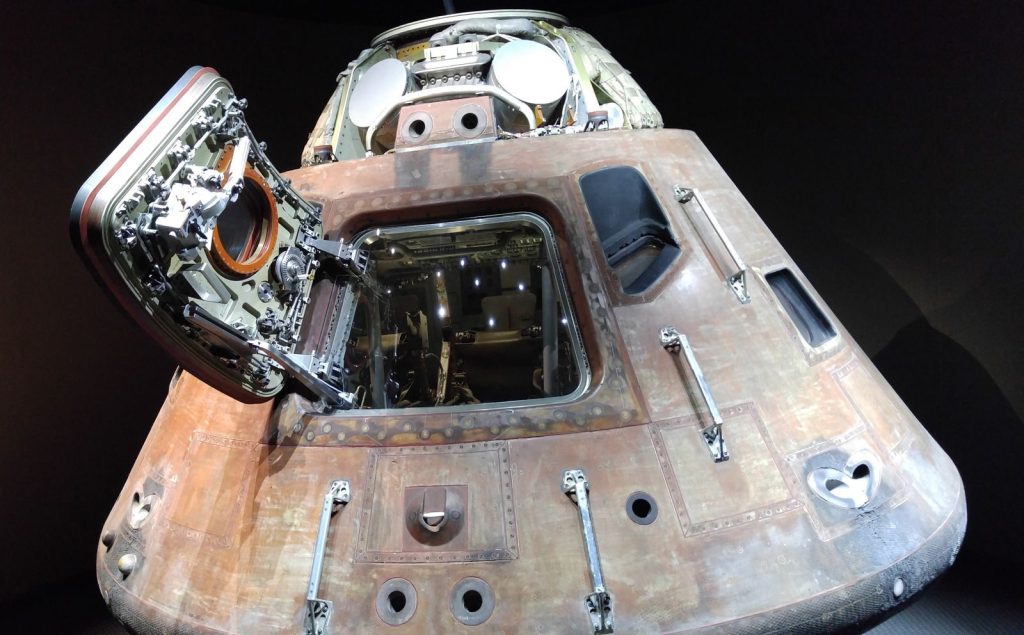
Apollo 10 served as the final full-scale rehearsal for Apollo 11. The crew separated the command module from the lunar module, flew the lander close to the Moon’s surface and later rejoined the two spacecraft. The unusual sound appeared while the modules were operating separately, each using its own radios and communications equipment.
The Astronauts Called It “Weird Music”
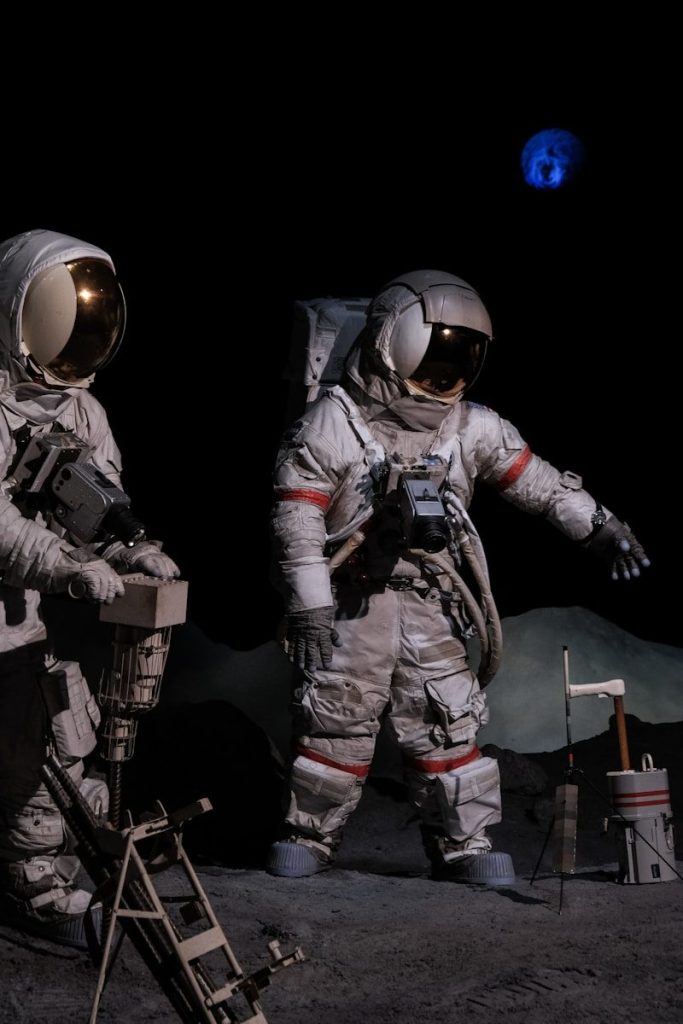
The mission transcript records John Young asking about a whistling sound. Cernan responded that it sounded like “weird music” and later compared it with something from outer space. The description was informal rather than a claim that they had detected an intelligent signal. Their conversation shows curiosity and surprise, not a conclusion about aliens or an unknown lunar phenomenon.
The Moon Had Cut Off Earth’s Signals
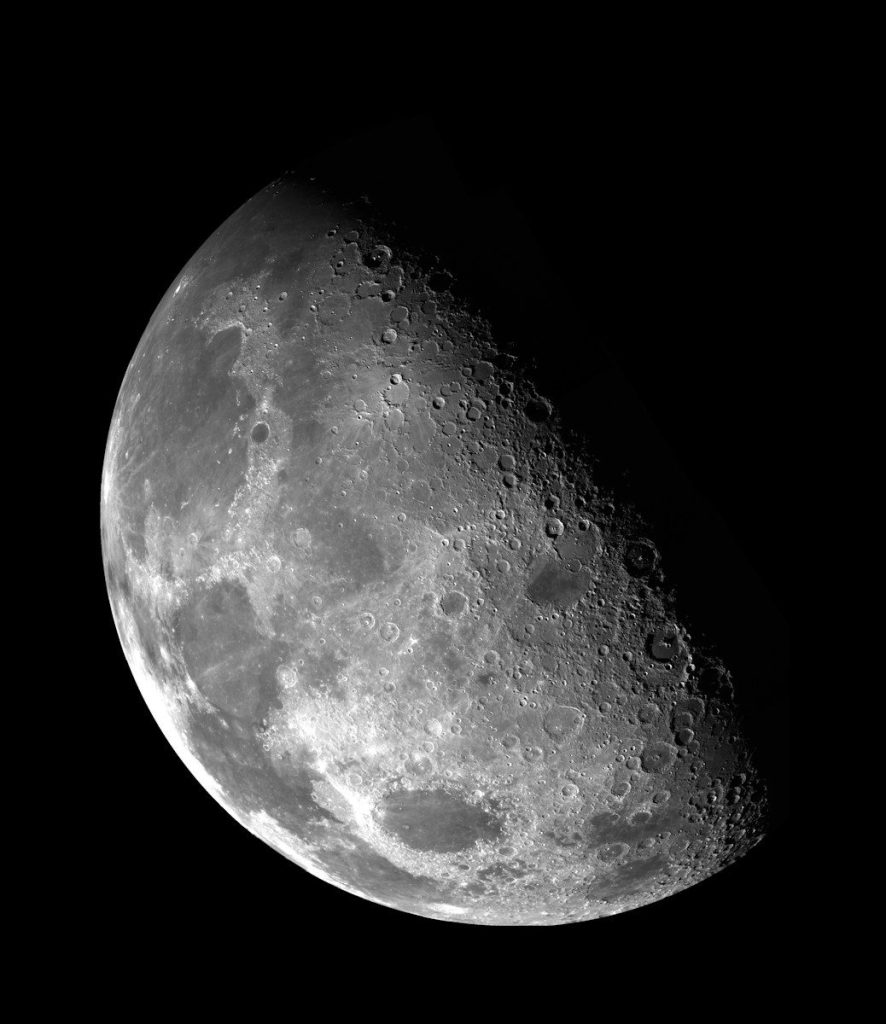
The Moon’s bulk blocked direct transmissions from Earth while Apollo 10 crossed the far side. This made the environment unusually radio-quiet in one sense, but the spacecraft still contained transmitters, receivers, antennas and electrical systems capable of producing interference. The noise reached the astronauts through their headsets, meaning it was an electronic signal rather than an acoustic sound originating outside the spacecraft.
Two Radio Systems Could Interfere
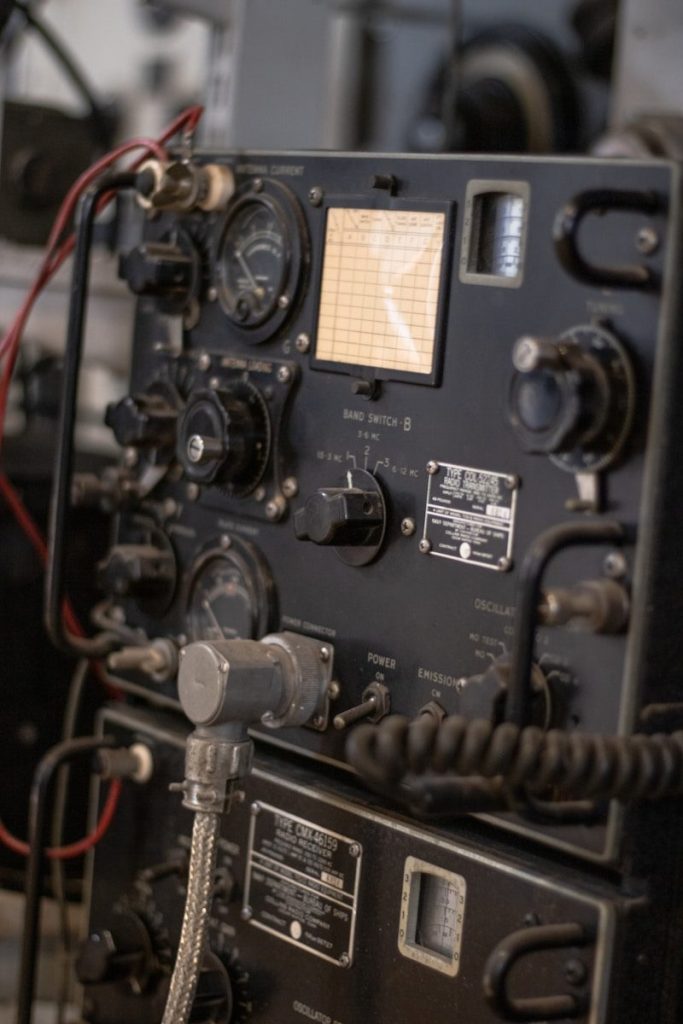
Apollo 10 was the first lunar mission to operate two crewed spacecraft separately near the Moon. The command module and lunar module used different communications systems, creating opportunities for signals to interact or generate cross-talk. Radio interference remains the strongest ordinary explanation for the whistle, although engineers did not later recreate every detail of the event in a dedicated experiment.
Space Itself Was Not Producing Music
Sound waves require matter, such as air or water, through which vibrations can travel. The near-vacuum around the Moon cannot carry audible music directly to an astronaut. Radio waves, however, can travel through space and be converted into sound by a headset. The crew therefore heard something generated or received by their communications equipment, not a melody echoing across the lunar landscape.
NASA Did Not Bury the Recording for Decades
Later retellings claimed that the incident remained secretly classified until 2016. The cockpit-recording transcripts were declassified in 1976, and related materials had been available to researchers long before the story became popular online. The renewed attention followed digitization and a television program, not the sudden exposure of a suppressed alien encounter.
Cernan Did Not Regard It as a Serious Mystery
The transcript shows the crew briefly wondering whether they should mention the sound. Years later, Cernan said the incident had not concerned him enough to take seriously. He explained that the astronauts would have reported it clearly had they believed it represented something more significant than routine communications interference.
The Best Explanation Is Less Mysterious
The precise combination of radio signals that created the whistle was not documented beyond all doubt. Nevertheless, the circumstances strongly support an electronic origin inside or between the two Apollo spacecraft. The sound remains an interesting piece of mission history, but it is not evidence of lunar activity, extraterrestrial communication, or an unexplained force operating around the Moon.
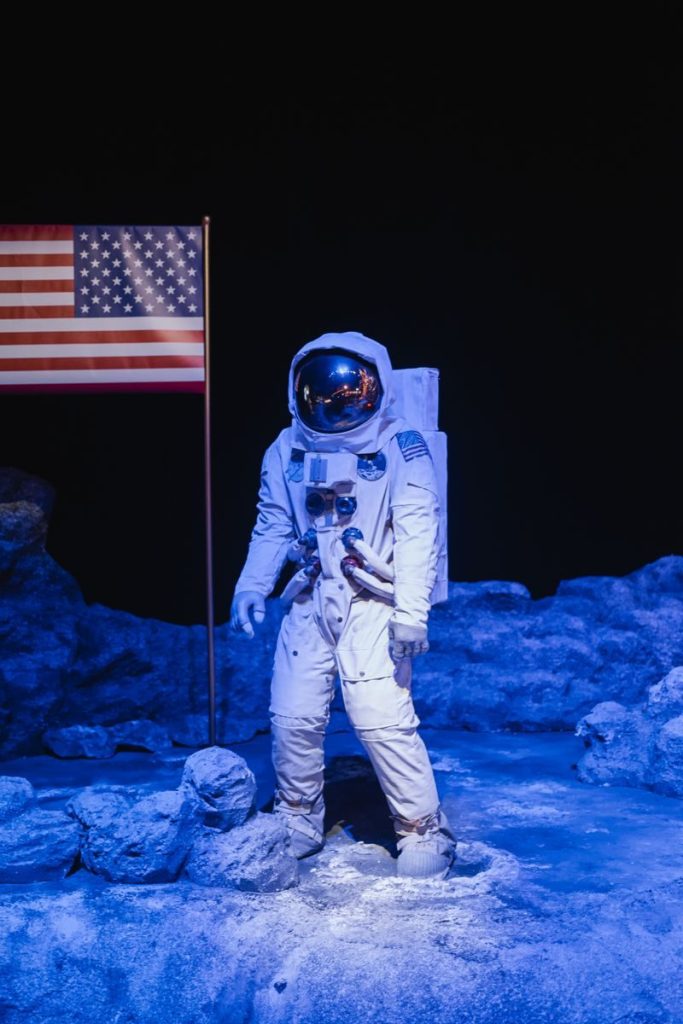
Featured Image: Photo by Zelch Csaba on Pexels
Leave a Reply