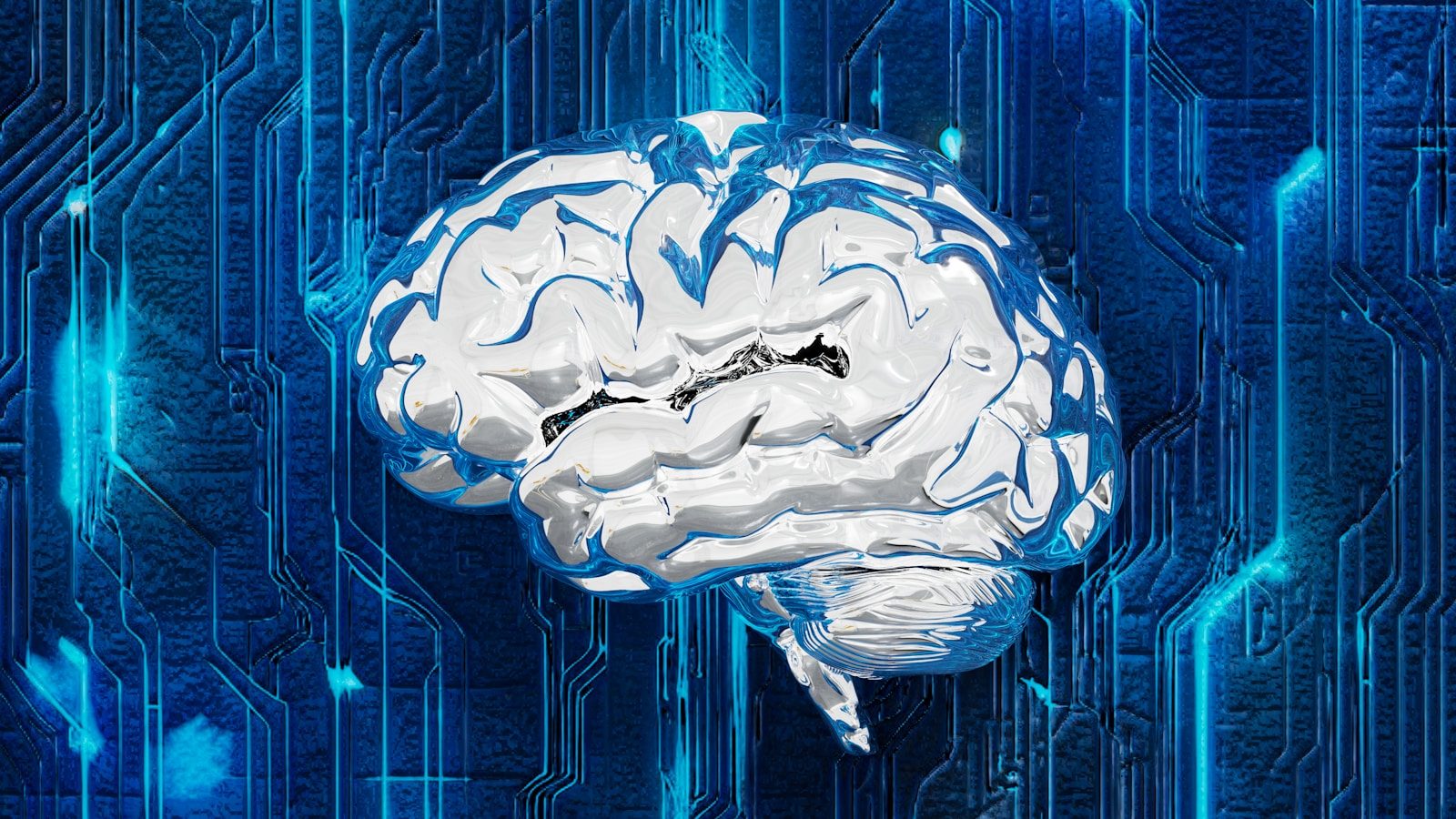
Human memory is notoriously unreliable. We forget names, lose our keys, and blur the details of our own history. But in 2026, a new technology known as “Memory Offloading” is making the natural brain look like outdated hardware. Scientists have developed a “Neural Bypass” that allows you to store your memories on an external cloud drive. It sounds like science fiction, but the first human trials are already showing 100 percent recall accuracy.
This isn’t just about remembering your grocery list. It is about capturing every second of your life in high-definition data. We are entering an era where you can “scroll” through your past just like you scroll through a social media feed. The barrier between biological thought and digital storage has finally been smashed. But as we start to rely on external drives for our thoughts, people are asking a terrifying question: what happens to the person you used to be?
An External Hard Drive for the Mind
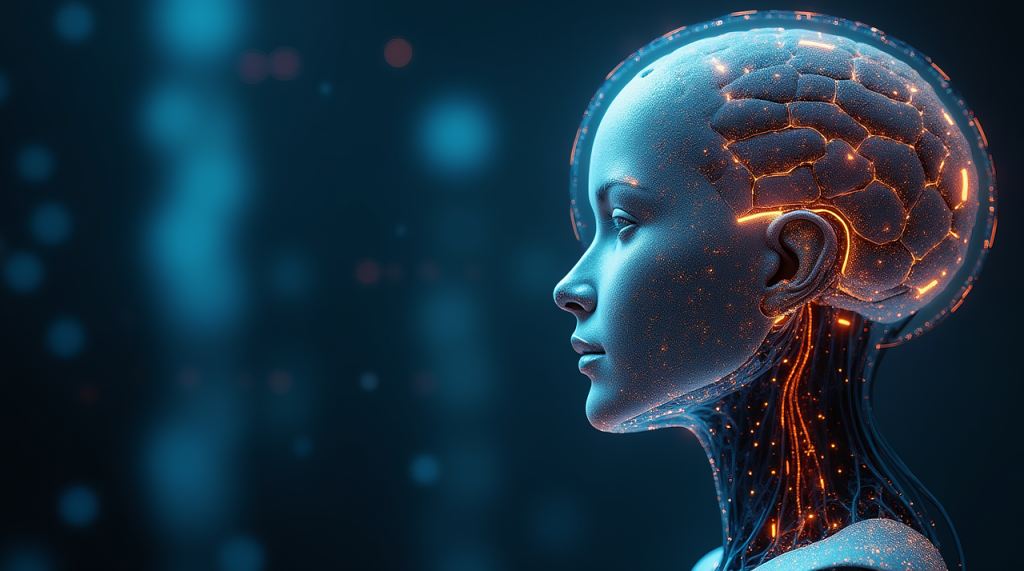
The technology uses a “Neural Mesh” that sits on the surface of the brain. It records the electrical patterns created when you form a new memory. This data is then encrypted and sent wirelessly to a secure “Personal Memory Cloud.” If you ever forget a detail, your brain can “request” the data back from the cloud, and it appears in your mind as a vivid thought. It is the ultimate upgrade for the human experience. But this breakthrough was actually designed for a much more tragic reason.
Ending the Nightmare of Alzheimer’s Disease

The primary goal of memory offloading is to fight dementia and Alzheimer’s. By “backing up” a patient’s memories early on, doctors can feed those thoughts back into the brain even as the biological tissue begins to fail. It allows people to stay “themselves” for much longer. Families are already using the 2026 prototypes to keep their loved ones connected to their history. It is a miracle of modern medicine that is giving hope to millions. But wait until you see how students are using this tech.
Instant Learning and Skill Uploading
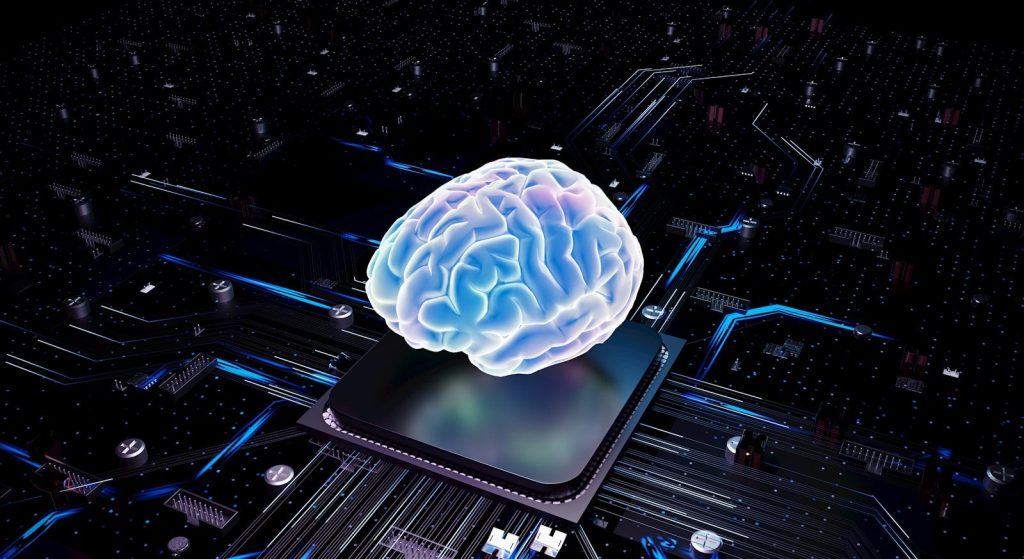
If you can offload memories, can you also “upload” them? Researchers have found that they can transfer the “muscle memory” of a master pianist or a surgeon into the memory cloud. A student could theoretically download the “memory” of how to play a song or perform a task in seconds. We are looking at the death of traditional education. Instead of years of practice, we are talking about seconds of data transfer. But this raises a massive security risk that no one was prepared for.
The Danger of Hackable Thoughts
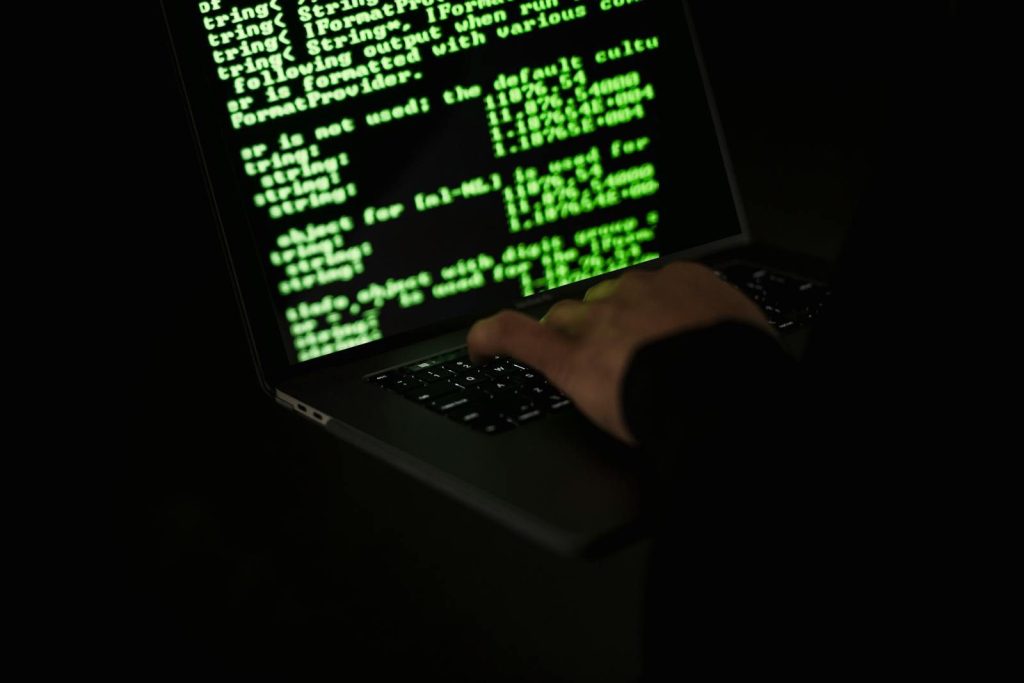
If your memories are on a cloud, can they be stolen? Cybersecurity experts are warning about “Memory Hijacking,” where hackers could access your private thoughts or even “edit” your past. Imagine waking up with a memory of a crime you never committed or a family you never had. The 2026 security protocols are incredibly strict, but the risk remains. We are trading our privacy for a perfect mind. But the tech is moving even further into “Digital Twins.”
Living Forever in a Digital Box
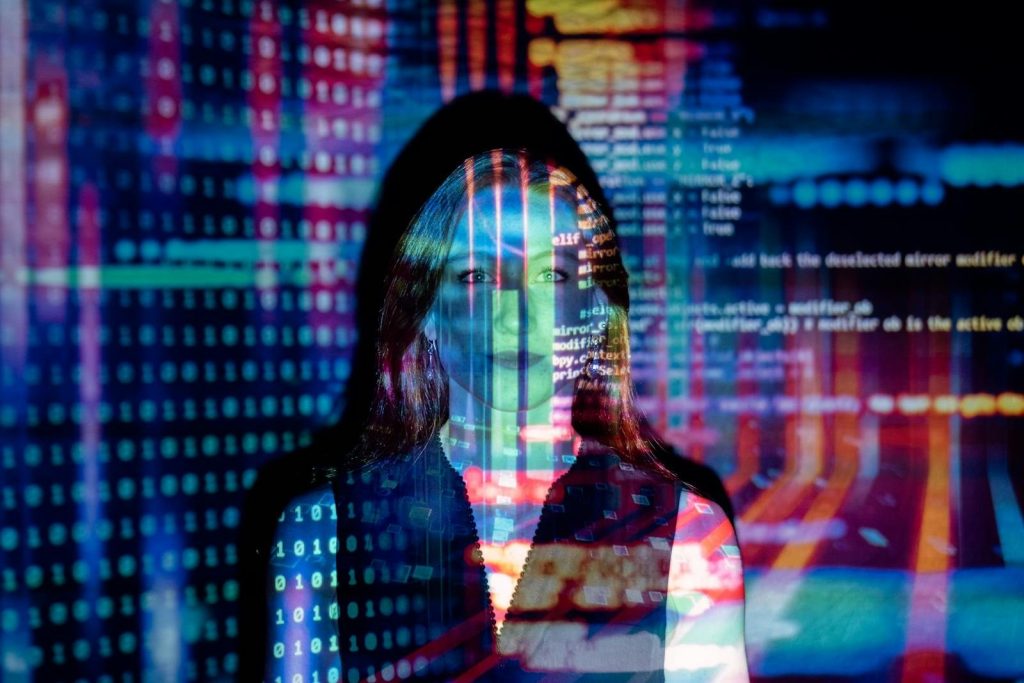
By offloading an entire life’s worth of memories, scientists can create a “Digital Twin” of a person’s consciousness. This digital version can think and react exactly like a human. Some companies are already offering services that let you “talk” to a deceased relative based on their memory backups. It is the beginning of a world where death is no longer the end of a conversation. But does a digital copy actually have a soul?
The Philosophical Crisis of 2026
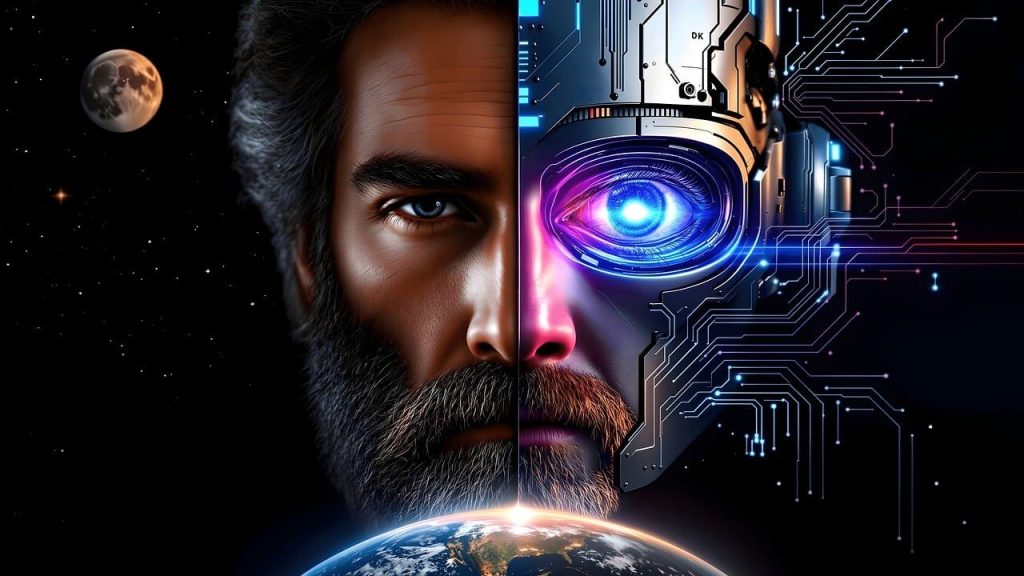
Philosophers are debating whether a person who offloads 90 percent of their brain is still “human.” If our identity is just a collection of data, then what makes us special? The 2026 reality is forcing us to redefine the concept of the “soul” and “self.” We are becoming a hybrid species, half-meat and half-machine. It is a high-speed evolution that we cannot slow down. But while we worry about our souls, our doctors are looking at a new type of silk.
The Final Verdict on Memory Tech
Memory offloading is no longer a dream; it is a product. Within the next decade, it will likely be as common as having a smartphone. We are standing on the edge of a new era of human intelligence where forgetfulness is a choice. The only thing left to decide is how much of our biological mystery we are willing to give up for digital perfection. Are you ready for a world that never forgets anything?
Featured Image: Photo by Ecliptic Graphic on Unsplash
Leave a Reply