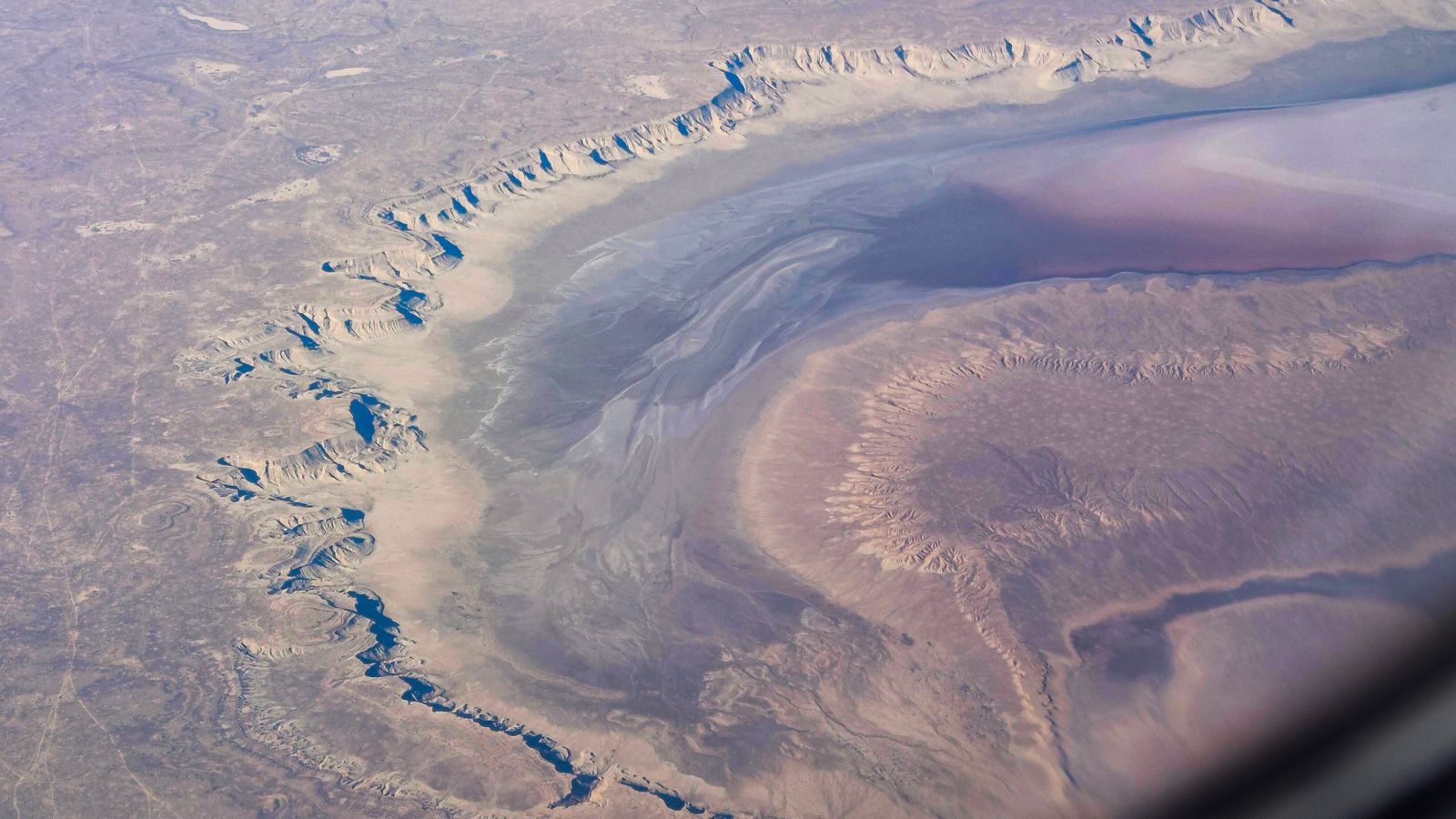
Most people assume that the continents under our feet are completely solid and stable. We believe that the boundaries of our landmasses only change over hundreds of millions of years.
But a massive tear opening in the African desert is defying these expectations. This growing chasm is actively tearing a continent apart to form a brand new ocean.
A Continent Pulling Apart
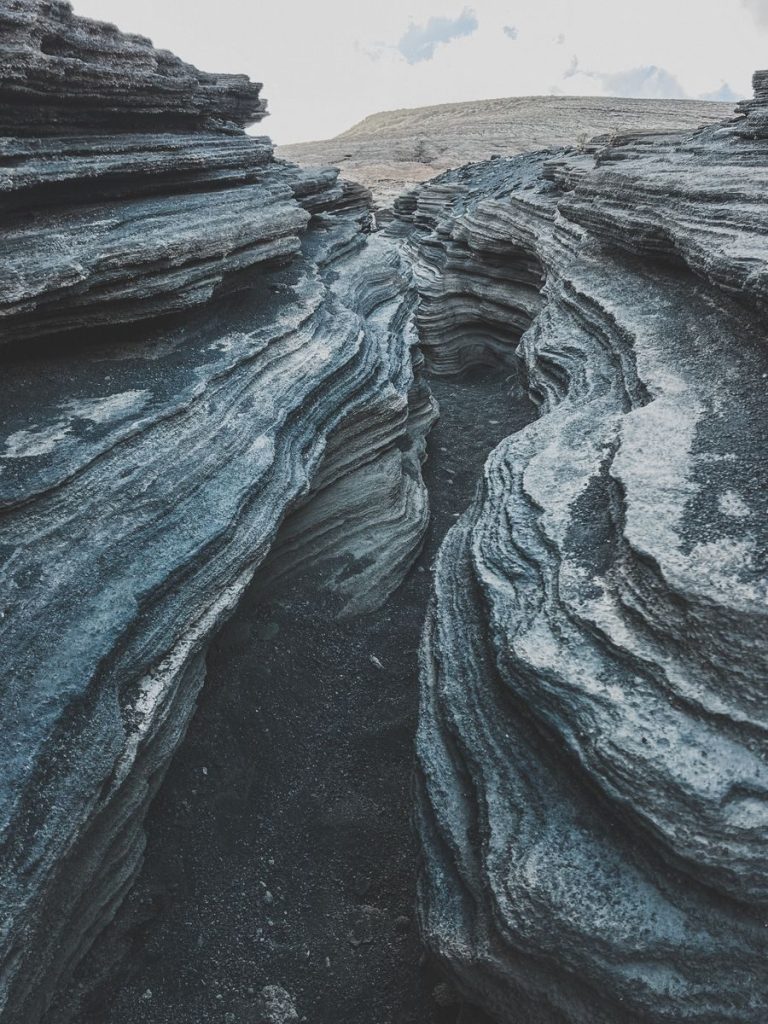
The desert landscape of Ethiopia is currently experiencing an unprecedented geological event. A massive fissure has split the earth wide open over several miles. According to geophysicists at the University of Leeds, three tectonic plates are slowly moving away from one another. It is happening now. The dramatic birth of this canyon happened almost overnight.
The Sudden Desert Rift
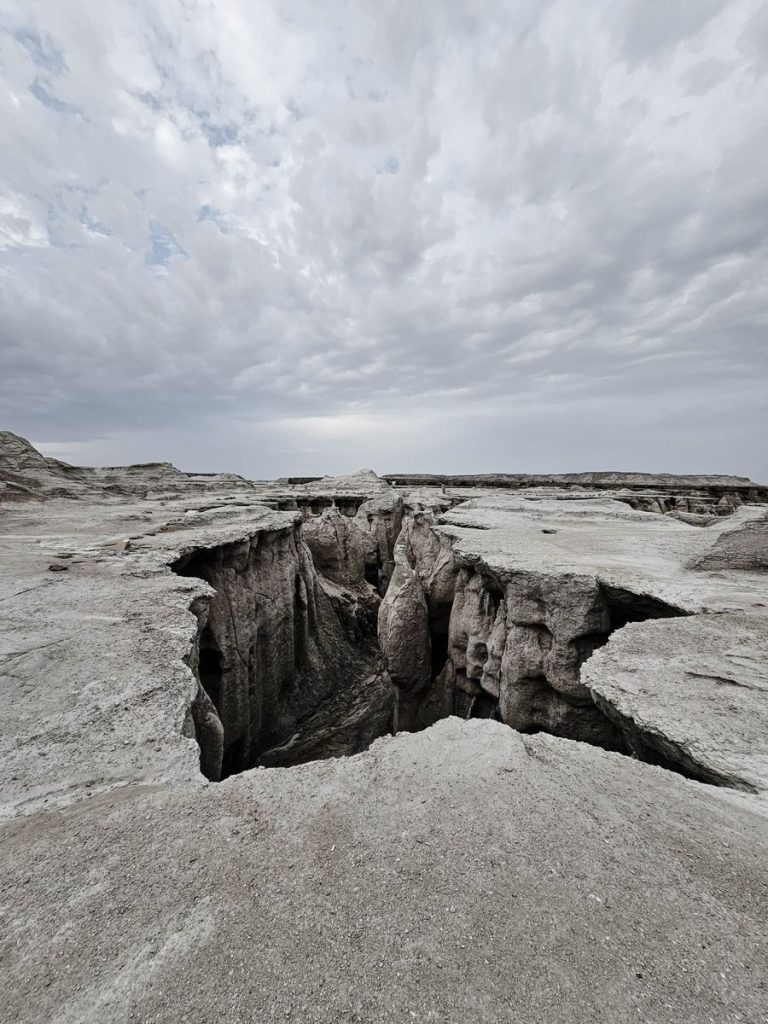
In late September of 2005, a series of powerful volcanic eruptions triggered a massive underground shift. A gigantic thirty-five-mile crack suddenly appeared across the arid Afar region. According to reports from the Ethiopian Institute of Biodiversity, the earth literally opened up to engulf entire livestock herds. The ground shook violently. Deep molten forces are driving this continental separation.
Magma Rising From Below
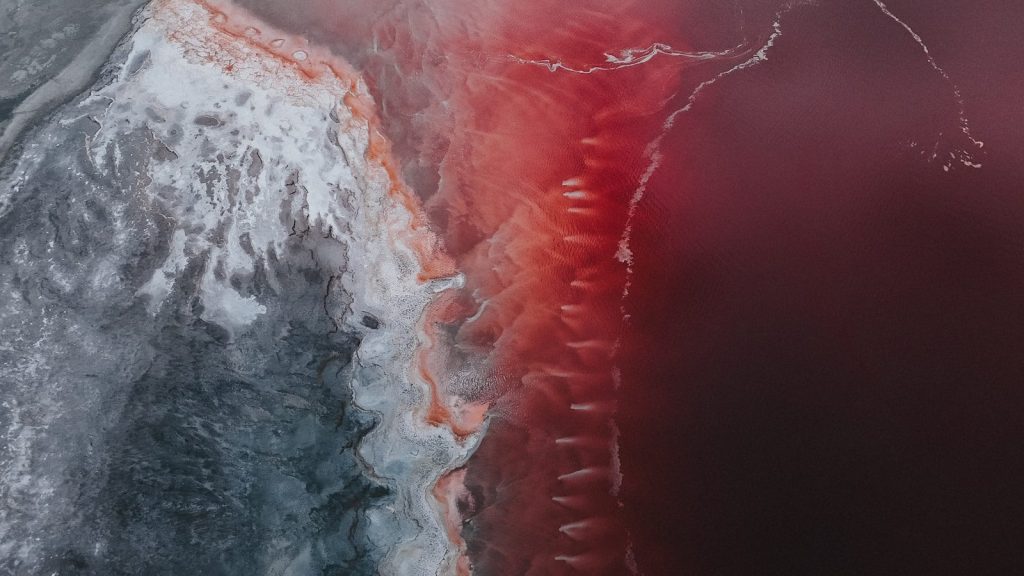
Beneath the surface of this dry desert, massive plumes of magma are rising from the Earth’s core. This intense pressure pushes the crust upward until it cracks and stretches. According to researchers at the University of Addis Ababa, this hot rock acts like a wedge, driving the tectonic plates apart. The heat is immense. This widening tear is paving the way for a brand new sea.
Creating A New Ocean
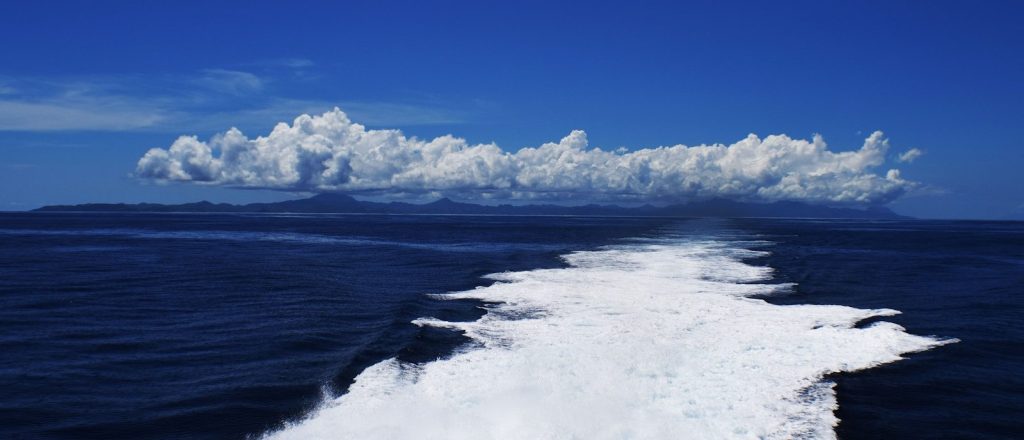
As the continent continues to divide, the Red Sea and the Gulf of Aden will eventually rush into the widening gap. This watery invasion will create a massive new body of water. According to geological models published in the journal Geophysical Research Letters, this new ocean will split Africa in two. This takes millions. The unique geography of the Afar depression makes this study possible.
The Ultimate Geological Lab
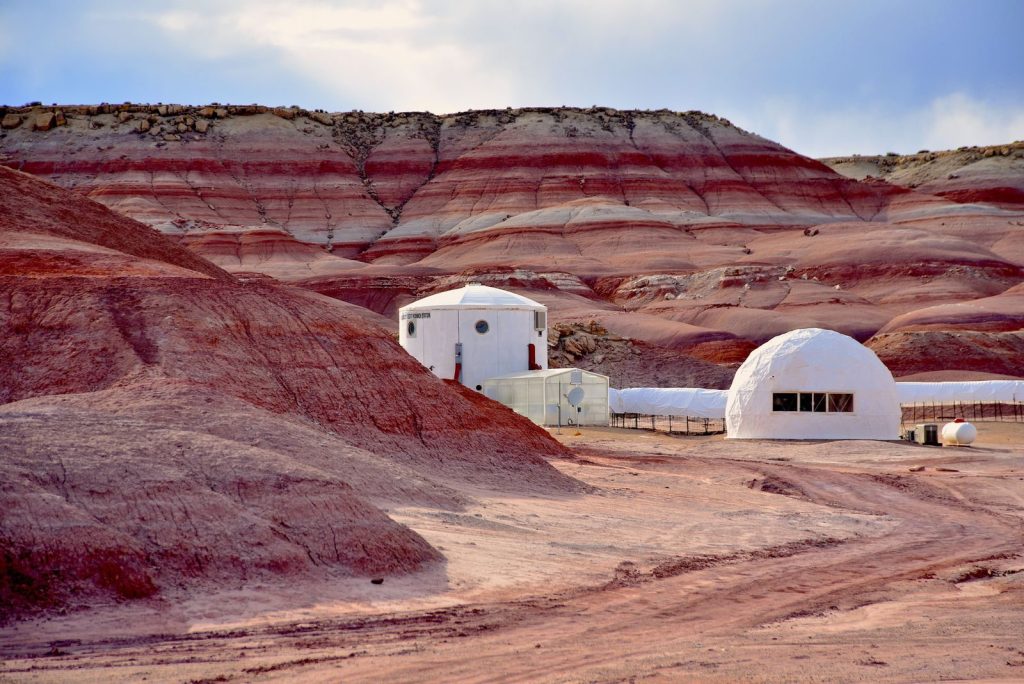
Nowhere else on Earth does a young mid-ocean rift sit entirely above sea level. This dry exposure allows geologists to study ocean formation without diving. According to reports from the National Science Foundation, researchers can directly walk across the forming seafloor boundaries. The land is harsh. Satellites are tracking every inch of this slow movement.
Watching From Orbit Above
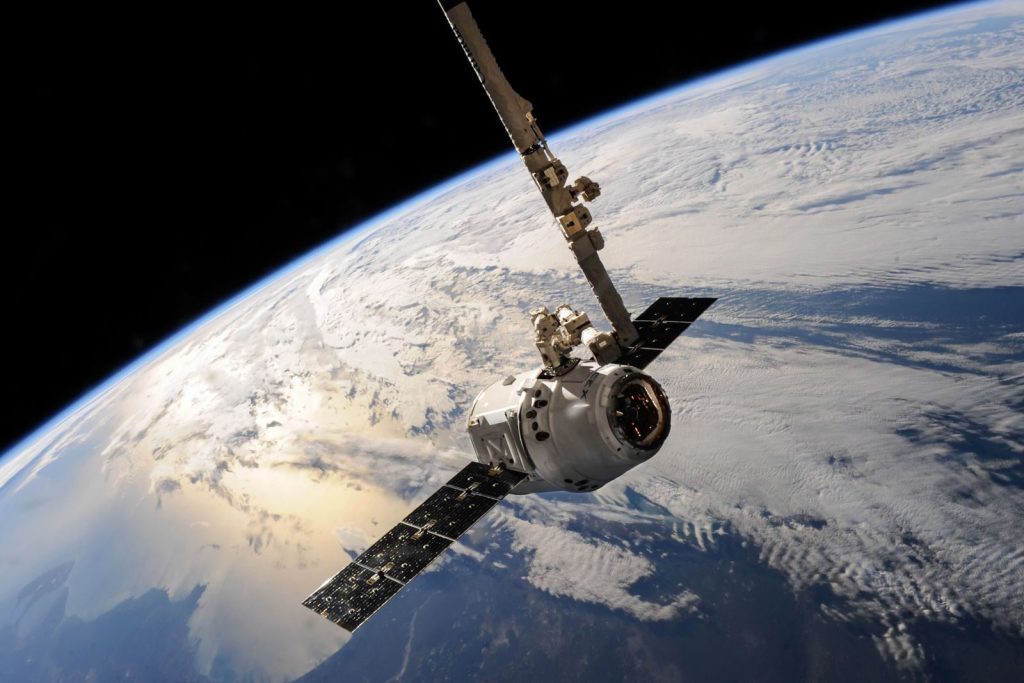
Advanced satellite technology monitors this growing geological fracture with incredible precision. Scientists track the continental division down to the millimeter. According to data from the European Space Agency, radar sensors show the rift widening by nearly an inch every year. They monitor everything. Local communities are facing an uncertain geological future.
Shifting Borders And Landscapes
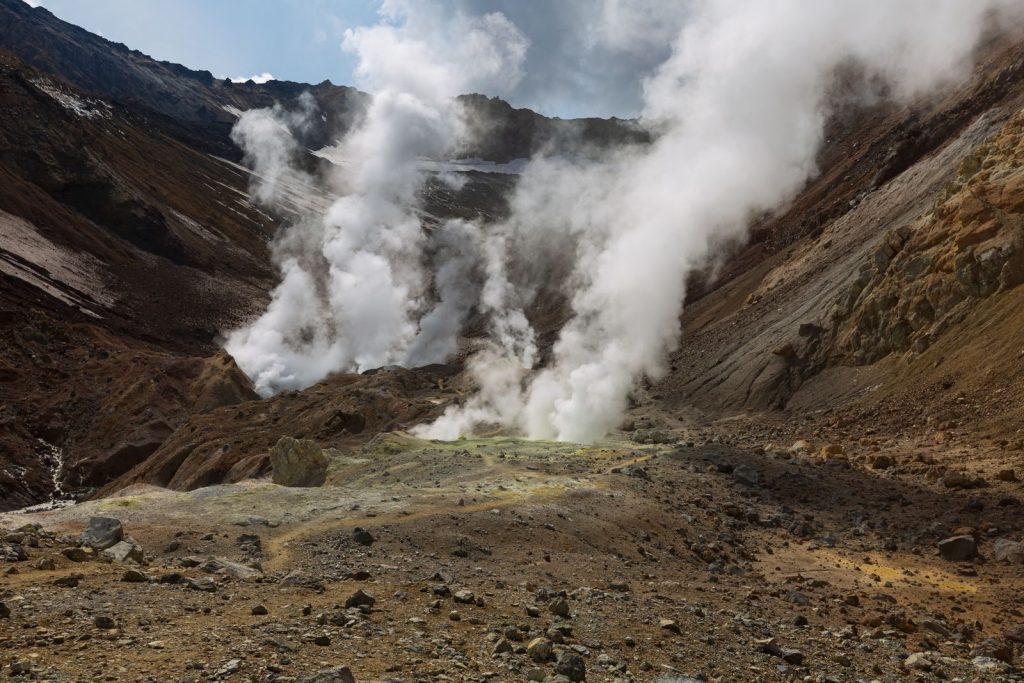
The relentless tearing of the land is already changing the local climate and topography. Frequent earthquakes and volcanic vents alter the pathways of ancient rivers and valleys. According to environmental geologists, these transformations could disrupt farming and grazing patterns in the coming decades. Safety is a concern. This active continental divide highlights the true power of our planet.
A Changing World Map
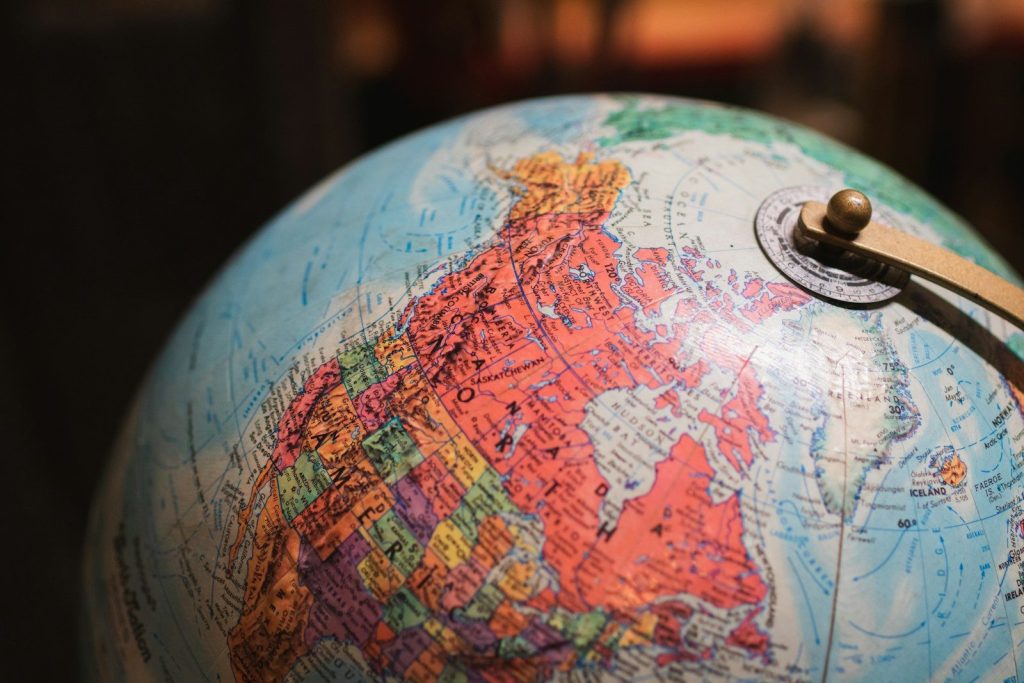
According to earth scientists, the epic rift in Ethiopia offers a rare front-row seat to the planet’s dynamic lifecycle. It proves that the Earth is a living, changing system that continues to reshape itself over geologic time. Our continents are never truly permanent. This article is for informational purposes only.
Featured Image: Photo by Alexander Gluschenko on Pexels
Leave a Reply