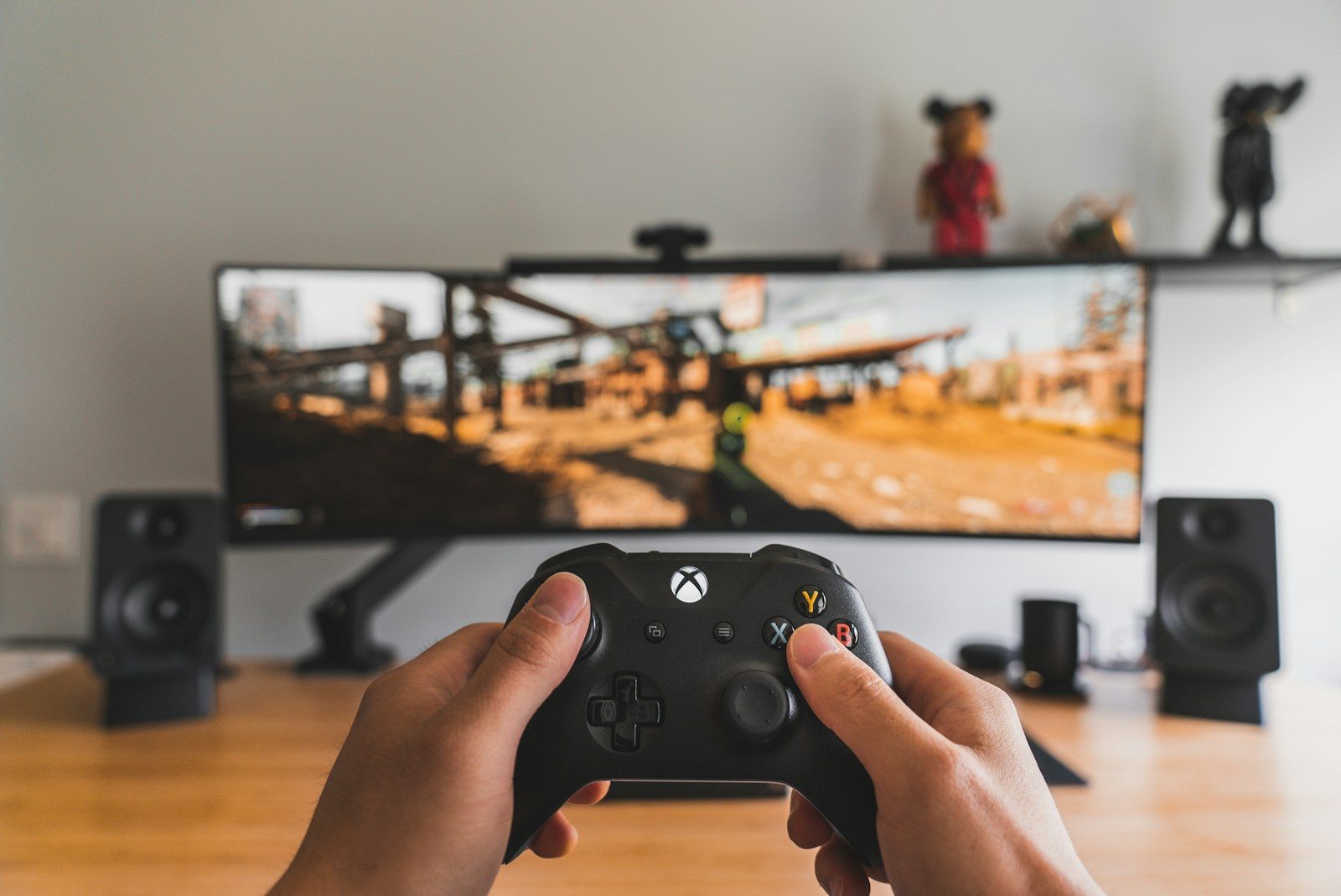
Xbox no longer looks tied to one box under the TV. Microsoft is building a wider gaming setup where console, PC, cloud, handheld play, and Windows all connect more closely. That shift is showing up in real products like the ROG Xbox Ally handhelds, which combine Xbox features with Windows freedom and access to multiple PC storefronts.
The bigger message is simple: Xbox wants players to keep their games, progress, friends, and identity moving across devices. Microsoft has also confirmed Project Helix, its next-generation Xbox console, is in development with AMD and is designed to play both Xbox console and PC games.
Xbox is thinking beyond one box
For years, Xbox hardware mostly meant a console in the living room. That idea is changing. Microsoft is now talking about Xbox as a platform that can follow players across console, PC, mobile, cloud, and handheld devices.
That does not mean the console is going away. Microsoft still calls console the foundation of the Xbox experience. But the future looks less locked to one screen and more built around choice.
Handhelds change the picture
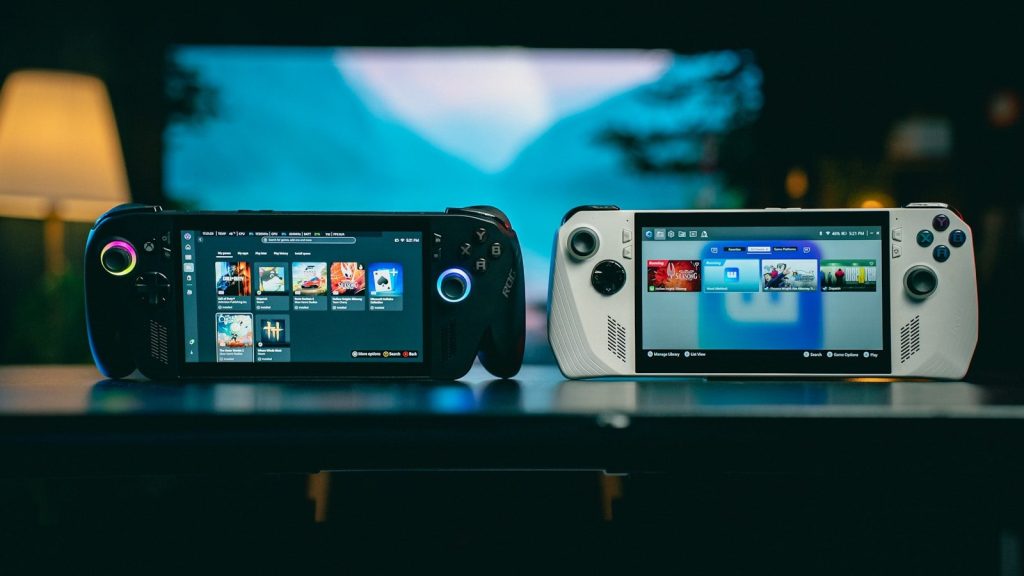
The ROG Xbox Ally and ROG Xbox Ally X are a clear sign of this shift. Built with ASUS, these handhelds mix Xbox features with Windows, giving players another way to play away from the couch.
That matters because handheld gaming is no longer a side idea. Xbox is treating it like part of the main experience. Players can play native games, use the cloud, or stream from their Xbox console at home.
Windows opens more doors
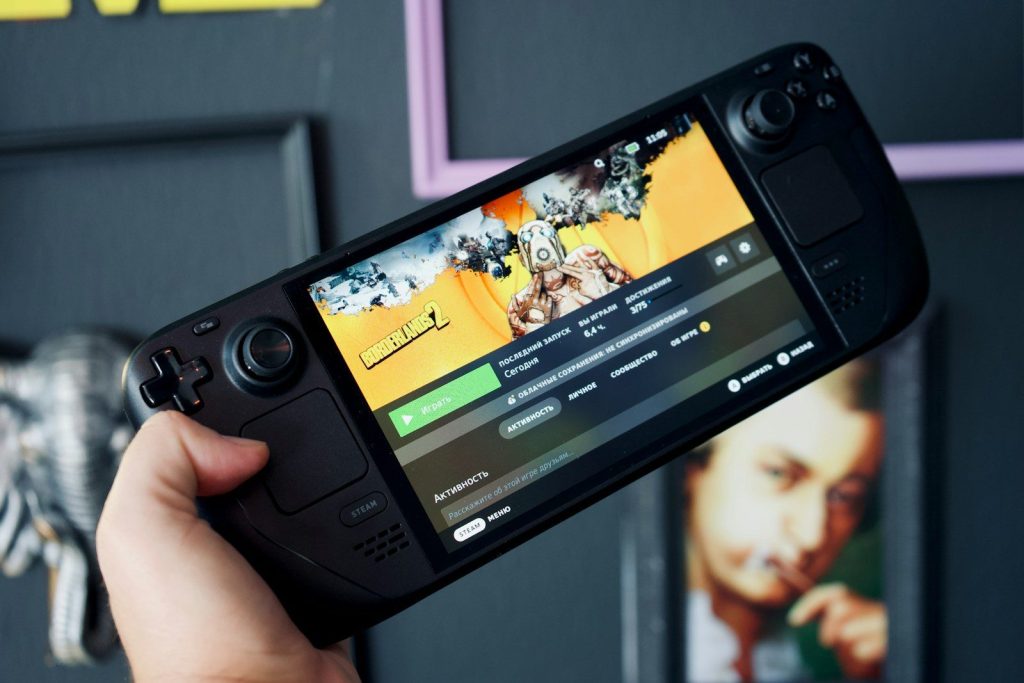
A major reason Xbox hardware can become more flexible is Windows. The ROG Xbox Ally devices run Windows 11, but they boot into an Xbox full-screen experience made for handheld gaming.
That setup gives Microsoft a wider path. Instead of building every device from scratch, Xbox can bring its interface and services to Windows-based hardware. That could make future Xbox devices feel more open than past consoles.
PC games become more important
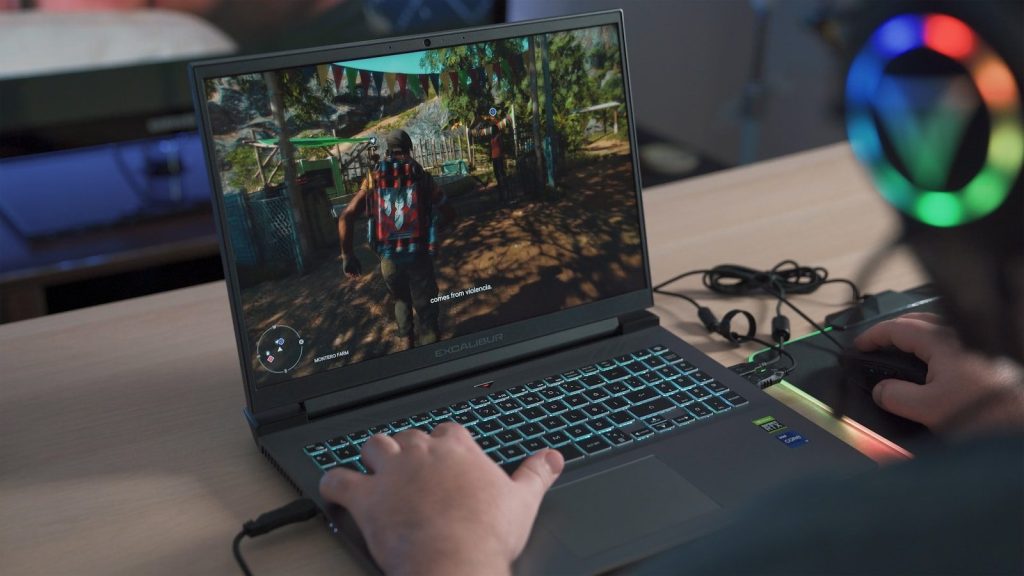
Microsoft has said Project Helix is designed to play both Xbox console and PC games. That is a big clue about where the hardware strategy is heading.
If Xbox hardware supports more PC-style play, it could give players bigger libraries and more ways to buy games. It may also help developers reach console and Windows players with fewer walls between them.
Play Anywhere gets stronger
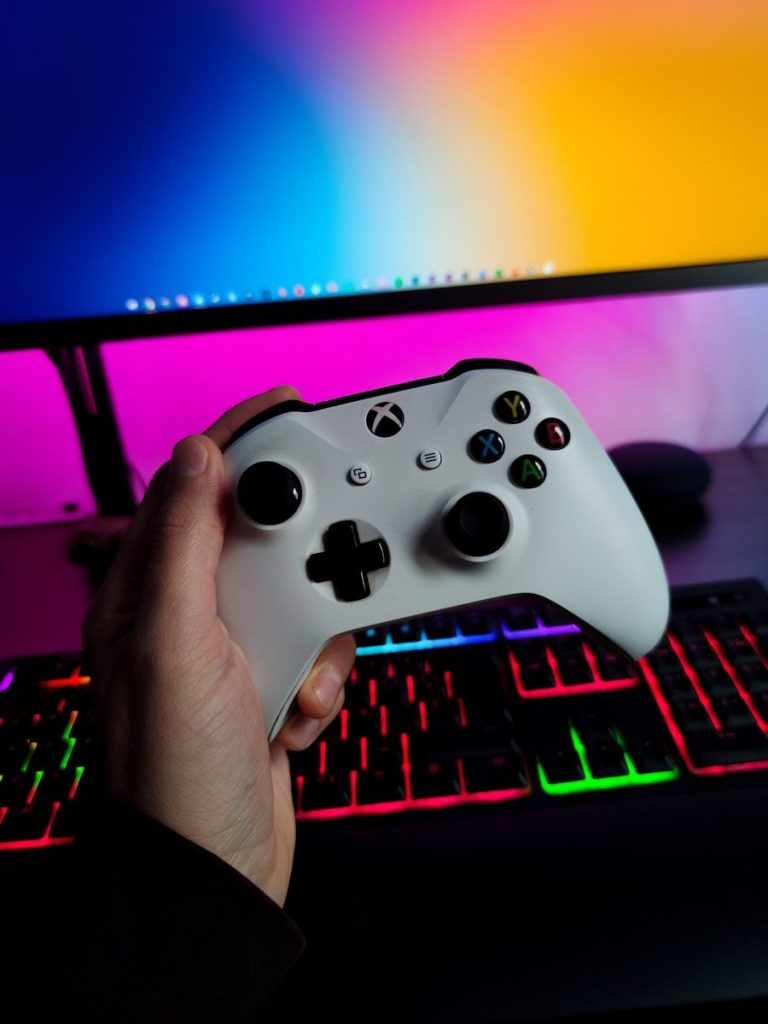
Xbox Play Anywhere is one of the quiet pieces behind this flexible future. Microsoft says the catalog now includes more than 1,500 games across console and Windows.
That kind of system makes hardware feel less separate. When a supported game works across devices, players do not have to think as much about where they bought it. They can focus more on where they want to play.
Cloud keeps devices connected
Cloud gaming is another reason Xbox hardware may not stay limited to one machine. Microsoft says cloud helps bring the Xbox experience to more devices while keeping progress, friends, and identity connected.
That can make cheaper or smaller devices more useful. A device does not always need to run every game locally if it can stream supported games. For casual players, that could make Xbox easier to access.
Remote play adds freedom
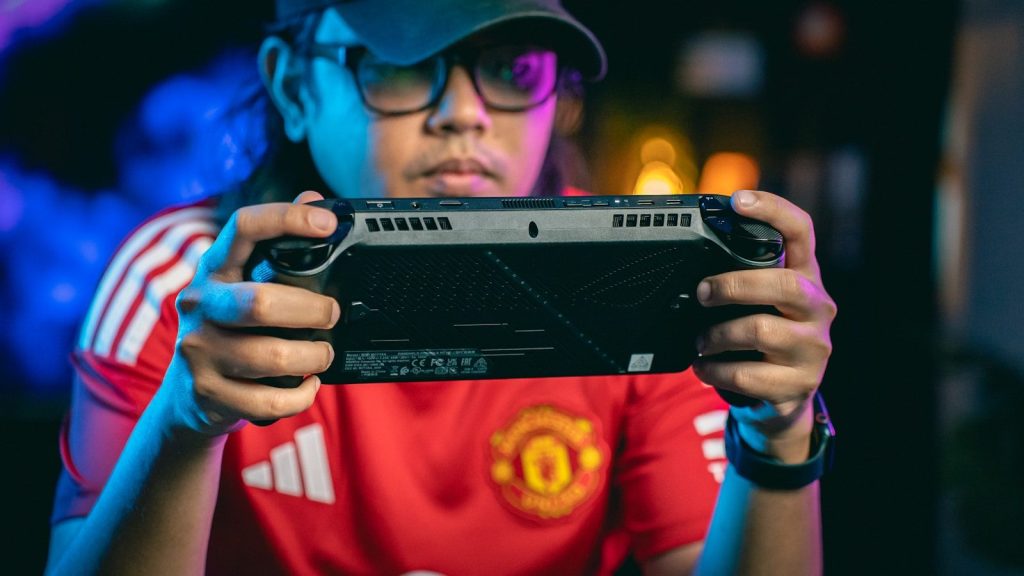
Remote play also fits this bigger plan. The ROG Xbox Ally page says players can use Xbox remote play to access games installed on their Xbox console from the handheld.
That makes the home console more flexible instead of less important. It can stay in the living room while the player moves to another room. The hardware becomes part of a connected setup, not a single fixed spot.
Docked play blurs lines
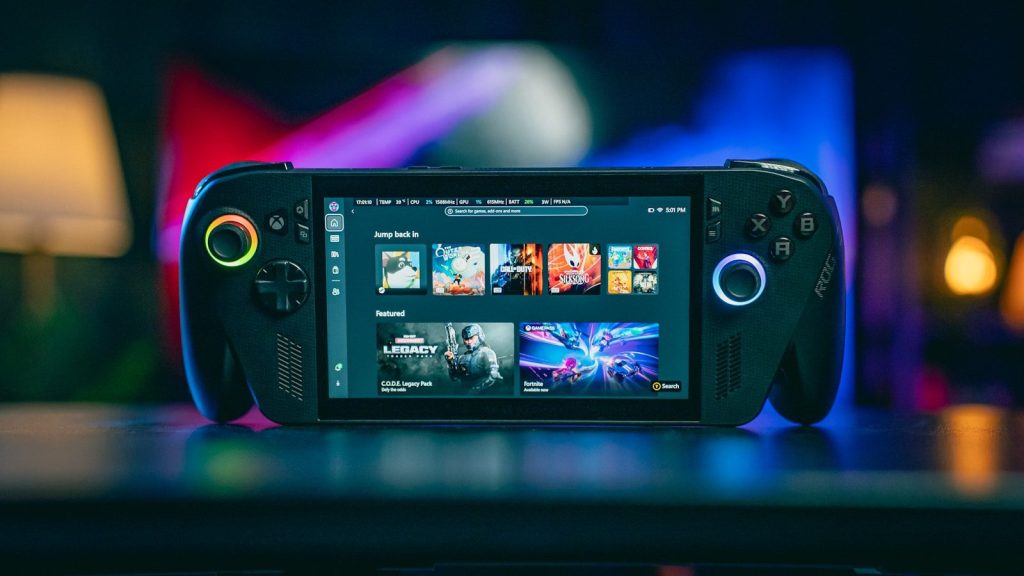
The ROG Xbox Ally page also points to improved docked play, with output optimized for a TV screen.
That is interesting because it blurs the line between handheld and console. A device can be portable during the day and connect to a larger screen later. Xbox hardware may be moving toward forms that shift based on the moment.
AMD powers the next step
Microsoft says Project Helix is being built with AMD, using a custom AMD chip and next-generation graphics technology.
This matters because hardware flexibility still needs strong performance. If Xbox wants one family of devices to handle console games, PC games, and modern features, the chip design has to support that goal. The AMD partnership gives Microsoft a clearer technical path.
Choice is the real goal
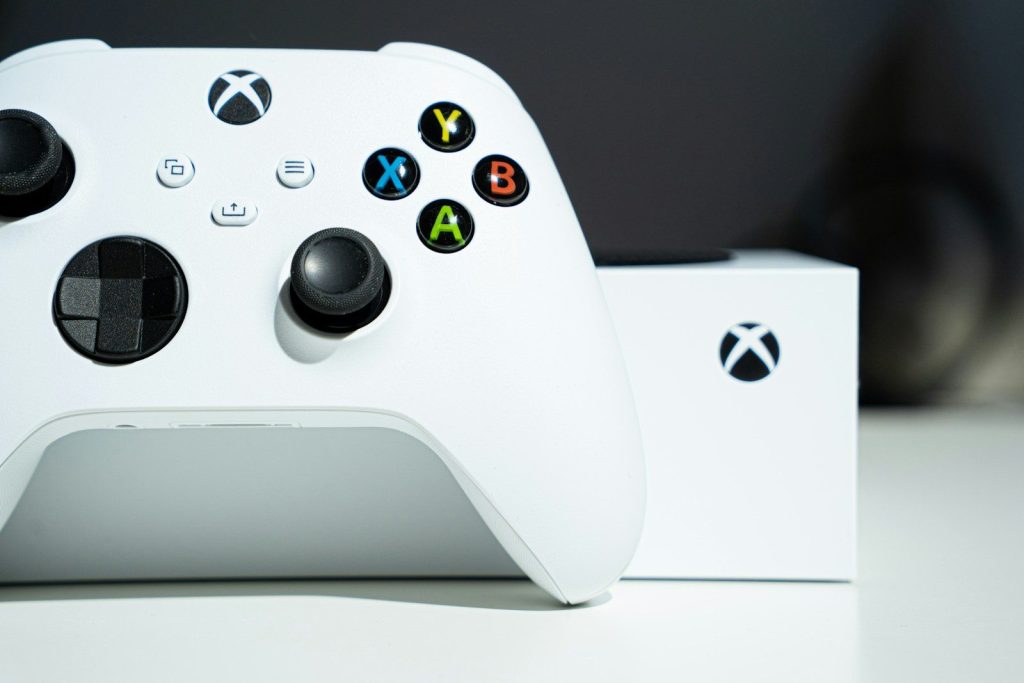
The biggest change is not just a handheld or a new console. It is the idea that Xbox wants to meet players in more places. Microsoft has said the next era will be affordable, personal, and open.
That points to a future where Xbox hardware may come in more shapes, price points, and play styles. The classic console still matters, but it may become only one part of a much wider Xbox family.
Leave a Reply