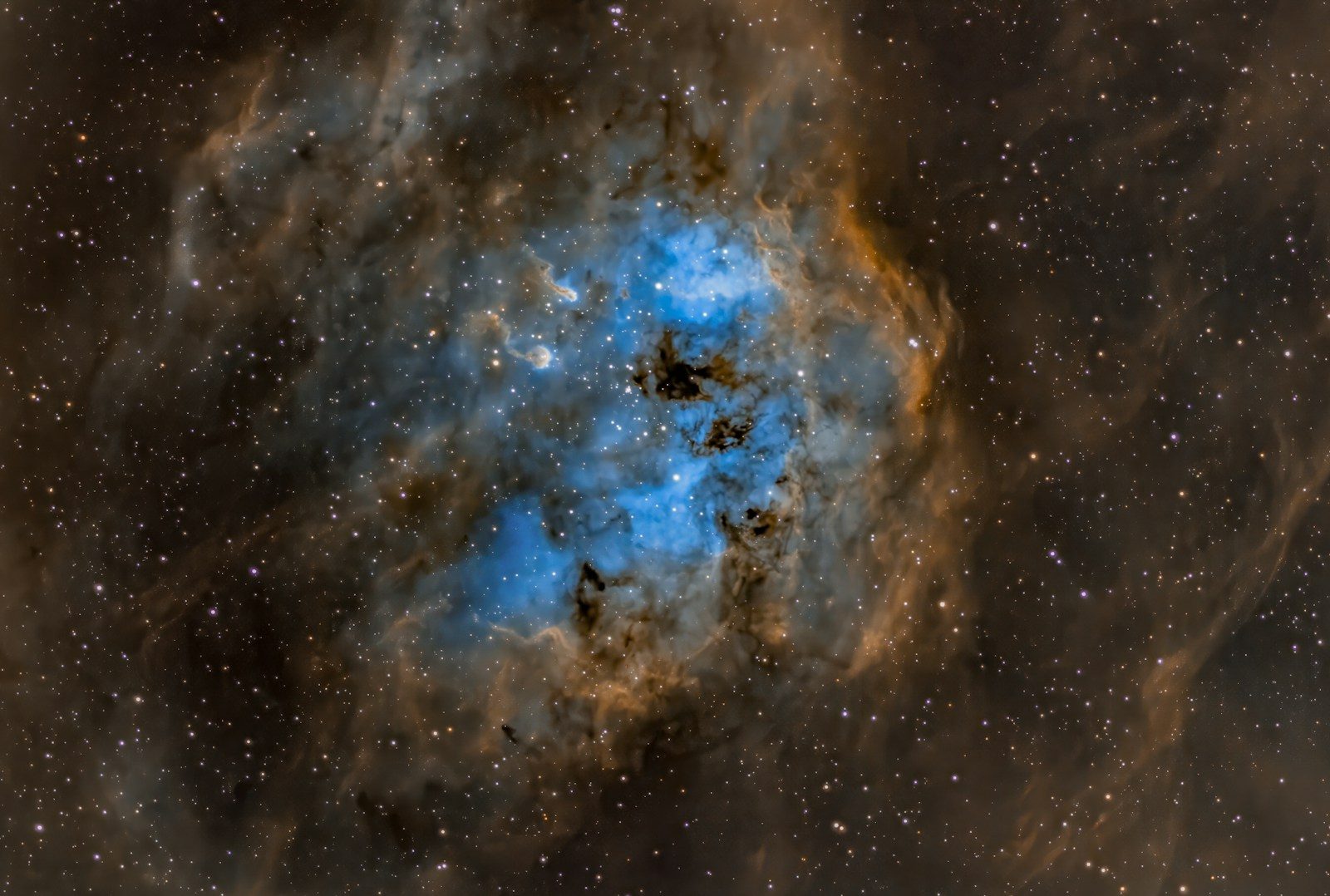
Most people assume that the frozen void of deep space is completely hostile to life and organic chemistry. We believe that complex molecules can only form under the warm protection of a planetary atmosphere.
But astronomers have made a startling discovery inside a distant cloud of interstellar gas. A common biological building block is quietly floating trillions of miles from any star.
The Interstellar Sweet Spot
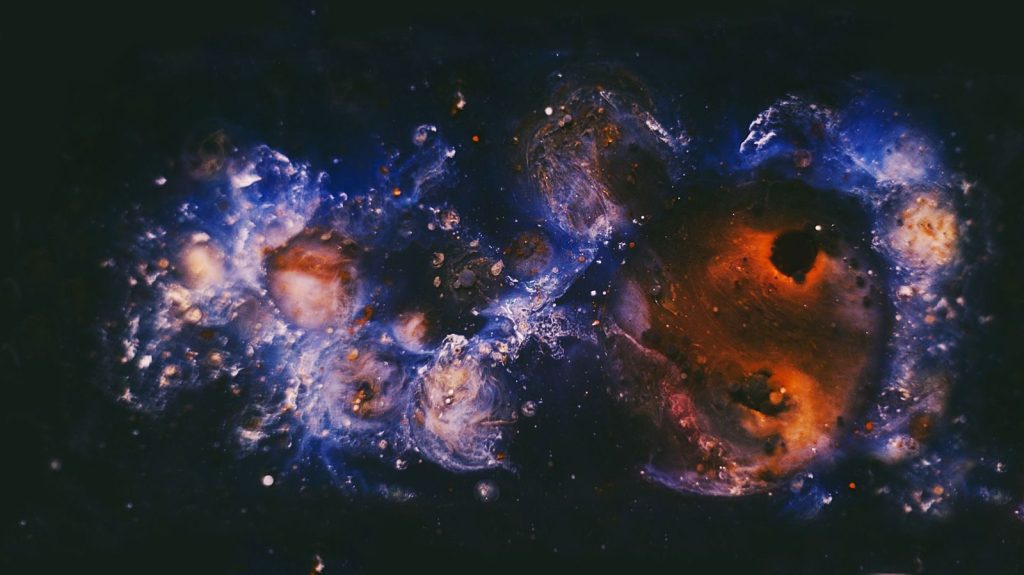
A team of astronomers focused their radio telescope on a cold gas cloud near our galactic center. According to reports from the National Observatory, they detected the distinct chemical signature of simple carbon sugars. It was unexpected. This specific molecule is a crucial component in the formation of genetic material. But how these delicate sugar structures survived the harsh radiation of outer space remains a mystery.
Sifting Through Light Signals
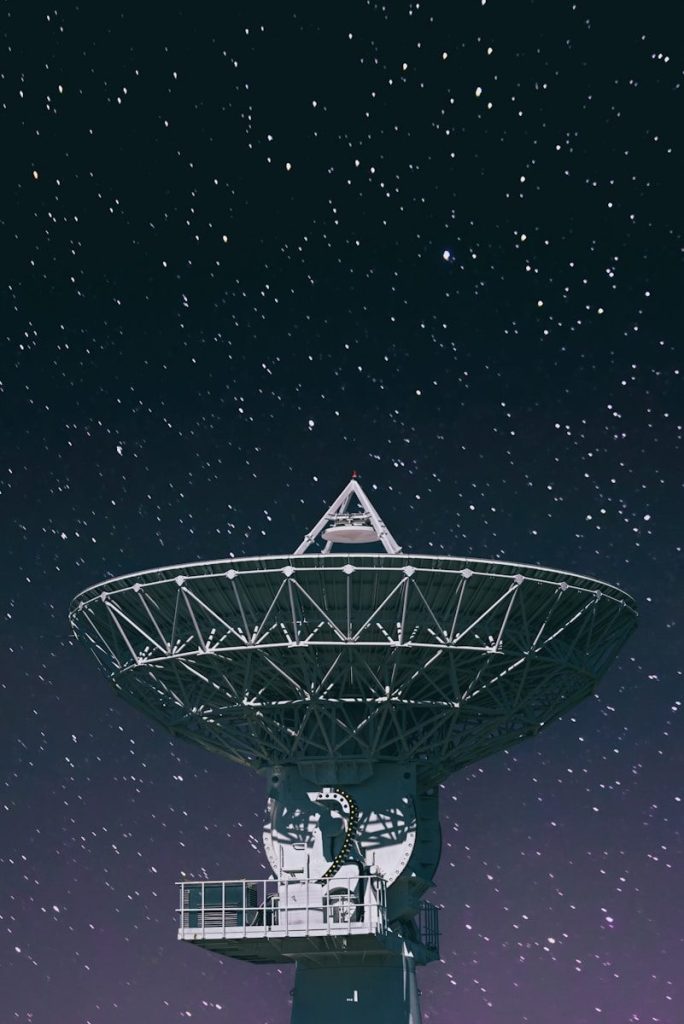
Astronomers did not actually travel to the dust cloud to find this biological compound. According to researchers at the Harvard Smithsonian, scientists analyzed the specific wavelengths of light passing through the dust. The math is precise. Every chemical compound leaves a unique fingerprint on the spectrum as it vibrates in the darkness. But this cosmic signature is actually pointing researchers toward a far larger interstellar chemical factory.
Interstellar Cold Chemistry

Scientists are trying to understand how these complex organic structures can form in temperatures near absolute zero. According to quantum chemistry models, simple molecules can bind together on the cold surfaces of tiny cosmic dust grains. They stick together. This slow icy process eventually builds larger molecular chains over millions of years. But these floating organic compounds are about to experience a highly violent ride through the cosmos.
Chuted Into New Worlds
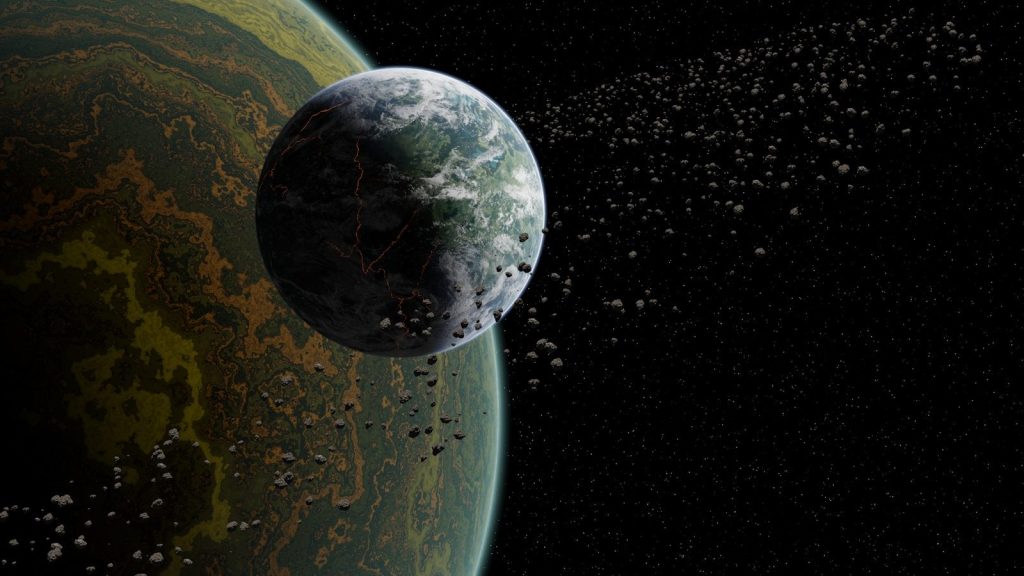
When gravity pulls gas clouds together to form stars, these sweet molecules join the mix. According to planetary scientists, these compounds often end up trapped inside frozen comets. They travel far. These icy carriers can deliver the raw ingredients of life across a developing solar system. But what happens when these comets collide with young planets is the real puzzle.
Seeding Early Earth
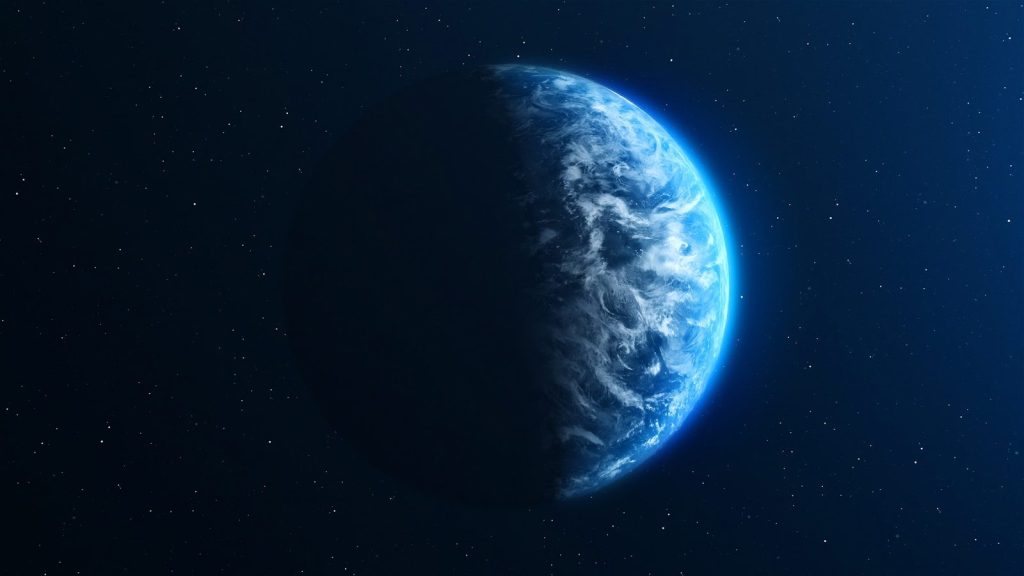
Many researchers believe that early Earth was completely barren before space objects bombarded the surface. According to a study in Astrobiology, cosmic impacts delivered tons of organic material to our early oceans. Water was key. This rich celestial soup provided the necessary chemical tools for the very first living cells to emerge. But this celestial seeding process might not be limited to our single home planet.
Millions of Sweet Planets
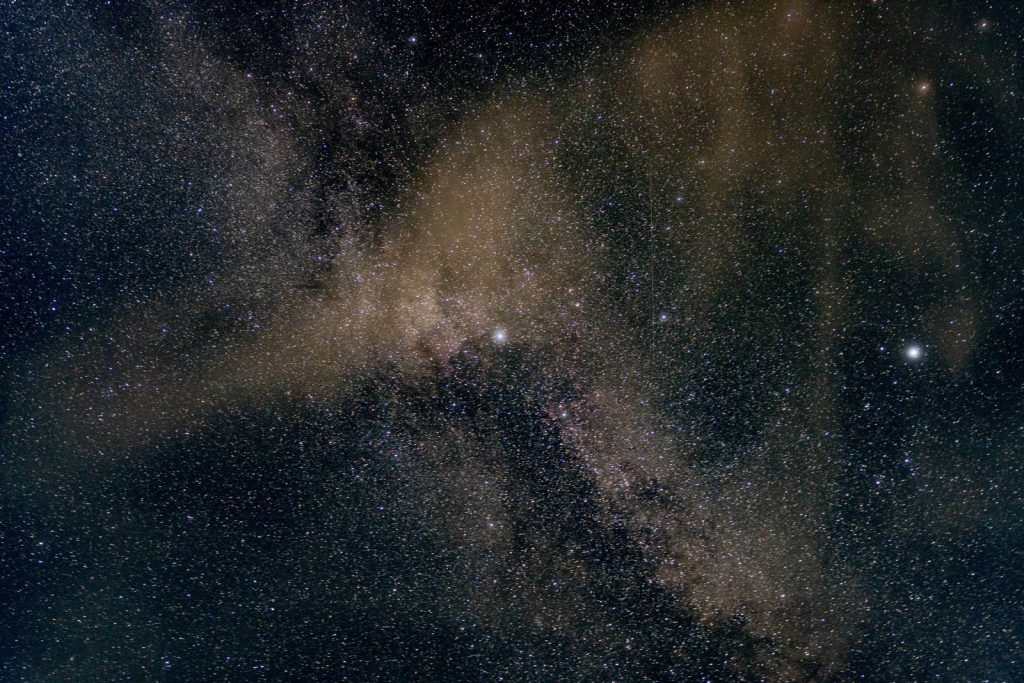
If the basic blocks of biology are floating everywhere in space, other solar systems must contain them too. According to reports from NASA, thousands of exoplanets exist within habitable zones across our galaxy. They are waiting. These distant worlds likely received the exact same cosmic sugar delivery during their early years of formation. But discovering actual proof of alien biochemistry requires a highly advanced and sensitive generation of space telescopes.
The Cosmic Organic Legacy
The discovery of space sugar proves that the ingredients for life are woven directly into the fabric of the cosmos. According to astrophysicists, the universe is naturally geared toward creating organic complexity. We are not alone. Understanding this galactic chemistry helps us map our own origins among the stars. This article is for informational purposes only.
Featured Image: Photo by arnaud girault on Unsplash
Leave a Reply