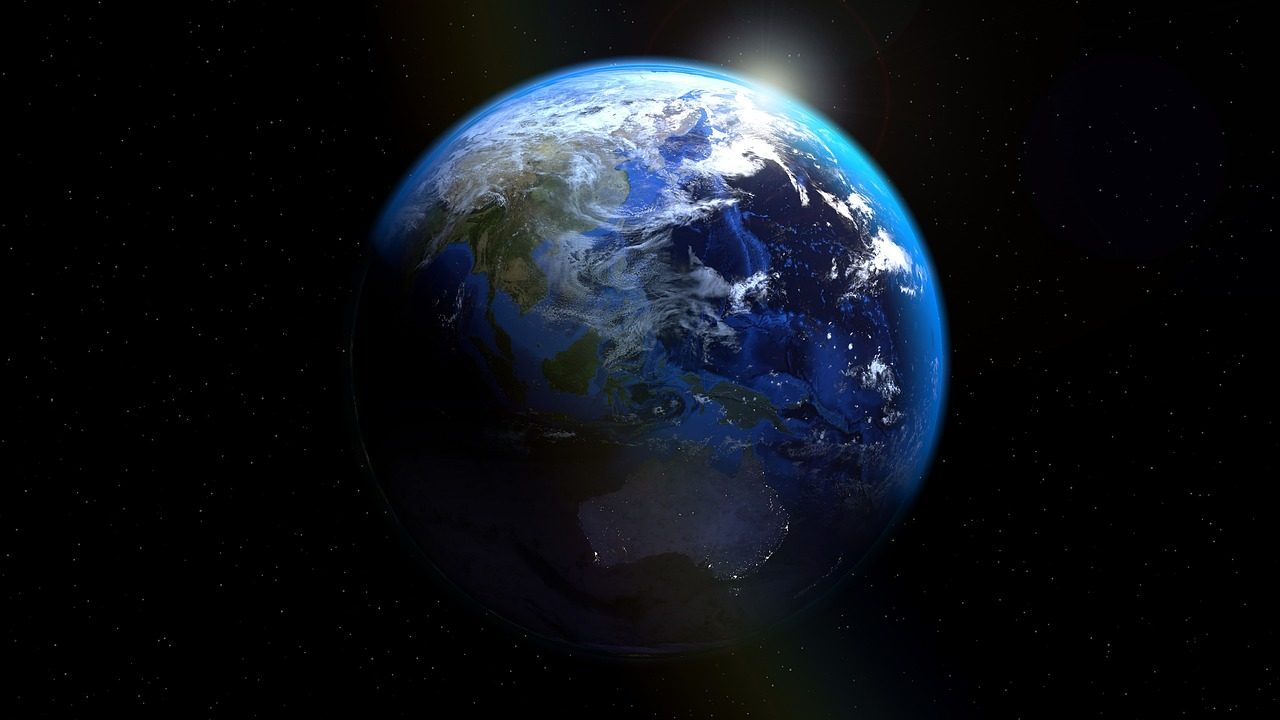
Most people believe that the ground beneath our feet is completely silent and still. We assume that Earth only shakes during rare, violent events.
But a mysterious global hum has puzzled researchers for five decades. Scientists are finally pointing to a massive, hidden natural force in the ocean.
The Sound Nobody Can Hear

Our planet vibrates constantly with a low, continuous acoustic signal that humans cannot naturally hear. According to global seismologists, this quiet hum occurs at a frequency far below our normal hearing range. It is deep. Sensitive seismic instruments across the globe detect this vibration day and night. However, identifying the exact engine behind this endless sound proved to be incredibly difficult.
Sifting Through Cosmic Noise

Researchers initially wondered if atmospheric pressure shifts or cosmic rays created the background noise. According to a study in the journal Geophysical Research Letters, scientists spent years isolating the sound from other seismic signals. They kept digging. By filtering out earthquakes and local human activity, they isolated the pure global hum. But the source was not coming from our sky or outer space.
The Deep Ocean Connection

The breakthrough came when oceanographers looked closely at the movement of deep-sea waves. According to researchers at the Paris Institute of Earth Physics, massive ocean waves colliding with each other generate continuous seismic pressure. The water moves. This pressure pushes directly down on the seafloor to send acoustic waves straight through the planet. However, the exact way these waves make the Earth ring is highly complex.
A Continuous Planetary Ringing

When these powerful waves clash in the open sea, they create a steady, rhythmic push. According to ocean models, this interaction acts like a giant, slow-motion hand continuously tapping on a massive bell. It never stops. This relentless energy makes the entire Earth vibrate in a state of constant resonance. But geologists soon realized this constant vibration held a highly practical use.
Scanning the Earth’s Core

Geologists can use this natural background hum to scan the interior of our planet without waiting for earthquakes. According to the National Science Foundation, these continuous waves act exactly like a natural medical scan. They are perfect. By tracking how these vibrations pass through deep rock layers, scientists can map the mantle and crust in incredible detail. But this global phenomenon still varies depending on the seasons.
Shifting With Stormy Weather

The strength of our planet’s song shifts dramatically depending on major weather patterns. According to marine data, winter storms in the northern hemisphere create much stronger wave collisions and louder vibrations. The sea rages. During southern winters, the loudness of the hum shifts down to the vast Antarctic oceans. But researchers are still learning how climate change might affect this ancient sound.
Our Living Dynamic World
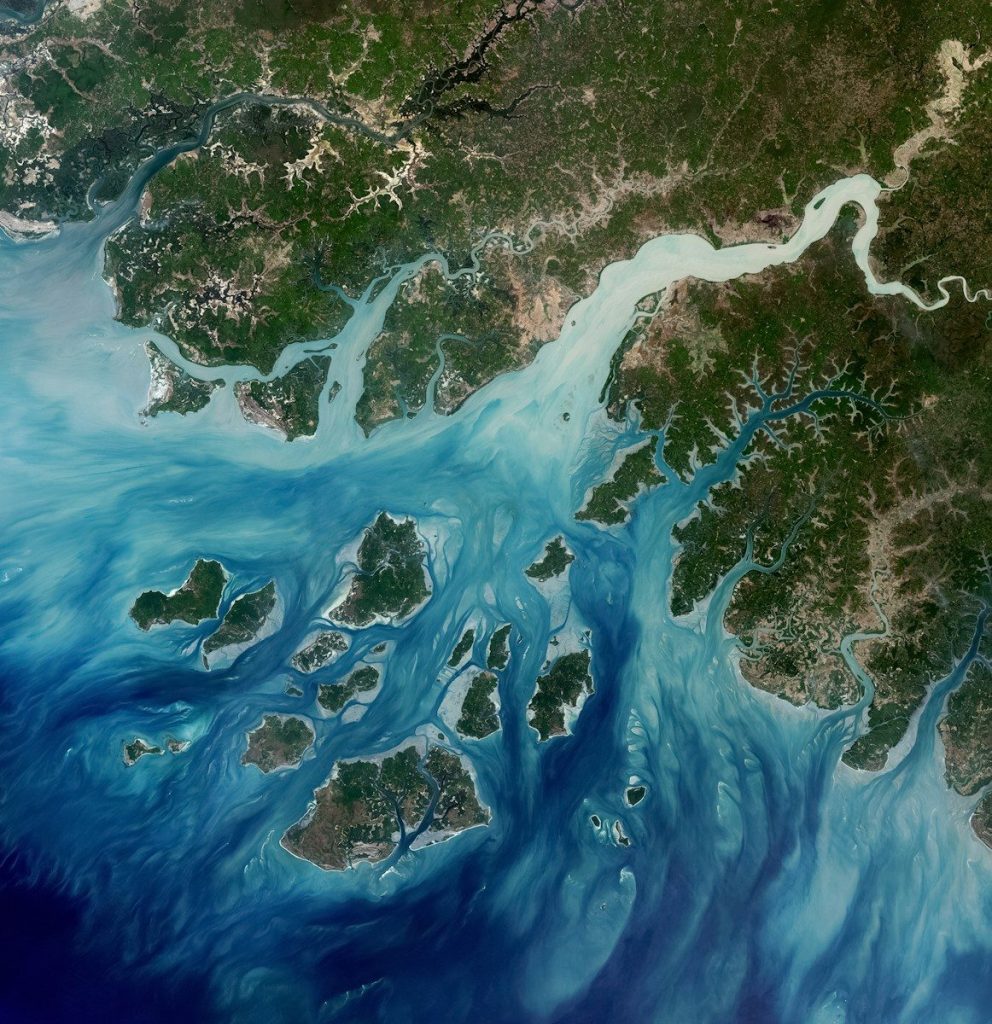
According to earth scientists, the global hum proves that our planet is a highly dynamic and deeply interconnected system. This quiet vibration connects the deepest oceans to the solid rock beneath our feet. The Earth is alive. This article is for informational purposes only.
Leave a Reply