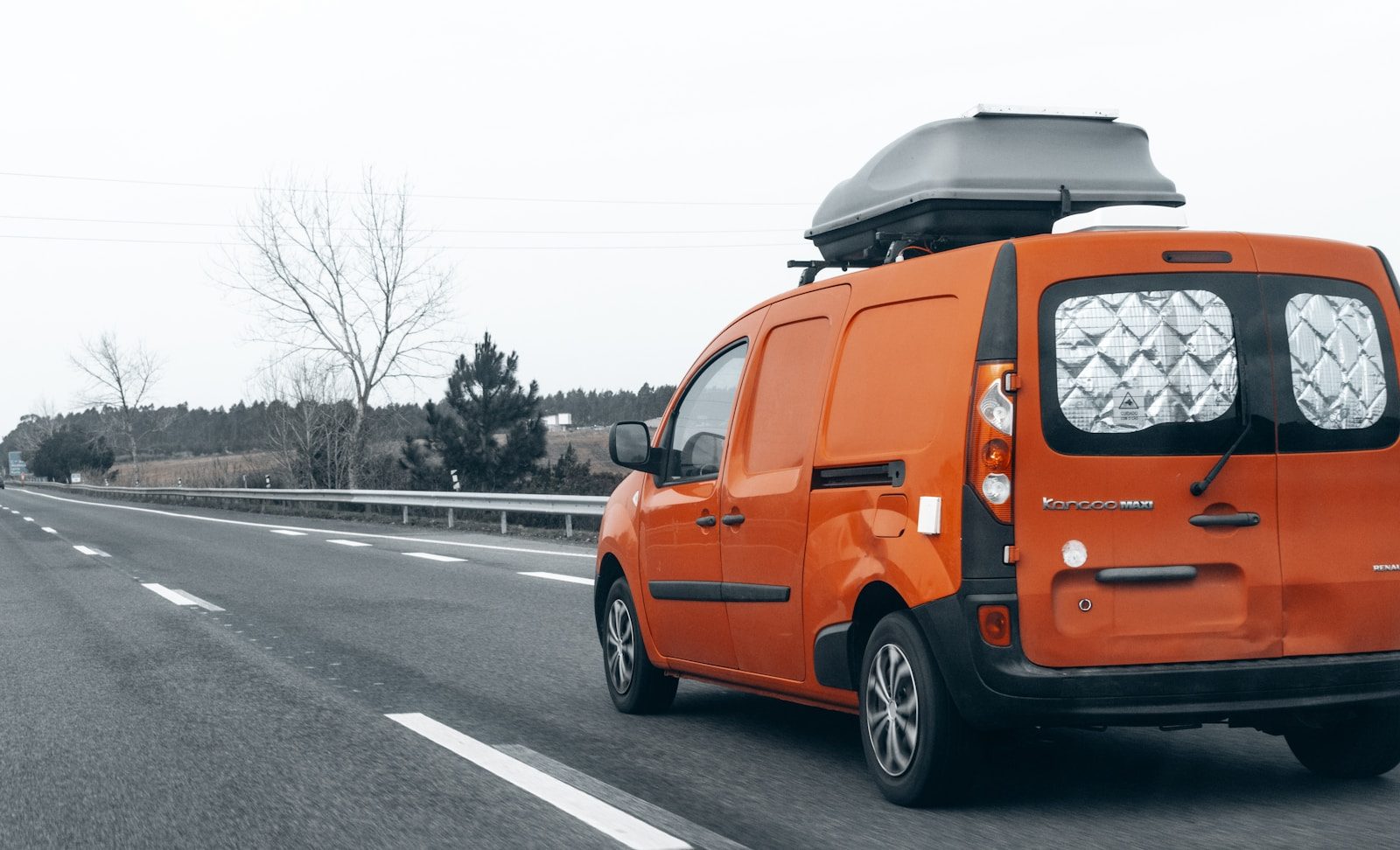
Most commercial fleet owners assume that utility vans must always rely on loud diesel engines. We believe that heavy transport vehicles are too heavy to ever run efficiently on pure battery power.
But a revolutionary shift in electric vehicle design is completely challenging this vehicle standard. Advanced electric utility vans are delivering incredible cargo space with almost zero emissions.
The Utility Aerodynamic Design
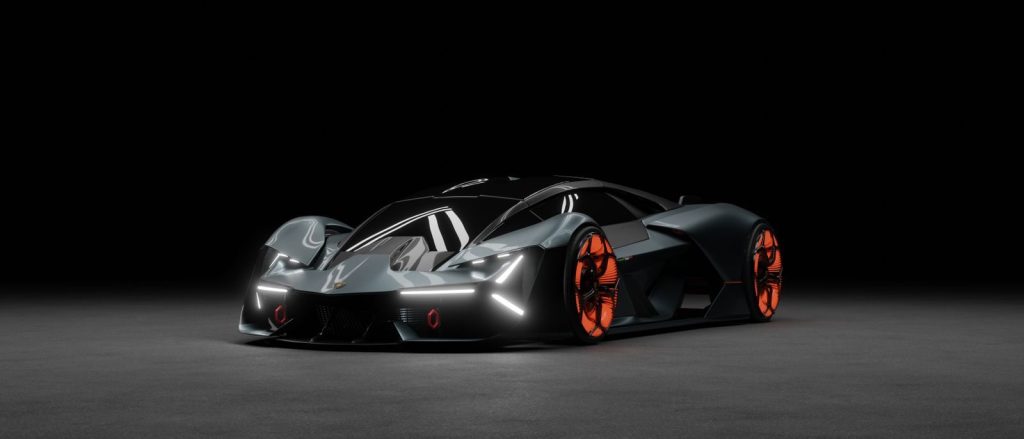
Moving a massive cargo box through the air creates intense wind resistance that drains battery range. According to electric vehicle design logs, the new utility van features a highly streamlined external shell. It is remarkably smooth. This sleek shape allows the heavy vehicle to slide through wind with minimal energy loss. But carrying heavy shipments requires a highly robust battery placement.
Integrating Flat Floor Batteries
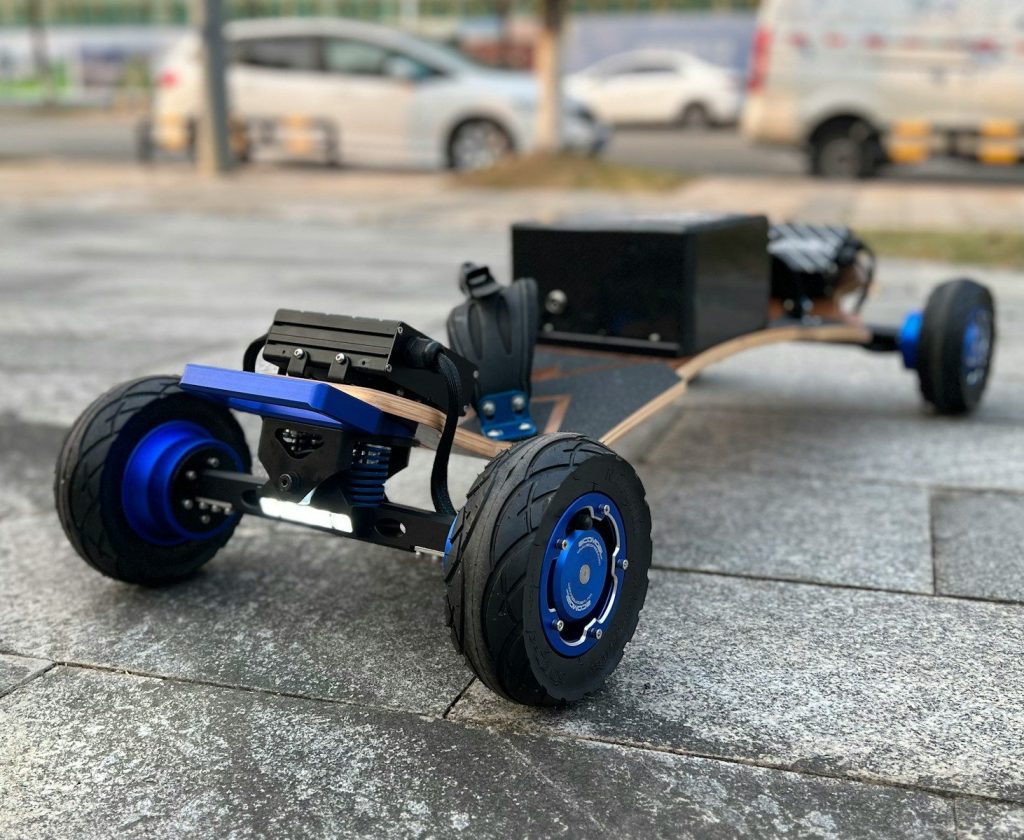
Traditional utility vans waste valuable cargo space housing heavy transmission tunnels and engine blocks. According to reports from automotive engineers, next-generation electric vans place the battery pack flat beneath the floor. The design is genius. This flat layout lowers the center of gravity while maximizing storage room inside the cabin. But driving these heavy loads requires a highly efficient motor.
The Compact Drive Units
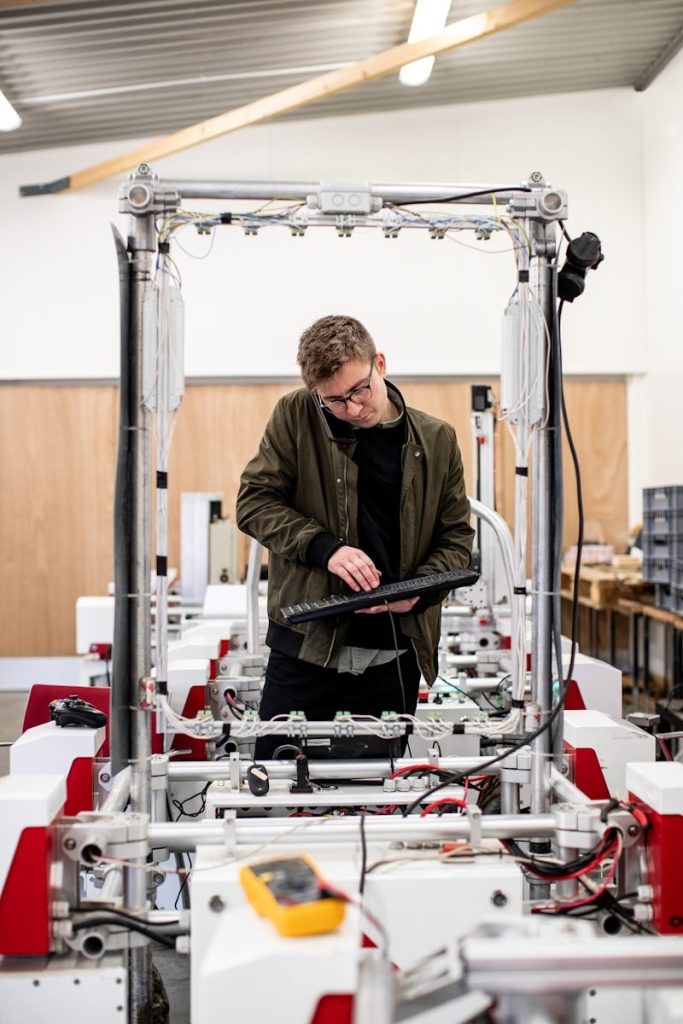
Moving heavy commercial cargo requires instant pulling power without any transmission lag. According to mechanical hardware journals, the van utilizes ultra-compact electric drive units that deliver high torque. They are tiny. This space-saving design ensures the vehicle can accelerate smoothly even when fully loaded. But managing this electrical current demands an advanced high-voltage grid.
High Voltage Electrical Systems
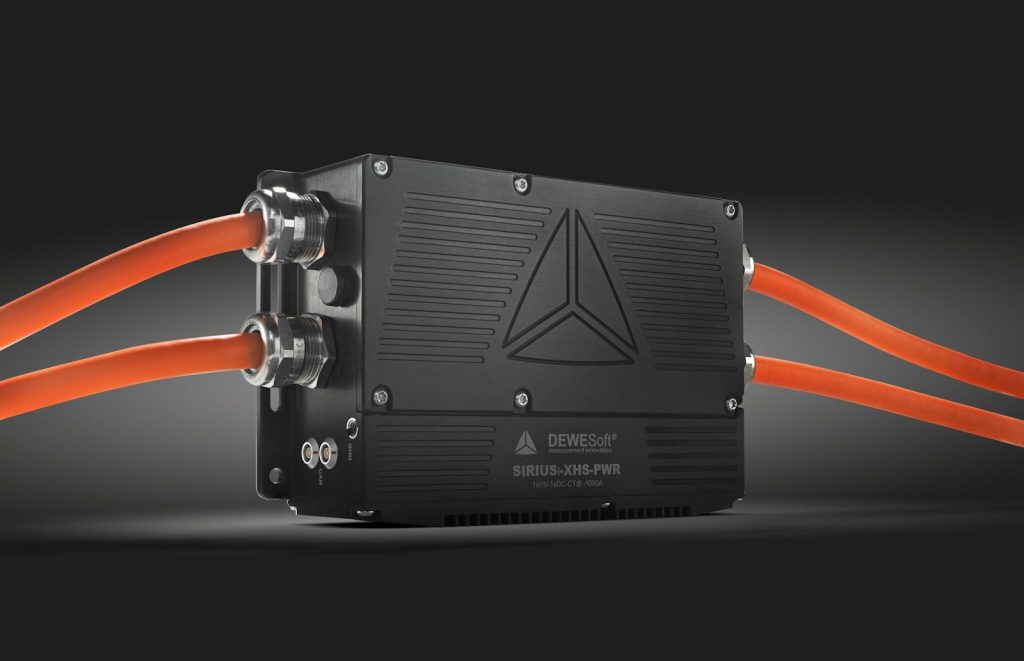
Distributing electrical current across a massive utility vehicle requires a highly robust wiring setup. According to electric grid reviews, the van uses an advanced eight-hundred-volt system to run the motors. The current is strong. This high voltage allows the vehicle to charge much faster at commercial stations. But keeping the battery healthy during rapid charging requires a clever thermal controller.
Smart Thermal Pump Recovery
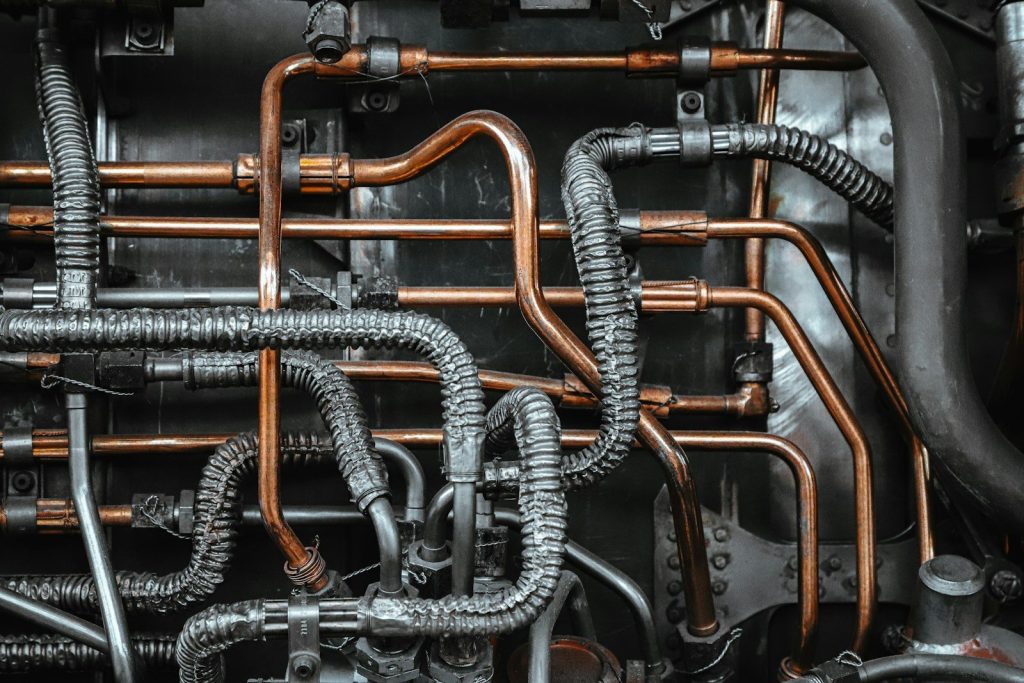
Cold winter weather can cause a severe drop in battery performance and cabin heating efficiency. According to vehicle engineering studies, an integrated heat pump captures waste energy from the motors to warm the battery. It is highly efficient. This recycling process ensures the van maintains its driving range during freezing winter deliveries. But navigating tight city streets introduces a major steering challenge.
Precise Steer-by-Wire Control
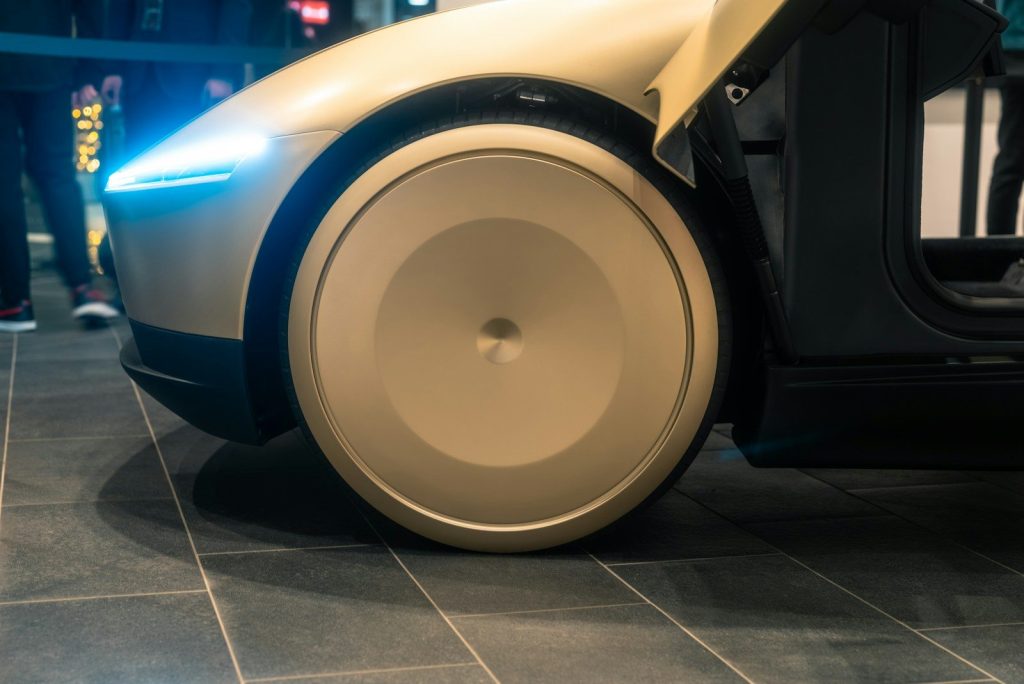
Maneuvering a long commercial vehicle through crowded city centers requires a highly responsive steering system. According to vehicle testing logs, the van features an all-digital steer-by-wire setup that eliminates the mechanical column. It is highly advanced. A computer translates the driver movements into precise wheel angles instantly. But this smart steering is also paving the way for autonomous deliveries.
Automated Software Fleet Guidance

Navigating delivery routes efficiently requires a highly advanced digital piloting assistant on board. According to computer software logs, built-in artificial intelligence programs map surrounding terrain in real time. The software never sleeps. This automated driving assistant can calculate the fastest paths to reduce delivery delays. But the long-term success of these electric fleets relies on global charging setups.
Unlocking Clean Utility Fleets

Transitioning toward electric utility transport is the final piece of the sustainable transit puzzle. According to transportation historians, electric vans will allow businesses to operate cleanly inside urban centers around the clock. The transition is inevitable. This article is for informational purposes only.
Featured Image: Photo by Vadym Alyekseyenko on Unsplash
Leave a Reply