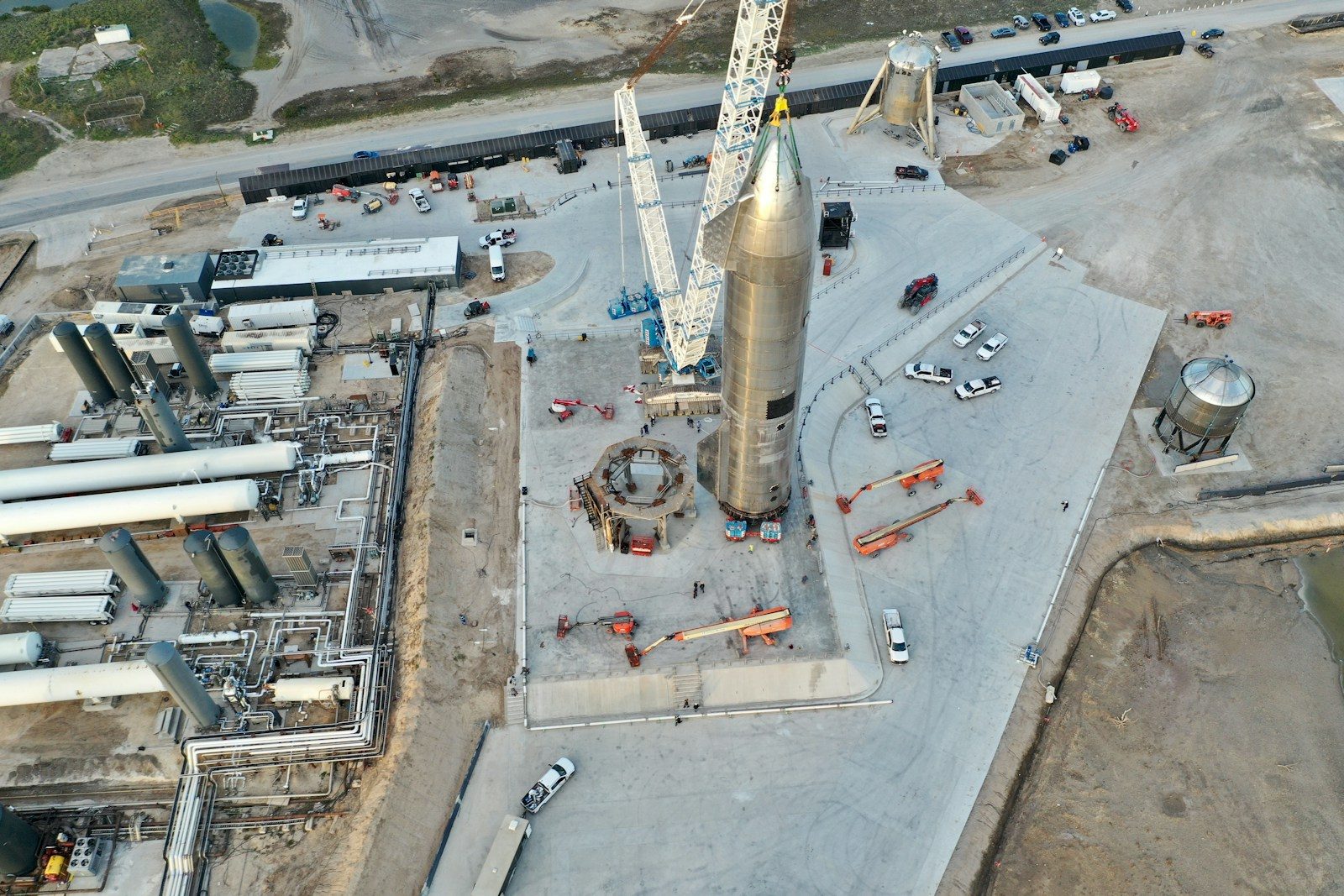
People usually believe that NASA always finishes its most advanced spacecraft projects. We assume that spending massive budgets guarantees a physical rocket will eventually fly.
But a revolutionary reusable spacecraft design ended up in the scrap heap. NASA abruptly canceled this multi-billion dollar project just before its official launch date.
The Next Shuttle
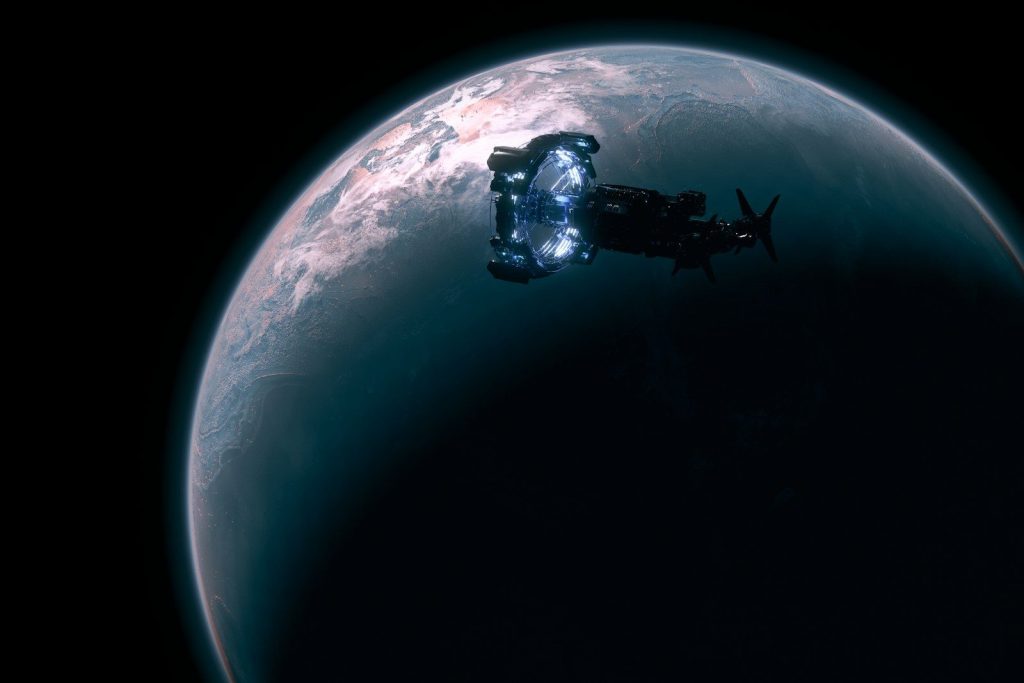
In the late 1990s, aerospace engineers wanted to build a successor to the aging Space Shuttle fleet. They designed a revolutionary craft called the VentureStar. It was sleek. According to documents from NASA, this craft would take off like a rocket and land like an airplane. This unique design promised to slash the immense cost of sending payloads into orbit. But the vehicle required several untested technologies to work.
Single Stage Launch
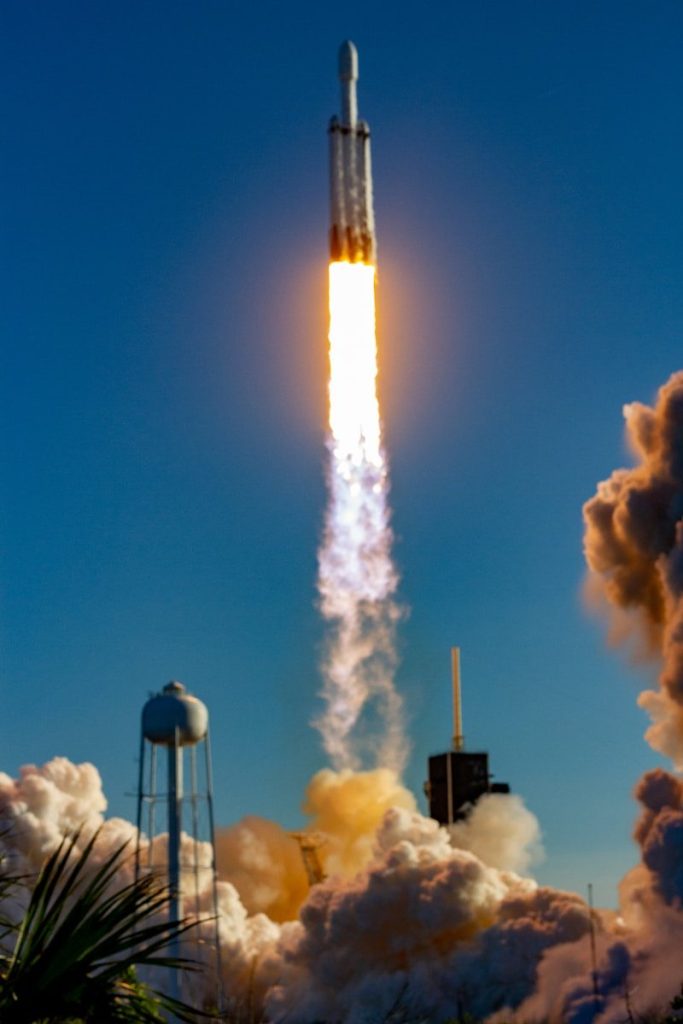
Standard rockets drop expensive metal fuel tanks into the ocean during their ascent to space. The VentureStar discarded absolutely nothing on its journey. It was a single-stage-to-orbit craft. According to reports from Lockheed Martin, this spacecraft would carry its fuel in integrated, internal tanks. This approach meant technicians could refuel and relaunch the vehicle within days. However, building these internal tanks presented a massive engineering challenge.
Bizarre Fuel Tanks

To keep the craft lightweight, engineers chose to build the fuel tanks out of advanced carbon composites. These tanks had to hold super-cooled liquid hydrogen fuel safely. They were highly complex. According to a report by the Government Accountability Office, the composite materials cracked during high-pressure stress testing. This failure meant engineers had to redesign the entire fuel system from scratch. But the project was also running out of time.
The Linear Aerospike
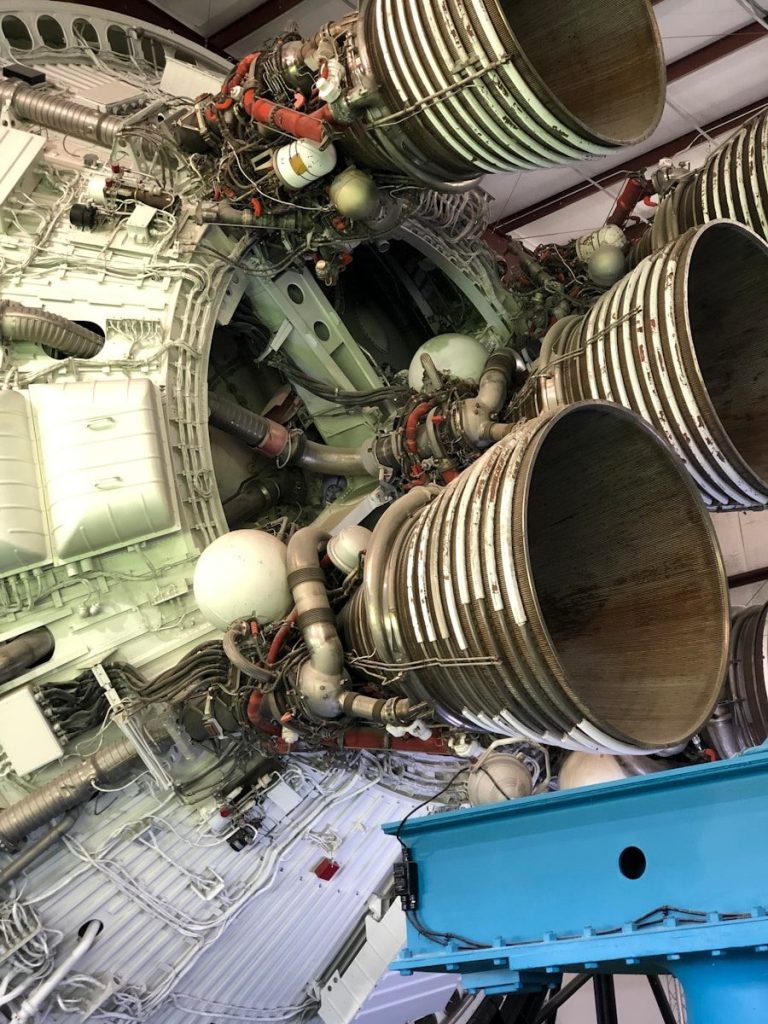
The VentureStar also featured a revolutionary engine type called a linear aerospike. Standard bell-shaped engines only run efficiently at specific atmospheric heights. The aerospike is different. According to propulsion experts at Aerojet Rocketdyne, this engine automatically adjusts its exhaust shape at any altitude. This constant self-regulation ensures maximum fuel efficiency from launch to orbit. Yet, developing this engine consumed vast chunks of the budget.
Spiraling Project Costs

Every delay on the fuel tanks and engines pushed the program costs higher. The development team spent over one billion dollars without producing a flying prototype. Money evaporated quickly. According to independent aerospace analysts, the budget overruns quickly exceeded the original project estimates by several hundred million dollars. This financial bleed forced government leaders to evaluate the program. But politicians quickly shifted their support.
The Final Ax

In 2001, NASA administrators made the difficult decision to cancel the program entirely. They redirected their limited funding toward traditional rocket projects instead. Support vanished instantly. According to official agency statements, technical risks and budget limits made further development impossible. The prototype spacecraft sat half-finished inside a dark, dusty hangar. However, this cancellation left a massive void in American space exploration.
Reusing Outer Space

For over fifteen years, NASA had to rely on expensive, disposable rockets for cargo missions. The dream of a fully reusable, single-stage spacecraft died with the VentureStar. Progress stood still. According to space historians, the cancellation delayed the era of cheap space flight by nearly two decades. This delay allowed private companies to take the lead in space technology. But these private entities would later revive these lost designs.
Reaching For Stars

Today, private aerospace corporations use similar reusable concepts to lower launch costs significantly. The abandoned spacecraft reminds us that some ideas are simply ahead of their time. Tech eventually catches up. According to space researchers, the lessons from the VentureStar continue to guide the design of modern Mars-bound rockets. This article is for informational purposes only.
Featured Image: Photo by Jay Wedgeworth on Unsplash
Leave a Reply