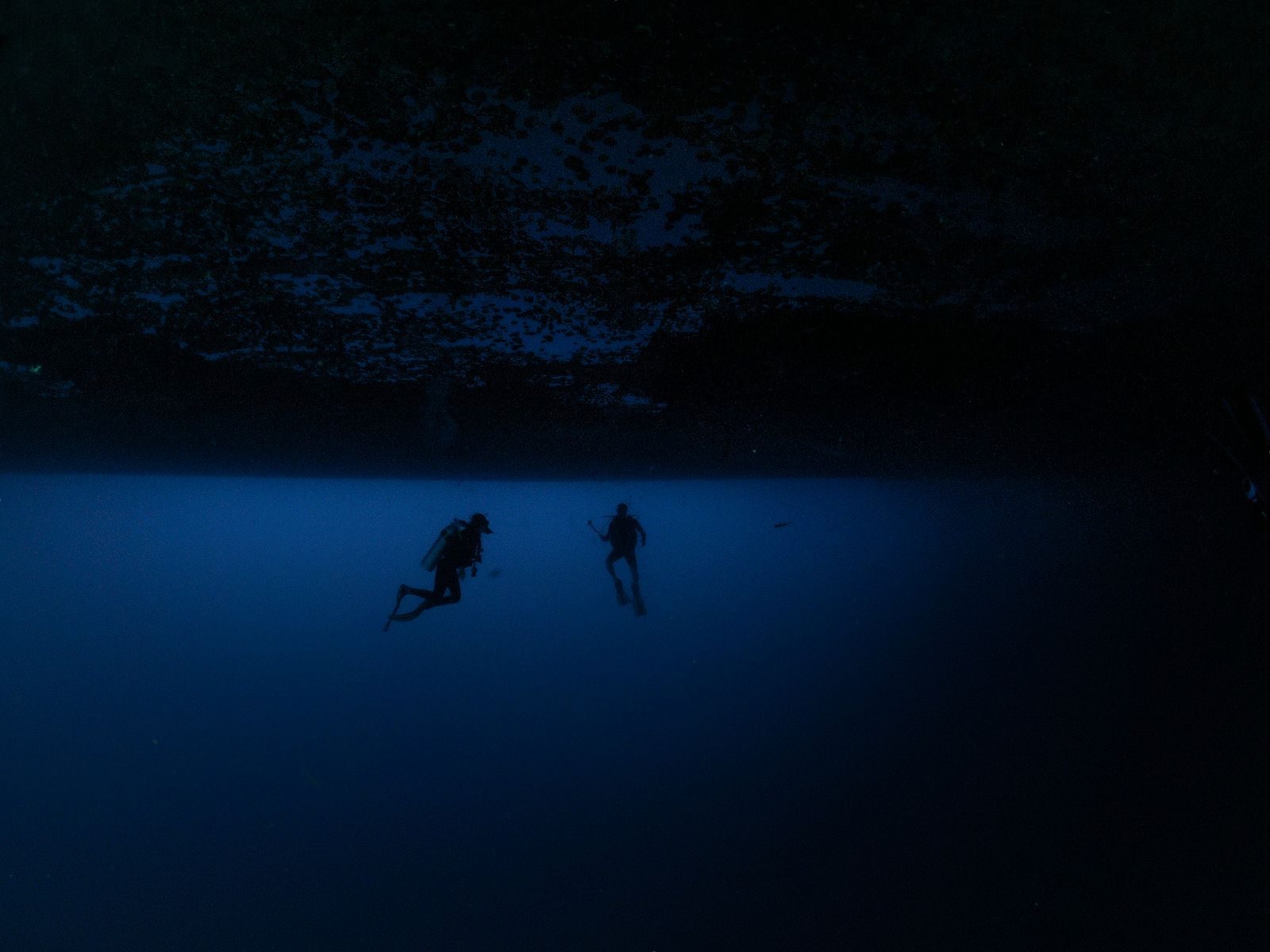
Most people assume that modern satellite technology has fully mapped and explored every corner of Earth. We believe our advanced scanners have revealed all the deep geographic features of our planet.
But the dark depths of our oceans remain almost entirely unknown to science. A series of baffling underwater anomalies has left top oceanographers completely stumped.
The Unmapped Deep Frontiers
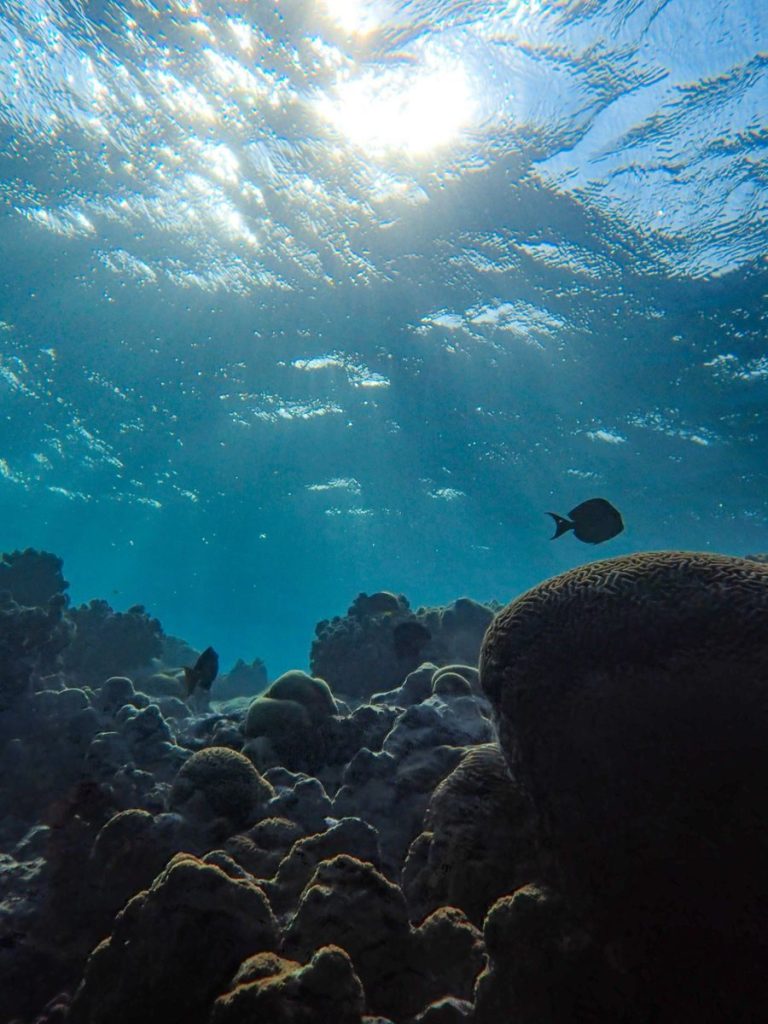
We actually know more about the surface of Mars than we do about our own seafloor. According to reports from the National Oceanic and Atmospheric Administration, over eighty percent of the ocean is completely unmapped. It is pitch black. The immense water pressure makes sending scientific instruments to these depths incredibly difficult. But what scientists are finding in the darkness is challenging our understanding of biology.
Mysterious Noises From Below
During the late nineties, military hydrophones detected a series of incredibly loud low-frequency sounds rising from the abyss. According to ocean researchers, these bizarre signals traveled for thousands of miles through the water. They were massive. Scientists could not match the acoustic patterns to any known animal or geological event. But a close analysis of the data suggested something even more unsettling.
The Unseen Giant Creatures
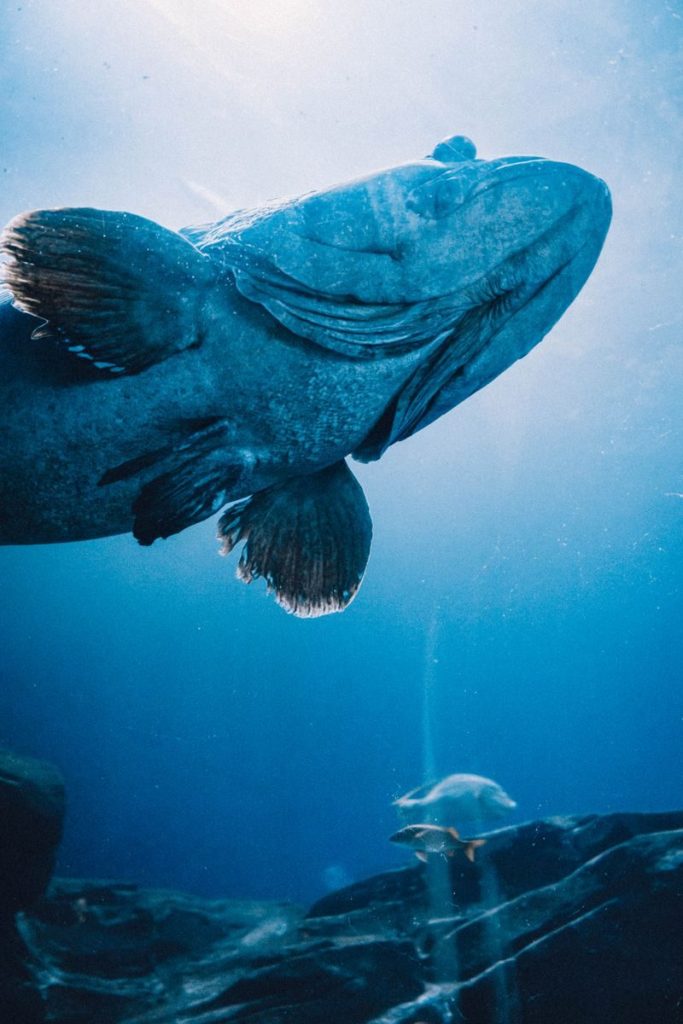
Some marine biologists suspect that massive undiscovered species are living in the deepest trenches of the world. According to reports from the Schmidt Ocean Institute, new creatures are found on almost every deep dive. They are alien. These animals have adapted to survive extreme cold and crushing pressure that would destroy human machines. But the physical geography of the seafloor holds even bigger surprises.
Giant Rivers Under Water
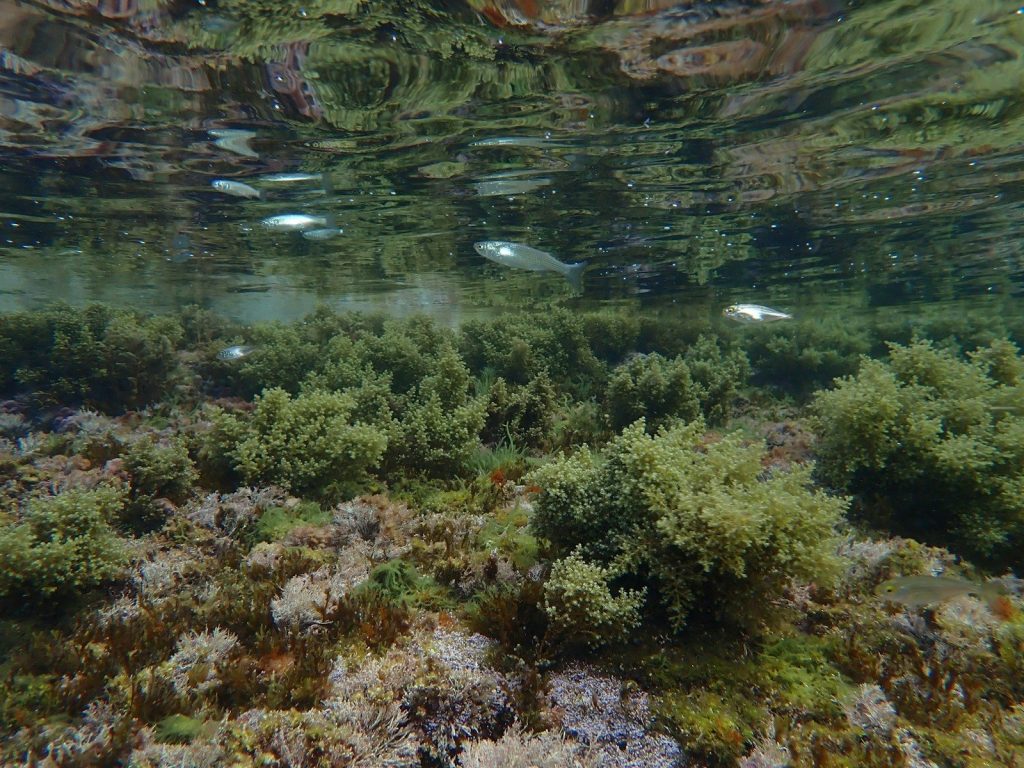
Deep below the surface, massive currents of highly concentrated saltwater flow like regular rivers along the ocean floor. According to geological studies, these underwater rivers have their own distinct banks and flowing channels. They are heavy. This dense water does not mix easily with the surrounding ocean, creating a separate world entirely. But these flowing channels might actually be carrying critical clues about life.
Life Without The Sun
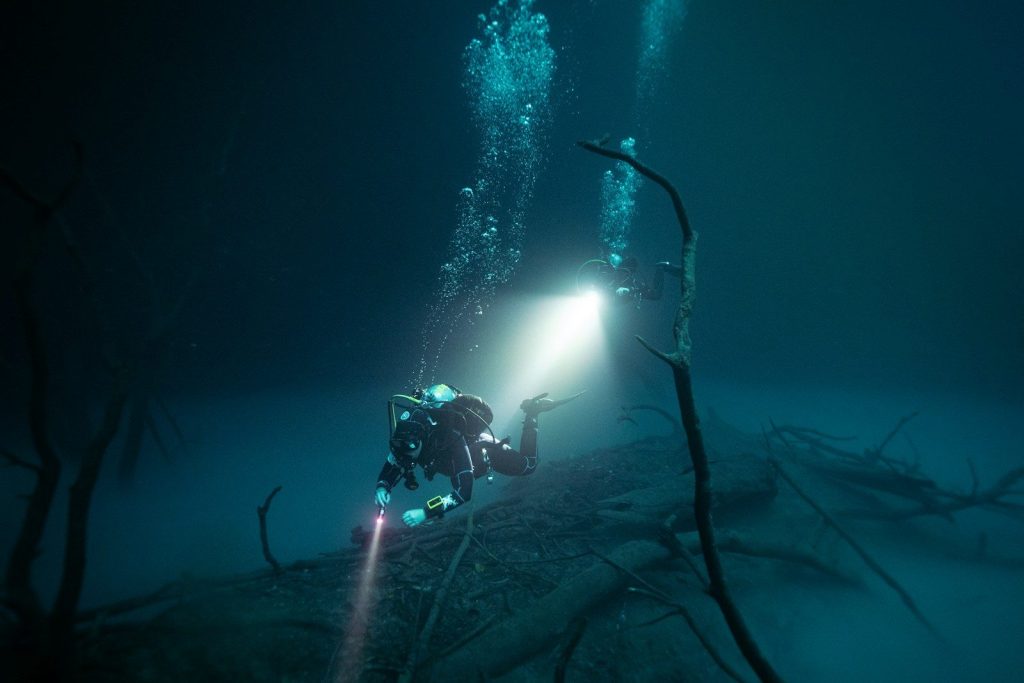
For generations, scientists believed that all living things required sunlight to survive and grow. According to reports from the Woods Hole Oceanographic Institution, researchers found thriving ecosystems around deep hydrothermal vents. Life was everywhere. These strange microbes and worms use toxic chemicals from inside the Earth to generate energy. But these chemical reactions might be happening on other worlds in our solar system.
Secrets Of Other Worlds
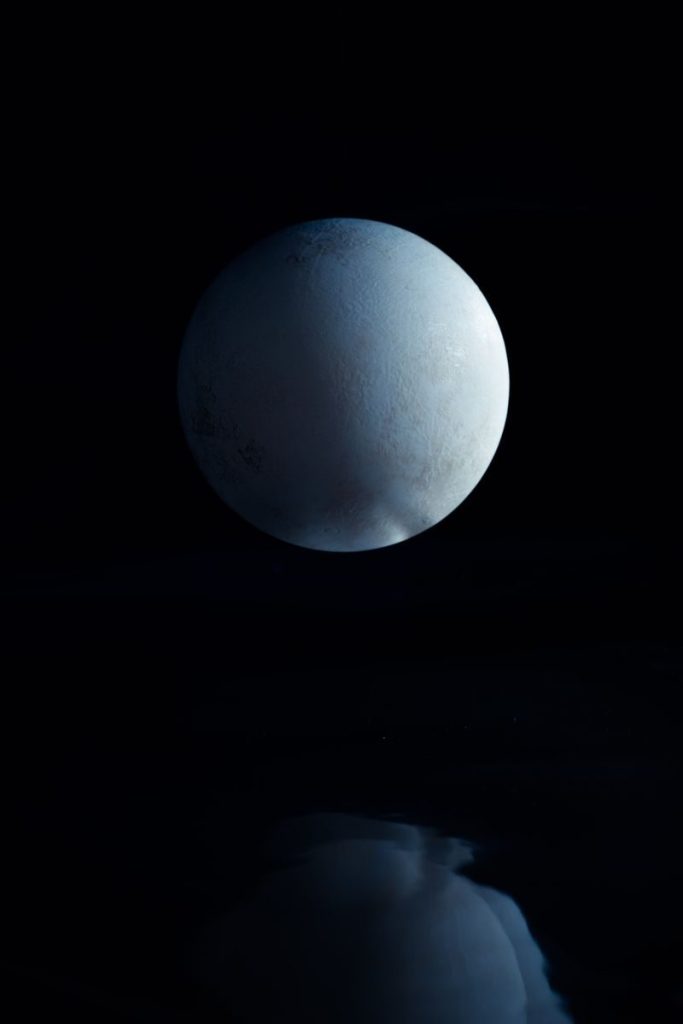
The dark oceans of Earth could help us find life on frozen moons orbiting distant planets. According to NASA astrobiologists, the conditions under our ice sheets are highly similar to the oceans of Europa. They are icy. If life can survive in our dark depths, it could easily exist in deep alien waters. But we must first finish exploring the mysteries of our own home planet.
Protecting The Great Abyss
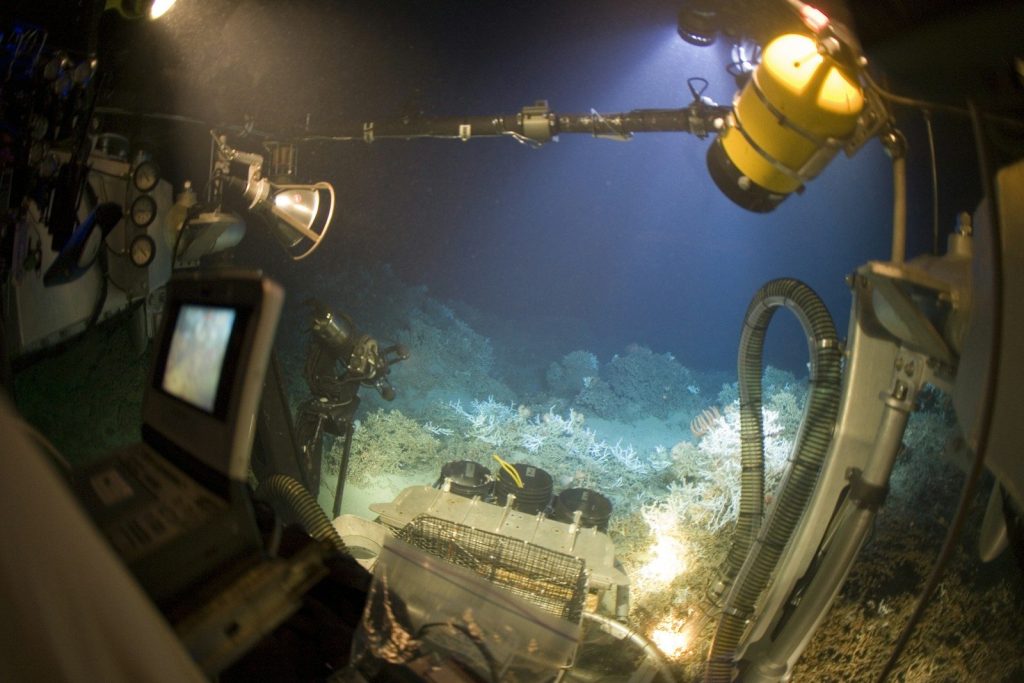
The deep ocean is the ultimate frontier of scientific discovery on Earth. According to marine conservationists, protecting these fragile underwater ecosystems is critical for the future of our biosphere. We must be careful. This article is for informational purposes only.
Featured Image: Photo by Alejandro Seguí on Pexels
Leave a Reply