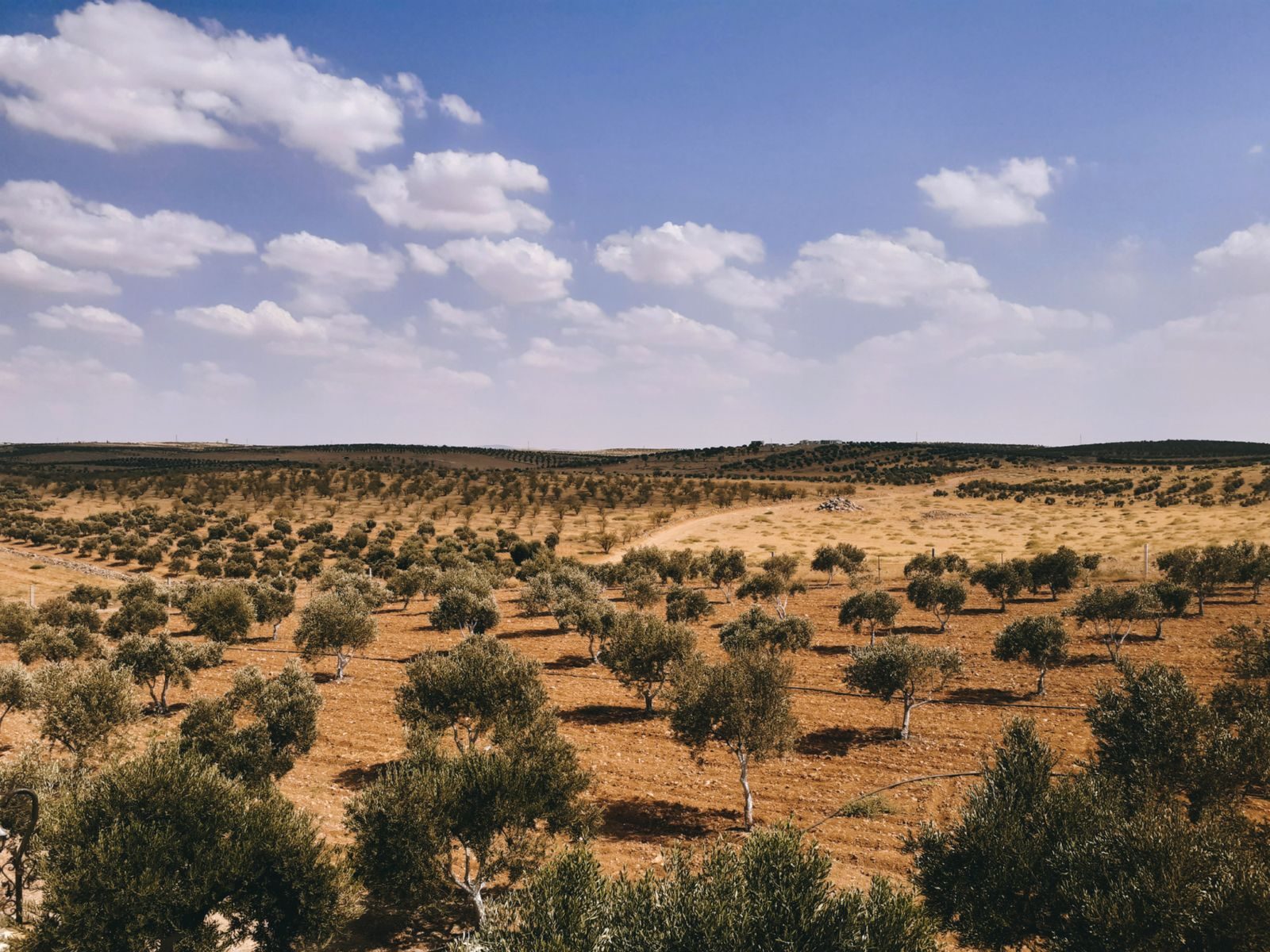
Scientists have always assumed that human-planted forests behave naturally. Most people believe human trees eventually mimic normal ecosystems.
But a major study has revealed that China’s colossal green wall behaves completely differently. These artificial woods are growing at an eerie and unexpected pace.
The Colossal Eco-Shield
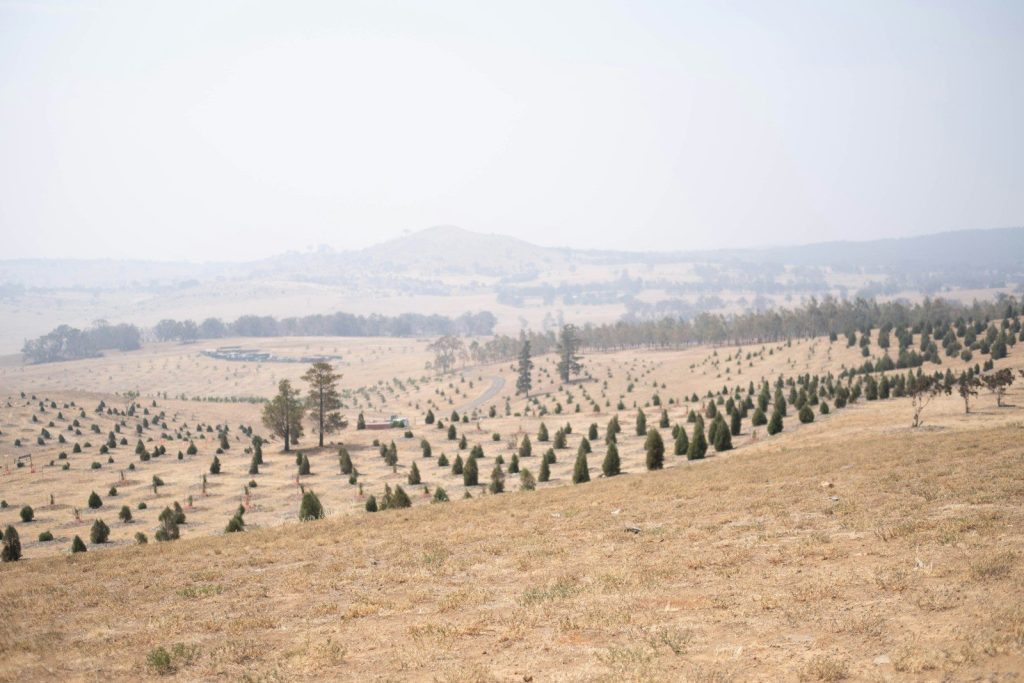
For five decades, China has been planting trees to stop the expanding Gobi desert. The massive green barrier stretches thousands of miles to block dusty winds. According to IFLScience, this project has placed more than 66 billion trees into the soil. It is truly immense. But researchers soon noticed that something was highly unusual under the leafy canopy.
Hyper-Growth In The Dust
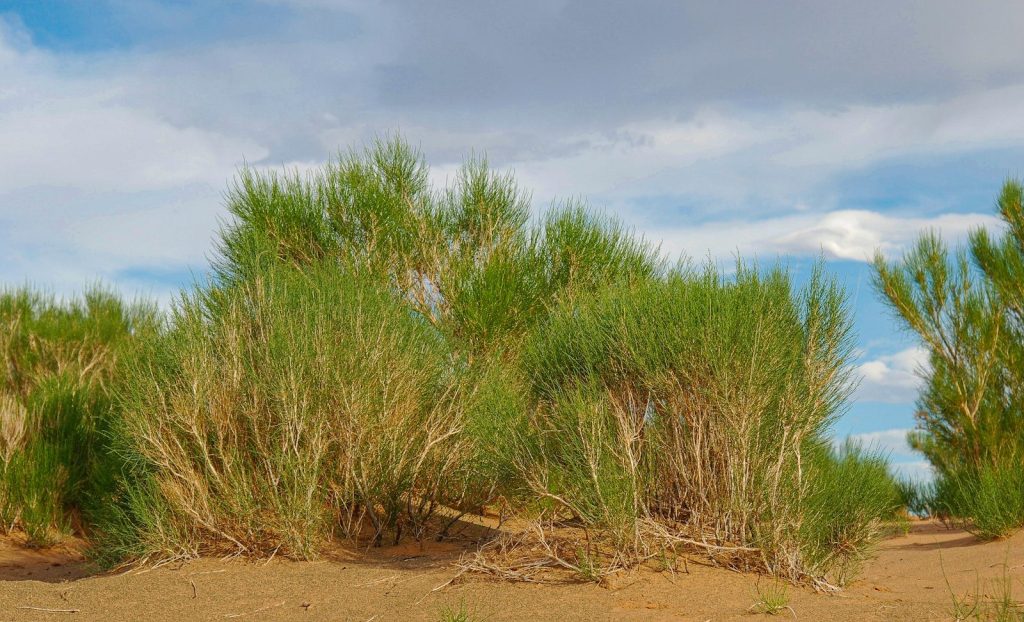
Scientists began tracking the artificial forests using advanced satellites. They expected the trees to grow at a standard, predictable rate. Instead, the team found a jaw-dropping growth rate. According to Peking University, these planted trees developed their green canopy up to three times faster than natural forests. Growth was off the charts. This hyper-activity baffled the research team.
The Mystery Of Youth
Researchers initially thought the hyper-growth was simply because the trees are young. Young leaves are highly efficient at taking in carbon dioxide. According to Geophysical Research Letters, even when accounting for age, the trees still grew nearly five percent faster than expected. The speed was unnatural. Something else was accelerating their growth in the dry dirt.
Flawed Global Models
The rapid growth reveals a massive blind spot in global science. Most climate models treat all forests exactly the same way. According to the study authors, ignoring how a forest was created leads to massive calculation errors. They are fundamentally different. Experts are now scrambling to fix these models before it is too late.
A Secret Carbon Sponge
While the growth is bizarre, it has created a highly effective shield. The trees are absorbing massive amounts of greenhouse gases from the air. According to research on the Taklamakan Desert, the trees sucked up over eight million tons of carbon dioxide annually. It is a giant sponge. Yet, this massive botanical shield comes with a hidden dark side.
Unintended Health Hazards

People living near the giant green wall are experiencing a sudden health crisis. The selected plants are releasing vast clouds of pollen into the air. According to Live Science, allergy cases have surged drastically in nearby communities. Breaths are becoming harder. The source of this misery was hidden inside the leaves themselves.
The Sneeze Wall
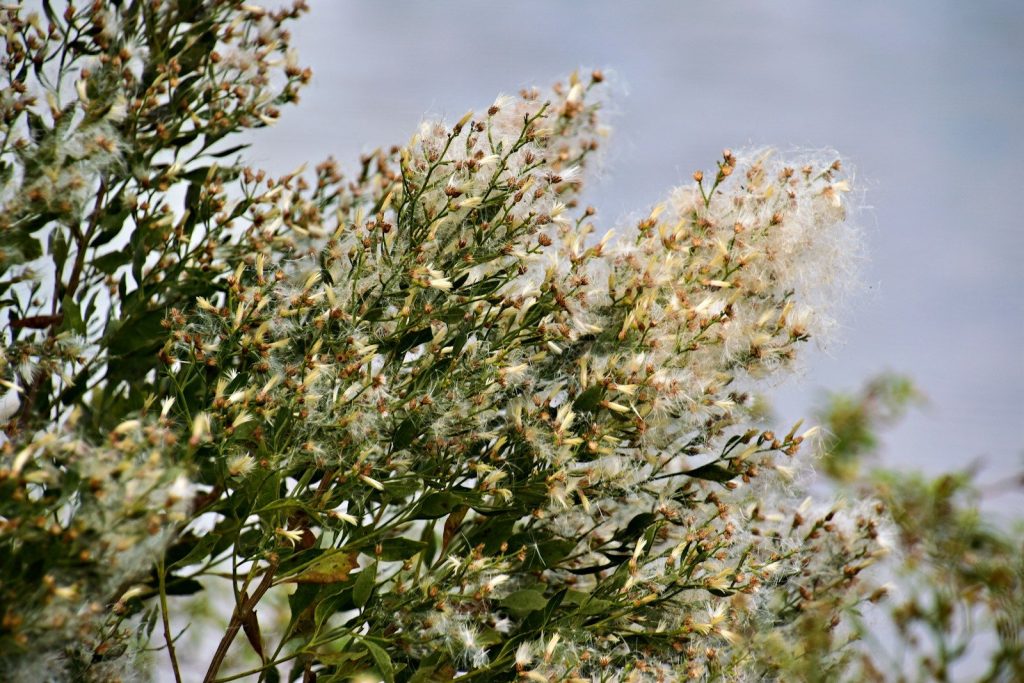
The chosen plants include aggressive allergens like willow and poplar. This specific mix has doubled the allergy rates for local citizens. According to a study by ecologist Yuhang Luo, these species release high levels of irritating volatile compounds. The air is toxic. This environmental puzzle is forcing a massive rethink of global climate projects.
Rewriting Ecological Science
China’s experiment proves that human hands can reshape climates but cannot perfectly mirror nature. They have different rules. According to environmental researchers, understanding these differences is vital for our future. This article is for informational purposes only.
Leave a Reply