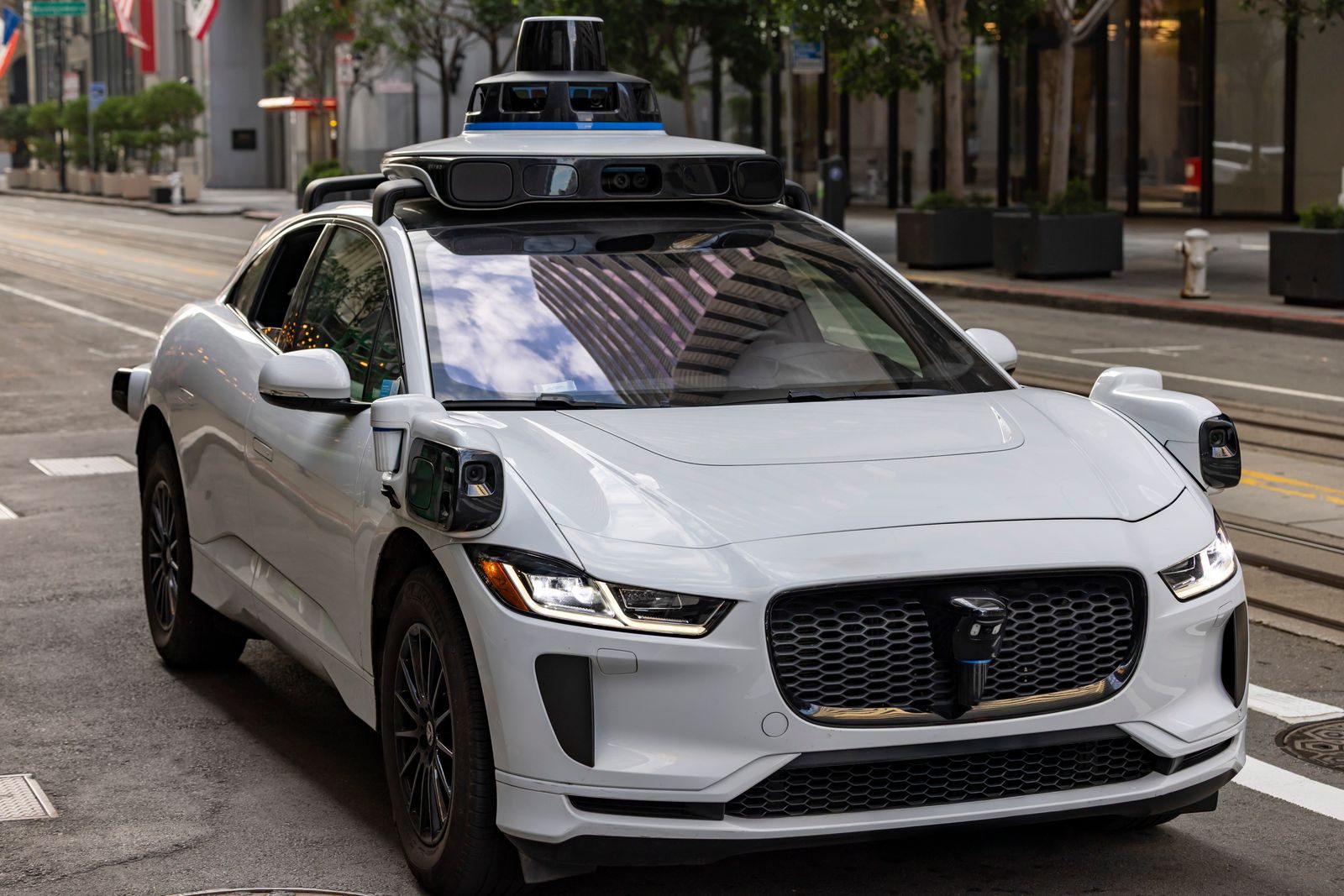
Drivers believe that autonomous cars are rapidly approaching absolute perfection. We expect these expensive vehicles to navigate streets flawlessly.
But advanced artificial intelligence is still struggling with one incredibly common obstacle. This simple blind spot causes absolute chaos.
The Illusion Of Autonomy
Modern autonomous vehicles use an incredible array of lasers and cameras to scan their surroundings. They can easily detect speeding trucks and crossing pedestrians from hundreds of feet away. According to data from the National Highway Traffic Safety Administration, these systems can react much faster than human drivers. They are highly alert. Yet a specific real-world scenario continues to paralyze their software.
The Roadside Emergency Puzzle
When a self-driving car encounters a parked emergency vehicle, the software often gets deeply confused. Flashing sirens and bright orange cones create a chaotic visual field that the system cannot easily map. According to transportation safety reports, autonomous vehicles frequently freeze or drift directly into active work zones. This is incredibly dangerous. And the underlying reason for this software failure is surprisingly basic.
Too Much Digital Noise
The onboard computers process millions of pixels every second to make instant driving decisions. When police cars flash their strobe lights, the sudden glare overwhelms the sensitive camera sensors. According to autonomous vehicle engineers, this intense light creates massive digital noise that blinds the AI brain. The sensors get overloaded. This causes the vehicle to stop abruptly in the middle of active traffic.
Misinterpreting Static Objects
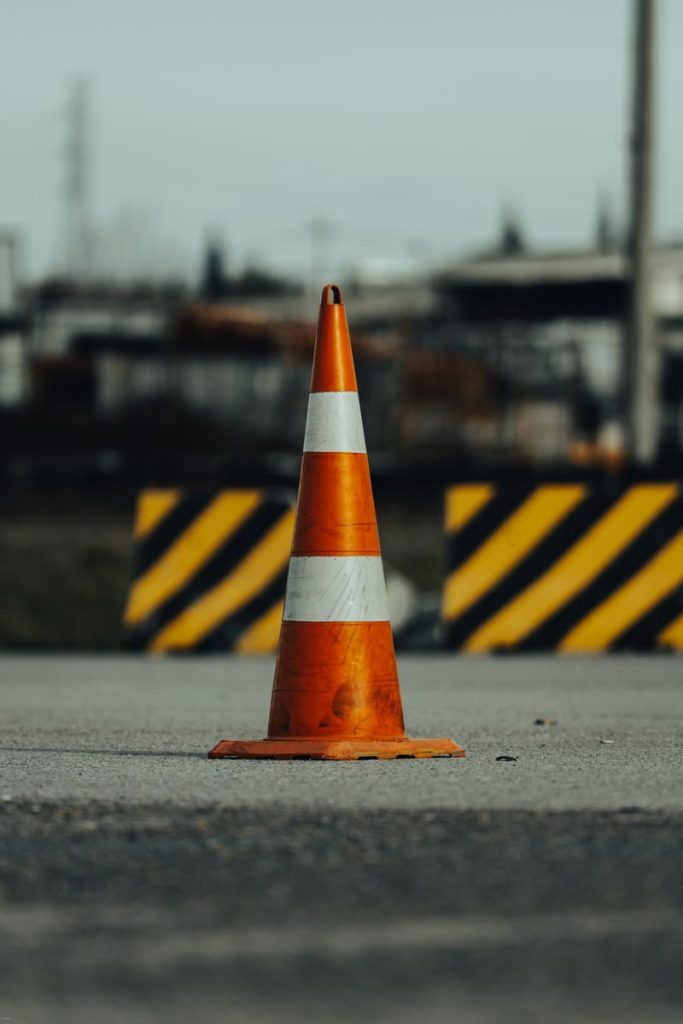
Self-driving software is highly trained to track moving targets like cars and bike riders. But static objects parked on the shoulder are much harder for the radar algorithms to classify correctly. According to a study by the Insurance Institute for Highway Safety, the vehicle computers sometimes mistake stationary trucks for simple background scenery. They ignore the danger. This fatal error can lead to severe high-speed rear-end collisions.
The Human Hand Signal

First responders often use hand signals to direct traffic around a fresh accident scene. While human drivers instantly understand these gestures, an artificial intelligence has no reliable way to interpret them. According to robotics researchers, training a computer to read diverse human body language is a monumental challenge. Robots lack common sense. This leaves the driverless car stuck waiting for a human operator to intervene.
Mapping The Unpredictable
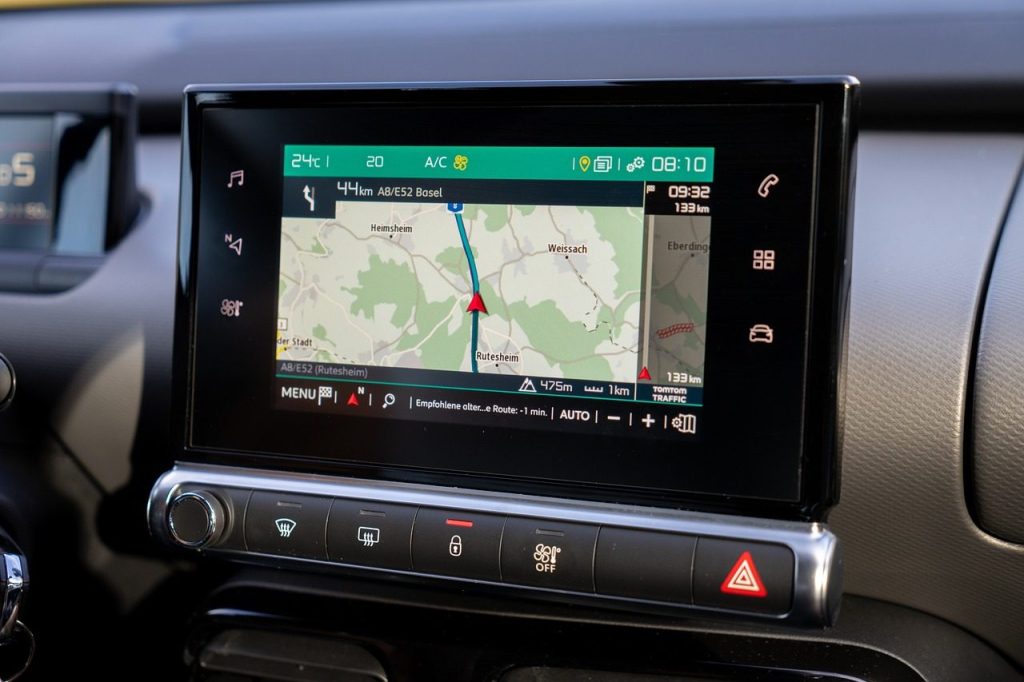
Autonomous vehicles rely heavily on pre-loaded high-definition maps of the city streets. But emergency scenes are by definition unpredictable and dynamic. According to urban planning studies, construction zones and accident detours change the road layout instantly. These changes are sudden. This forces the car to make decisions on the fly without its trusty digital guide.
Searching For Smarter Sensors
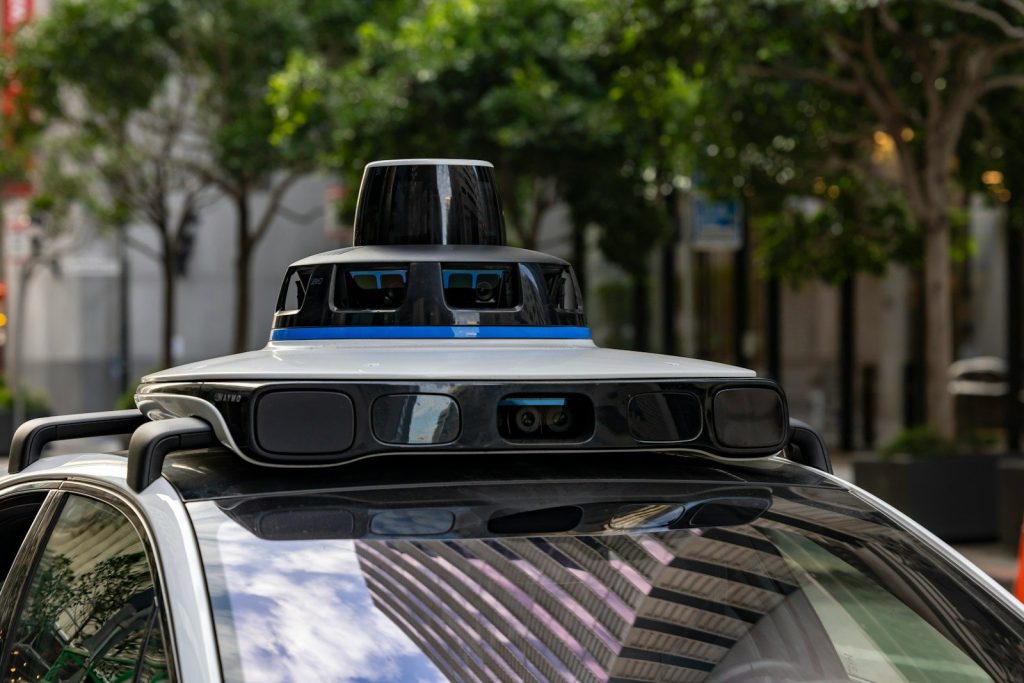
Tech companies are trying to solve this issue by adding advanced thermal cameras to their vehicles. These heat-seeking sensors can spot human workers and parked vehicles even through dense smoke or bright glare. According to hardware manufacturers, combining thermal tech with radar could prevent thousands of collisions. Progress is very slow. But the industry must fix this safety gap before driverless cars can truly go mainstream.
A Long Road Ahead

The dream of fully autonomous roads is still facing massive real-world hurdles. Engineers must teach their computers to handle chaotic emergency scenes with human-level intuition. According to automotive safety experts, we are still years away from perfect self-driving cars. This takes time. This article is for informational purposes only.
Featured Image: Photo by Stephen Leonardi on Pexels
Leave a Reply