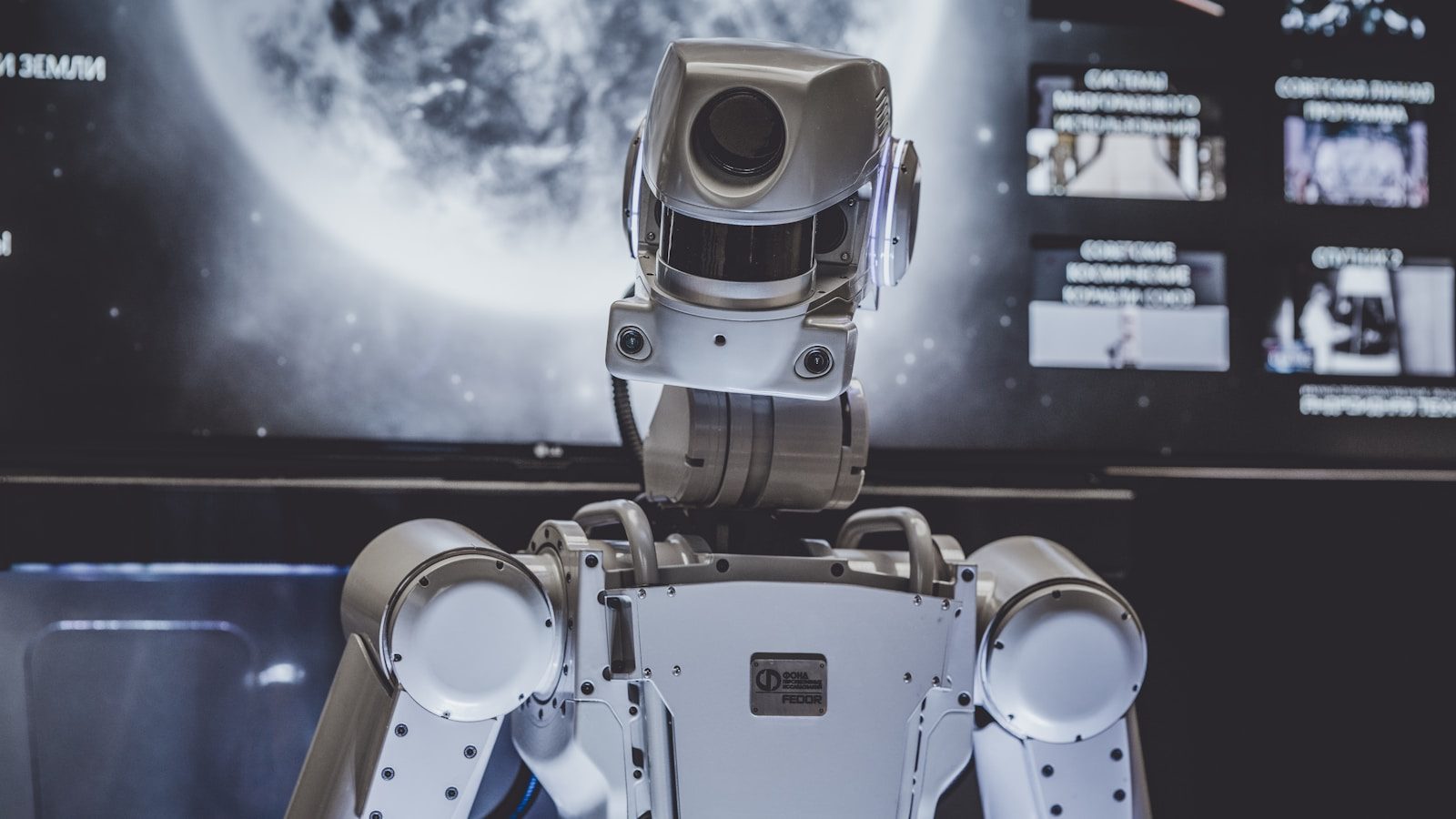
Astronomers have spent decades listening to the quiet static of outer space. We expect a friendly signal to sound like a clean, repetitive radio beep.
But modern technology is proving that our search is completely outdated. Intelligent signals from other star systems are likely hidden in complex cosmic noise.
The Human Cosmic Filter
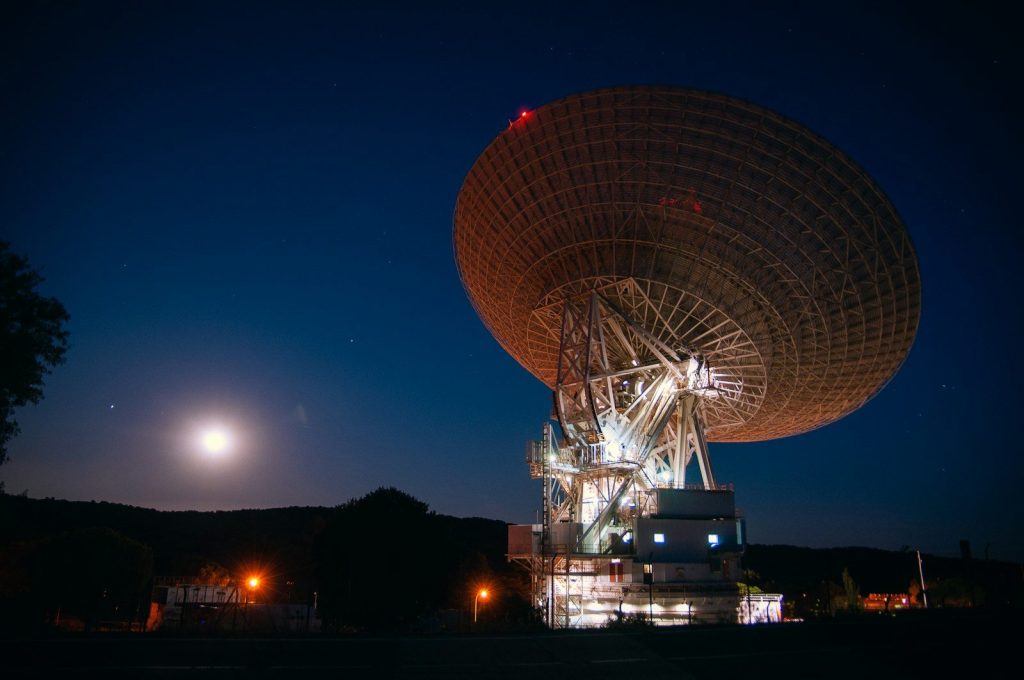
For over sixty years, human analysts scanned radio frequencies for signs of alien life. The cosmos remained silent. According to researchers at the SETI Institute, our traditional telescope filters are simply too narrow to catch complex interstellar broadcasts. We are basically looking for a needle in an infinite ocean of stars. But a powerful new tool has finally entered the cosmic search.
Deep Patterns In Noise

Supercomputers are now sorting through millions of gigabytes of raw astronomical data every second. Computers do not sleep. According to reports from the Breakthrough Listen project, machine learning algorithms can detect faint, erratic pulses that human eyes completely miss. These smart systems find hidden structures inside random radio static. Yet, the first major test of this technology produced a highly shocking result.
Eight Strange New Signals
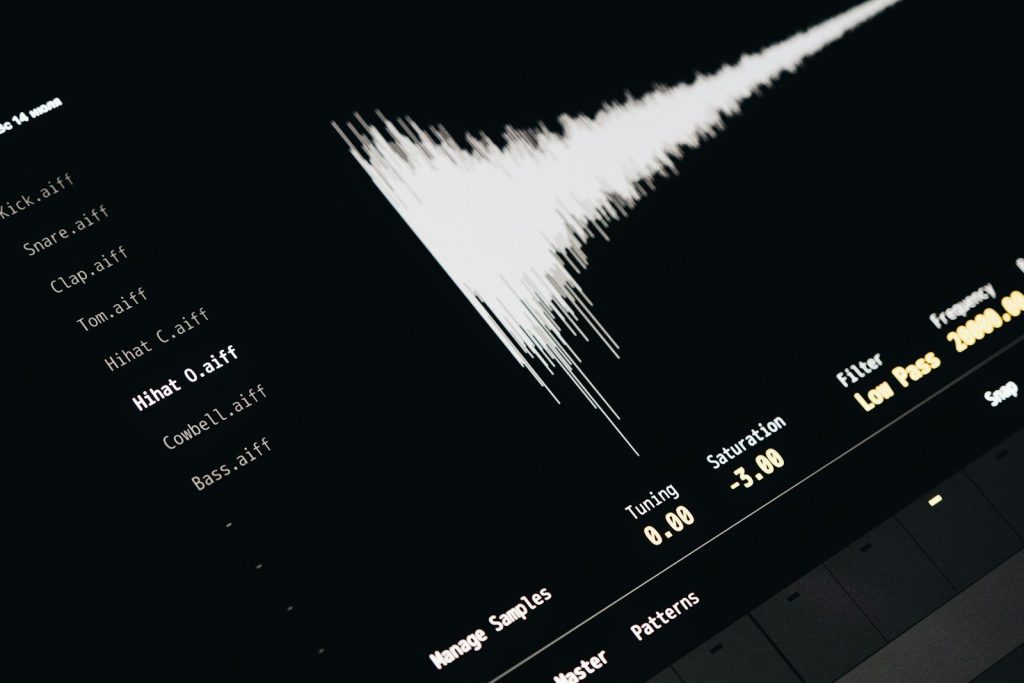
While scanning old data, an advanced algorithm successfully flagged eight unique cosmic signals. The machines were precise. According to a study published in Nature Astronomy, these specific frequencies came from five nearby stars located dozens of light-years away. Previous scientific searches had completely ignored these exact radio files. But researchers soon faced a massive challenge when they tried to find them again.
The Vanishing Radio Beeps

When astronomers pointed their massive dishes back at the target stars, the signals had vanished entirely. Space is incredibly unpredictable. According to space physics experts, interstellar transmissions might be brief, directional pulses rather than constant beacons. This means the windows to catch them are incredibly small. However, this fleeting nature also points to a far more advanced type of cosmic sender.
Beyond Simple Laser Pulses
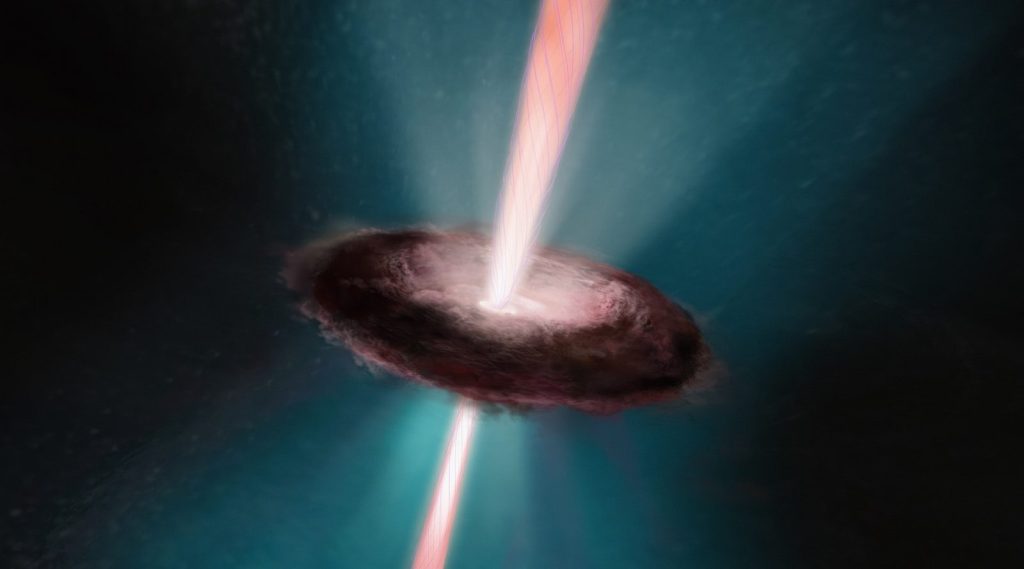
A highly advanced civilization would probably use complex, compressed data streams rather than simple radio waves. Our technology is basic. According to researchers at the University of Toronto, sending simple tones across the galaxy is terribly inefficient. Aliens might hide their secrets in chaotic cosmic waves. But this means we must change our entire concept of what a message looks like.
Signals In Cosmic Dust
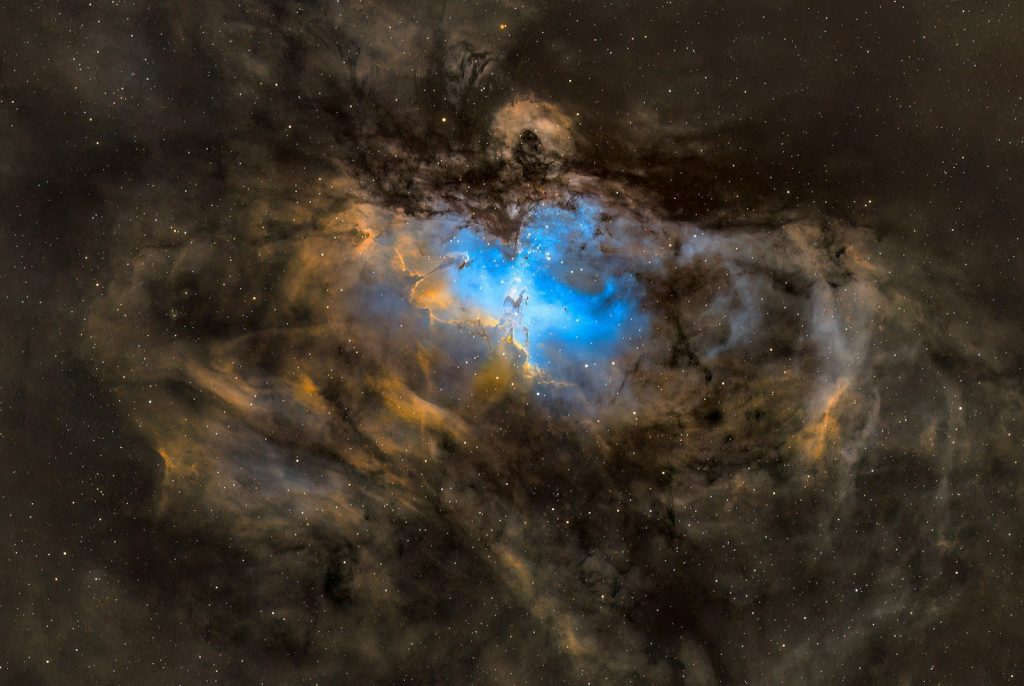
Instead of listening to radio waves, some scientists are using algorithms to search for stellar megastructures. The galaxy is dusty. According to reports from the European Space Agency, infrared telescopes are searching for unusual thermal shadows around distant stars. Smart computers spot these minor light dips with incredible speed. But this digital evolution is leading astronomers to a profound realization.
The Silent Cosmic Pioneers
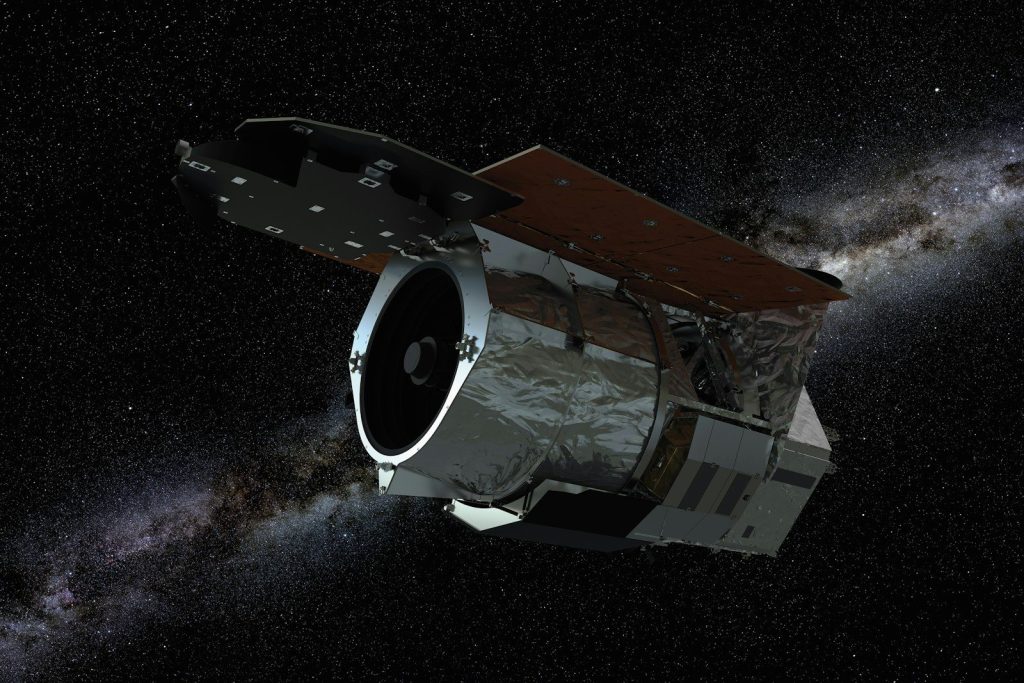
The first intelligence we contact in deep space will likely be machine rather than biological. They are digital explorers. According to artificial intelligence experts, deep space travel is far too hostile for fragile biological bodies. This cosmic truth changes how we must prepare for any future contact. This article is for informational purposes only and does not constitute professional scientific advice.
Featured Image: Photo by Arseny Togulev on Unsplash
Leave a Reply