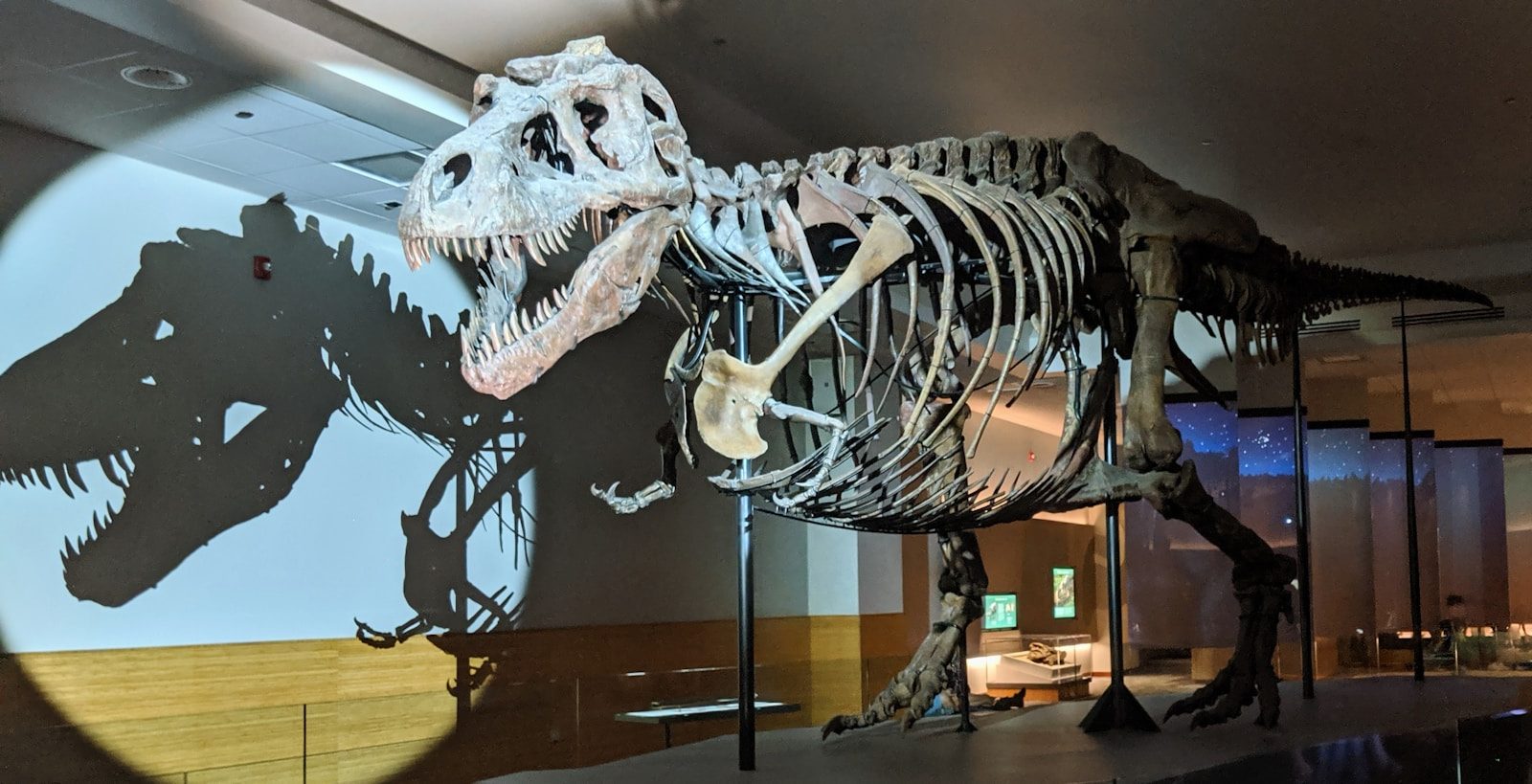
Most people assume that precious dinosaur skeletons always end up in public museums. We trust that scientists will preserve and study these ancient relics for generations.
But a massive Tyrannosaurus rex fossil found in South Dakota was just sold to a private buyer. This multi-million dollar sale has triggered a fierce battle over the future of prehistory.
A Shocking Discovery
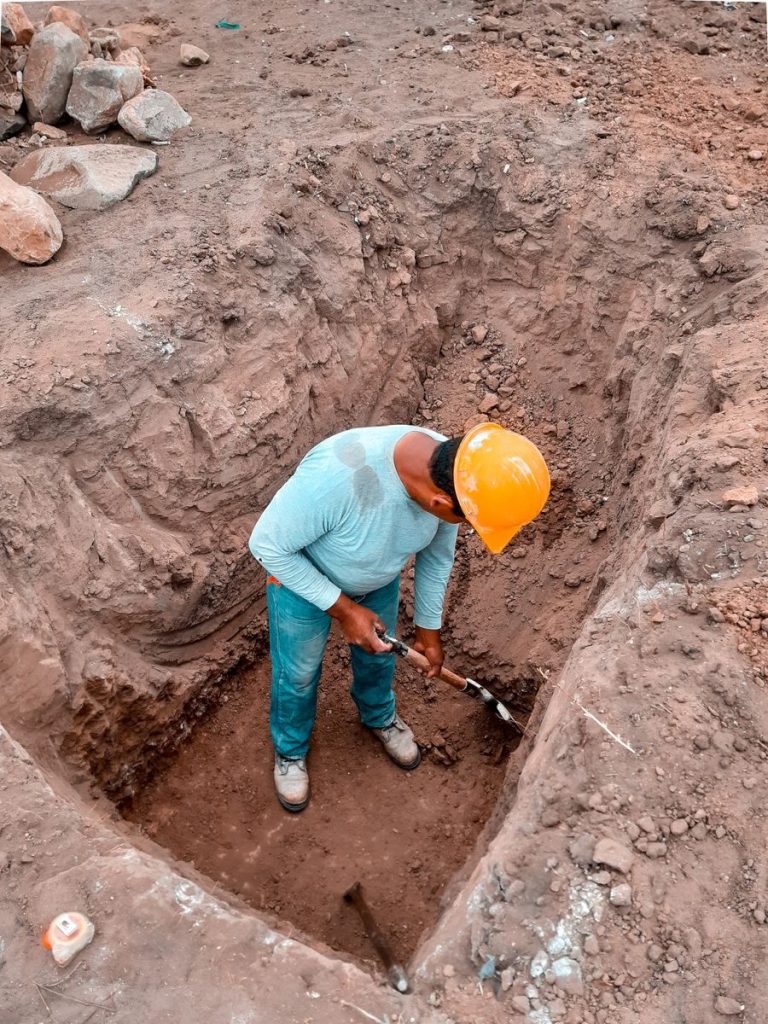
In 2021, a rancher in South Dakota stumbled upon a massive bone on his land. It was a giant. According to reports from Sotheby’s, this discovery turned out to be Gus, one of the most complete T. rex skeletons ever found. A team spent five years carefully excavating the fossil. But this scientific triumph was soon overshadowed by a massive financial battle.
The Fifty Million Dollar Sale

In July 2026, the skeleton was put up for auction in New York. The bidding went wild. According to auction records, the fossil sold for a record-breaking fifty point one million dollars. This is a fortune. This astronomical price blew past all previous dinosaur sales. But this massive victory for the sellers has left the scientific community deeply devastated.
Lost To Private Collections

When a fossil is purchased by an anonymous private buyer, its future becomes highly uncertain. Scientists may never get to see it again. According to the Society of Vertebrate Paleontology, private sales often lock important specimens away in private mansions or corporate offices. They are hidden. This practice prevents researchers from verifying crucial evolutionary details about the species. And this lack of access hurts scientific progress.
Why Gus Is So Rare
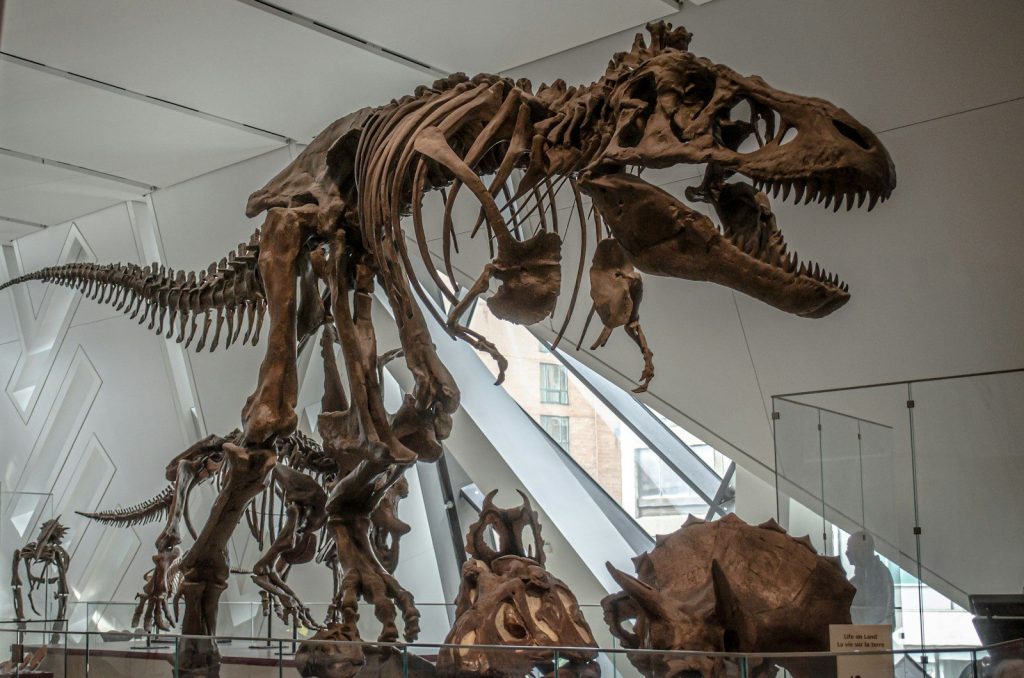
Gus is not just any ordinary dinosaur skeleton. It is a masterpiece. According to the excavation team, the skeleton is about sixty-three percent complete and includes a beautifully preserved skull. This completeness is incredibly rare in paleontology. It holds answers to how these massive predators lived, hunted, and healed. But without public access, these secrets will remain locked away in the dark.
The Private Property Loophole
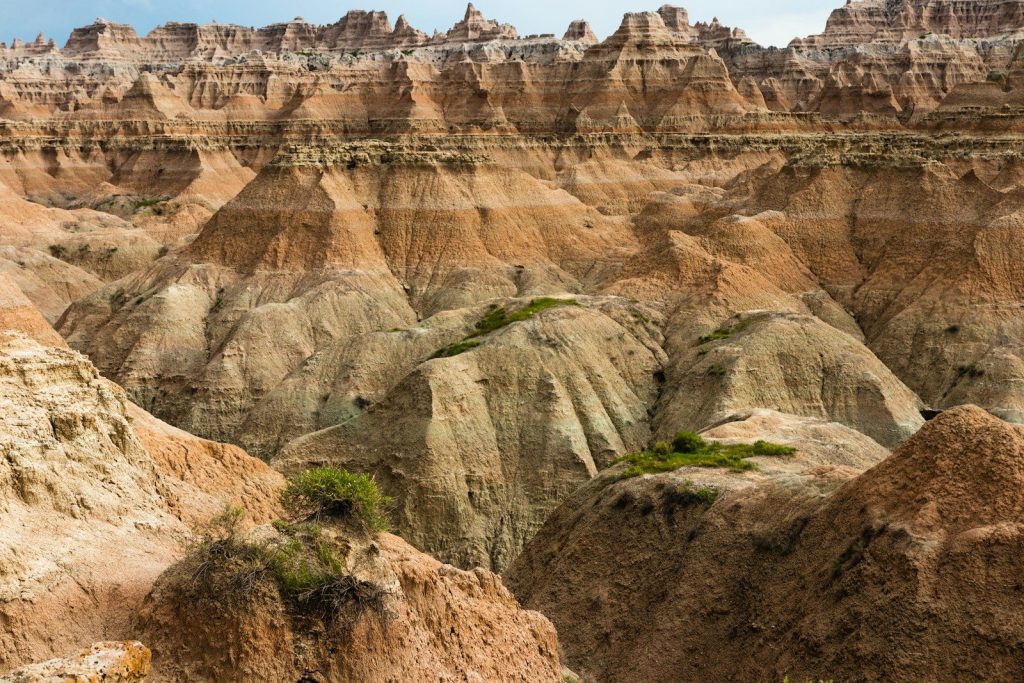
How can a priceless piece of history be sold to the highest bidder? It comes down to laws. According to federal land regulations, fossils found on private land belong entirely to the landowner. They can sell them. This means anyone with a shovel can dig up history and sell it on the open market. And this legal reality is fueling a massive fossil hunting boom.
Commercial Hunting Threat
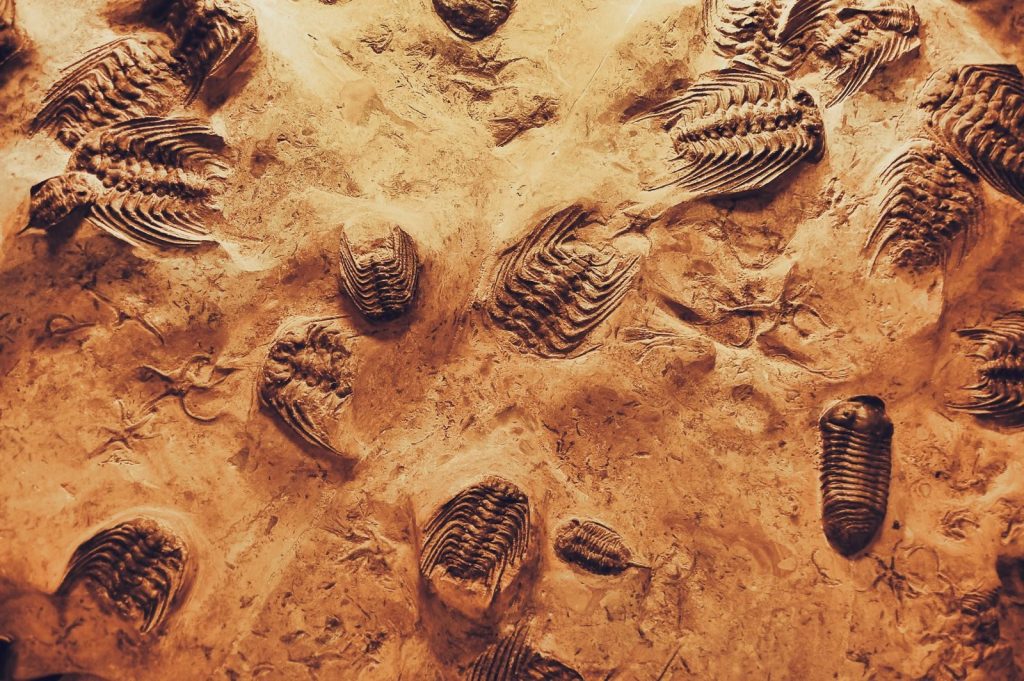
The soaring prices of fossils have created a new class of professional treasure hunters. They are seeking big payouts. According to academic researchers, this commercial rush is driving land prices up and making excavation too expensive for universities. Public institutions simply cannot compete. This shift is slowly locking scientists out of the best fossil-rich lands in the country. But a solution might still be possible.
A Battle For The Past
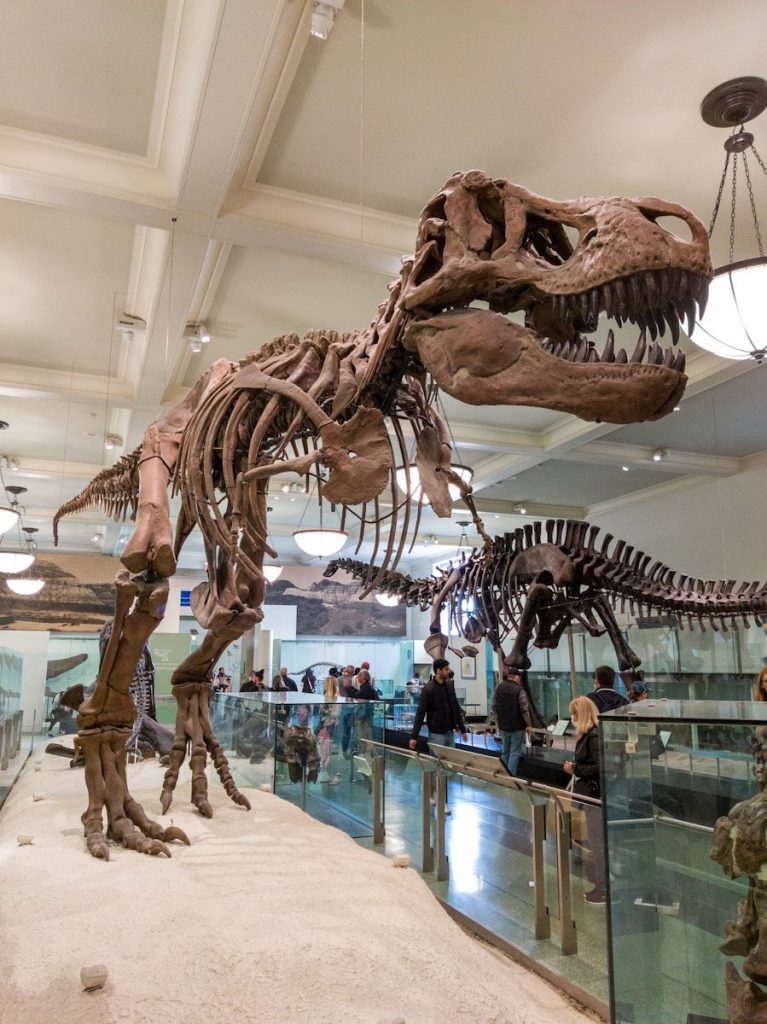
According to museum curators, the sale of Gus proves we need private donors to help public institutions buy rare fossils. Our past belongs to everyone. Hopefully this stunning T. rex will eventually find its way into a public hall. This article is for informational purposes only.
Featured Image: Photo by Solstice Hannan on Unsplash
Leave a Reply