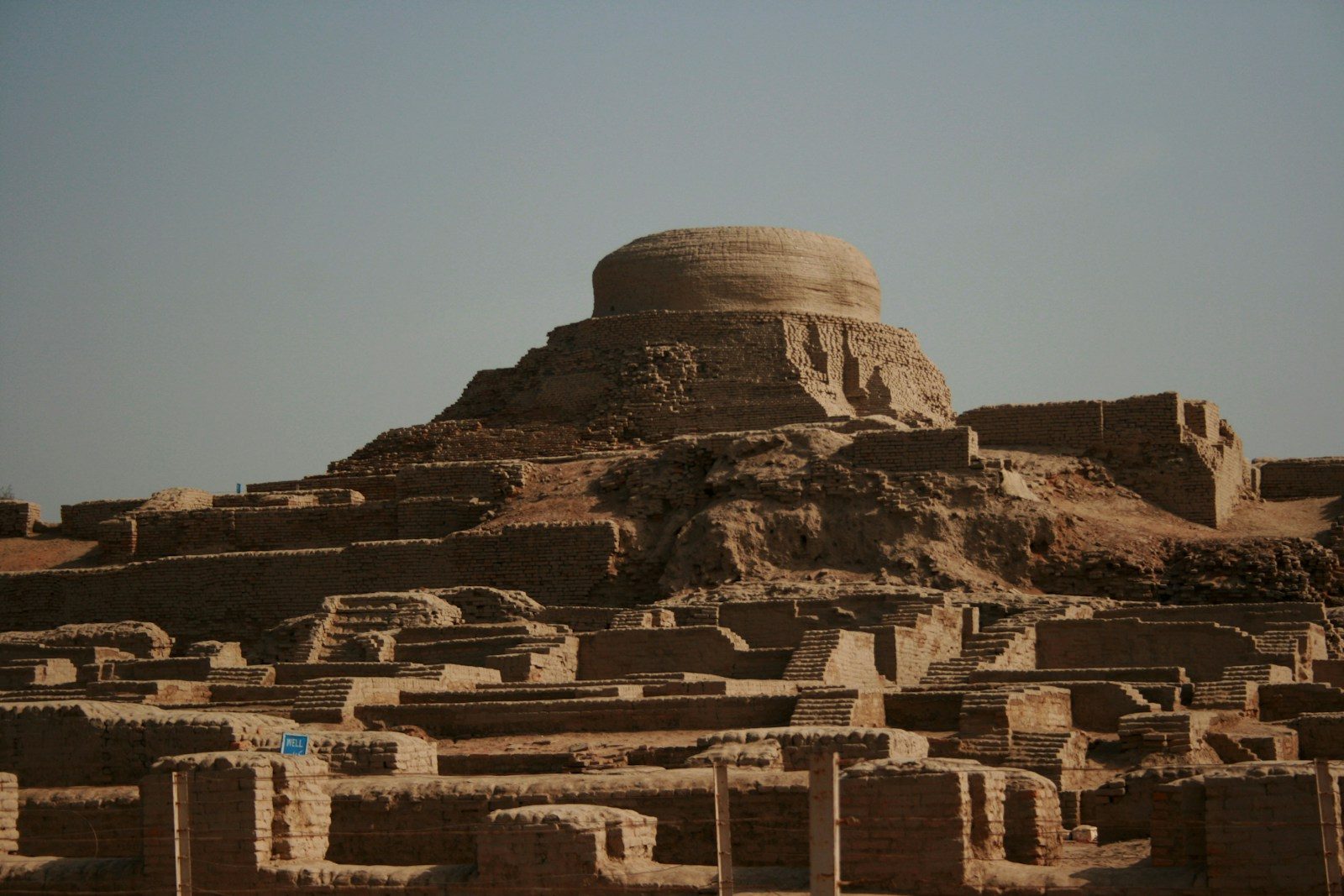
Most people believe humanity is the first intelligent civilization to ever rise on Earth. We assume the story of complex life begins and ends with us.
But scientists are now asking a question that changes everything. What if we are not the first — and the evidence has been hiding in plain sight all along?
The Idea Nobody Wanted

For decades, the idea of a pre-human civilization was dismissed as science fiction. Scientists had a simple rule. If something advanced existed before us, we would have found it. But geologist Jan Zalasiewicz argued in a widely discussed 2019 paper that industrial-era civilizations would leave almost nothing behind after tens of millions of years. The geology alone might erase the evidence entirely. And that changes the conversation completely.
What Rocks Can Hide
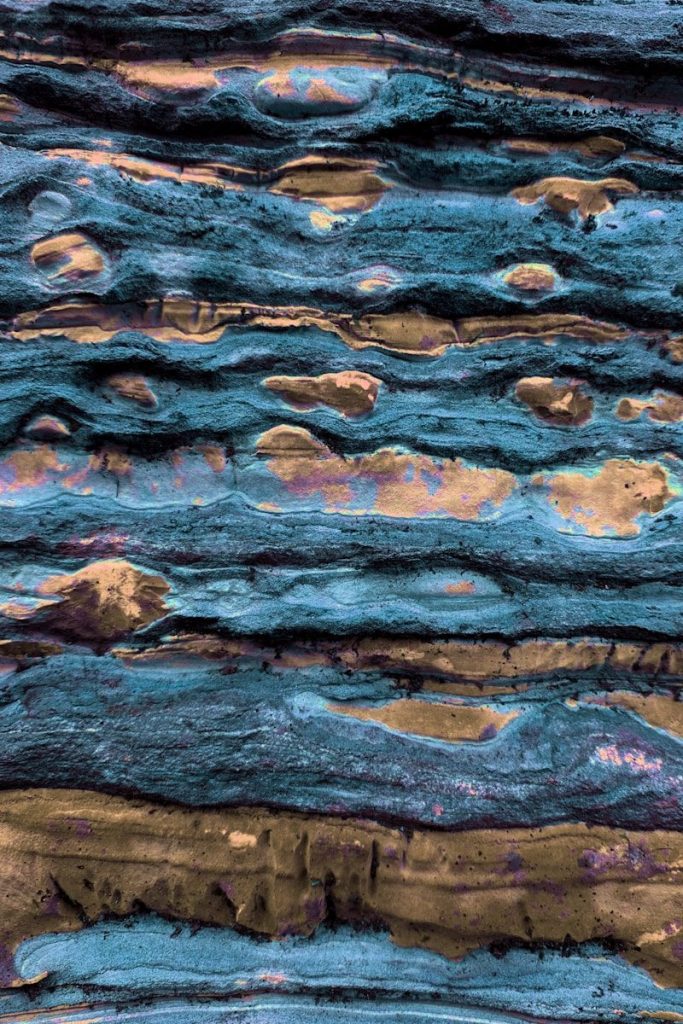
The geological record only preserves a fraction of whatever existed on Earth. Thin layers. Scattered fragments. According to researchers at the Geological Society of America, most surface-level structures disappear within 10 million years due to erosion, tectonic activity, and sediment burial. An ancient city could become indistinguishable from natural rock formations over that kind of time. It sounds impossible. But the math actually supports it. What researchers found buried deeper made this theory harder to dismiss.
The Silurian Hypothesis Explained
Scientists Gavin Schmidt and Adam Frank formally proposed the Silurian Hypothesis in 2018, published in the International Journal of Astrobiology. The name is a nod to a fictional reptilian civilization from the British show Doctor Who. Their real argument was serious. They asked whether current detection methods could actually identify a non-human industrial civilization that existed millions of years ago. The answer was sobering. We might not be able to. That raised an even bigger question about the fossil record itself.
Clues Hidden in Carbon
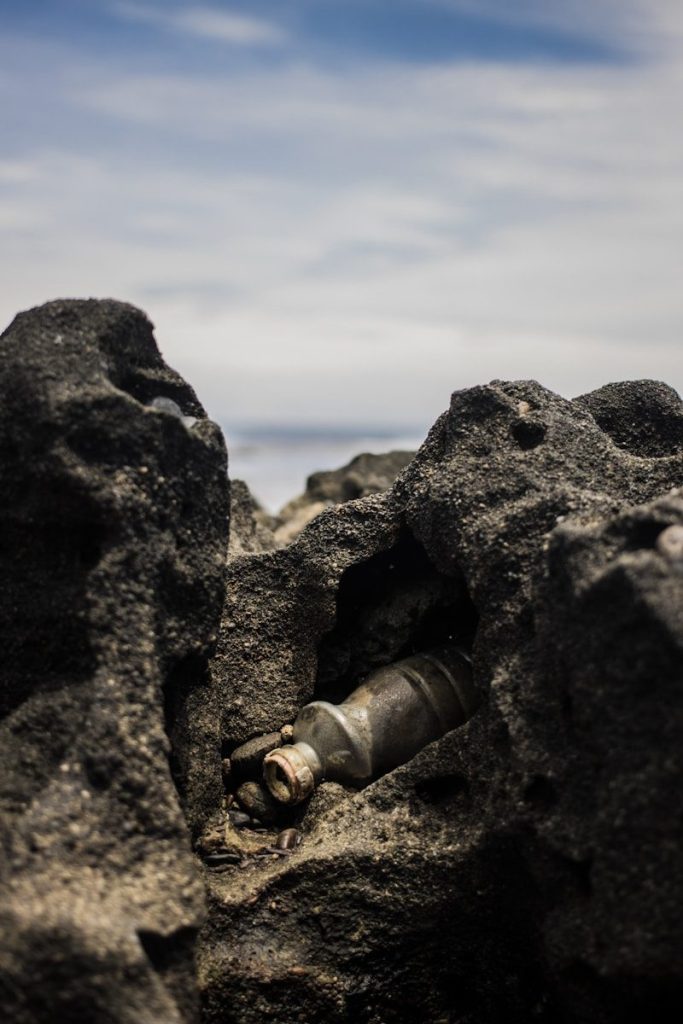
One potential fingerprint of an ancient civilization would be an unusual spike in carbon or other industrial isotopes buried in ancient rock layers. According to Schmidt and Frank’s paper, a sufficiently old industrial society could produce chemical anomalies similar to what geologists already call the Paleocene-Eocene Thermal Maximum, a mysterious warming event 56 million years ago. That event still lacks a fully agreed-upon cause. Some researchers now look at it differently. The most unsettling part of this theory is what it implies about Earth’s timeline.
Time Scales We Cannot Imagine
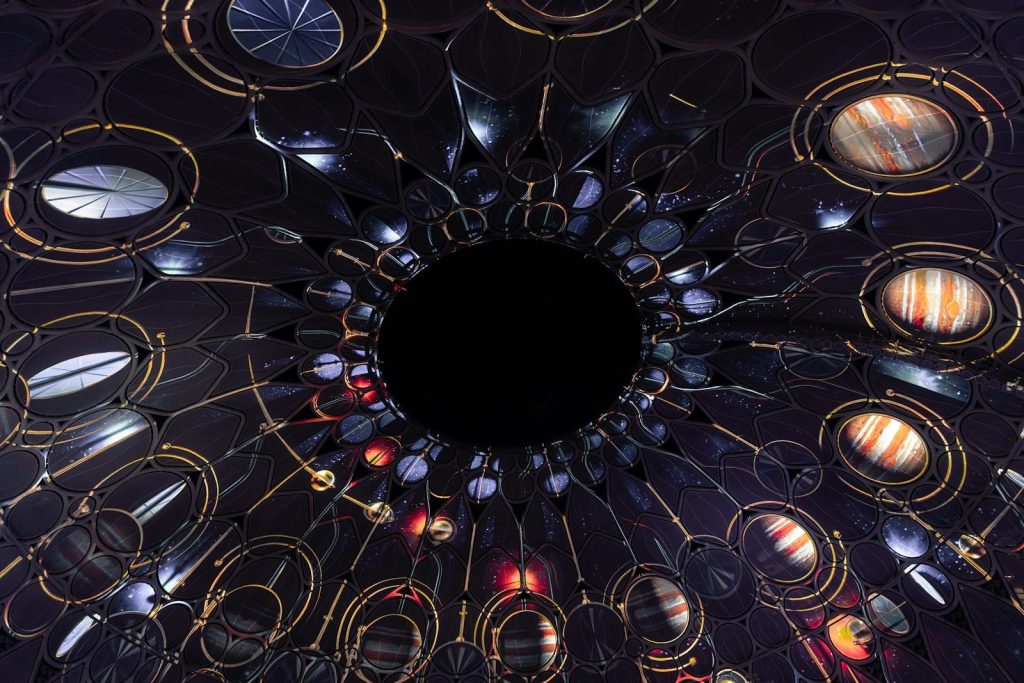
Earth is 4.5 billion years old. Complex life has existed here for roughly 600 million years. Modern humans have been around for about 300,000 years. That means there is an enormous window of time before us in which something else could have risen and collapsed entirely. According to paleontologist Peter Ward, extinction events have reset life on Earth multiple times. Each reset is a new starting point. One may have started with us. But the implications of this theory reach far beyond our own planet.
What This Means for the Universe
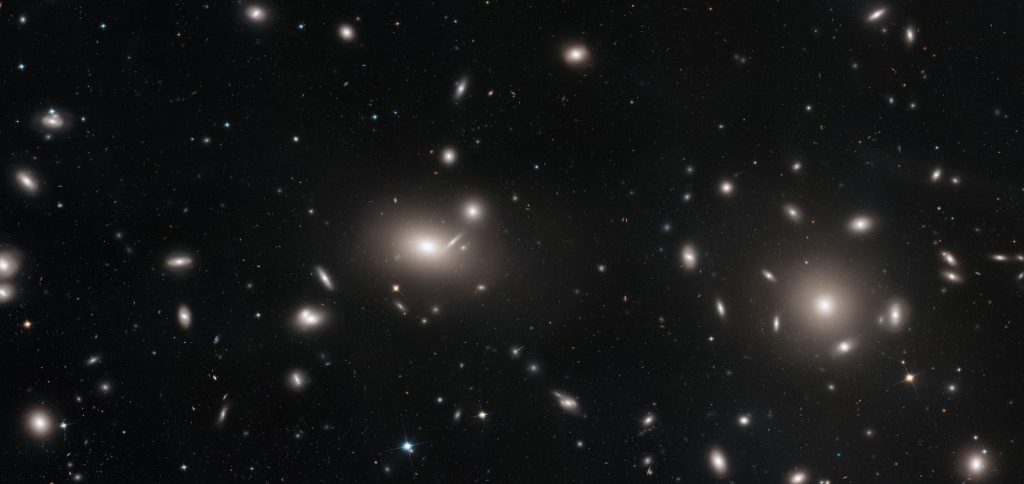
If a civilization could rise and vanish without leaving a recognizable trace on its own planet, then the same could be true across the galaxy. According to astrophysicist Adam Frank, this reframes the Fermi Paradox entirely. We ask why we have never detected alien life. The real question might be whether we would even recognize the signs. Advanced civilizations may leave quieter footprints than we assumed. That is a deeply uncomfortable thought. The answer may already exist somewhere in Earth’s own geological record.
What Scientists Are Looking For

Researchers are now developing new methods to scan ancient rock strata for chemical anomalies that do not match known natural processes. According to the International Journal of Astrobiology, the markers would include isotopic spikes in carbon, nitrogen, or rare earth elements in patterns inconsistent with volcanic or biological sources. It is slow, painstaking work. But the approach is real science. And it is underway right now. The strangest part is how much we still do not understand about our own planet’s deep past.
A Question Worth Taking Seriously

The Silurian Hypothesis does not claim a lost civilization definitely existed. It asks whether we would know if one had. That is a genuinely important scientific question. According to Gavin Schmidt and Adam Frank, the value is not in the answer but in sharpening the tools we use to look. Earth holds billions of years of secrets. We have only just started reading them. This article is for informational purposes only.
Featured Image: Photo by Noman Bukhari on Unsplash
Leave a Reply