Category: Lifestyle

  • The Surprising Metabolic Truth Behind King Charles Dinner Routine

    The Surprising Metabolic Truth Behind King Charles Dinner Routine

    The daily routine of the British monarch is legendary. King Charles lives a highly structured life that is shaped by ancient royal traditions. This intense routine extends directly to his daily diet. According to reports from former royal chefs, the King follows a surprisingly strict eating schedule. He routinely skips lunch entirely and eats his final meal late in the evening. Nutritionists have spent years analyzing this unique dietary pattern to see how it impacts healthy aging. They are finding that his daily routine aligns closely with modern metabolic science. This extreme discipline might be the secret behind his high energy levels at an advanced age. But his eating habits are actually shaped by a very specific philosophy. His daily menu reveals a deep commitment to environmental health and personal wellness.

    The Scientific Impact of Skipping Lunch

    a plate with a fork and knife on it
    Photo by Jonathan Greenaway on Unsplash

    Skipping lunch is a form of intermittent fasting. This practice triggers a cellular process called autophagy. According to research published in The New England Journal of Medicine, fasting helps the body clear out damaged cells. This process can reduce chronic inflammation and improve cellular repair. For a busy monarch, this dietary choice keeps his mind sharp during long afternoon engagements. But skipping a meal requires intense discipline to avoid sudden energy crashes.

    The Environmental Footprint of a Royal Menu

    greenhouse interior
    Photo by Abigail Lynn on Unsplash

    King Charles is a passionate champion of organic farming. He established the famous Duchy Home Farm in 1985 to practice sustainable agriculture. The King eats organic fruits and vegetables harvested directly from his estate. He also avoids eating meat or fish on certain days of the week to reduce his carbon footprint. This plant-based approach is highly praised by environmental scientists. It shows that luxury dining can be both healthy and sustainable.

    The Dynamic Power of Local Sourcing

    red and yellow tomatoes in brown woven basket
    Photo by Vije Vijendranath on Unsplash

    The royal family does not rely on imported processed foods. The King prefers locally sourced ingredients that are in season. This means his diet changes naturally throughout the year. Eating seasonal foods ensures he gets the highest concentration of vitamins and minerals. Nutritionists agree that local produce is much easier on the digestive system. But his beverage choices are just as deliberate as his food.

    A Royal Obsession with Organic Tea
    tea, hot, cup, drink, cup of tea, tea cup, tea time, teacup, mug, beverage, black tea, hot beverage, hot drink, tea, tea, tea, tea, tea
    Photo by 822640 on Pixabay

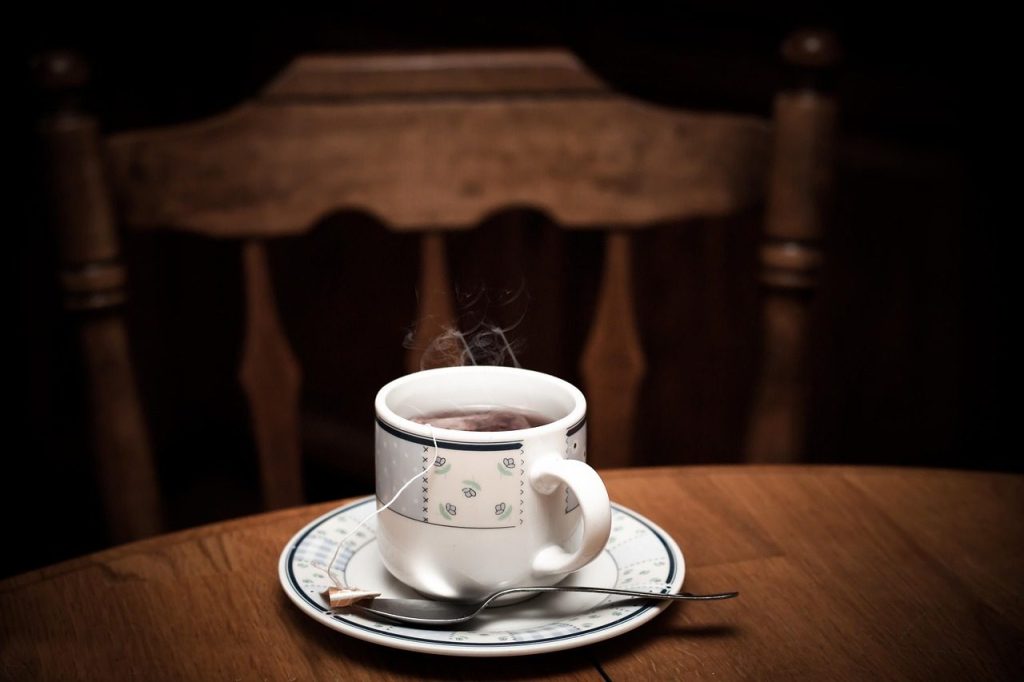
    Water and tea are the primary beverages served at the royal table. The King is particularly fond of Darjeeling tea served with a small spoonful of organic honey. Honey contains natural antioxidants that help soothe the digestive tract. It also offers a gentle energy boost without causing a massive blood sugar spike. This simple beverage choice helps keep his hydration levels steady. But his dinner routine holds a very different kind of challenge.

    The Metabolic Challenge of Late Night Dining
    dinner, table, home, table setting, dining, celebration, elegant, interior, candles, dinner, dinner, dinner, dinner, dinner
    Photo by JillWellington on Pixabay

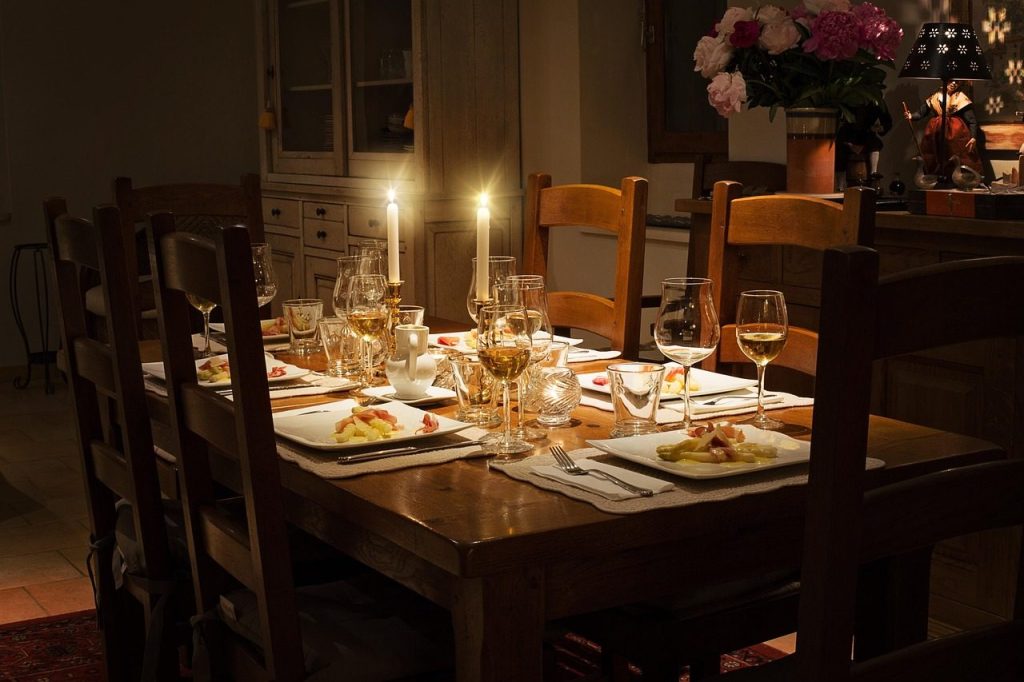
    Eating late in the evening can sometimes disrupt sleep patterns. The body must work hard to digest food when it should be resting. However, the King keeps his evening meals relatively light to offset this effect. He often enjoys wild game or fresh fish paired with garden vegetables. This protein-rich combination supports muscle maintenance without overloading the stomach. But there is one specific food item that never appears on his plate.

    Banishing Garlic From the Royal Household
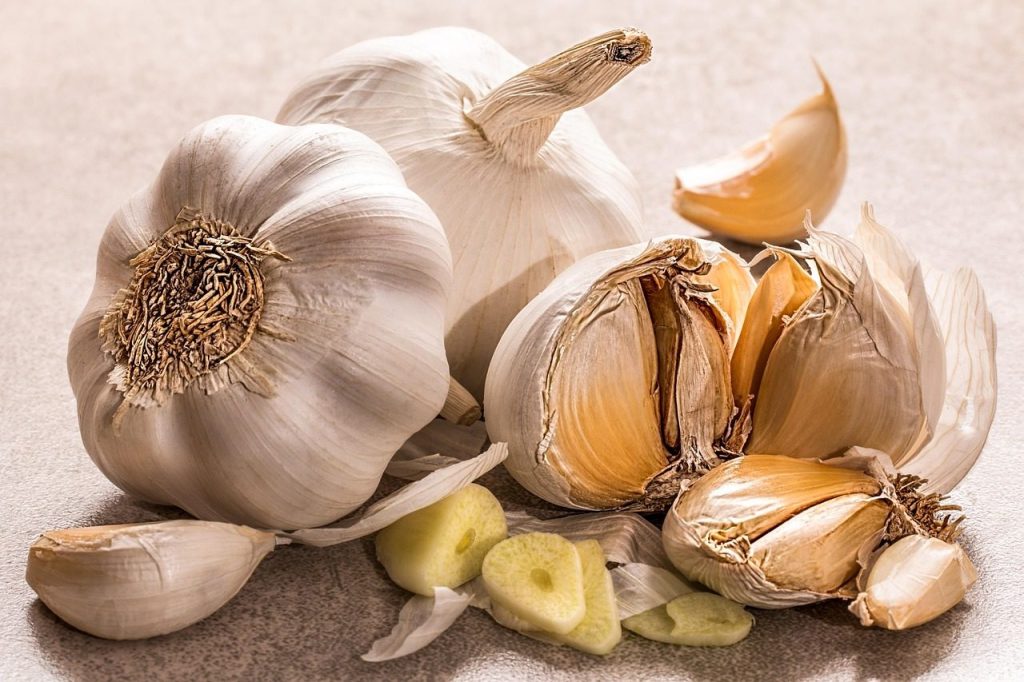
    garlic, ingredient, flavoring, seasoning, garlic cloves, cooking, culinary, garlic, garlic, garlic, garlic, garlic
    Photo by stevepb on Pixabay

    You will never find garlic or excess onions in a royal dish. This rule was established to prevent bad breath during important public meetings. While garlic is highly beneficial for the immune system, the King substitutes it with fresh herbs. He uses rosemary, thyme, and mint to flavor his dishes. These herbs are packed with essential oils that support gut health. This clever culinary swap keeps his meals flavorful and professional.

    The Longevity Lessons of a Disciplined Life

    Woman meditating in a park on an autumn day.
    Photo by Vitaly Gariev on Unsplash

    The King’s diet proves that consistency is key to healthy aging. While his routine might seem eccentric, it is highly effective. By combining fasting, organic sourcing, and light dinners, he supports his metabolic health. This disciplined lifestyle allows him to fulfill his demanding royal duties. It shows that true wellness starts on your plate.

    Crafting Your Own Sustainable Wellness Plan
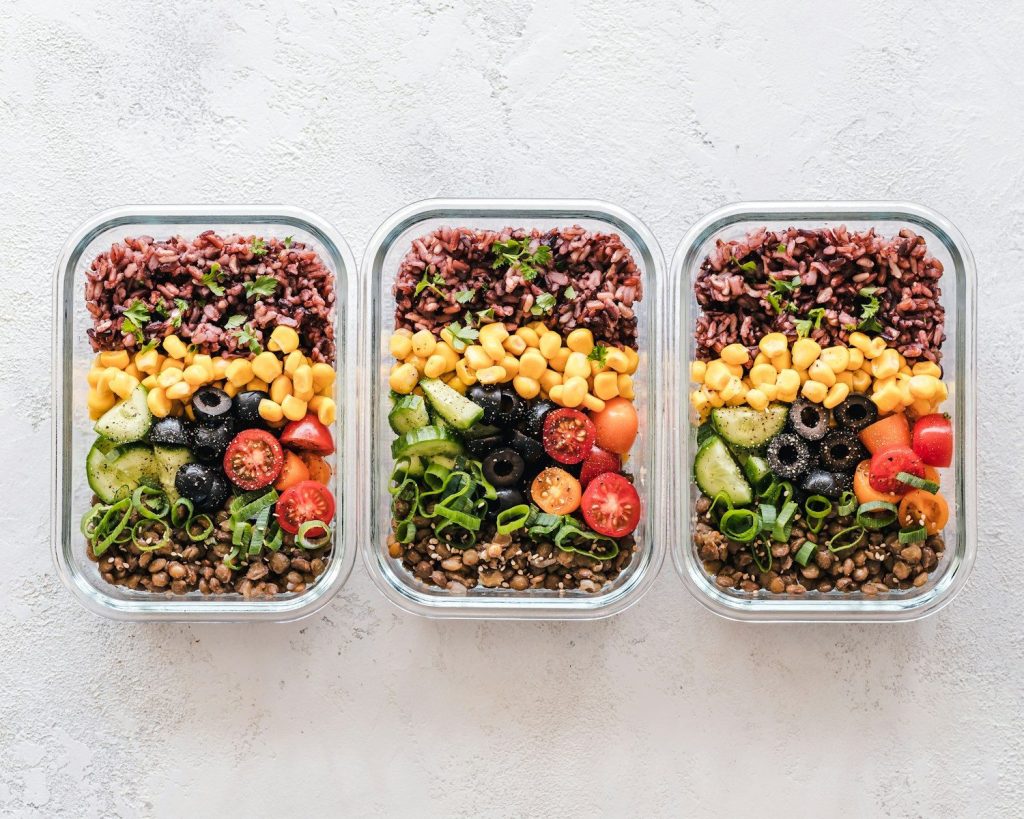
    fruit salads
    Photo by Ella Olsson on Unsplash

    You do not need to be a king to eat like one. Anyone can adopt a more sustainable, organic diet. Start by choosing local produce and reducing your meat intake. Listen to your body and find an eating rhythm that keeps your energy steady. Small, disciplined changes can have a massive impact on your long-term health. Your body will definitely thank you for the extra care.

    Featured Image: Photo by Alexander Kovalev on Unsplash
  • Why This Extreme Hollywood Fortress Survived the Wrecking Ball

    Why This Extreme Hollywood Fortress Survived the Wrecking Ball

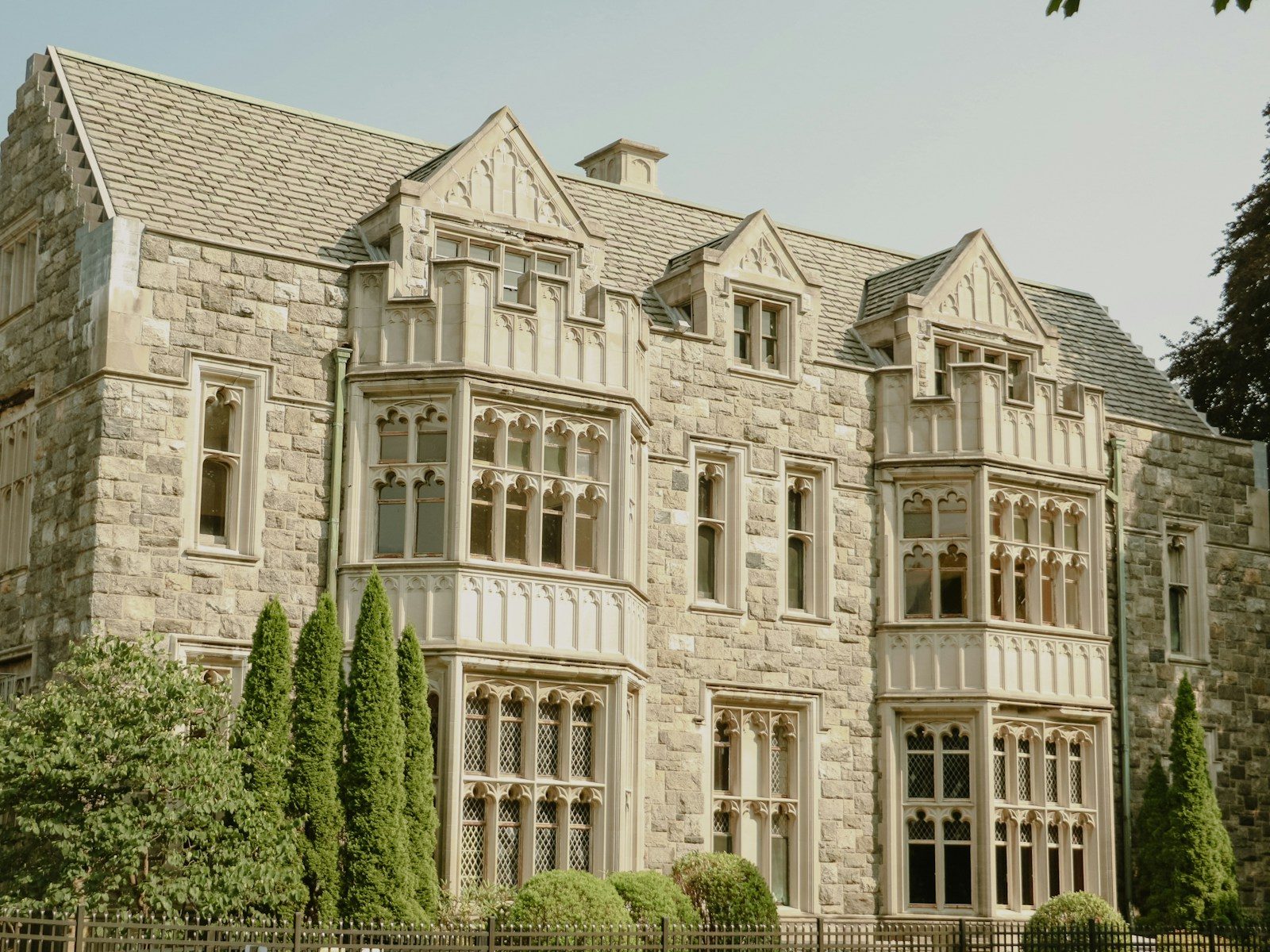
    Los Angeles is a city that constantly tears down its own past. Glamorous mid-century mansions routinely fall to modern bulldozers. Yet, a massive fifty-five million dollar Tudor Revival estate in the heart of Hollywood has miraculously survived. This stone fortress stands as a dramatic defiance of modern real estate trends. Built during the golden age of cinema, it preserves ancient European craft techniques that have completely vanished today. Historians consider the property an architectural triumph. Its survival was not just a matter of luck. A series of eccentric owners fought desperately to protect every hand-carved beam and secret passageway from demolition. The home reveals how medieval fantasy captured the imagination of early Hollywood. The secrets behind its heavy oak doors are finally coming to light.

    A Medieval Castle Built in the Golden Age of Cinema

    Captivating view of the iconic Hollywood Theatre in Portland, OR at sunset.
    Photo by Jason Schliecher on Pexels

    Wealthy movie moguls in the 1920s rejected simple beach houses. They wanted grand monuments instead. Builders imported entire truckloads of weathered stone and ancient timber directly from England. They assembled the structure like a medieval puzzle. This colossal construction project took years to complete. The builders used reinforced steel to make the massive stone walls earthquake-proof. This hidden structural choice saved the home from natural disasters. But the greatest threats to its survival were actually human.

    The Hidden Masterpieces of European Stone Carving

    Cozy and stylish living room interior with a marble fireplace, modern furniture, and plants.
    Photo by Gustavo Galeano Maz on Pexels

    Modern houses often rely on prefabricated materials. This Tudor estate features unique limestone fireplaces hand-sculpted by European artisans. The walls display intricate wood panels that took months to carve. Walking through the halls feels like stepping into a royal court. You will find massive leaded glass windows that frame the California sunshine. This level of craftsmanship is impossible to replicate today. However, one specific room holds a feature that most modern buyers never expect.

    Secret Passages From the Era of Prohibition

    stairway, spiral stairs, architecture, stairs, staircase, spiral stairway, spiral staircase, fibonacci stairs, fibonacci stairway, fibonacci staircase, architecture, stairs, stairs, stairs, stairs, stairs, staircase, staircase, spiral staircase, spiral staircase
    Photo by 16692474 on Pixabay

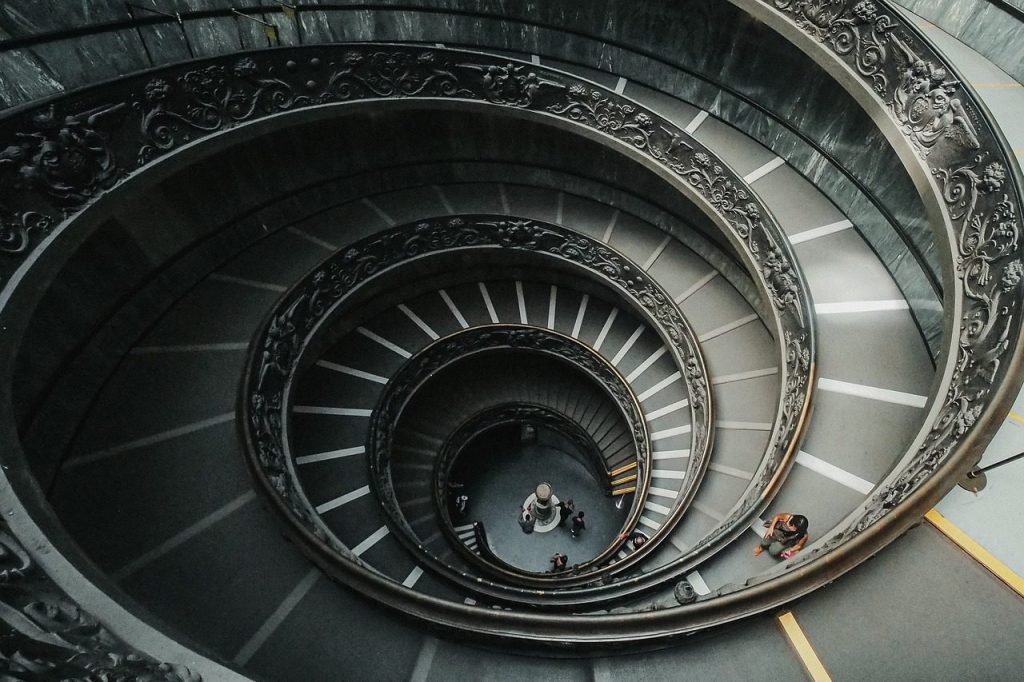
    The 1920s were a wild time in Los Angeles. This estate hides several concealed rooms behind heavy oak bookcases. Guests could slip away into private chambers without being noticed. A narrow stone staircase leads directly down to a hidden underground cellar. Bootleggers used these secret pathways to store forbidden liquor during Prohibition. The current owners preserved these eccentric rooms exactly as they were. But these fun architectural features were not the only things keeping the estate safe.

    Fending Off the Celebrity Wrecking Balls

    High-rise building restoration project using modern lift equipment.
    Photo by _ Whittington on Pexels

    Many historic Hollywood estates are purchased by celebrities who quickly gut them. This property avoided that tragic fate. A succession of wealthy preservationists purchased the home over the decades. They refused to modernize the historic floor plans. Instead of adding sleek minimalist lines, they restored the original plasterwork. This dedication saved the estate from the wrecking ball. Yet, the outside of the home is just as historic as the interior.

    A Rare English Forest in Urban Los Angeles

    Sunlight filtering through tall green trees in a forest.
    Photo by Junpeng Ouyang on Unsplash

    Step outside, and the dry California heat seems to disappear. The estate is surrounded by a dense canopy of ancient oaks and towering redwoods. Landscape architects designed these sprawling grounds to look like a wild English park. This lush forest requires immense care to survive the dry climate. It offers a cool sanctuary from the surrounding concrete jungle. This preservation effort shows that luxury is not just about expensive modern appliances. A hidden treasure in the garden reveals a forgotten lifestyle.

    Why Preserving the Past Trumps Modern Luxury

    a room with a table and chairs
    Photo by Ries Bosch on Unsplash

    Many billionaires today are tired of glass box mansions. They want character and historic weight. This Tudor estate proves that true luxury is irreplaceable. You cannot buy history at a store. Investing millions into restoration keeps a beautiful piece of the past alive. Experts believe this trend is reshaping the luxury real estate market. The focus has officially shifted from building bigger to protecting what remains. But this leaves us with one final mystery.

    The Lasting Legacy of Hollywood Historical Architecture

    a large building with a clock on the top of it
    Photo by Diogo Brandao on Unsplash

    This extraordinary property is more than a home. It is a living museum that teaches us about early American craftsmanship. By saving these grand structures, we keep our cultural storytelling alive. The estate stands as a testament to the artists who shaped the look of early Los Angeles. It reminds us that some things are worth protecting at all costs. Future generations will continue to marvel at this beautiful stone fortress.

    Featured Image: Photo by Eli Monjaras on Unsplash

  • Great cars, everyone should drive at least once

    Great cars, everyone should drive at least once

    Driving is more than just getting from point A to point B. For some, it is an art form. There are certain vehicles that transcend the metal and rubber they are made of to offer a visceral, life-changing experience. Whether it’s the roar of a classic V8 engine or the silent, neck-snapping acceleration of a modern electric motor, these cars represent the peak of human engineering and passion. Everyone who loves the open road should find a way to get behind the wheel of these legends at least once.

    In 2026, the car world is changing fast, but these icons remain the gold standard for enthusiasts. We aren’t just talking about expensive supercars that no one can afford. Some of these are surprisingly accessible, while others are historical masterpieces that defined an era. Each one offers a unique “soul” that you can’t find in a standard commuter vehicle. But which car tops the list for pure, unfiltered driving joy? You might be surprised by the tiny giant that changed everything.

    The Mazda Miata is Pure Driving Joy

    a white sports car parked in a parking garage
    Photo by Darrien Staton on Unsplash

    The Mazda MX-5 Miata is proof that you don’t need a thousand horsepower to have the time of your life. It is lightweight, perfectly balanced, and features one of the best manual shifters ever made. When you drop the top and hit a twisty backroad, the car feels like an extension of your own body. It isn’t about top speed; it’s about how it makes you feel at 40 miles per hour. This car taught the world that “simple” is often better. But if you want to feel the raw power of American history, you need to look at something much louder.

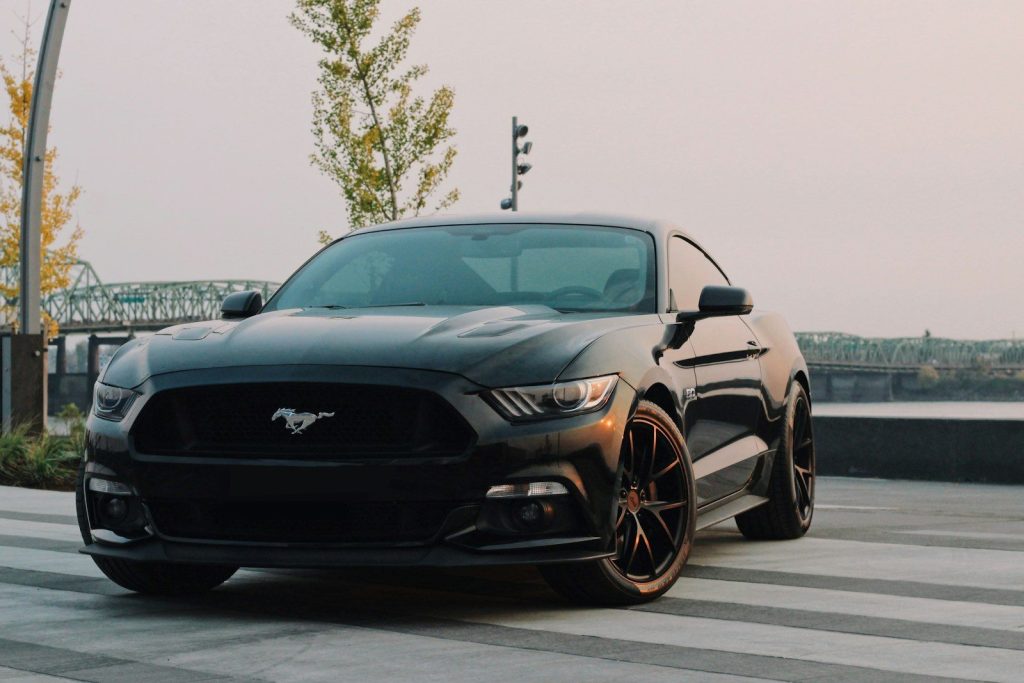
    The Ford Mustang and the V8 Soul

    black Ford Mustang coupe parked near green tree
    Photo by Agustin Segura on Unsplash

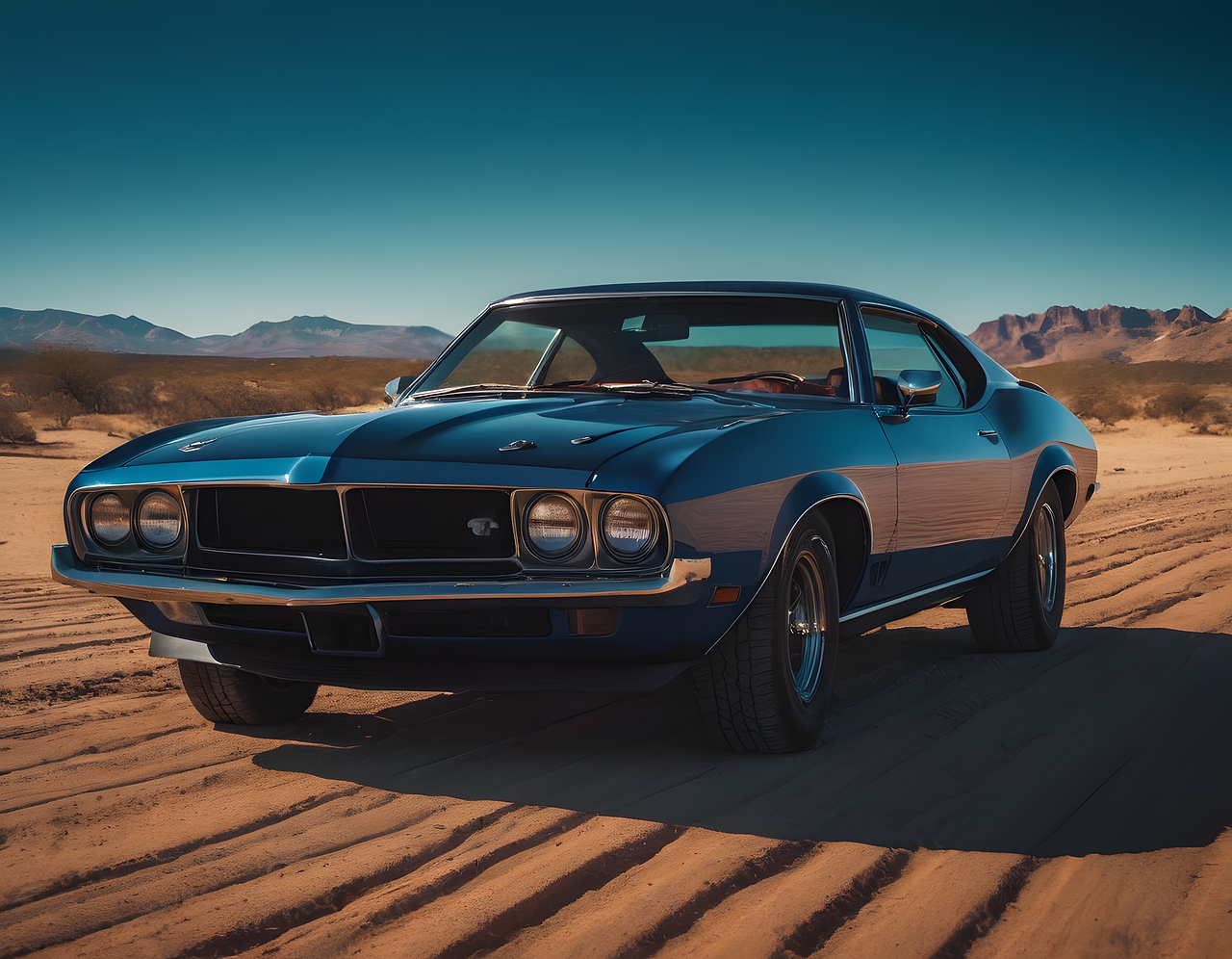
    There is a specific vibration you feel in your chest when a Ford Mustang V8 roars to life. It is the sound of freedom and the American dream. Driving a Mustang is a lesson in torque and bravado. It doesn’t care about being subtle; it wants to be noticed. Whether it’s an old 1960s fastback or a modern GT, the experience of a heavy-hitting muscle car is a rite of passage for every driver. It is a machine designed for the drag strip and the boulevard. But what happens when German precision enters the chat?

    Porsche 911 is the Ultimate Precision Tool

    black porsche 911 on road during daytime
    Photo by Josh Berquist on Unsplash

    For over sixty years, the Porsche 911 has been the benchmark for every other sports car on the planet. Its engine sits in the “wrong” place—behind the rear axle—yet it handles with a level of surgical precision that is almost supernatural. Driving a 911 is a lesson in engineering excellence. It is a car that can be driven to the grocery store on Monday and a racetrack on Sunday without missing a beat. It is the thinking man’s sports car. But is there a car that offers this much fun for a fraction of the price?

    The Original Mini Cooper Tiny Legend

    black porsche 911 on road
    Photo by Ivan Didenko on Unsplash

    Don’t let its size fool you. The original Mini Cooper was a giant-killer on the rally circuit. Driving one today feels like riding in a motorized go-kart. It is low to the ground, incredibly agile, and surprisingly spacious inside. It changed the way we think about small cars and urban mobility. You can park it anywhere, but you’ll want to drive it everywhere. It is the ultimate city car with a racing heart. However, the world of speed has a new king that doesn’t use a drop of gasoline.

    Tesla Model S Plaid Silent Speed

    a car parked in a parking lot next to a pile of tires
    Photo by Tobias Flyckt on Unsplash

    The Tesla Model S Plaid is a car that breaks the laws of physics. It can go from zero to sixty in less than two seconds, all in total silence. Driving one is a disorienting experience that feels more like a roller coaster than a car. It represents the “Quantum Leap” of the automotive industry. No gears, no lag, just instant, overwhelming power. It is a glimpse into the future of transportation. But before we go fully electric, we have to respect the luxury of the British countryside.

    Range Rover is the King of Comfort

    A white range rover parked in a parking lot
    Photo by Mohamad Othman on Unsplash

    The Range Rover is a paradox. It is a rugged off-roader that can climb a mountain, yet it is as comfortable as a five-star hotel room inside. Driving one makes you feel invincible and sophisticated at the same time. It is the car that invented the “luxury SUV” segment. Whether you are fording a river or pulling up to a red-carpet event, it never feels out of place. It is the ultimate all-rounder for those who want everything. But there is one car that is simply more “famous” than any other.

    Volkswagen Beetle, the People’s Car

    blue classic car parked near white building
    Photo by Victor Furtuna on Unsplash

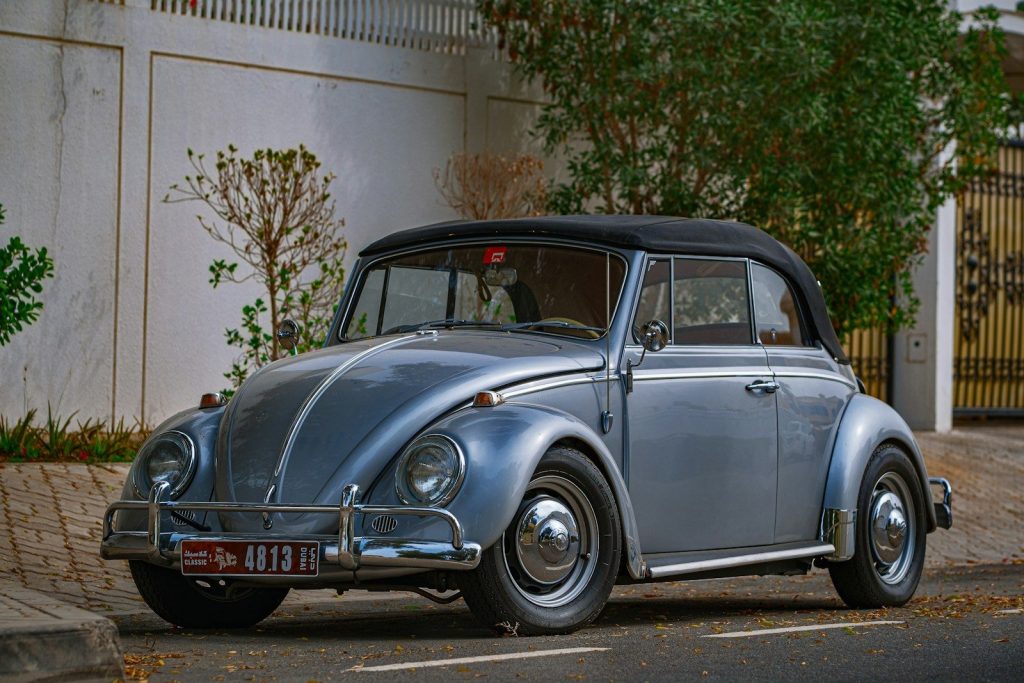
    The Volkswagen Beetle is the most recognizable car ever built. Over 21 million were produced, and driving one is a trip back in time. It is loud, slow, and has no power steering, but it puts a smile on everyone’s face. It represents a simpler era of motoring where the goal was just to get people moving. Owning or driving a “Bug” is about the community and the history, not the performance. It is a cultural icon on wheels. But wait until you see the secret discovery that just happened at the bottom of the sea.

    The Final Verdict on the Drive

    people standing beside blue and yellow cars during daytime
    Photo by Dylan Gillis on Unsplash

    The cars on this list aren’t just machines; they are experiences that define what it means to be a driver. As we move into an era of autonomous pods and AI-controlled traffic, the chance to truly “drive” is becoming rare. We must cherish these mechanical legends while we still can. Find a way to get the keys, find an open road, and see for yourself why these cars are so special. But while we look at the road, a much stranger mystery is rising from the deep in Japan.

    Featured Image: Photo by Baggeb on Pixabay

  • The world’s most expensive foods

    The world’s most expensive foods

    Culinary luxury goes far beyond basic nutrition. For some, dining is an extreme status symbol that involves rare ingredients, dangerous harvests, and complex geography. Every year, wealthy gourmands spend thousands of dollars on a single meal. According to research by the Food and Agriculture Organization, these astronomical prices are driven by extreme scarcity and labor-intensive production methods. Some of these foods are harvested from the wild at great personal risk. Others require generations of specialized farming traditions. By exploring these extravagant delicacies, we can see how culture and economics shape our appetite. The stories behind these luxury items are absolutely fascinating. The first delicacy on our list requires a high-tech hunt deep beneath the forest floor.

    The deep subterranean hunt for white truffles

    A large mushroom grows on a tree stump.
    Photo by Yishen Ji on Unsplash

    White truffles are among the most coveted ingredients on Earth. They cannot be cultivated easily. According to reports from the Italian Culinary Institute, these rare fungi grow only in specific regions of Italy during a brief autumn window. Harvesters must use specially trained dogs to sniff them out from beneath the roots of oak trees. A single large truffle can sell for hundreds of thousands of dollars at private auctions. The market is highly competitive and shrouded in secrecy. But another famous delicacy is harvested from the side of sheer ocean cliffs.

    Harvesting swallow nests on sheer cliffs

    A close up of a rock formation with a bird perched on top of it
    Photo by Tobias Arweiler on Unsplash

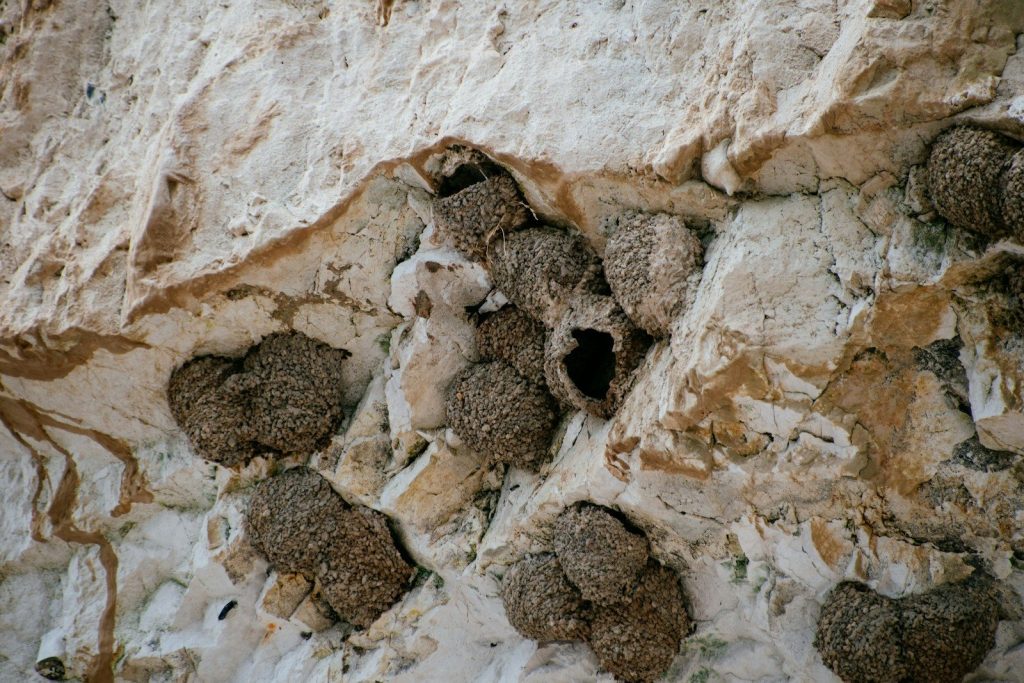
    Bird’s nest soup is a legendary delicacy in Chinese cuisine. It is made from the solidified saliva of cave-dwelling swiftlets. According to research published in the journal Food Chemistry, harvesters must climb dangerous bamboo scaffolding inside dark caves to reach the nests. This risky harvest has led to strict regulations to protect the bird populations. The high demand keeps prices soaring, with top-grade nests costing thousands of dollars per kilogram. It is a dangerous trade that has survived for centuries. But a different luxury food is harvested from the depths of the Caspian Sea.

    The black gold of Iranian Beluga caviar

    black caviar, caviar, fish roe, gourmet, caviar, caviar, caviar, caviar, caviar
    Photo by Irenna_____ on Pixabay

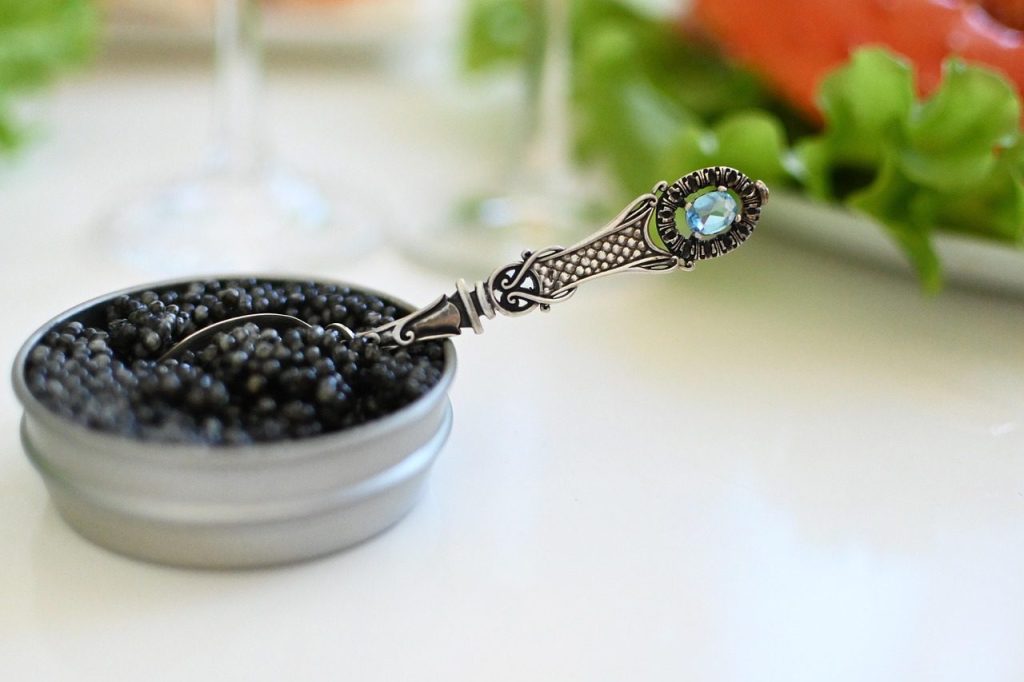
    Caviar has long been a symbol of ultimate wealth. The most expensive variety comes from the rare Almas sturgeon. According to the World Sturgeon Conservation Society, these prehistoric fish can take up to twenty years to mature and produce eggs. The albino variety from the Caspian Sea is particularly prized for its delicate flavor. It is often packaged in tins made of actual gold to match its value. This extreme luxury remains a favorite among global elites. Meanwhile, a legendary meat from Japan relies on a highly pampered lifestyle for its animals.

    Raising the legendary Wagyu beef of Kobe

    sliced meat on black surface
    Photo by note thanun on Unsplash

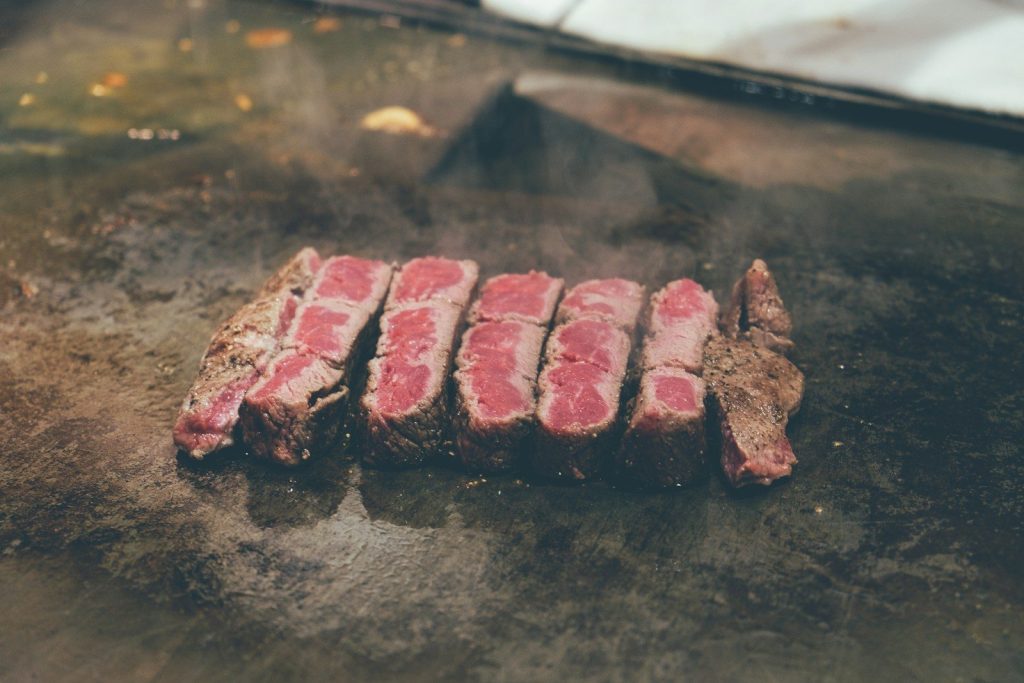
    Kobe beef is famous for its rich marbling and melt-in-your-mouth texture. The production process is strictly controlled. According to the Kobe Beef Marketing and Distribution Promotion Association, the cattle must be raised under highly specific conditions in Hyogo Prefecture. They are fed a special diet to ensure the fat is distributed evenly throughout the muscle. This careful raising results in some of the most expensive steaks in the world. The authentic product is a culinary masterpiece. But a tiny flower in the Mediterranean offers a different kind of expensive harvest.

    Hand-harvesting saffron in the Iranian plains

    purple flower with black background
    Photo by Benyamin Bohlouli on Unsplash

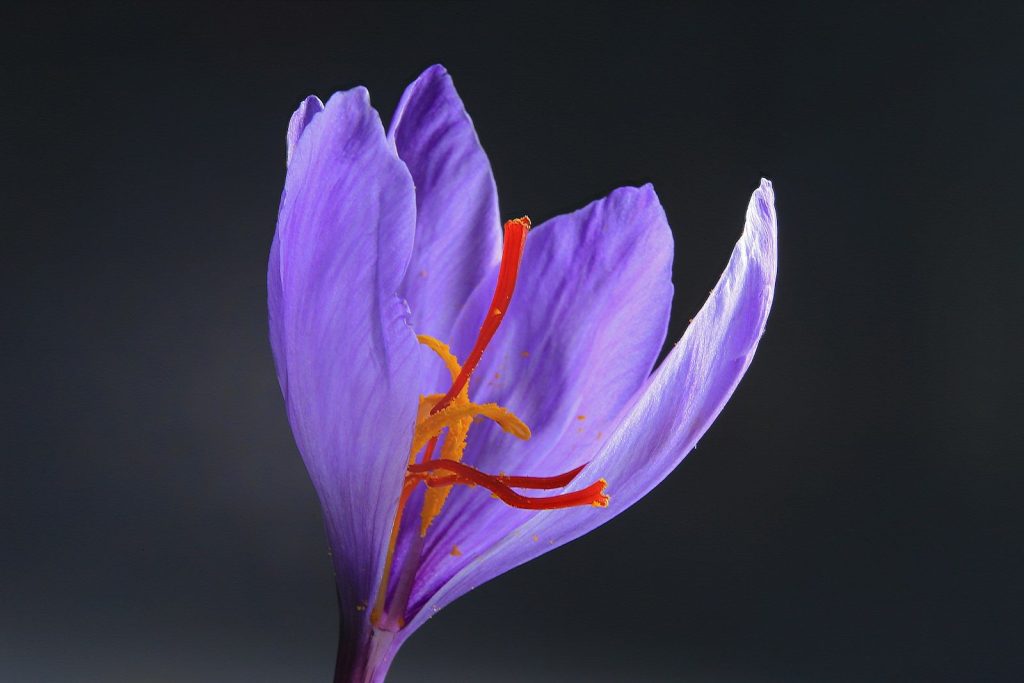
    Saffron is the most expensive spice by weight in the world. It is harvested from the purple crocus flower. According to reports from the International Bureau of Saffron, it takes over seventy thousand flowers to produce just one pound of the spice. Workers must carefully harvest the delicate red stigmas by hand during a very brief blooming season. The intense labor and low yield keep prices incredibly high. A small jar can cost as much as a luxury watch. But a Swedish farm produces a dairy product that is even rarer.

    The dangerous quest for moose cheese in Sweden

    a piece of cheese with a leaf on top of it
    Photo by David Foodphototasty on Unsplash

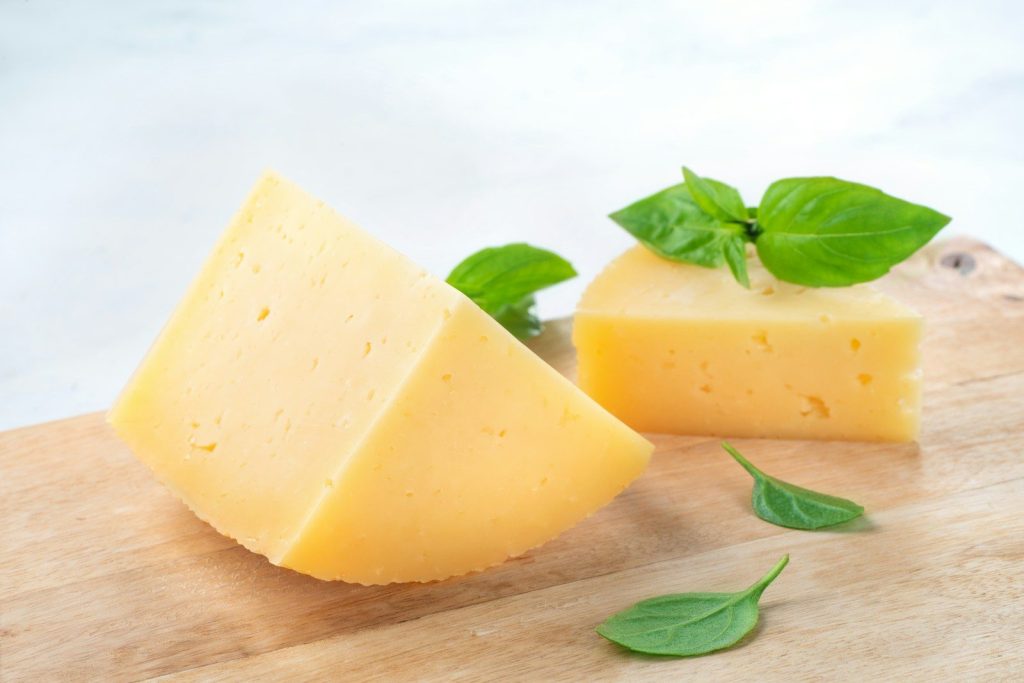
    Moose cheese is one of the rarest dairy products on Earth. It is produced on a single specialized farm in Sweden. According to agricultural reports, the family milks only three specific moose during a brief summer window. The milking process is slow and requires absolute silence to keep the animals calm. This limited production yields only a few hundred pounds of cheese annually. It is a highly exclusive delicacy that attracts food collectors from around the globe. But our final food item comes from the volcanic soils of Japan.

    Cultivating the perfect ruby Roman grapes

    grapes, fruit, cluster, grape, fresh fruits, fresh, fresh grapes, harvest, products, bio, ripe, ripe grapes, cute, food, healthy, vitamins, grapes, grapes, fruit, fruit, fruit, fruit, fruit
    Photo by NickyPe on Pixabay

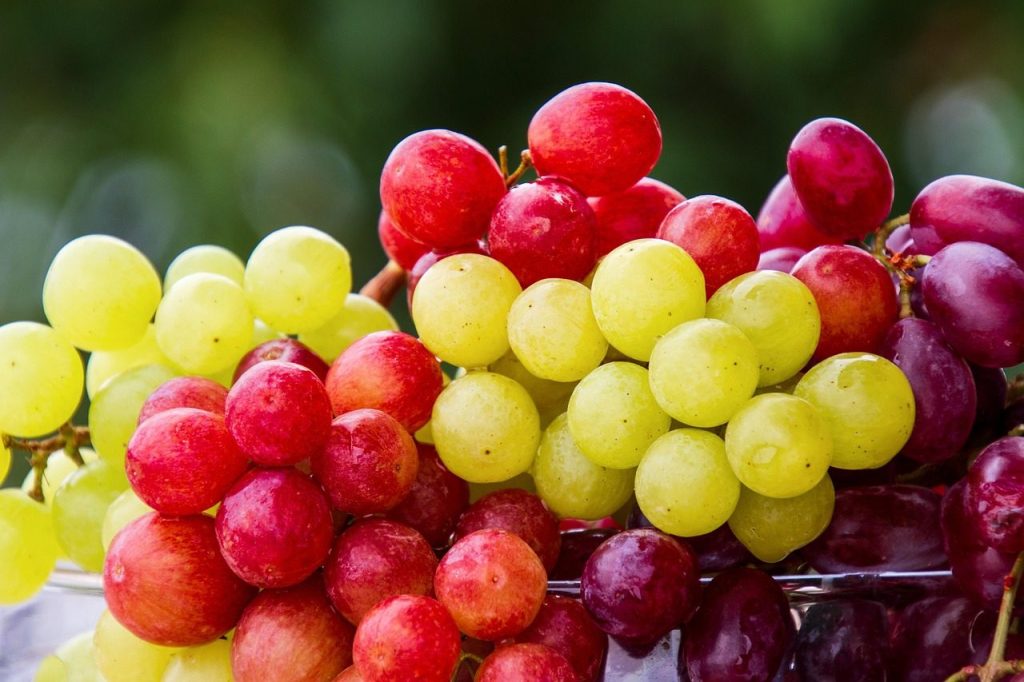
    Ruby Roman grapes are grown exclusively in Ishikawa Prefecture, Japan. They are evaluated under incredibly strict quality standards. According to local agricultural boards, each grape must weigh at least twenty grams and possess a high sugar content. A single bunch of these massive, ruby-red grapes can sell for over ten thousand dollars at auction. They are often purchased as prestigious gifts to celebrate business achievements or weddings. Ultimately, these extreme foods prove that dining is an art form built on passion, patience, and absolute exclusivity.

    Featured Image: Photo by Ambitious Studio* | Rick Barrett on Unsplash