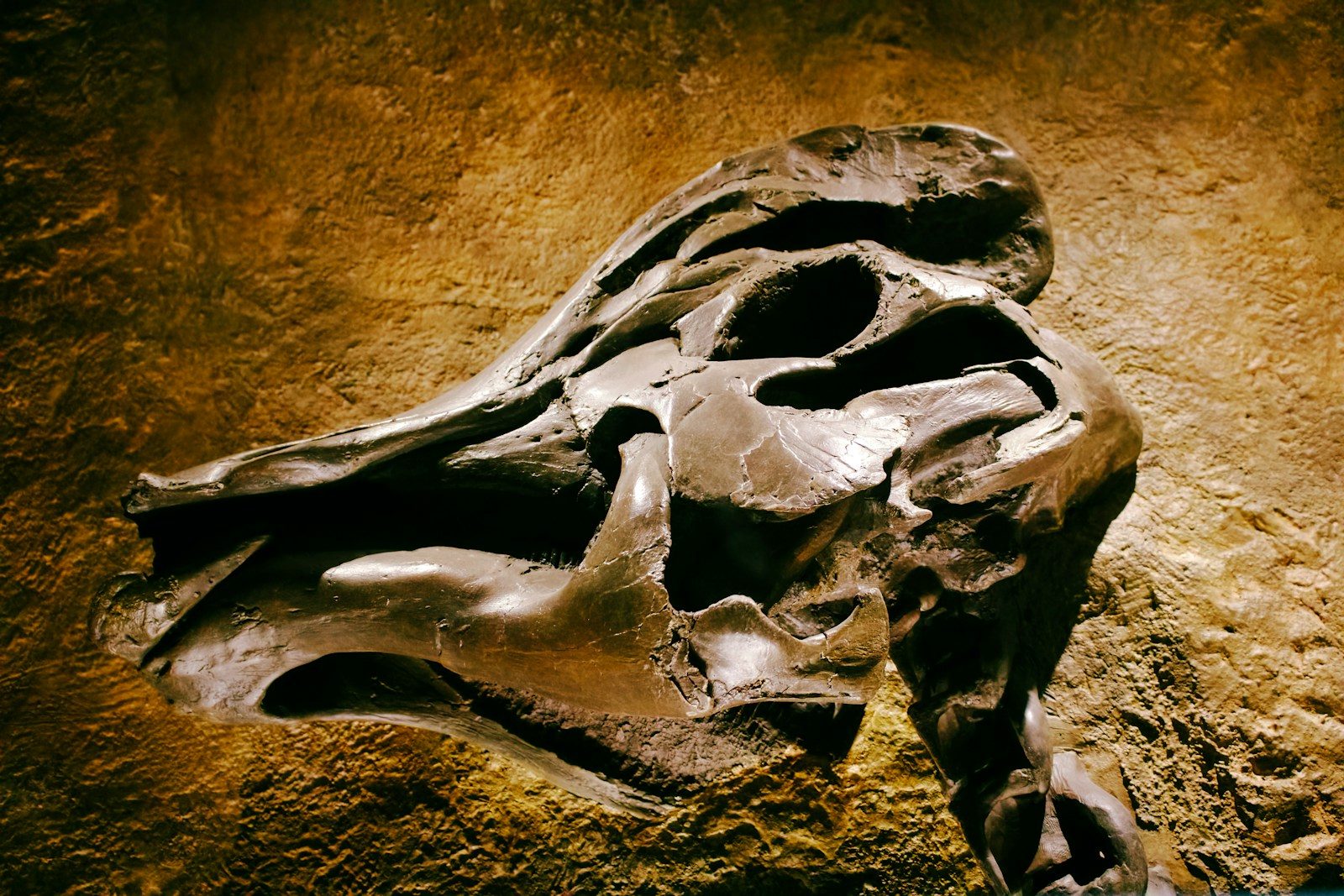
We assume that the ancient world was completely wiped clean by the asteroid that destroyed the dinosaurs. Most people believe that prehistoric creatures only exist as stone fossils in museums.
But several legendary beasts successfully bypassed every planetary cataclysm to walk among us today. Their unchanged biology reveals the ultimate survival secrets of Earth’s oldest families.
The Armor That Never Fails
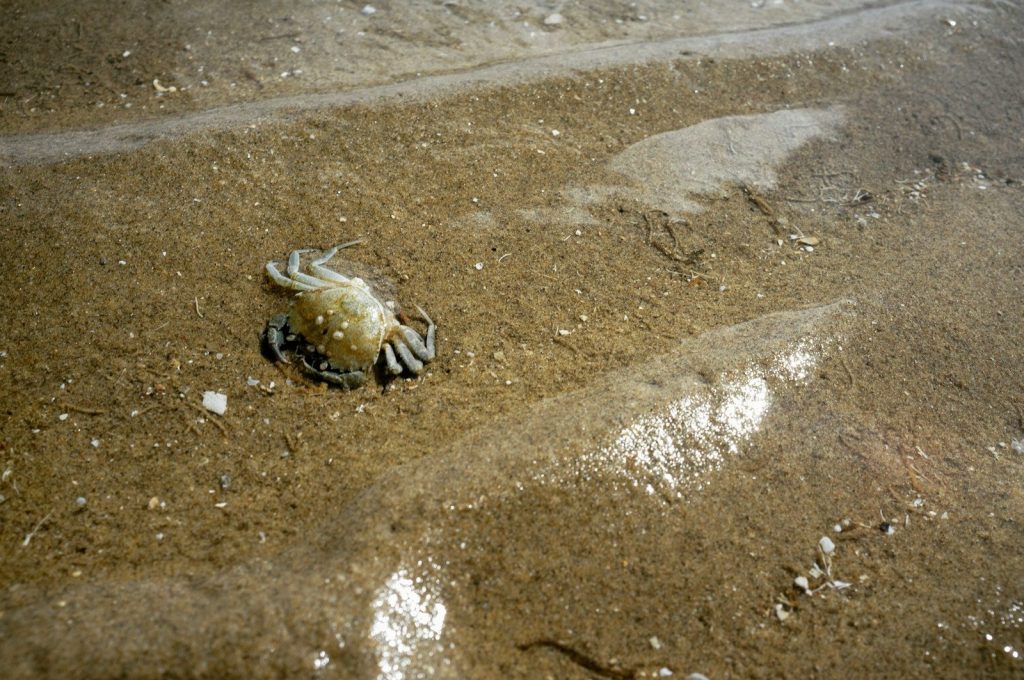
Horseshoe crabs have patrolled shallow ocean waters for over 440 million years. According to the Natural History Museum, these animals survived four major mass extinctions without changing their physical shape. They are biological tanks. Their copper-based blue blood contains unique cells that instantly trap invading bacteria. But this chemical defense is only the first of many ancient survival strategies.
Deep Sea Time Travelers
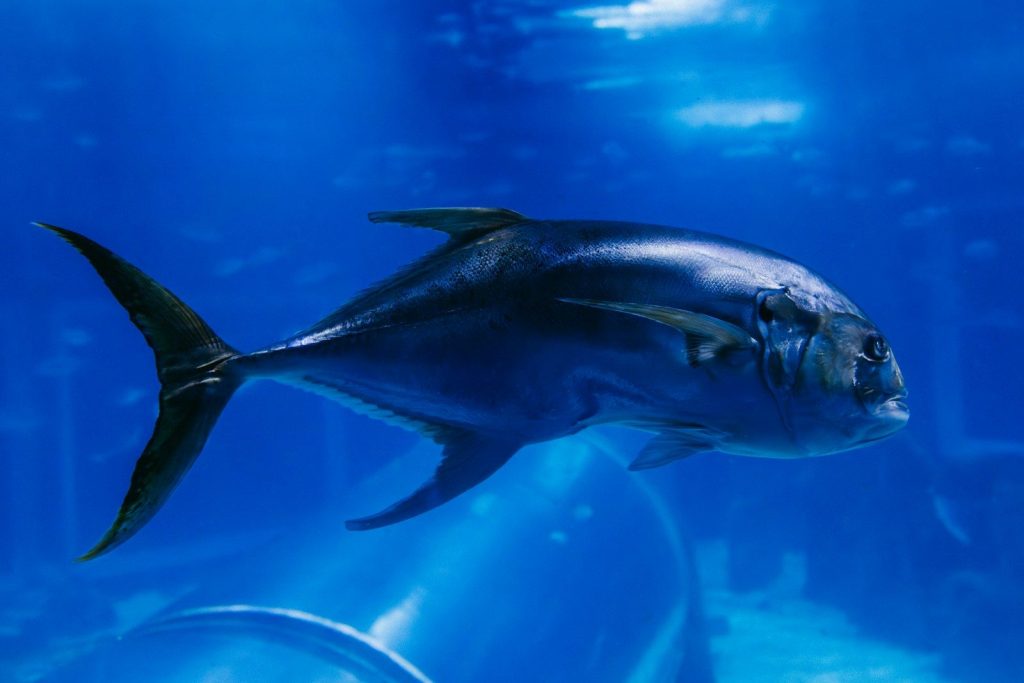
For millions of years, scientists believed the coelacanth fish had vanished alongside the dinosaurs. According to reports from the Smithsonian Institution, a living specimen was suddenly pulled from the ocean in 1938. The discovery shocked science. This heavy predator has stayed genetically quiet for over 400 million years. But other ancient survivors chose to leave the deep oceans to conquer the land.
The Island Lizard King
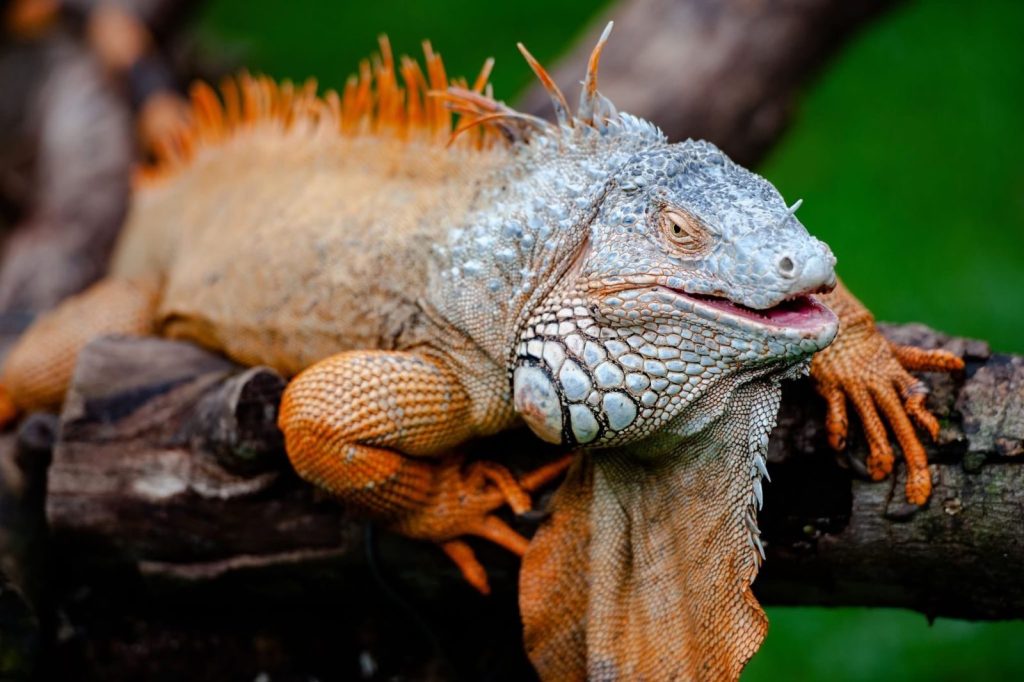
On a few isolated islands in New Zealand lives a reptile unlike any other on Earth. According to the San Diego Zoo, the tuatara is the sole survivor of an ancient order that thrived 200 million years ago. It has three eyes. A hidden sensory organ on its forehead helps track the sun. But this unique physical trait is not the only weapon in its survival arsenal.
The Invincible Flying Hunter
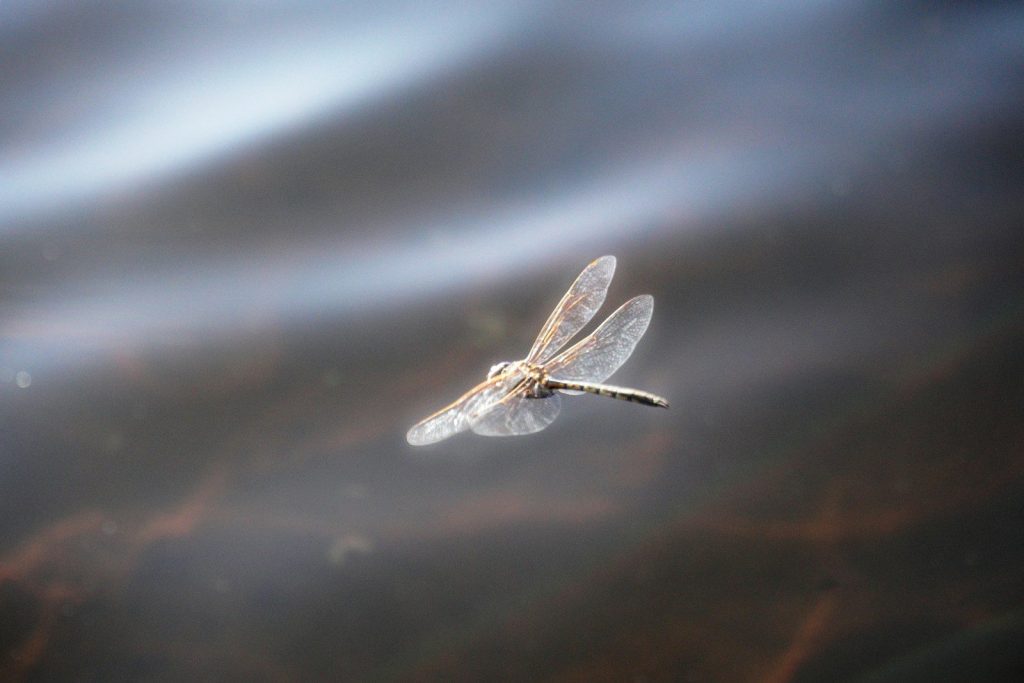
Dragonflies were darting through prehistoric swamps long before the first dinosaurs ever hatched. According to research from Harvard University, these insects boast a ninety-five percent success rate when hunting their prey. They are perfect predators. Their ancient wing design allows them to fly backward and hover mid-air. But another ancient survivor uses absolute stillness instead of speed to stay alive.
Sinking Into Deep Sleep
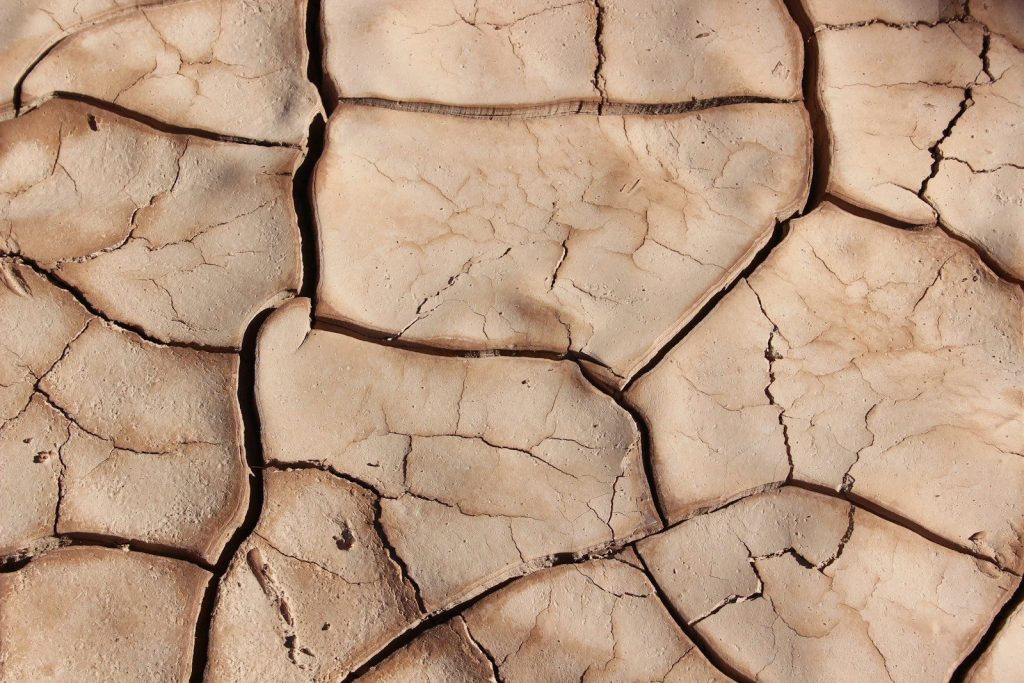
When rivers dry up, the African lungfish does not panic. According to a study by the University of Chicago, this prehistoric fish can wrap itself in a mud cocoon and sleep for four years. Metabolism slows to nothing. It breathes air directly using primitive lungs until the rain returns. But some species survived the ancient world by adapting to the absolute coldest places on Earth.
The Arctic Ice Crawler
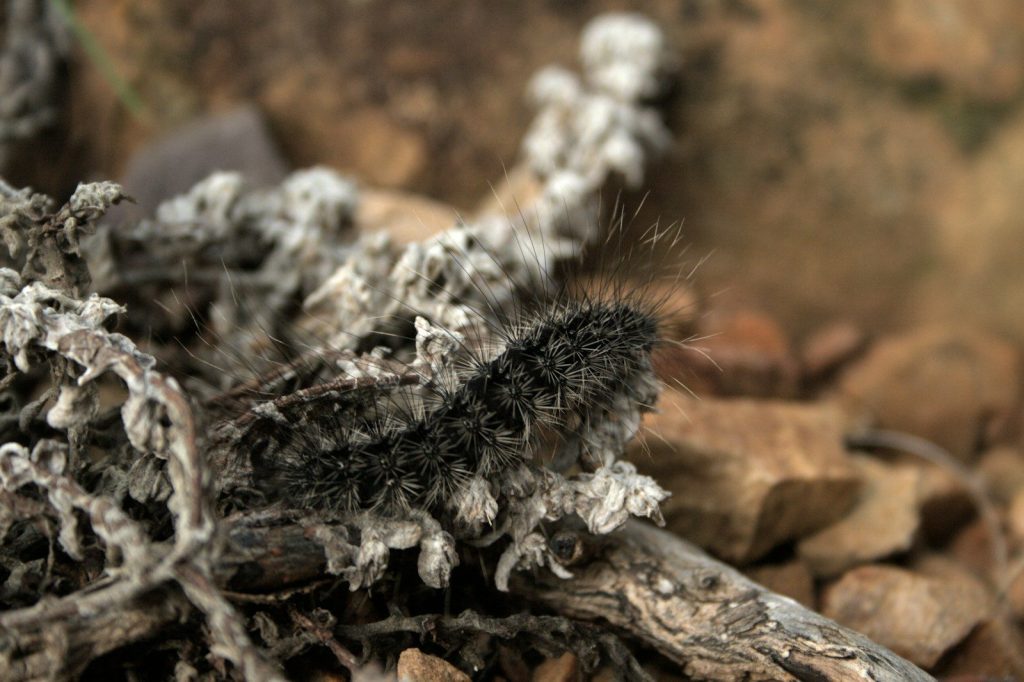
Deep within the frozen northern soils lives the woolly bear caterpillar. According to the National Park Service, this ancient insect survives harsh winters by literally freezing solid. It produces natural antifreeze. This biological chemical stops ice crystals from destroying its delicate internal organs. But looking at these resilient survivors forces us to think about what they can teach us about the future.
Lessons From The Ancients
These ancient animals prove that specialized complexity is often a trap. Simple and highly resilient designs are what truly endure over vast geological periods of time. According to evolutionary biologists, understanding these unbroken bloodlines could help protect modern species from the ongoing climate crisis. Nature always finds a path. This article is for informational purposes only.
Leave a Reply