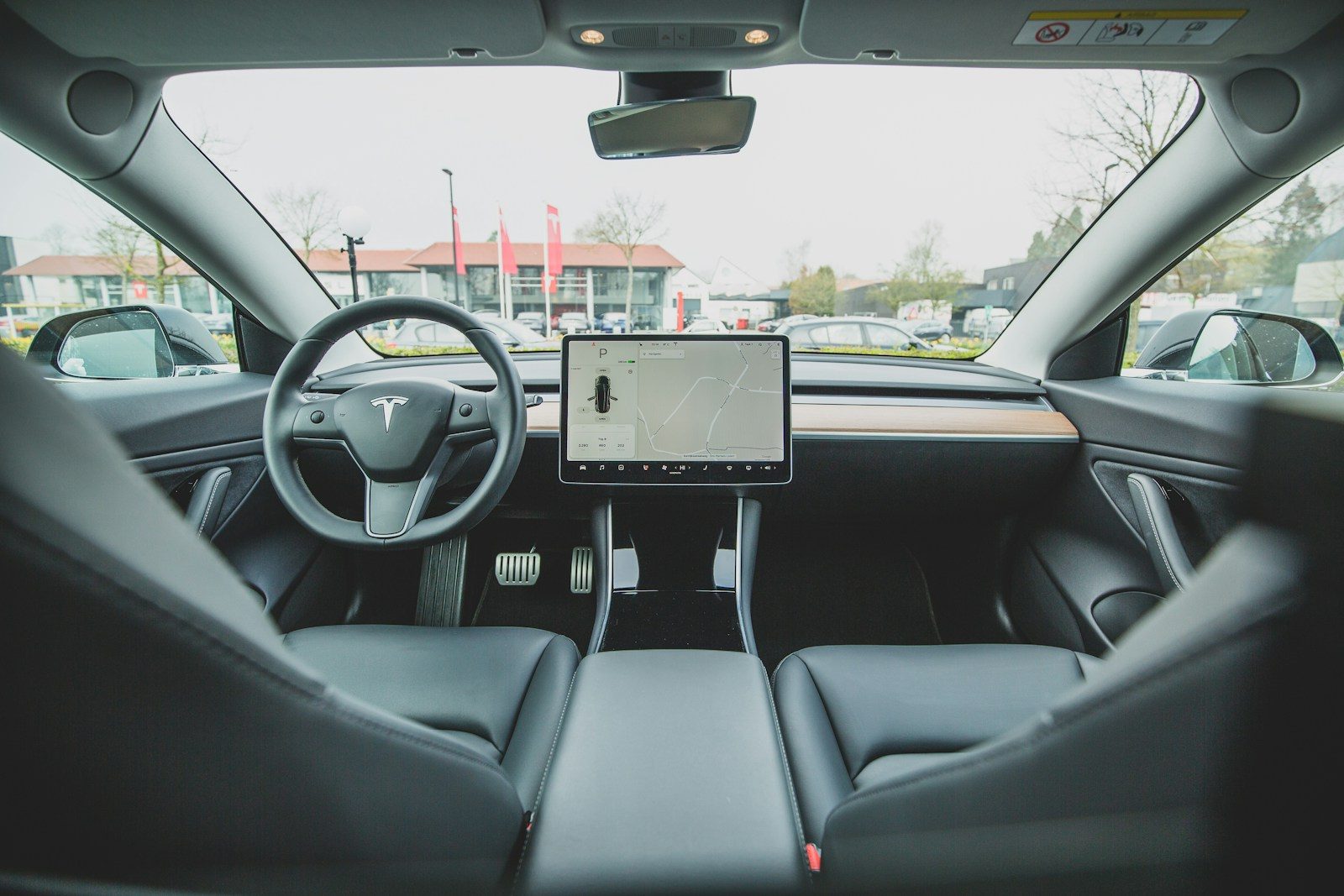
Most people assume that Tesla’s massive valuation comes solely from selling stylish electric cars. We believe that their success is driven by battery range and vehicle design.
But the true engine of this trillion-dollar giant is hidden underground. An immense artificial intelligence supercomputer is quietly processing millions of real-world driving hours.
The Digital Brain

To train a vehicle to navigate complex city streets automatically, engineers need an astronomical amount of data. This vast stream comes from millions of customer cars driving worldwide every day. According to system engineers, this continuous real-world input feeds a giant computing array named Dojo. It is incredibly vast. This massive network learns from human driving habits to master complex road maneuvers.
Processing Visual Chaos
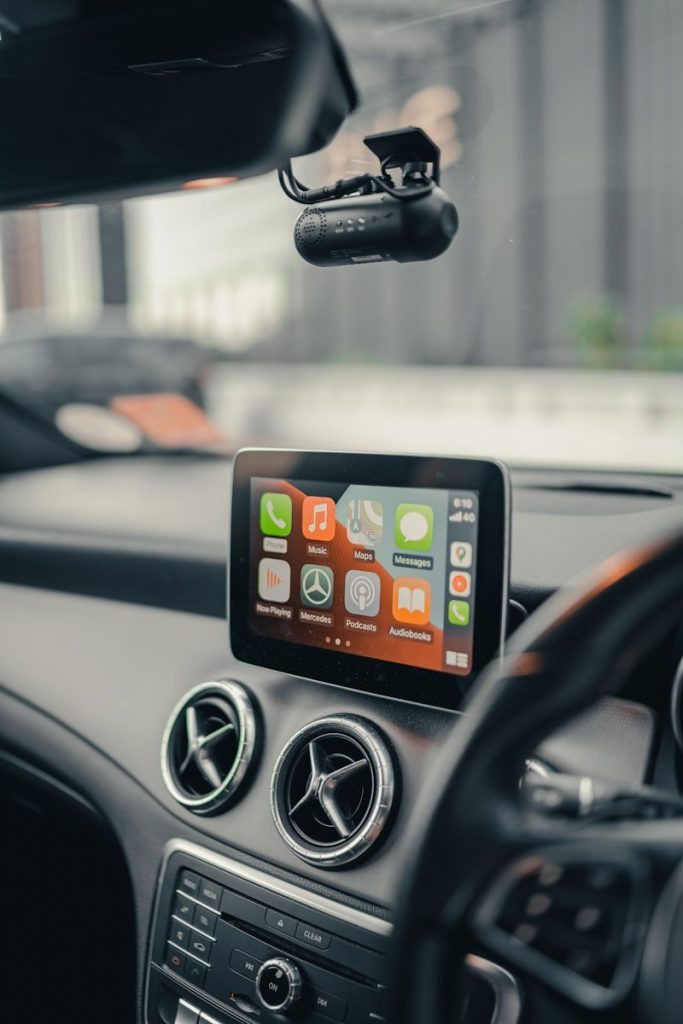
Standard self-driving systems rely on expensive lidar sensors to map out physical surroundings. Tesla’s approach relies entirely on basic optical cameras that mimic human vision. According to optical computing reports, processing these raw visual streams requires immense mathematical calculating power. The task is heavy. But this choice allows the vehicles to learn much more like actual people.
The Power Demand
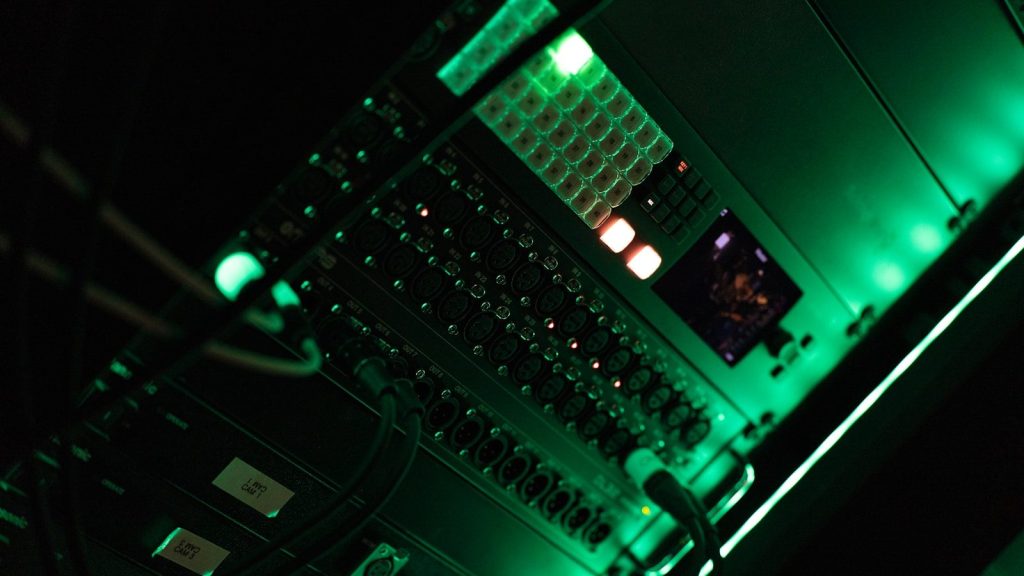
Running these advanced neural networks continuously generates a massive amount of physical heat. The computer processors require custom liquid-cooling systems that circulate thousands of gallons of specialized fluid. According to infrastructure analysts, this massive supercomputer cluster consumes as much power as a small city. The draw is immense. Yet, this high-energy footprint is essential to achieve full autonomy.
Simulating Dangerous Roads
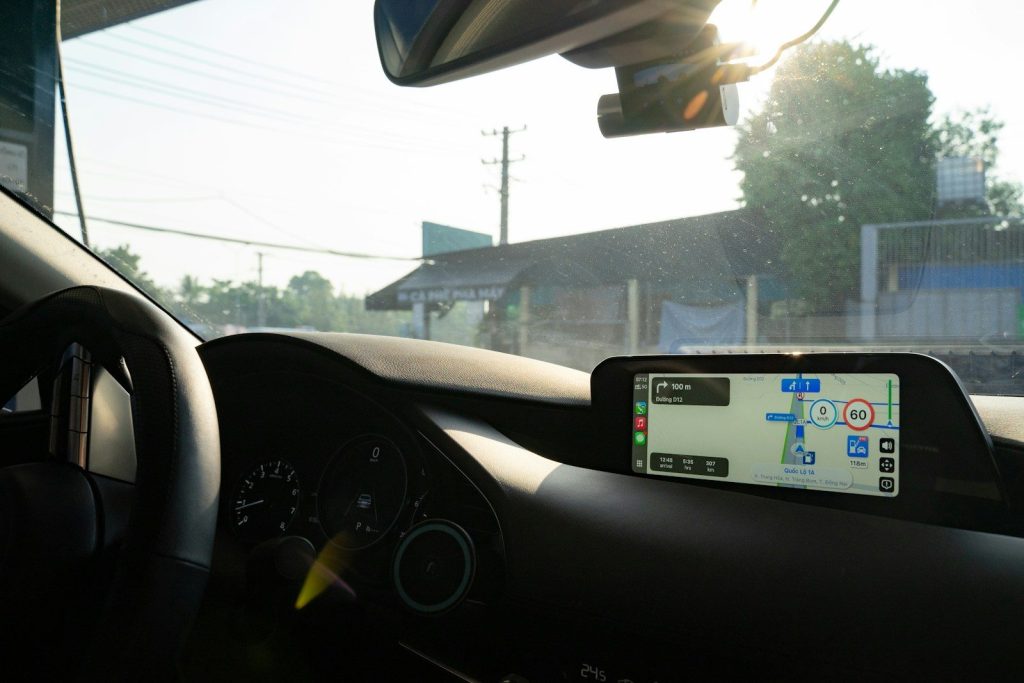
When real-world driving data is missing, the giant supercomputer generates photorealistic virtual environments. These simulations recreate rare, dangerous road events to test the self-driving code safely. According to software testing files, the virtual cars drive billions of simulated miles inside this digital universe. They are completely safe. This hyper-advanced testing allows the software to improve at an exponential rate.
The Security Challenge

Connecting millions of smart vehicles to a bootable computing brain presents severe cybersecurity risks. A single successful hack could theoretically allow malicious actors to compromise entire vehicle fleets remotely. According to digital defense experts, the company deploys custom-built encryption layers on every car computer. Safety is paramount. But keeping these digital walls secure is a never-ending technological battle.
The Trillion Dollar Empire

Wall Street is realizing that this tech giant is actually an artificial intelligence robotics company. The valuation reflects the potential of licensing this advanced neural network to other global carmakers. According to financial strategists, this software licensing model could generate hundreds of billions in recurring revenue. The profits are huge. This massive digital pivot is completely transforming the global automotive landscape.
The Autonomous Future
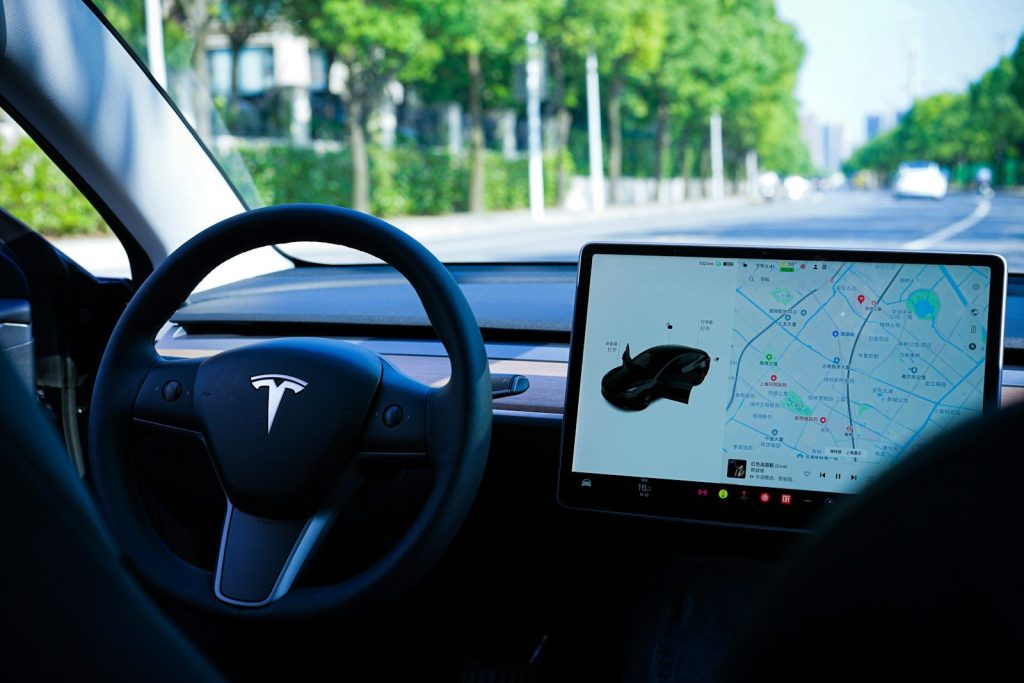
The rise of supercomputing clusters proves that modern transportation is completely merging with artificial intelligence. These massive digital brains are laying the foundation for a fully autonomous world. According to leading AI researchers, self-driving vehicles will permanently reshape how cities operate and how humans move. This article is for informational purposes only.
Featured Image: Photo by Bram Van Oost on Unsplash
Leave a Reply