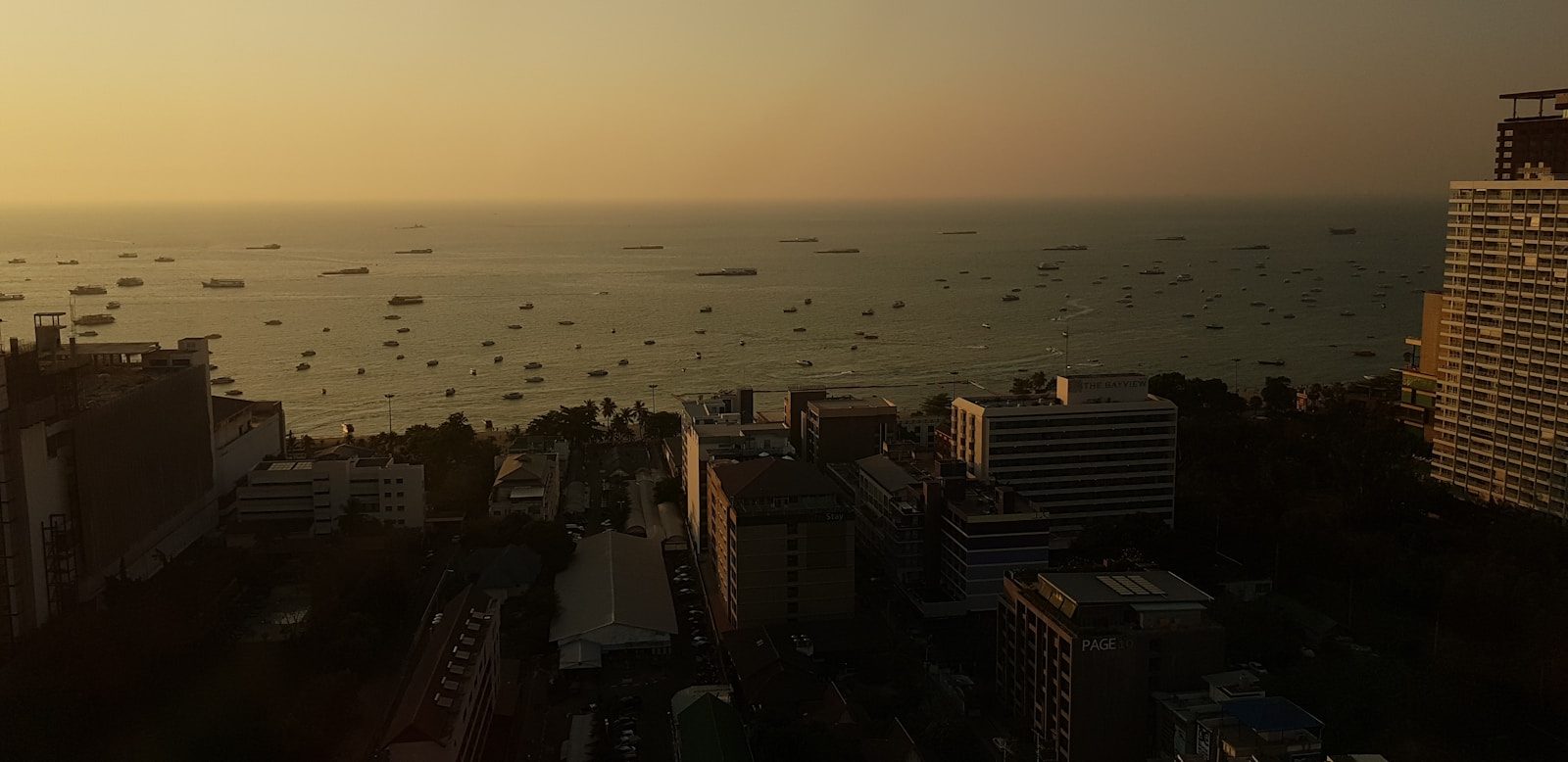
We assume our major coastal cities are built on solid ground. We believe these concrete jungles will stand strong for centuries to come.
But several of the largest cities on Earth are actively sinking into the earth. Accelerated natural forces are dragging these urban giants underwater.
The Great Sinking
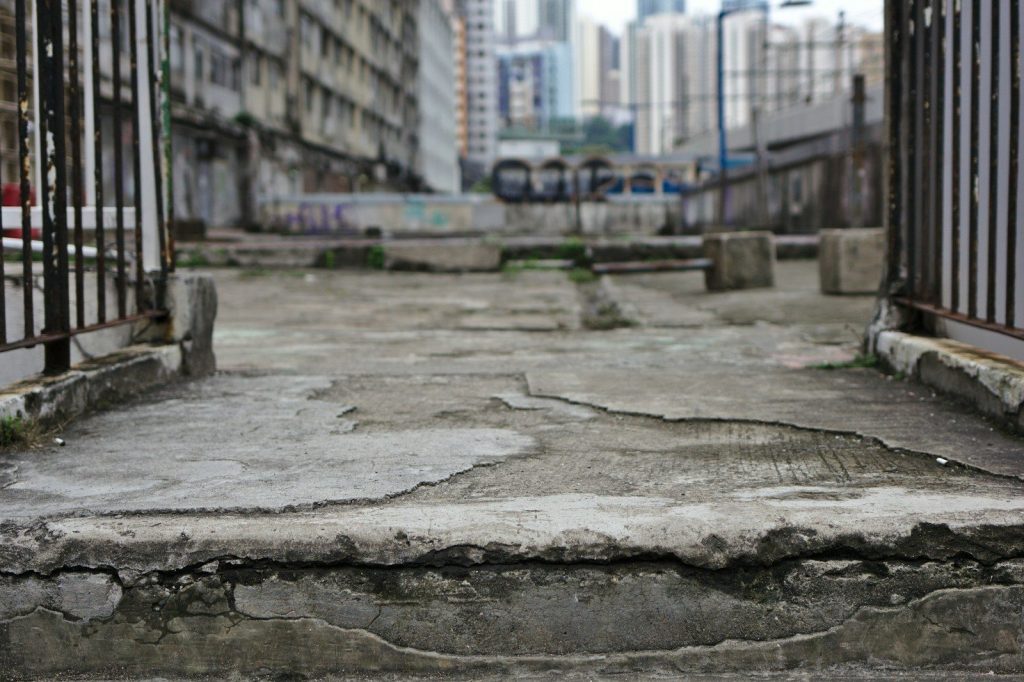
Many giant coastal cities are not just facing rising seas. They are actually sinking because of a process called land subsidence. According to geological reports, heavy concrete buildings and groundwater pumping compress the soil below. The ground is collapsing. This silent threat is far more urgent than most people realize.
The Italian Struggle
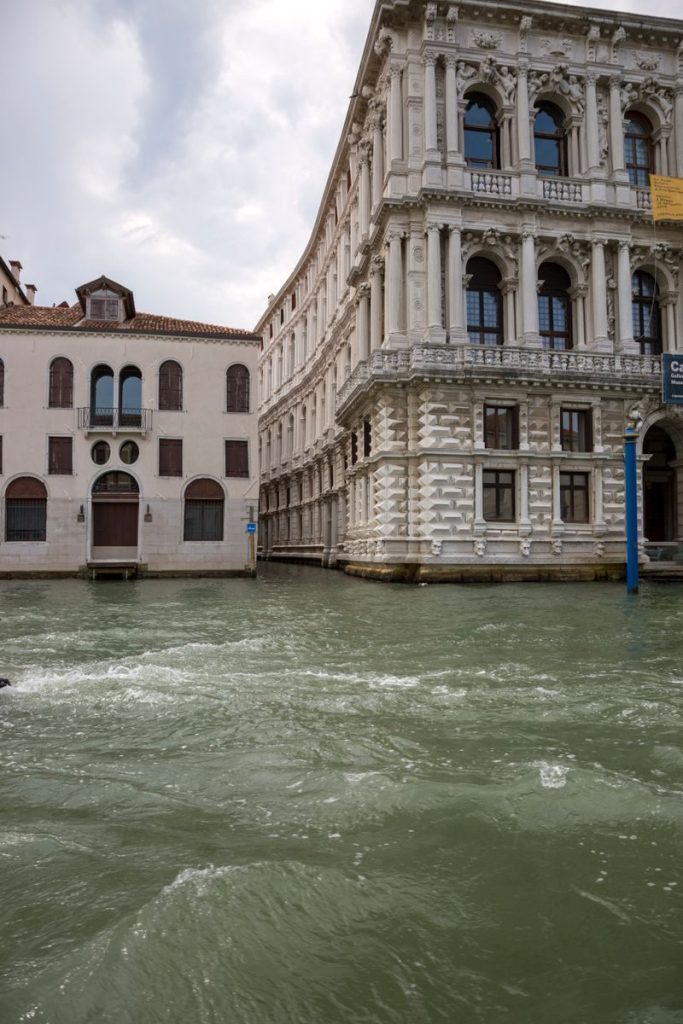
Venice has been battling rising water levels for hundreds of years. The city is built on a soft mud lagoon that naturally compacts over time. According to studies by the University of Padua, the historic streets could be permanently flooded very soon. It is a tragedy. This has forced engineers to build a massive mechanical shield.
Rising Tide Gates
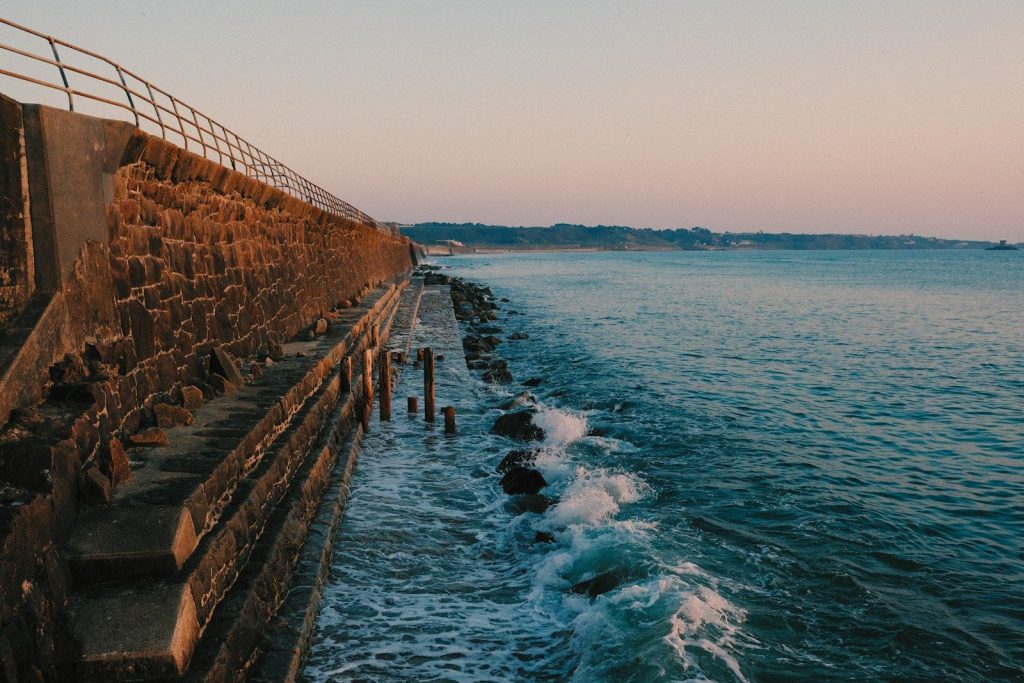
Engineers constructed a series of massive mobile barriers to block high tides from entering the lagoon. While these gates offer temporary protection, they cannot stop the land itself from settling further. According to engineering reports, the barriers will eventually need to remain closed permanently. The gates are heavy. But keeping them closed creates a secondary ecological disaster.
The Asian Crisis
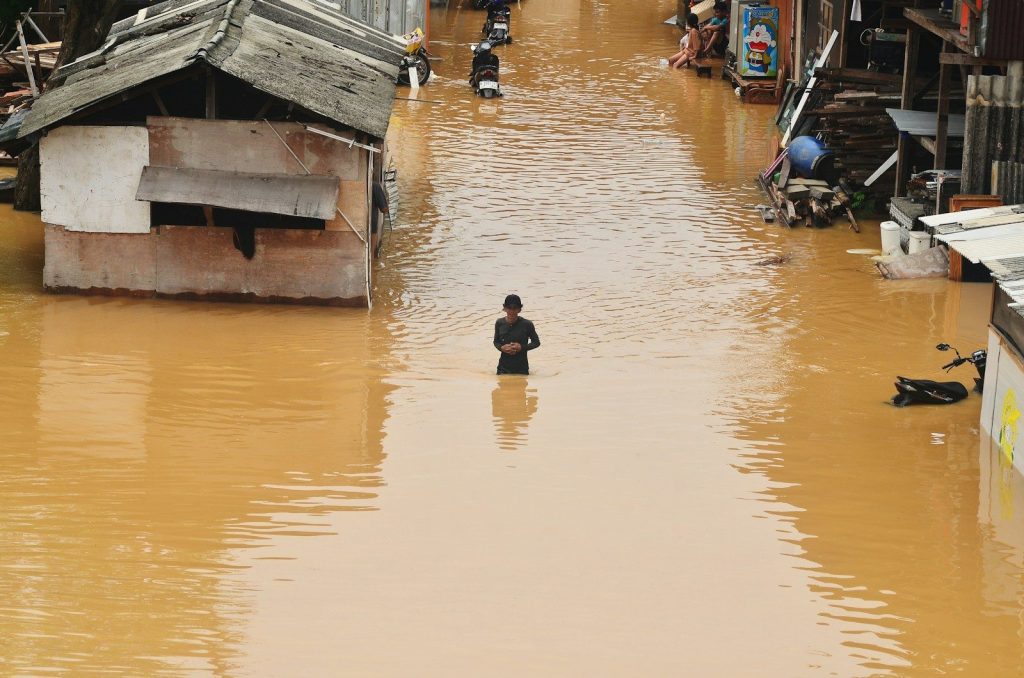
Jakarta is currently the fastest sinking megacity on the entire planet. Decades of unregulated water pumping have drained the deep aquifers beneath the concrete streets. According to researchers at the Bandung Institute of Technology, some areas sink up to ten inches every year. The situation is dire. This extreme collapse is forcing a historic political move.
Abandoning The Capital
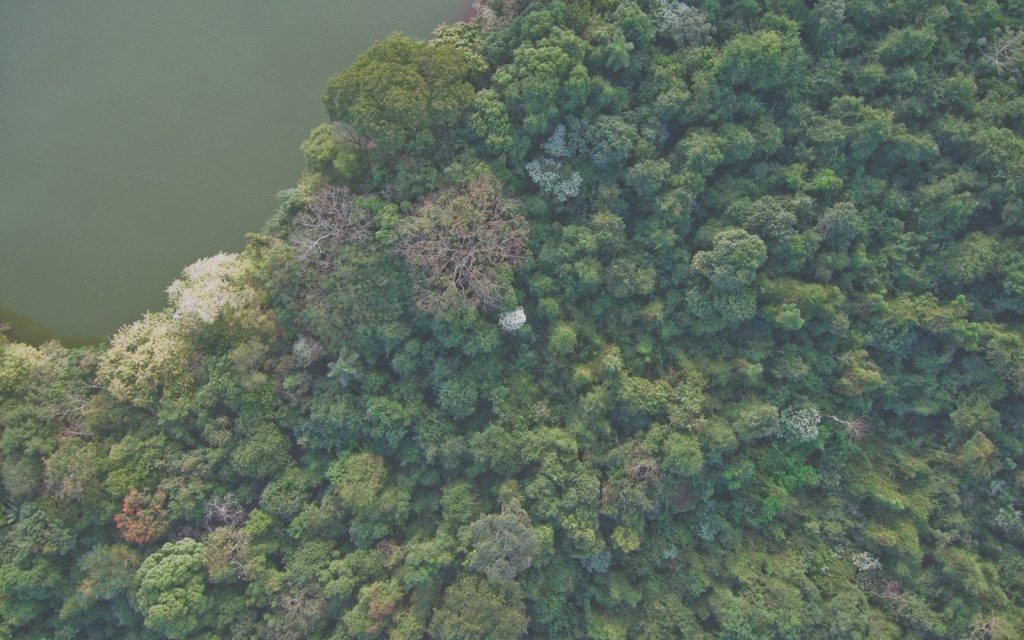
The government has officially decided to move the entire capital city to a different island. This radical plan will cost tens of billions of dollars and take years to complete. According to official reports, the current capital will be mostly underwater within a few decades. The move is historic. Yet, other Western cities are facing the exact same fate.
America’s Sinking Jewel
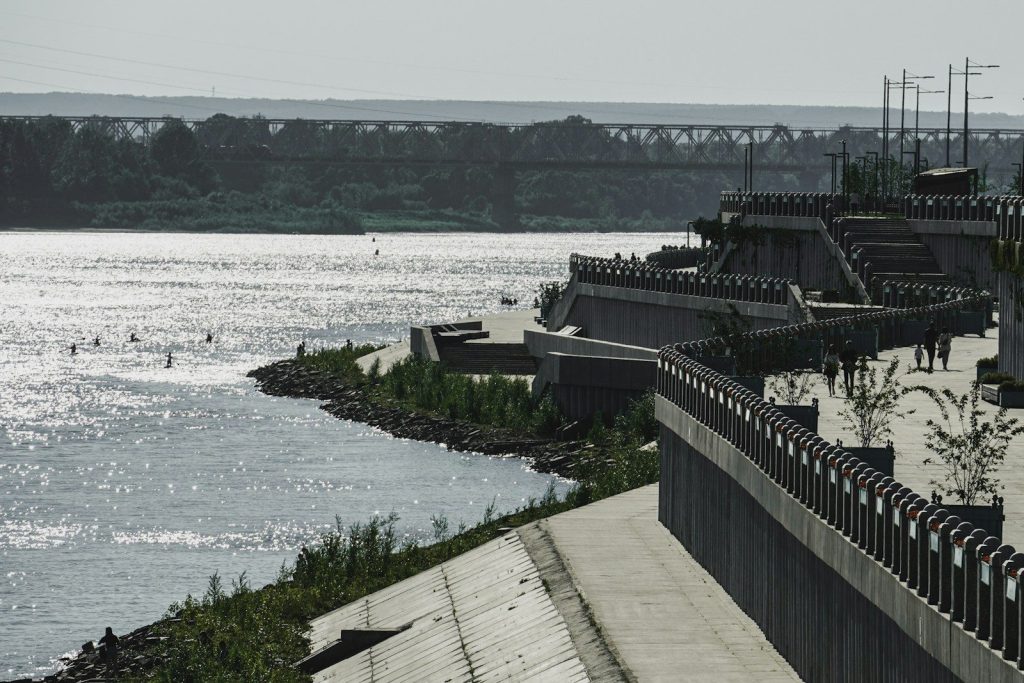
New Orleans is built on soft river silt that is naturally compacting and settling. The city is already mostly below sea level and relies on artificial levees to survive. According to reports from the US Geological Survey, the land continues to sink at an alarming rate. It is highly vulnerable. This makes the next major storm incredibly dangerous.
The European Threat
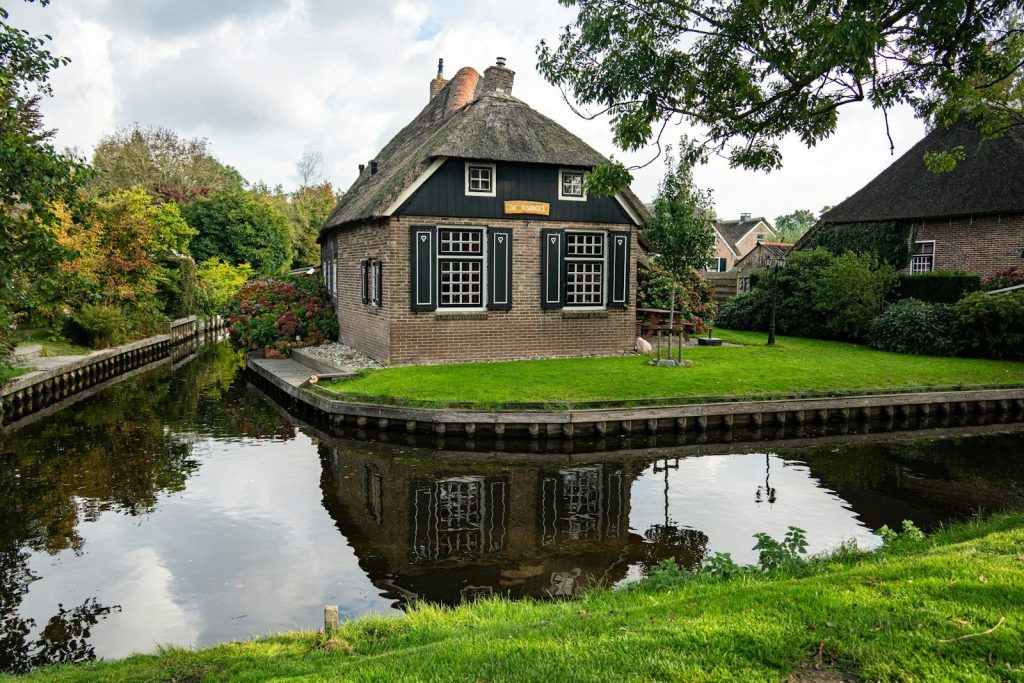
Rotterdam has spent centuries engineering a complex system of dikes and pumps to keep the sea out. Over ninety percent of the city sits well below the rising ocean levels. According to Dutch water management experts, maintaining this artificial balance is becoming increasingly difficult as storms grow stronger. The pressure is mounting. This raises a critical question about our urban future.
Engineering Our Survival
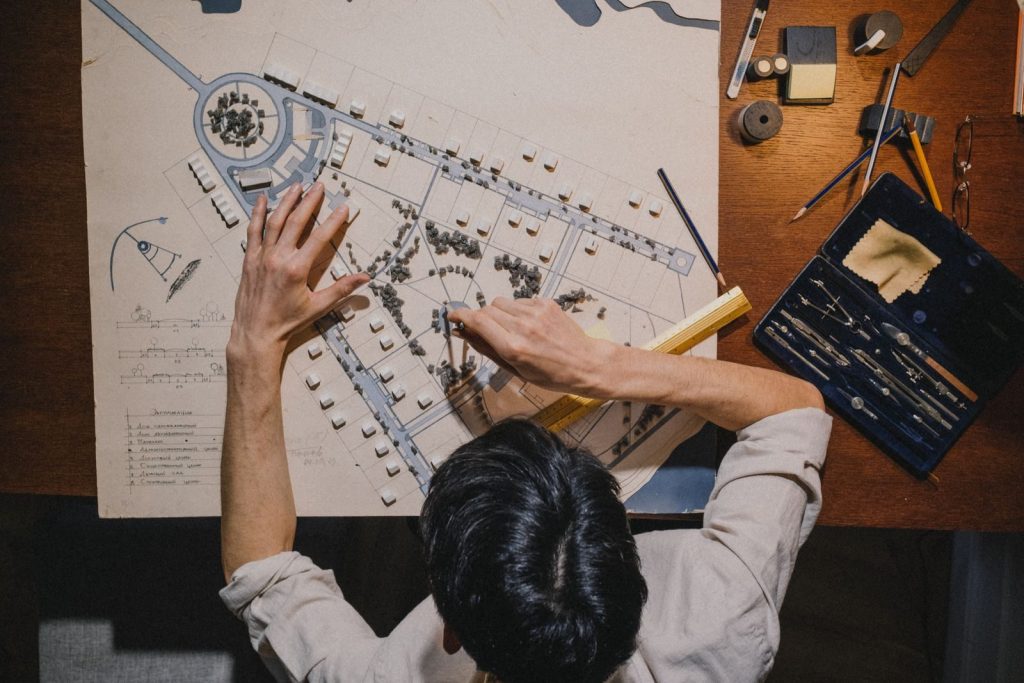
The battle to save our coastal cities will require the most advanced technology in human history. We must adapt our infrastructure or prepare to abandon these historic places. We must act now. According to urban planners, the coming decade will decide which cities survive and which are lost to the sea. This article is for informational purposes only.
Featured Image: Photo by Sua Truong on Unsplash
Leave a Reply