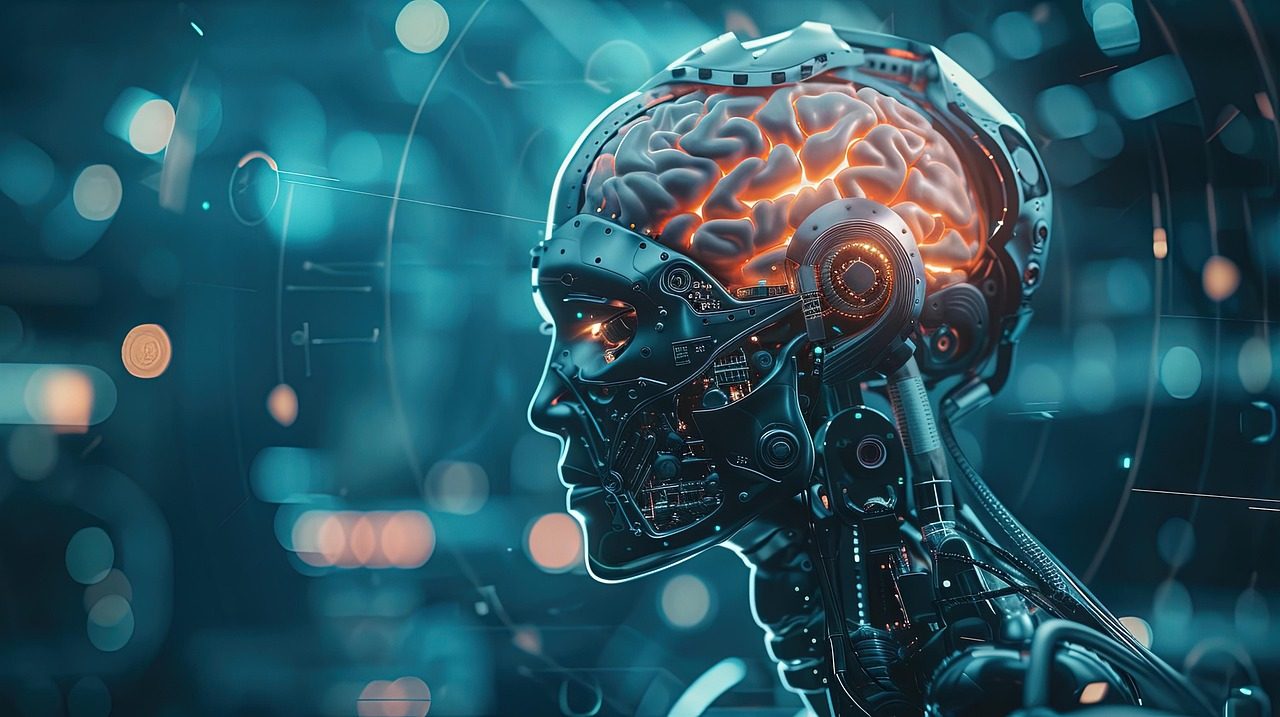
Most people assume that computers will always remain external tools that we control with our hands. We believe our organic brains are entirely incompatible with cold silicon chips.
But a series of stunning medical breakthroughs is shattering this biological boundary. Scientists are actively wiring human brain cells directly into digital machine networks.
Direct Brain Links
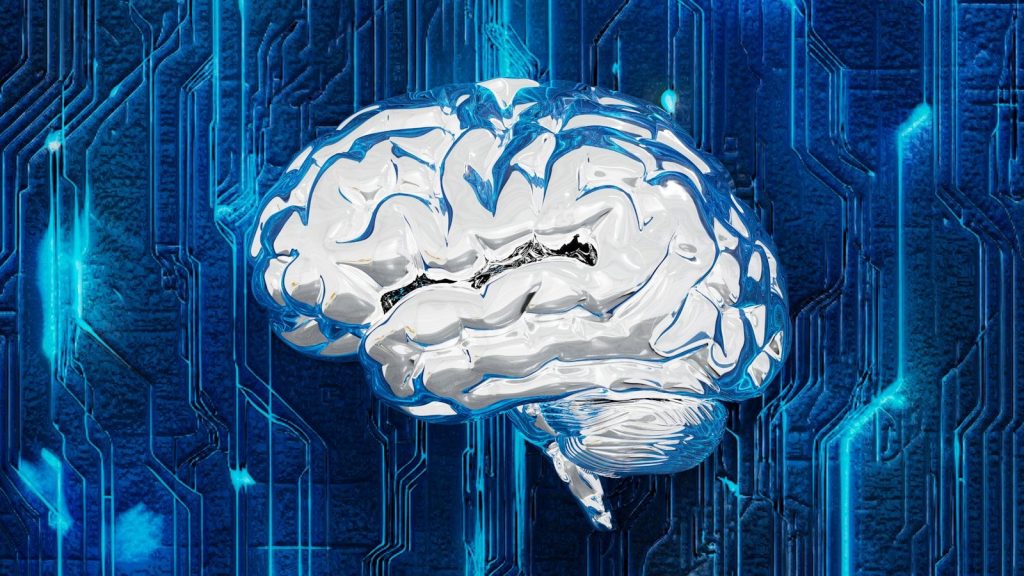
Surgeons are now implanting tiny, flexible microelectrodes directly into the human motor cortex. These hair-thin sensors read the electrical crackle of firing brain cells. According to research from Stanford University, patients can now control cursor movements on a screen using only their thoughts. They are fast. This achievement is opening up a whole new world of biological engineering.
Thought-Based Typing
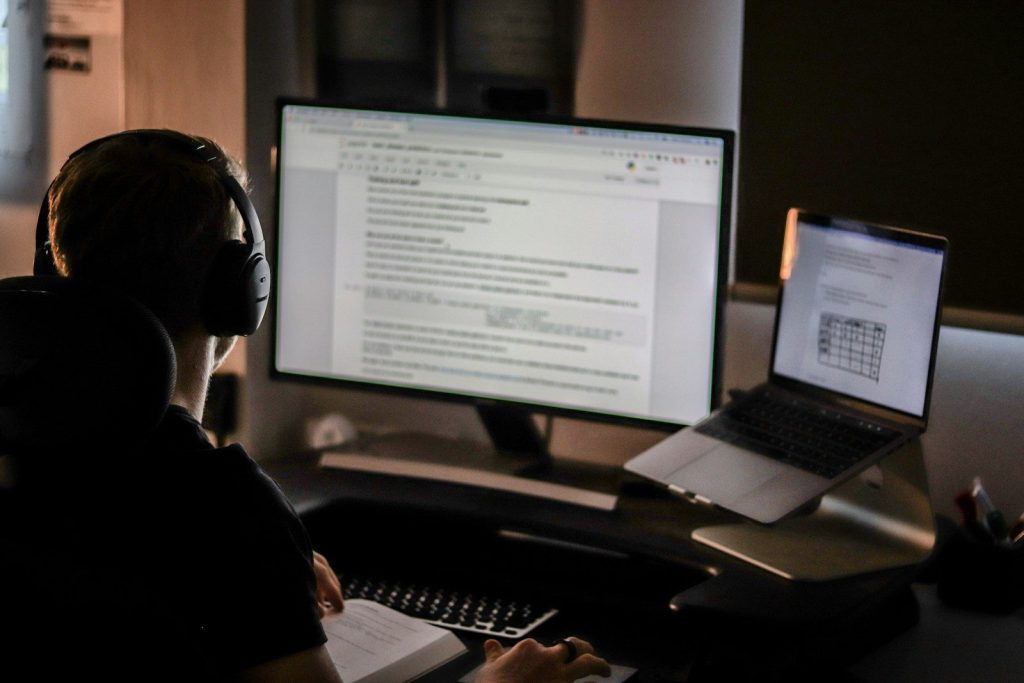
The latest medical trials have allowed paralyzed patients to compose long emails at record speeds. They simply imagine the physical motion of writing letters on a page. According to a study in Nature, the computer decodes these silent neural signals with over ninety percent accuracy. The screen updates instantly. But researchers wanted to see if this connection could work in reverse.
Sensation From Silicon
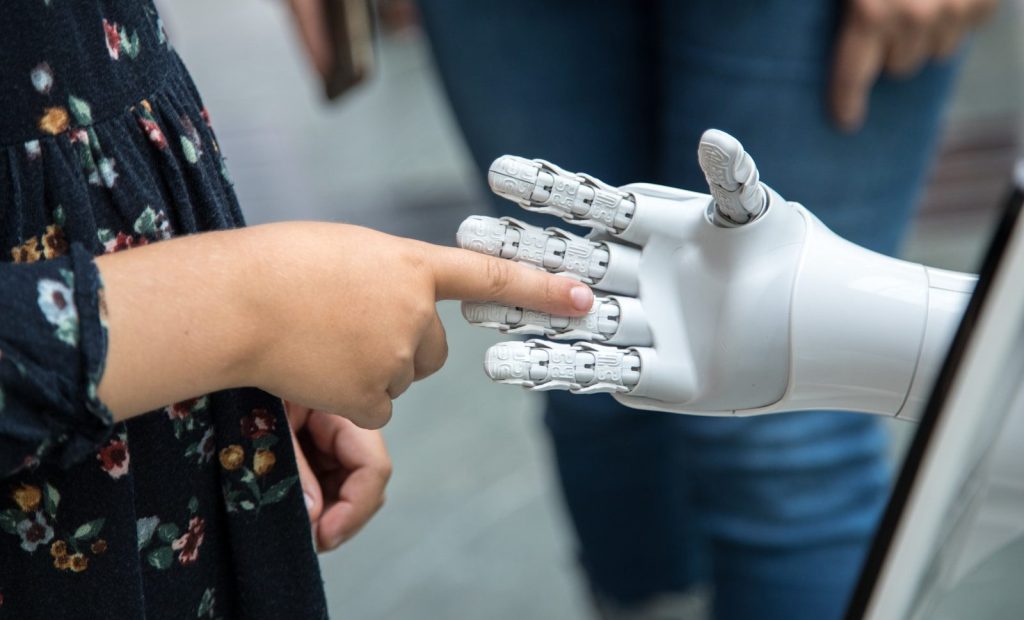
To send signals back into the brain, scientists are stimulating the sensory cortex with tiny electrical currents. This trick allows users to feel physical touch from robotic hands. According to reports from the University of Pittsburgh, patients could successfully identify which prosthetic finger touched an object. They felt texture. This sensory loop represents a massive leap toward true cybernetic integration.
The Organic Computer
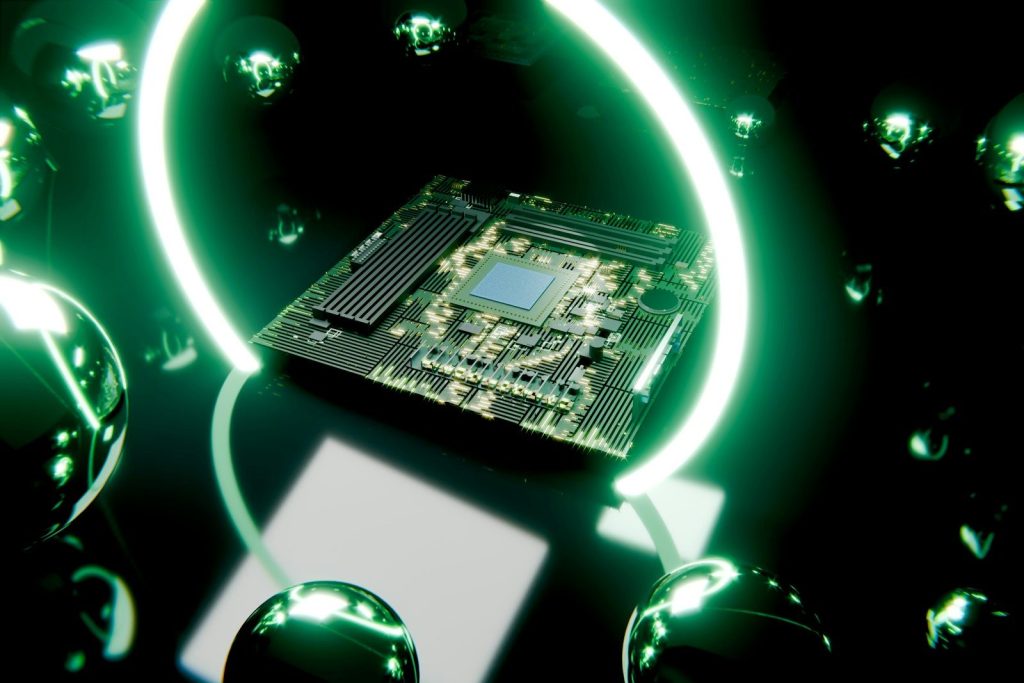
Other teams are taking the opposite approach by growing living human brain cells on microchips. These hybrid processors use real neurons to calculate complex data. According to researchers at Monash University, these living chips learned to play simple video games much faster than traditional software. They are alive. This biological processing power could soon make standard silicon chips completely obsolete.
Curing Neurological Decay
Brain-machine interfaces could soon bypass damaged nerve pathways to restore movement in paralyzed limbs. They could also bridge the damaged brain regions responsible for memory loss. According to neurological reports, early trials have successfully restored simple memories in animal test subjects. Hope is growing. Yet, this futuristic technology also carries major risks to our privacy.
The Ultimate Hack
If a computer connects directly to your brain, your most private thoughts could become vulnerable to hackers. Cybercriminals could theoretically read or even alter your neural data. According to cybersecurity experts, we must develop unbreakable encryption for neural implants. The danger is immense. This security threat is forcing developers to proceed with extreme caution.
Rethinking Our Identity
Merging our organic minds with machines forces us to question what it truly means to be human. If your memory and thoughts exist on a server, where does your identity end? According to cognitive philosophers, this technology will blur the line between human and machine forever. We must adapt. This philosophical shift is sparking intense debates about the future of our species.
The Bio-Tech Horizon
The fusion of mind and machine is no longer a wild science fiction dream. This advanced technology is paving the way for a revolutionary leap in human evolution. According to leading neuroscientists, our organic limits are about to vanish entirely. This article is for informational purposes only.
Featured Image: Photo by BrianPenny on Pixabay
Leave a Reply