Most people assume that traveling through time is a fantasy reserved for movie screens. We believe the laws of physics permanently lock us into the present moment.
But brilliant modern physicists are actually working on real mathematical blueprints to bend spacetime. Their laboratory experiments are bringing this wild dream closer to scientific reality.
Bending The Fabric of Space
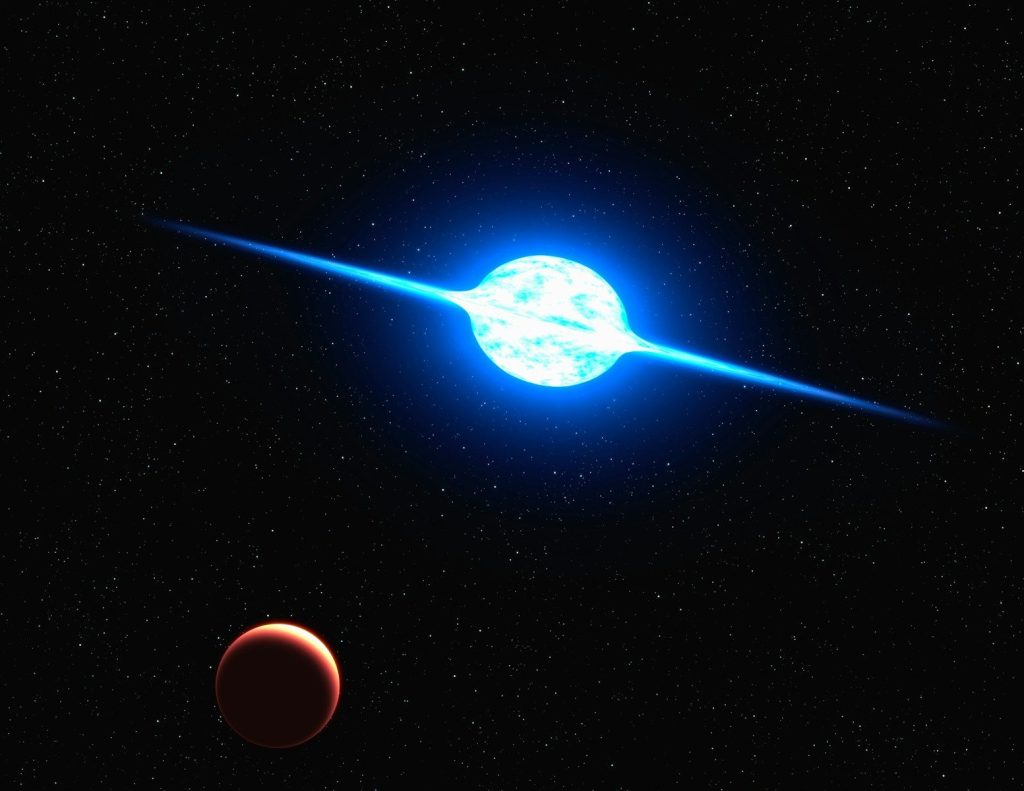
To understand time travel, we must first look at the universe as a flexible sheet. According to Albert Einstein, gravity is not a pull but a curve in the fabric of space and time. This curve is key. Large objects like stars warp this fabric, forcing time to tick slower near their surfaces. But manipulating this warp in a laboratory requires a completely different approach.
Spinning Lasers In Darkness
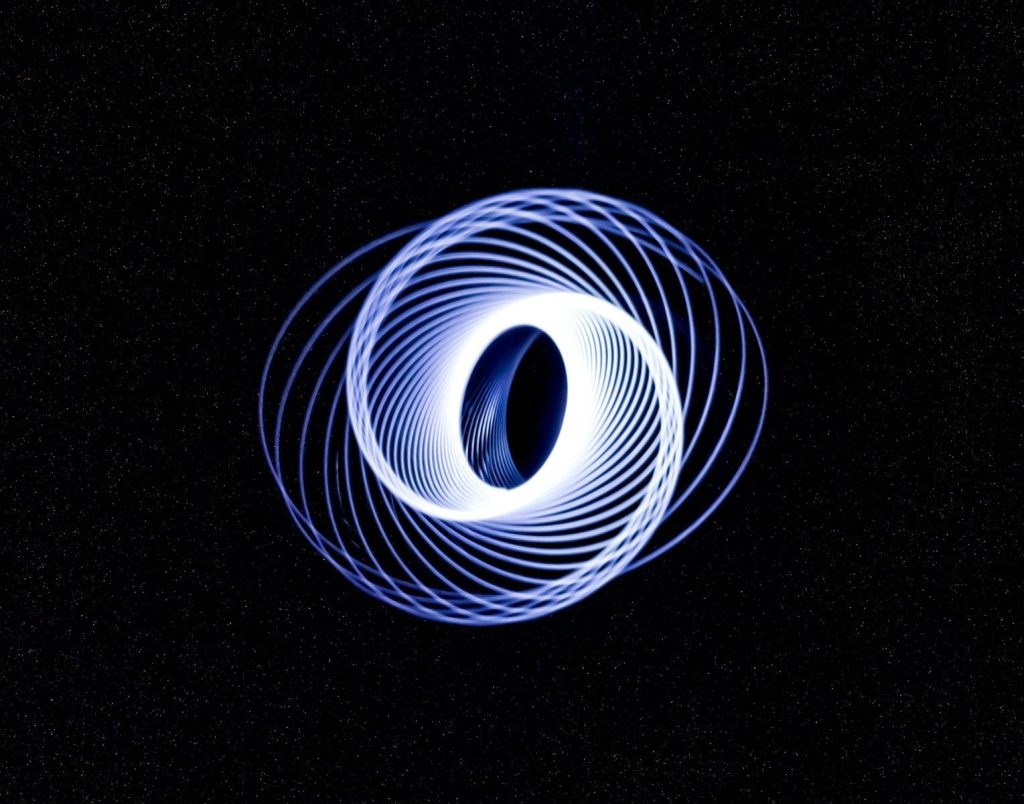
One daring physicist realized that light could be the ultimate tool for warping time. According to Dr. Ronald Mallett, speaking to physics publications, a rotating loop of intense laser light can twist space itself. This concept is revolutionary. If you twist space tightly enough, you can theoretically bend time into a closed loop. But powering such a device requires an immense amount of energy.
The Power of Light Loops
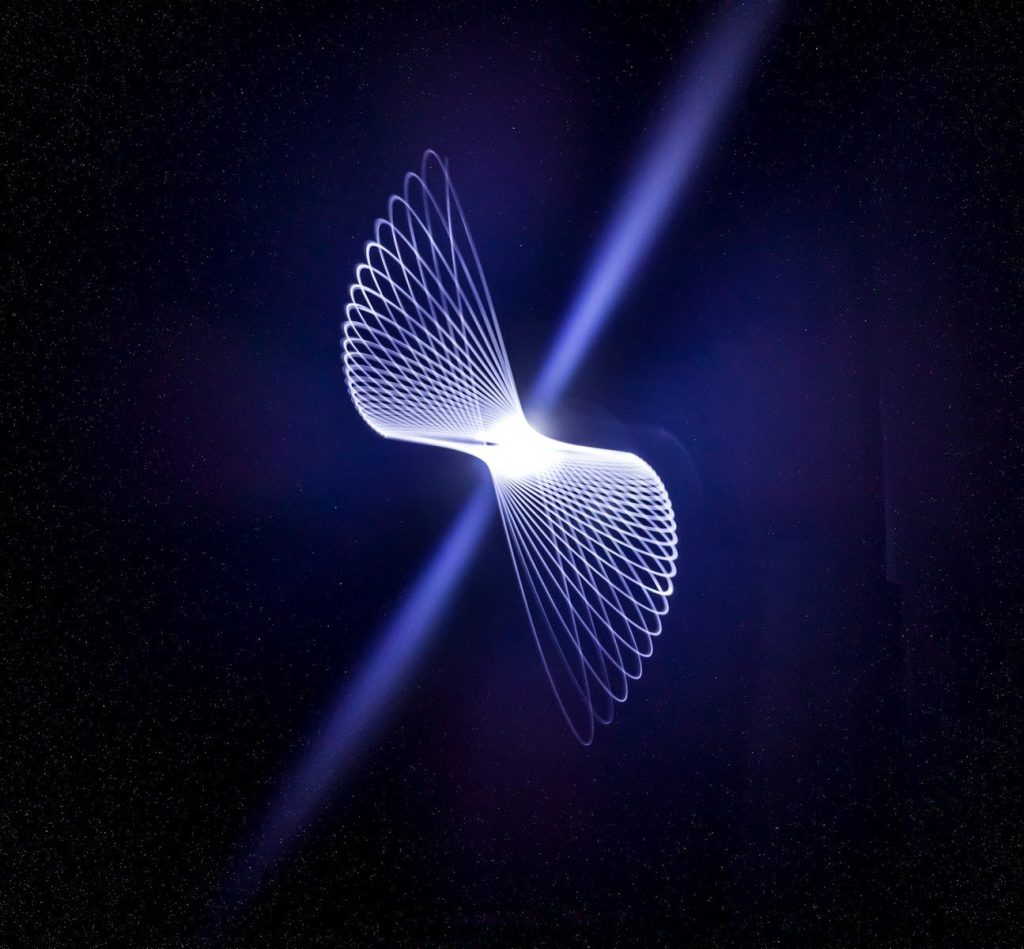
A looping beam of light creates a subtle gravitational drag that could influence subatomic particles. According to reports from the University of Connecticut, these laser arrays could theoretically send messages into the past. This is a breakthrough. By encoding information into the spin of a single neutron, scientists might one day transmit basic codes through time. But this delicate process comes with a massive catch.
The Limit of Going Back
A real time machine can only send a message back to the exact moment the machine was turned on. According to theoretical physicists, you cannot visit a time before the lasers started spinning. This limit is absolute. If we build a machine today, we can never use it to visit ancient history. But this boundary has not stopped researchers from looking for loopholes in the cosmos.
Seeking Cosmic Shortcuts
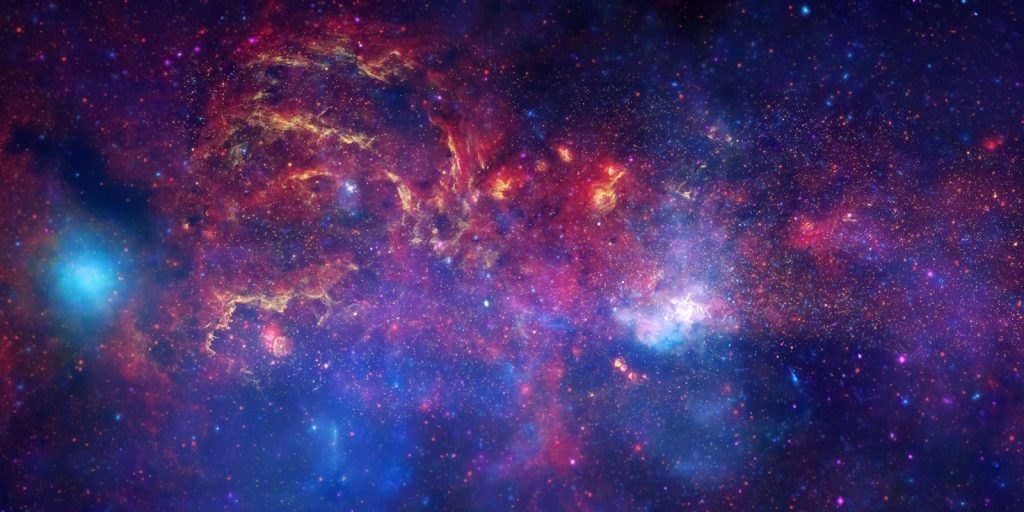
Nature might have already built its own natural time tunnels deep in space. According to researchers at the California Institute of Technology, theoretical shortcuts known as wormholes could connect distant points in spacetime. These tunnels are unstable. Keeping a wormhole open would require a rare form of negative energy that we cannot yet produce in large quantities. Yet an even larger problem lies in the laws of causality.
The Paradox of Time

Changing the past could trigger paradoxes that threaten the stability of reality itself. According to quantum physicists, the universe might prevent these timeline errors through a natural self-healing process. The math is complex. If you attempt to alter a past event, quantum fluctuations could naturally redirect your path to preserve the present. But solving these paradoxes is forcing researchers to look at the universe differently.
A Quantum Theory Leap

To truly master time, we must unite the laws of the very large with the very small. According to reports from the Max Planck Institute, a unified theory of quantum gravity could reveal the ultimate nature of spacetime. This would change everything. Understanding how gravity behaves at the subatomic level might finally prove whether chronological travel is physically possible. But the search for this grand theory continues.
The Infinite Horizon

While building a physical time machine remains a distant goal, the journey is expanding our understanding of the universe. Every experiment brings us closer to the truth. According to astrophysicists, we are slowly unraveling the deep mysteries of spacetime. The cosmos keeps its secrets well. This article is for informational purposes only.
Featured Image: Photo by Ethan Currier on Unsplash
Leave a Reply