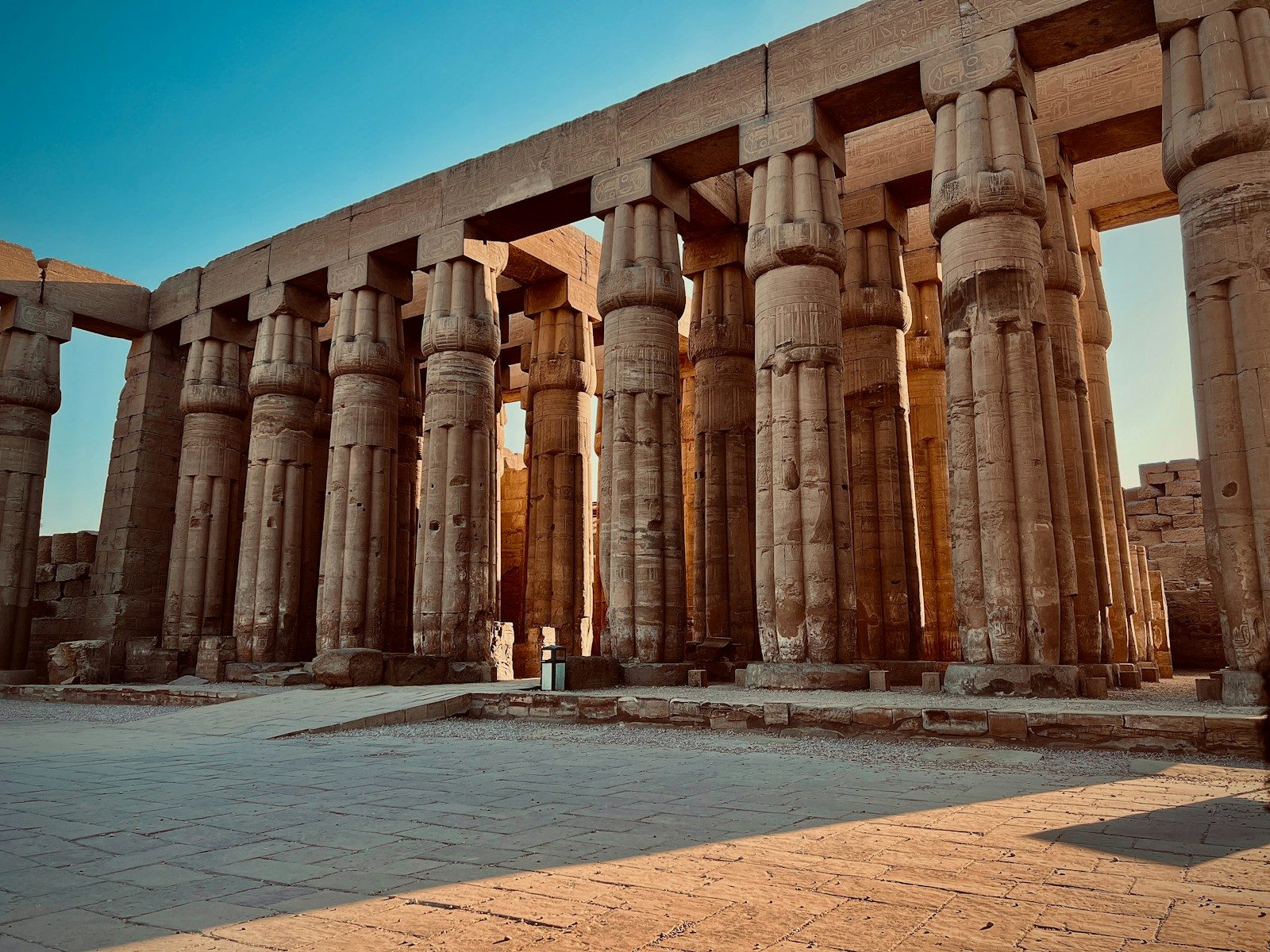
For centuries, we assumed that ancient Egyptians chose temple locations based entirely on political power. We believed these massive structures were built on random desert plains.
But a groundbreaking study beneath Karnak Temple has revealed a deeply sacred geological secret. Engineers deliberately built the temple on an island rising directly from water.
The Ancient Soil Core Revelations
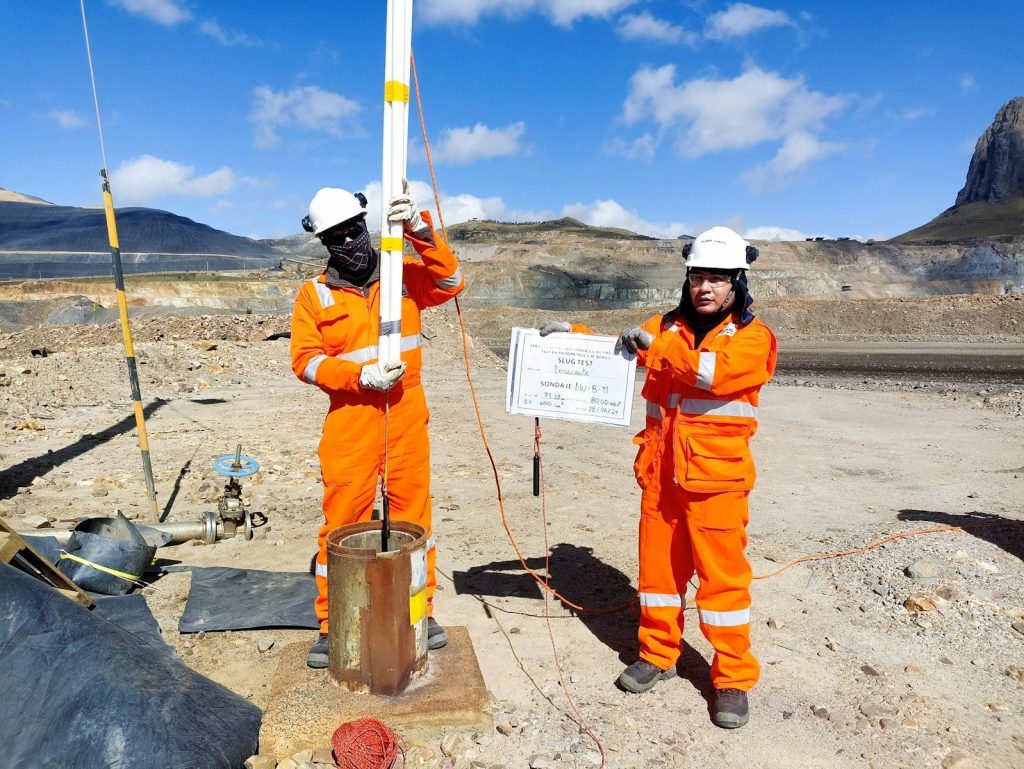
Geologists began drilling deep beneath the stone foundations of the temple complex. According to a study published in Antiquity, researchers analyzed over sixty sediment cores to map the ancient landscape. The work was slow. They wanted to understand what the Nile River looked like four thousand years ago. But the ancient wet dirt revealed that the ground was once completely uninhabitable.
A Violent Raging Nile Flood
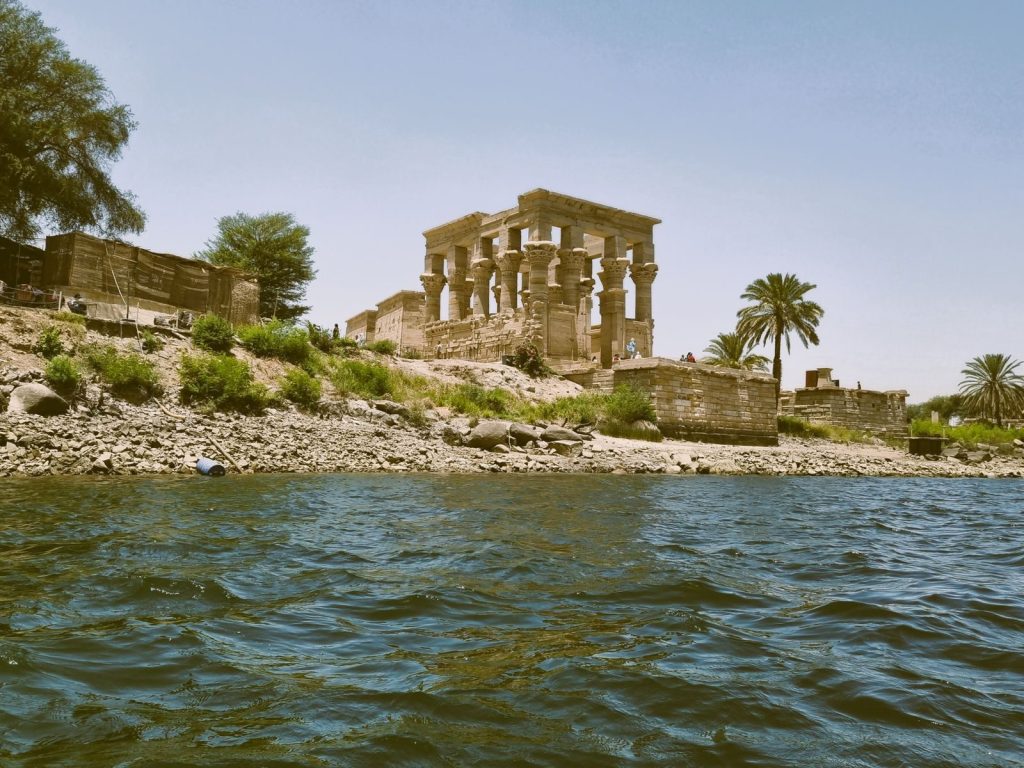
Before the first stone temples were built, the area was a wild marsh. According to geoarchaeologists, the River Nile routinely flooded this region with powerful, dangerous currents. The water was destructive. No permanent human settlement could survive on these unstable banks. Yet, a sudden natural shift in the fast river channels soon created a rare physical opportunity.
The Island That Emerged, Solo
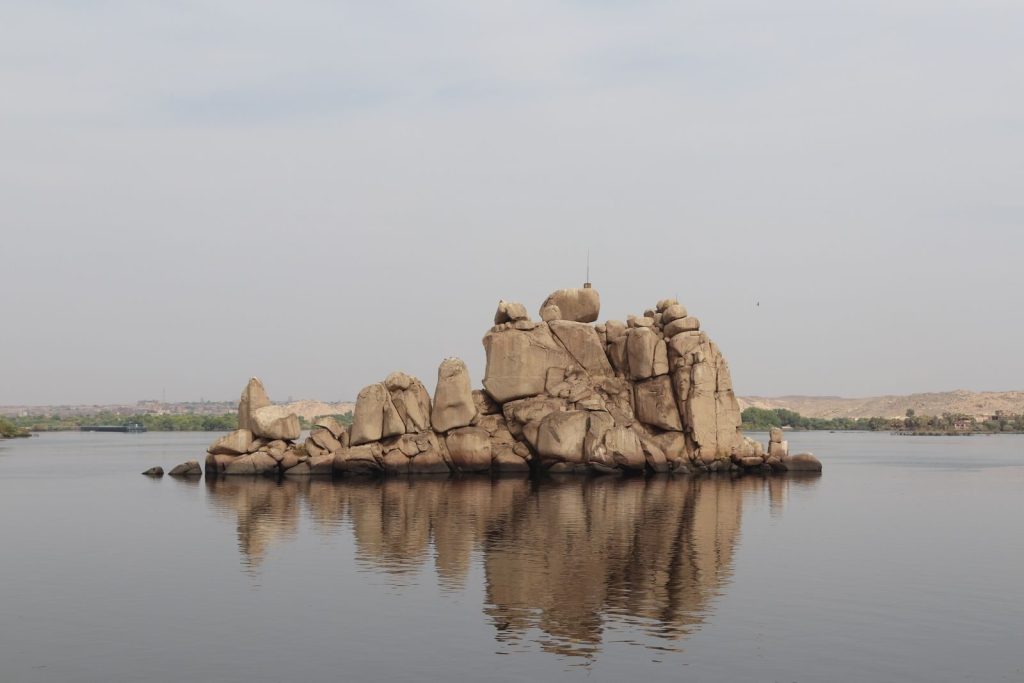
Around four thousand years ago, the river split into two distinct channels. According to lead researcher Angus Graham of Uppsala University, this migration carved out an elevated island of high ground. It stood alone. This raised terrace became the only dry spot in the entire flooded basin. But this strange natural phenomenon perfectly matched a highly powerful ancient Egyptian creation myth.
The Mound Of Primeval Creation
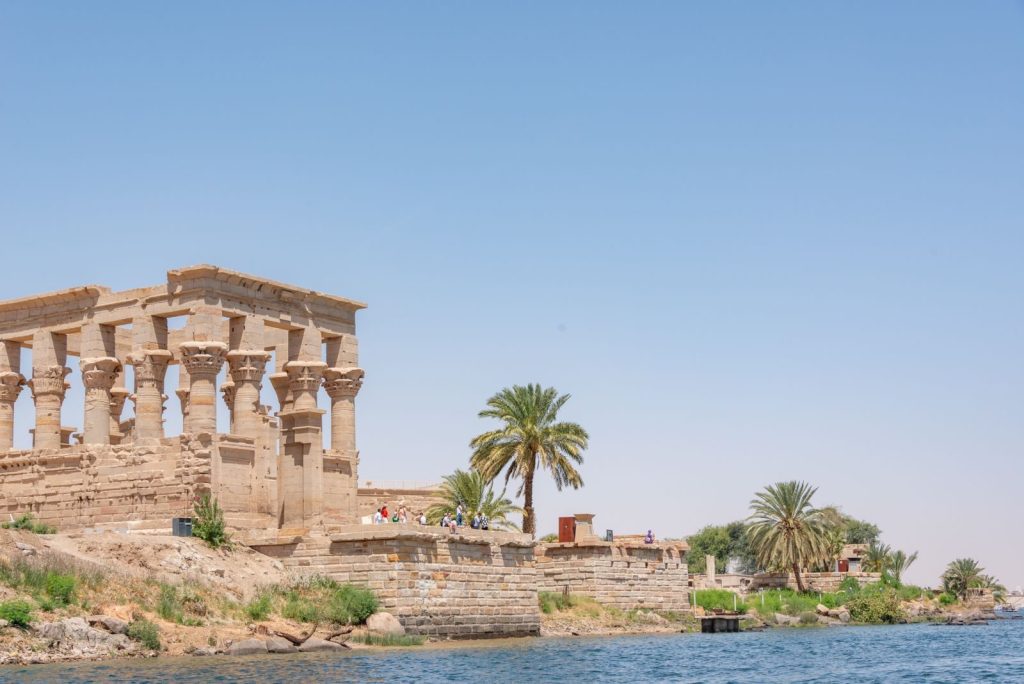
Ancient Egyptian religious texts describe how the creator god emerged on a single mound of earth. According to these sacred stories, this pristine high ground rose directly from the legendary Waters of Chaos. This was the beginning. To the people of ancient Thebes, watching Karnak emerge from the annual Nile floods was a reenactment of creation. But building on this island required massive human effort.
Slamming Desert Sand In Water
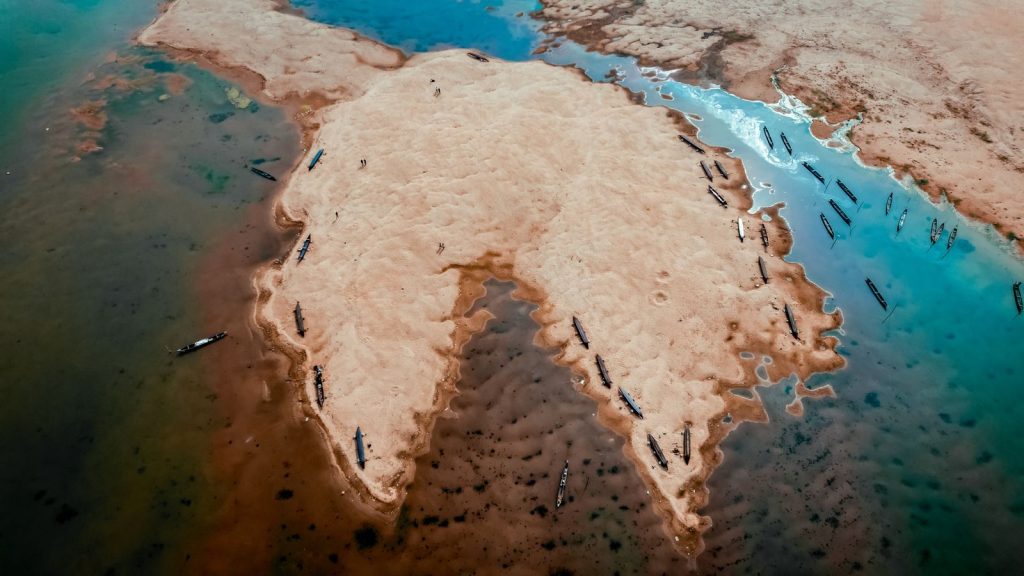
As the temple population grew, builders ran out of space on their holy island. According to ceramic and soil analysis, ancient engineers dumped massive amounts of desert sand into the river channels. They were aggressive. They wanted to artificially expand the temple footprint by choking the minor waterways. Yet, the river continued to fight back against this expansion.
The Forgotten Eastern Channel
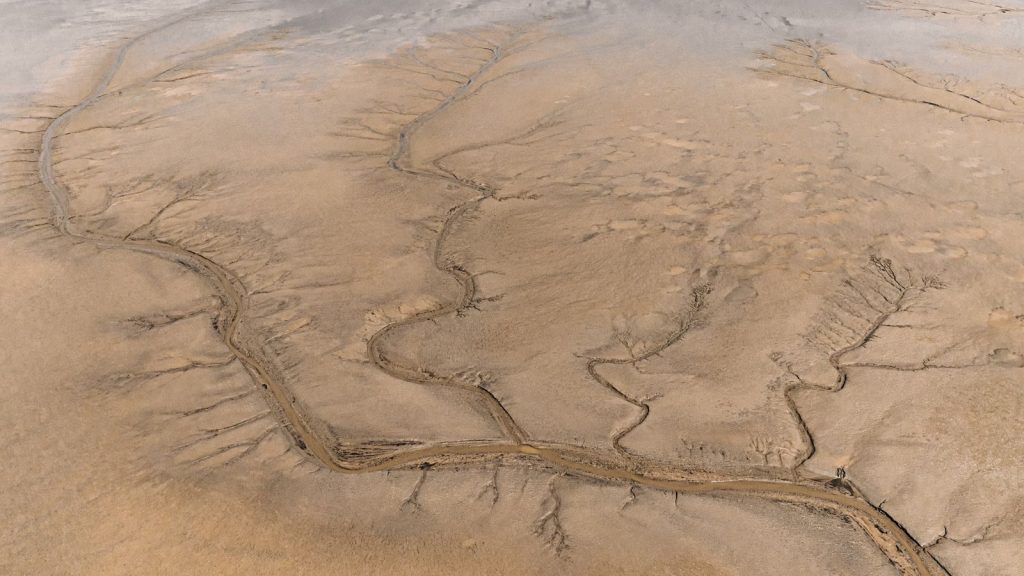
Historically, archaeologists only focused on the western river banks. According to the geoarchaeological team, a massive and deep eastern water channel also flowed right beside the temple. It was very wide. This waterway survived for thousands of years until the arrival of the Romans. But this buried watery system still left one final structural surprise for modern excavators.
Ancient Handprints In Clay
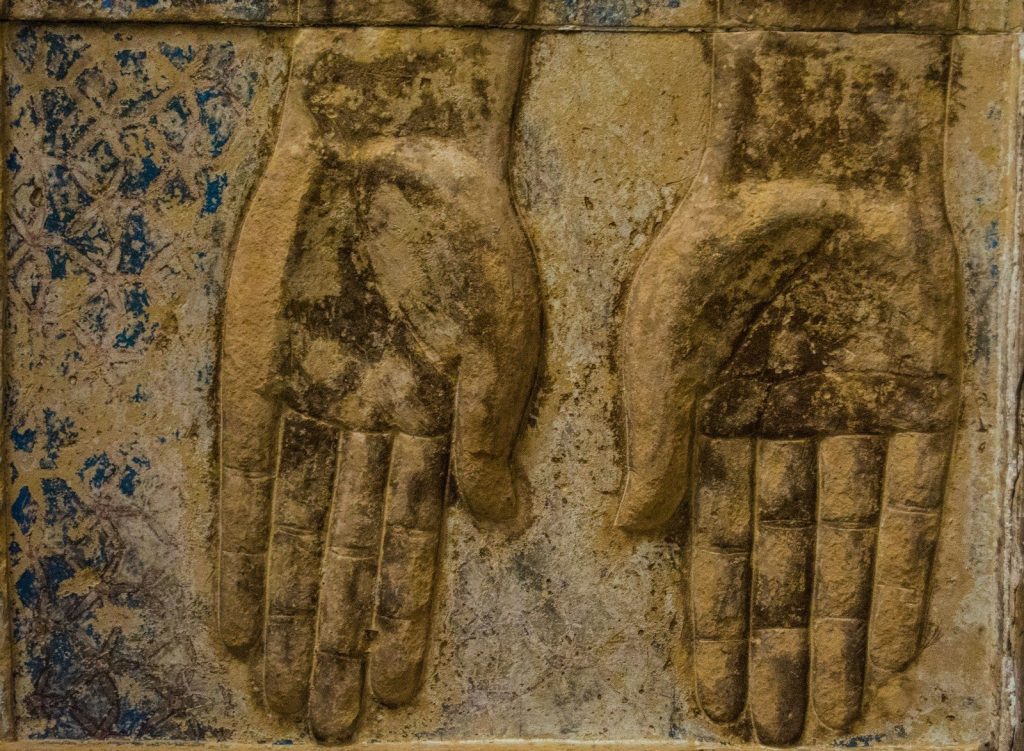
Deep inside the earliest layers of sediment, researchers found ancient pottery and clay fragments. According to reports from Cambridge University, one specific clay object preserves a highly clear handprint left by a potter. It feels incredibly personal. This ancient physical touch connects us directly to the builders who first worked this sacred soil. But we are only starting to understand how these builders truly merged geology with myth.
The Legacy Of Shifting Waters
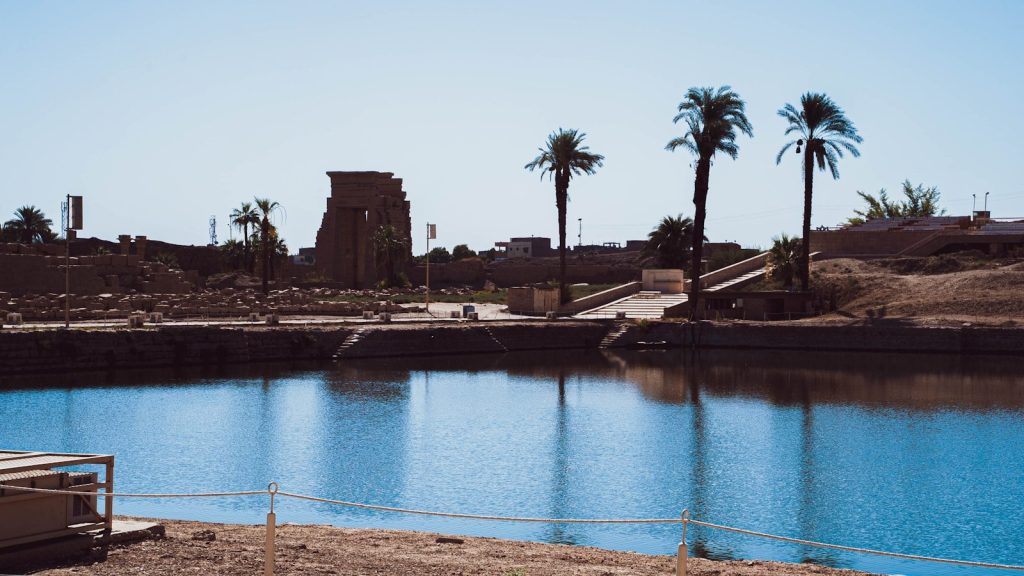
Karnak Temple was not just a monument of dry desert stone. According to archaeological science, it was a living landscape born directly from the movement of the River Nile. Myth and earth combined. This article is for informational purposes only and does not constitute professional historical advice.
Featured Image: Photo by Ahmed Elnokrashy on Unsplash
Leave a Reply