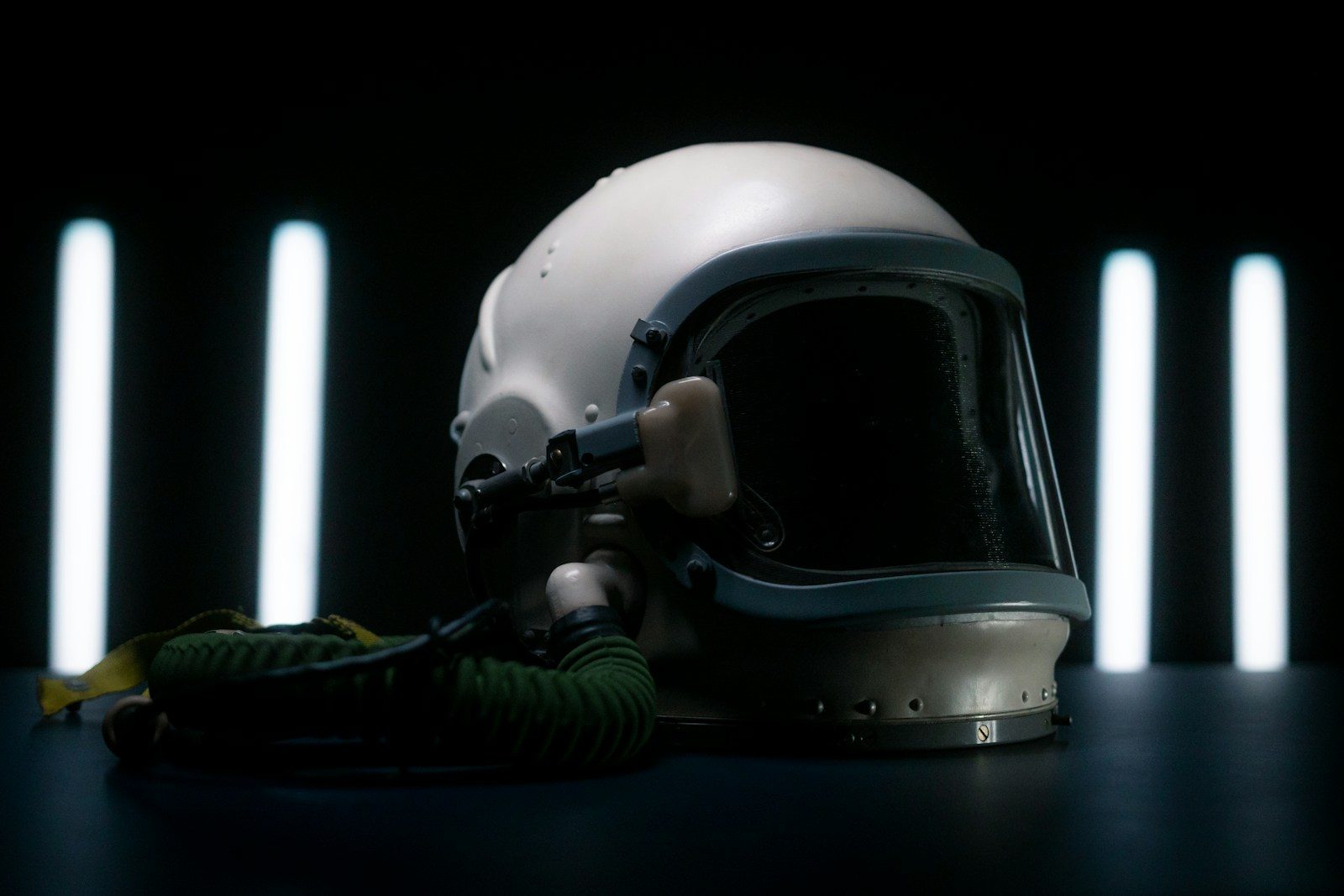
Fighter pilots have always relied on glass dashboard screens to monitor their aircraft in flight. We assume solid metal floors will forever block any view of the ground below.
But a revolutionary high-tech helmet is completely changing military aviation. This incredible piece of gear allows pilots to look directly through the solid metal walls of their jets.
The Wearable Sky Cockpit
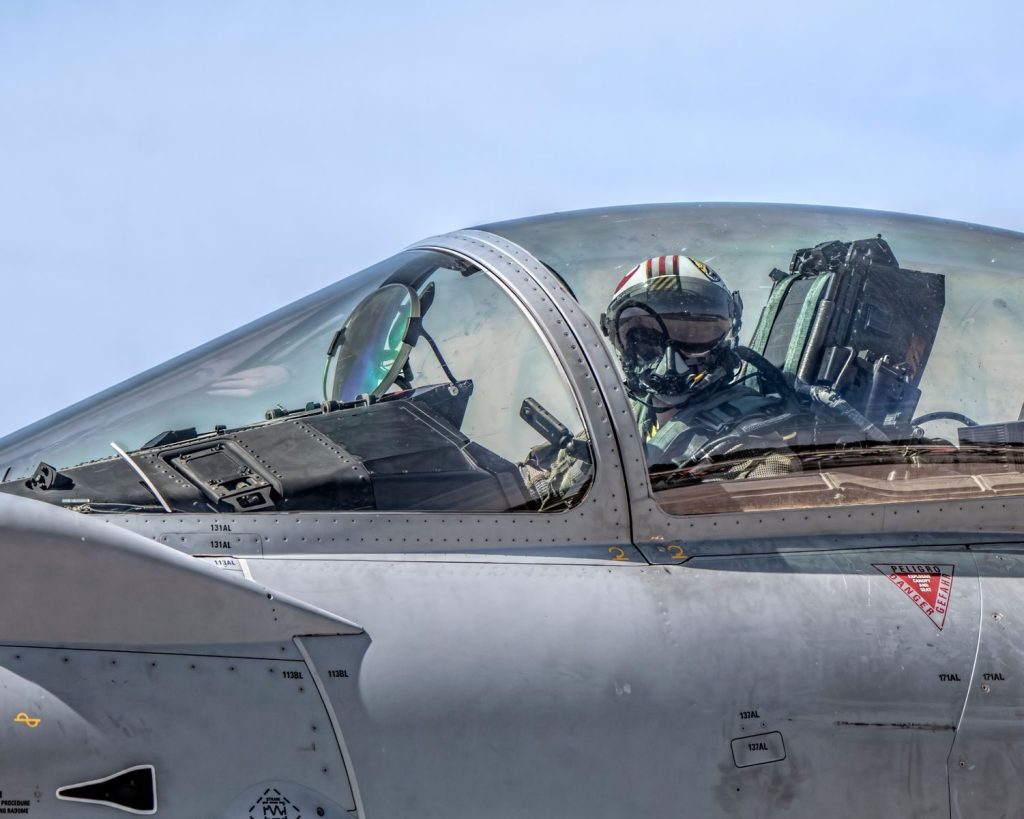
Modern fighter jets no longer use traditional glass screens on the dashboard. The helmet is the cockpit. According to manufacturers at Collins Aerospace, the Gen III display system projects all critical flight details directly onto the pilot’s visor. This includes airspeed, targeting data, and navigation routes. But this wearable screen system relies on an incredibly complex fitting process to work.
Custom Molds For Head
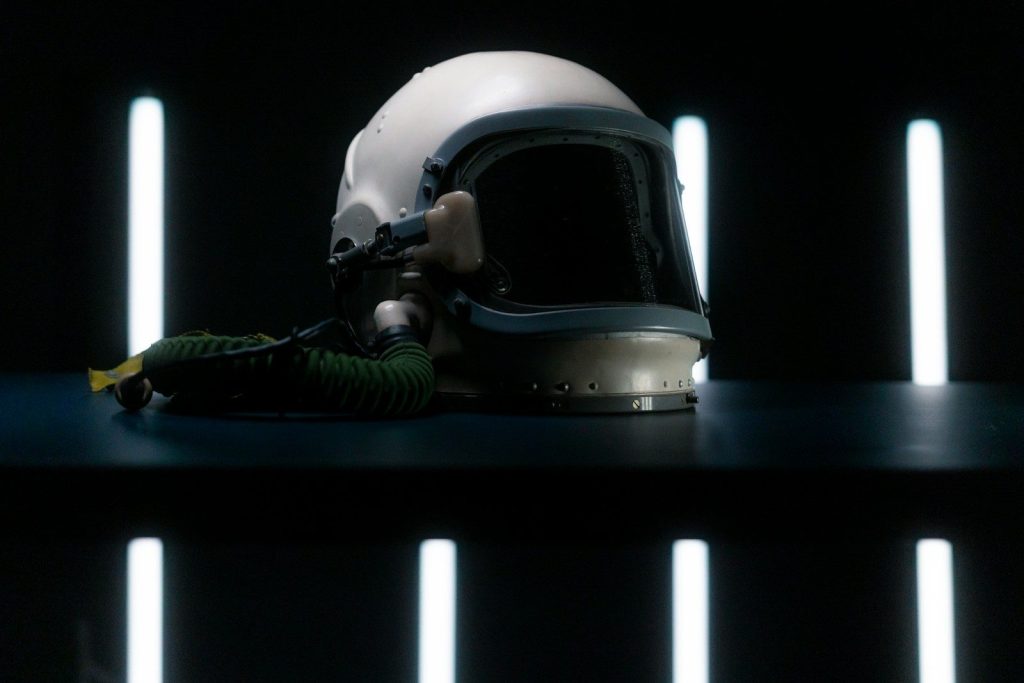
A single millimeter of shift can ruin the pilot’s targeting sight. Technicians work slowly. According to assembly reports, each helmet requires a custom laser scan of the pilot’s skull to create a perfect fit. A personalized interior lining ensures the display sits in the exact same spot every time. But this precision gear soon connects with a massive network of external eyes.
The Six External Eyes
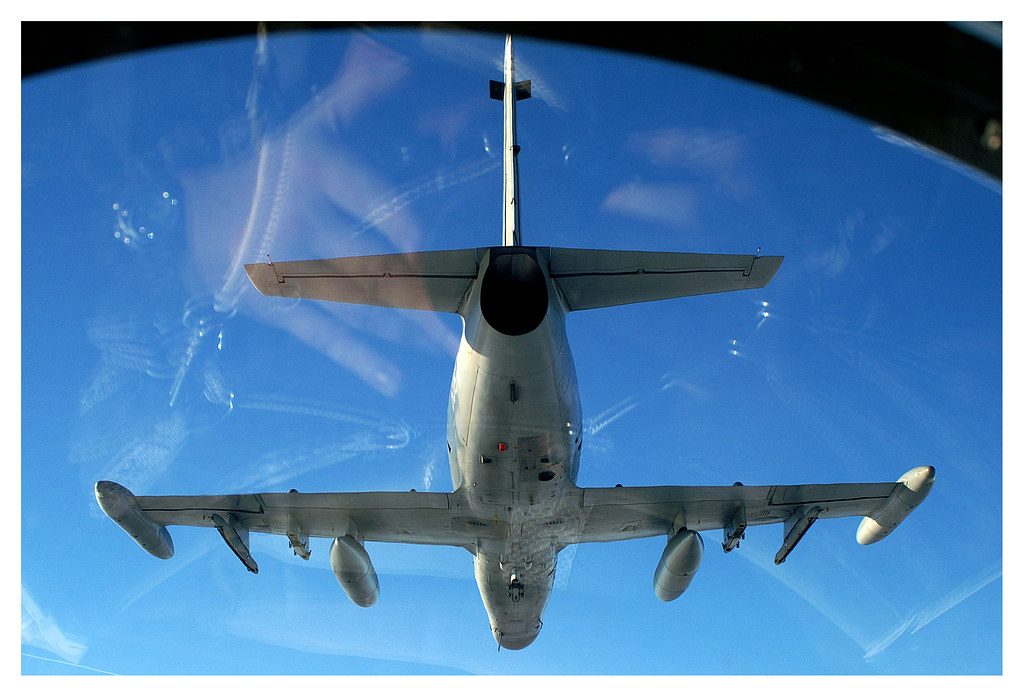
A distributed camera system makes this incredible metal-penetrating vision possible. Cameras surround the jet. According to system specifications, six external infrared cameras rest on the aircraft fuselage. These lenses stream real-time footage directly to the pilot’s visor based on natural head movements. However, displaying this massive data stream requires incredible computer power.
Supercomputers Blending Data
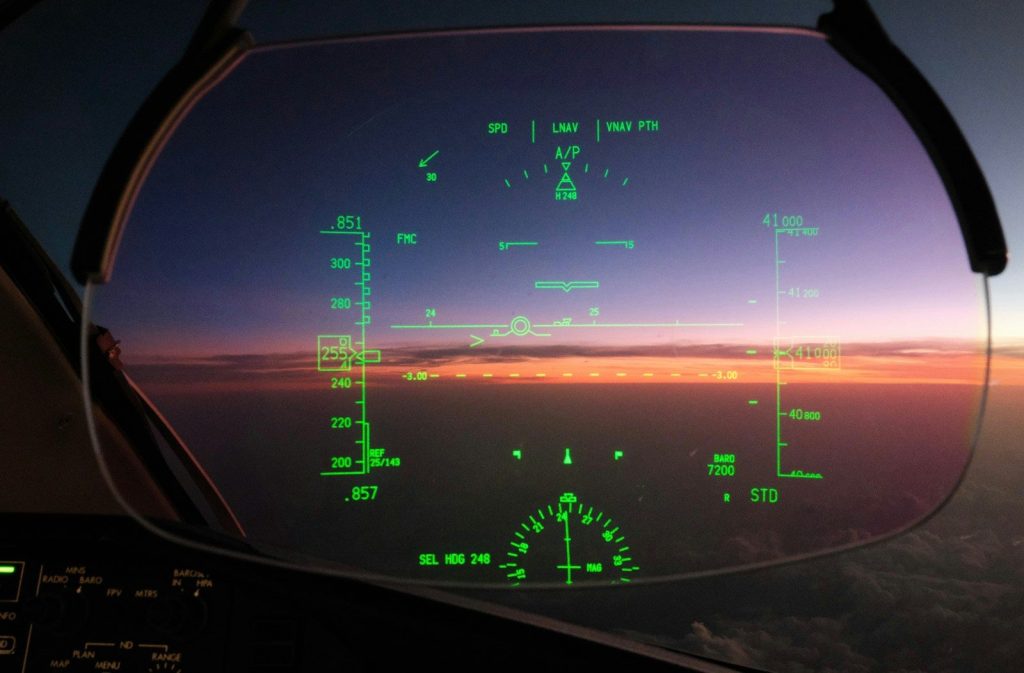
The fighter jet’s onboard computers must merge multiple data streams into a single image. Defense engineers call this sensor fusion. According to technical reports, the system combines radar data, targeting alerts, and camera feeds into one intuitive visual overlay. A green square appears on the visor even through solid clouds. But this intense defense gear carries an unbelievable price tag.
The Price Of Dominance
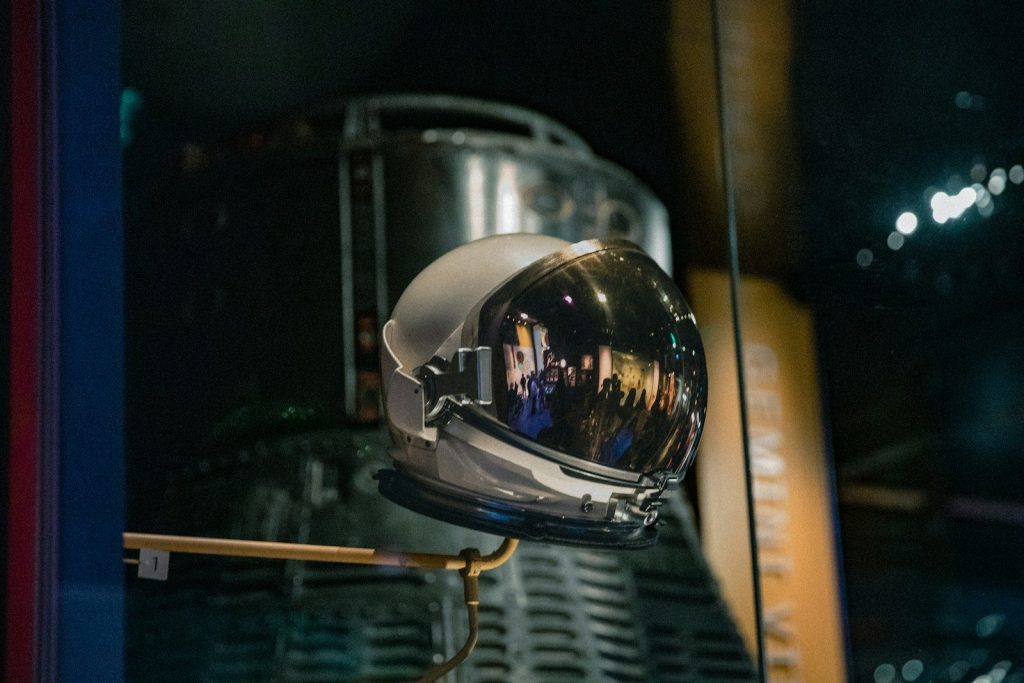
Each custom helmet costs more than a fleet of luxury supercars. The price is extreme. According to defense spending reports, a single Gen III helmet costs about four hundred thousand dollars to manufacture. The development of the helmet system alone required hundreds of millions of dollars in research. Yet, this high-tech visor still requires immense ground support infrastructure to function.
The High Tech Maintenance

Pilots must go through a regular refitting process to keep the helmet working correctly. Haircuts can disrupt it. According to military technicians, gaining or losing five pounds can throw off the alignment of the visor display. Technicians must constantly calibrate the software to match the pilot’s changing physical traits. But this digital evolution is already laying the groundwork for the next generation of flight.
A New Era in the Sky
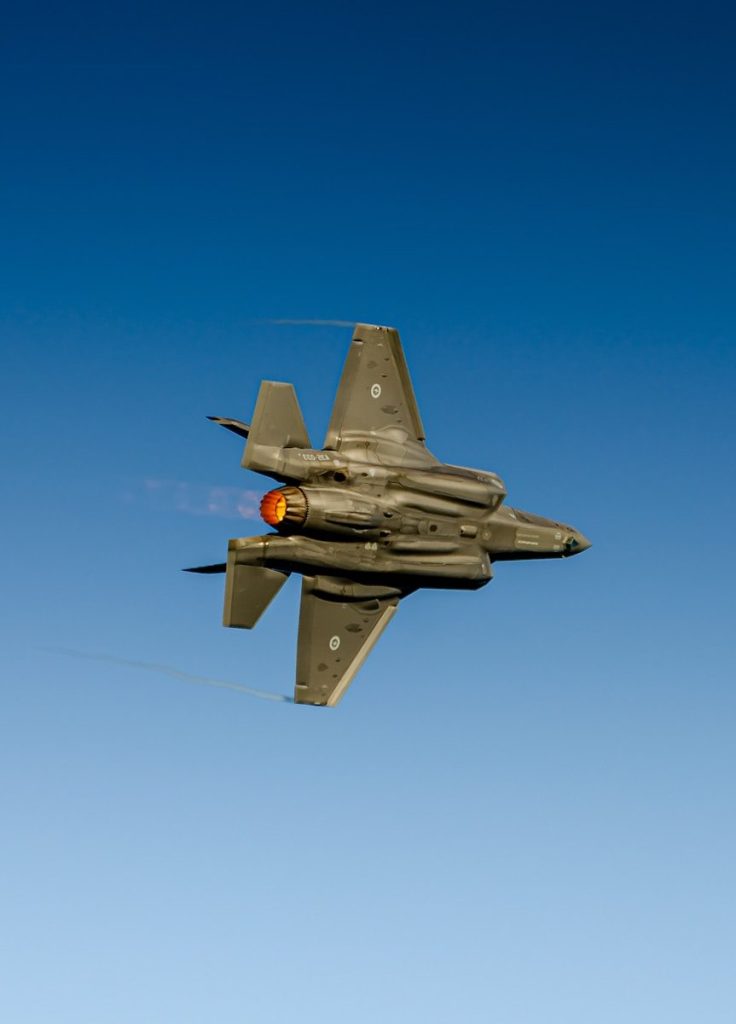
This wearable cockpit technology is paving the way for advanced pilot interfaces in future aircraft. Aviation is changing fast. According to defense contractors, next-generation fighter programs will use advanced cognitive artificial intelligence to ensure absolute air dominance. This article is for informational purposes only and does not constitute professional military advice.
Leave a Reply