We have always assumed that our universe contains everything that exists. We believe our cosmos is a single, isolated bubble floating in empty space.
But a strange cold patch in the deep sky is challenging this cosmic theory. Its bizarre temperature suggests we are touching another universe.
The Warm Early Glow
Billions of years ago, the Big Bang left behind a faint glow of cosmic radiation. This light is warm. According to NASA reports, satellite telescopes have mapped this ancient background energy with incredible accuracy. The temperature of the sky is mostly even and balanced. But researchers soon spotted a massive, unexplained dip in the deep southern sky.
The Great Blue Void
This region is significantly colder than the rest of the known universe. The void is immense. According to a study published in the Monthly Notices of the Royal Astronomical Society, this cold spot spans billions of light-years. It lacks the expected amount of stars and matter. Yet, standard models of cosmic inflation say this frozen patch should not exist.
The Cosmic Bruise Concept
Some cosmologists believe this cold spot is actually a massive bruise from a cosmic collision. Space was crowded once. According to researchers at Durham University, our universe may have crashed into a neighboring bubble during the early expansion. This violent event literally squeezed energy out of the collision zone. But this incredible explanation requires us to accept a highly controversial reality.
The Quantum Multiverse Theory
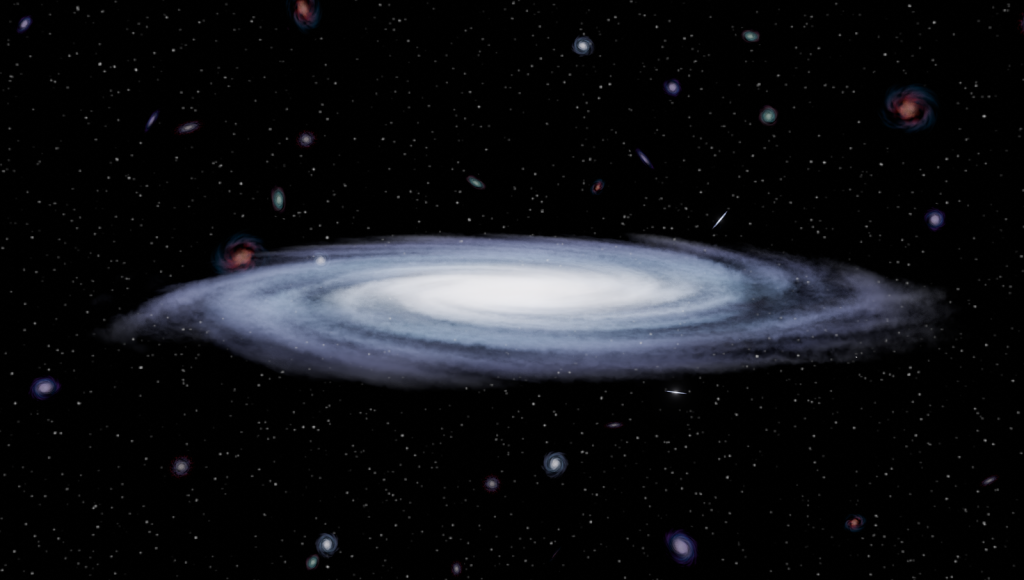
This theory suggests our cosmos is just one of countless bubbles floating in a quantum ocean. The multiverse is real. According to quantum physicists, the laws of nature allow multiple realities to emerge from primordial energy fluctuations. Each of these separate bubbles could have completely different physical laws. Yet, finding tangible proof of these invisible worlds has always been impossible.
The Cosmic Void Theory
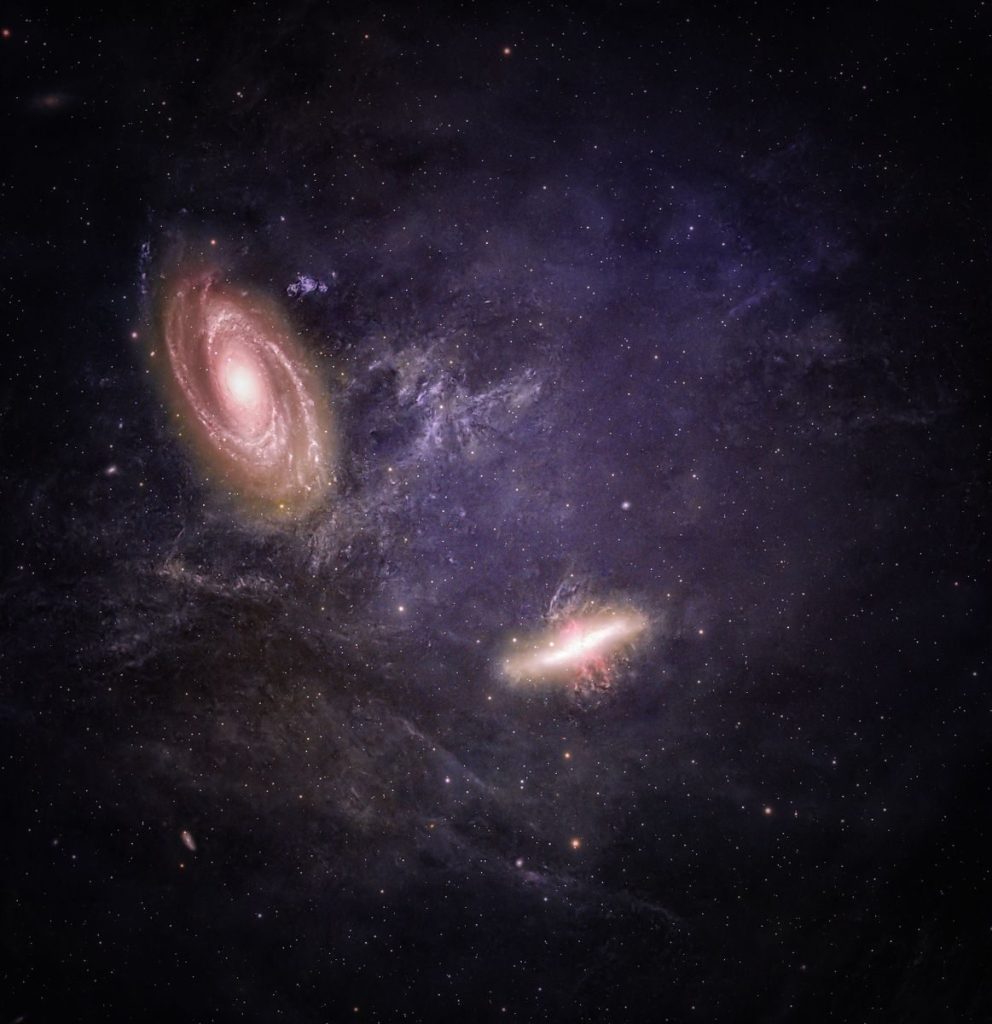
Skeptics argue that the cold spot is simply an unusually empty region of space called a supervoid. The gap is massive. According to astrophysicists, this dark corridor might contain far fewer galaxies than normal space. This makes the region look colder from our perspective on Earth. However, new galaxy surveys are failing to find a void large enough to explain the data.
Ancient Gravitational Waves
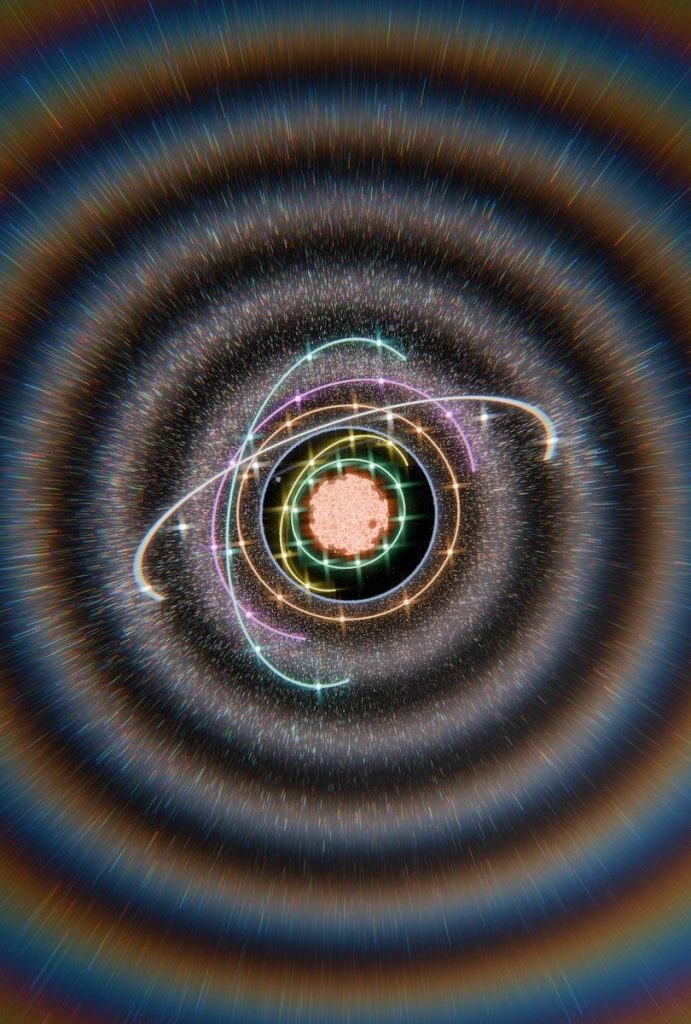
If a collision occurred, it would leave massive ripples in the structure of space itself. The universe remembers everything. According to gravitational wave researchers, advanced space detectors could find these ancient structural bends in the next decade. Finding these ripples would confirm the existence of our cosmic neighbors. But this discovery is already forcing scientists to redefine our place in existence.
The Infinite Horizon Beyond
The cosmic cold spot reminds us that our view of space is incredibly limited. The cosmos is vast. According to theoretical physics, we might live in an endless web of creation. This perspective shifts how we think about our tiny place in the stars. This article is for informational purposes only and does not constitute professional scientific advice.
Featured Image: Photo by Steve A Johnson on Pexels
Leave a Reply