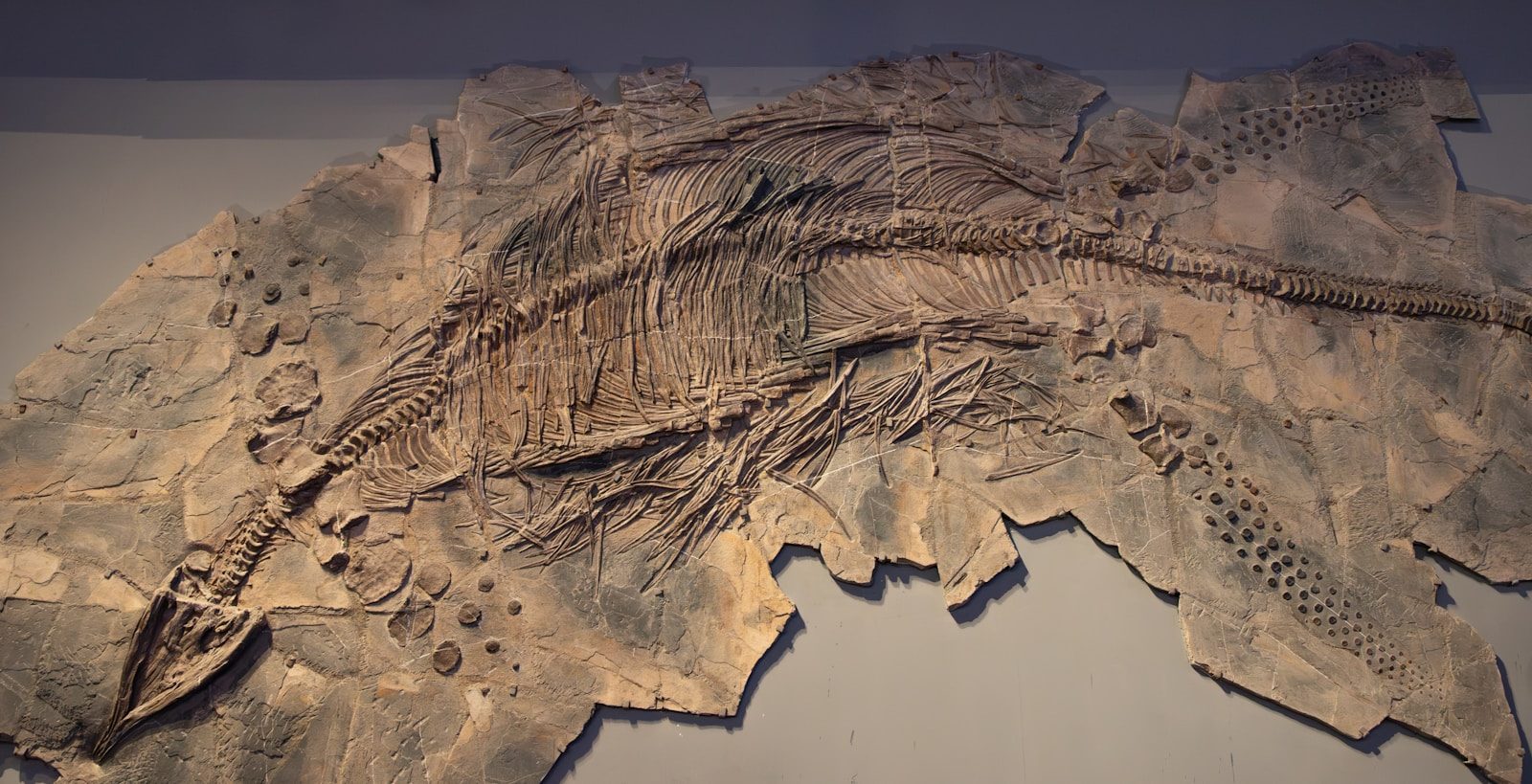
Most biology enthusiasts assume that modern scorpions have always been small desert dwellers. We believe that these stingers have always stayed within the relative safety of dry land.
But a spectacular fossil discovery has challenged this evolutionary timeline. Scientists have unearthed the remains of a massive dog-sized sea scorpion that ruled the oceans.
Unearthing The Marine Monster
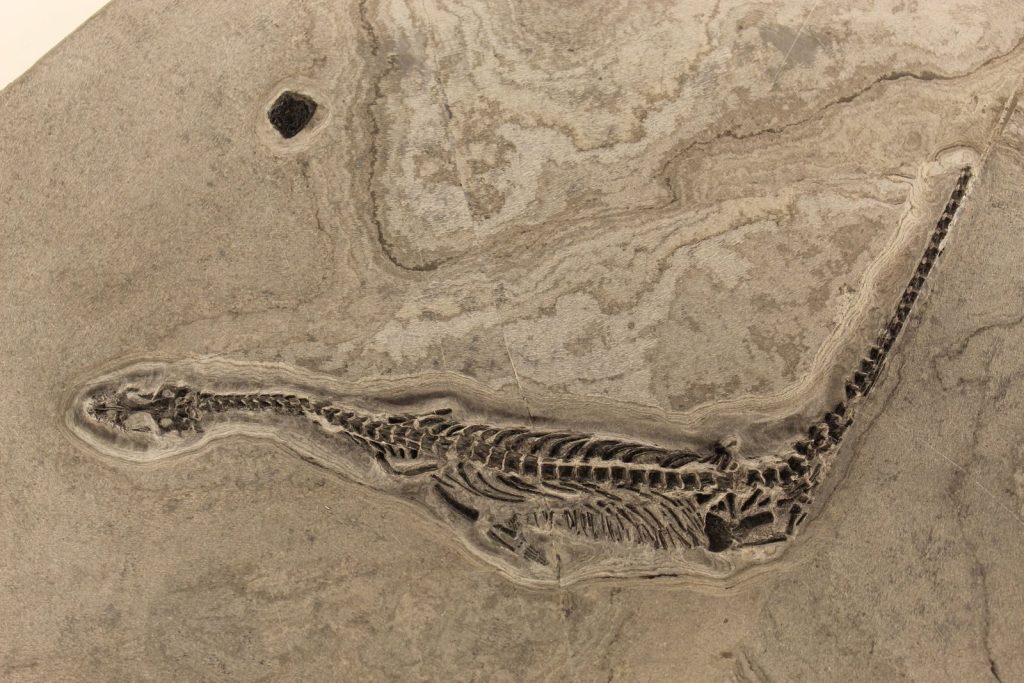
Paleontologists exploring ancient rock formations made the discovery of a lifetime in the shale. According to reports from the University of New England, researchers recovered the fossilized remains of a giant sea scorpion. It was truly colossal. This prehistoric predator lived hundreds of millions of years ago when the Earth was mostly covered by water. But the structure of its body was even more terrifying.
Claws Built For Battle
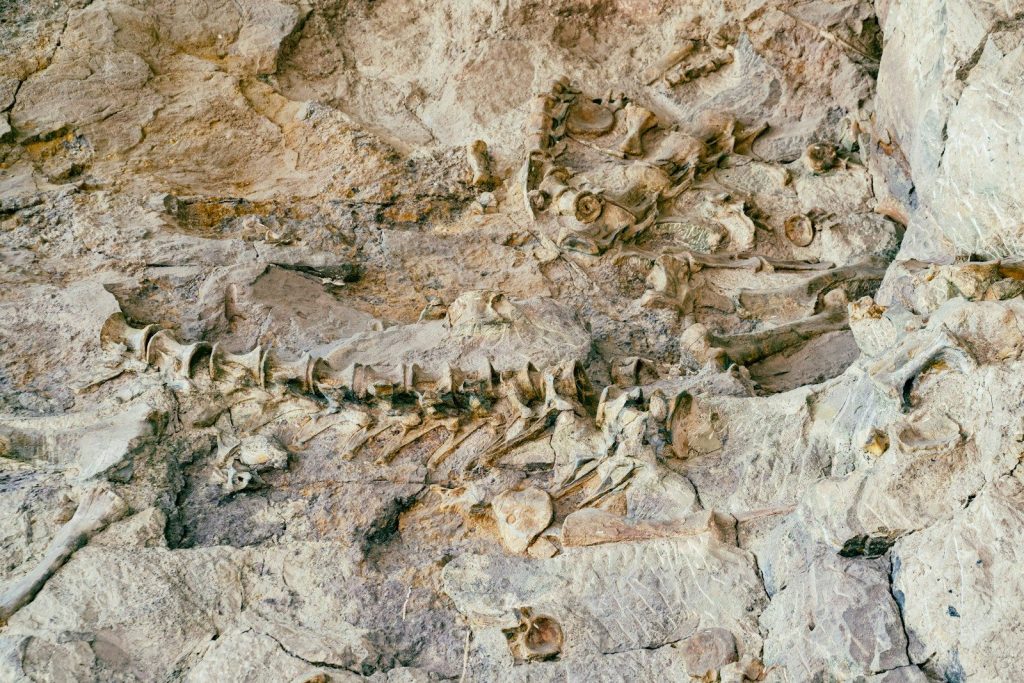
The ancient sea monster possessed a pair of massive curved pincers to capture its prey. According to evolutionary biologists, these hard claws were lined with sharp spines to prevent slippery fish from escaping. They were highly lethal. This unique weapon allowed the predator to dominate the early marine food web. But explaining how this heavy creature swam requires looking at its tail.
The Giant Swimming Paddle Tail
Unlike land scorpions, this prehistoric giant used a flattened tail to propel itself through water. According to biomechanics studies, the unique shape of the tail acted like a high-speed paddle to push the heavy body forward. The design was brilliant. This aquatic propulsion allowed the scorpion to chase down fast-moving fish with ease. But its breathing system was also highly adapted for the deep.
Gills For Underwater Survival
Surviving in the ancient oceans required a highly efficient way to extract oxygen from water. According to physiological research, the sea scorpion possessed specialized book gills located under its abdominal plates. They were highly fragile. This respiratory setup allowed the giant to remain submerged for hours while waiting to ambush prey. But a sudden evolutionary shift would force these creatures out of water.
Stepping Onto The Beach
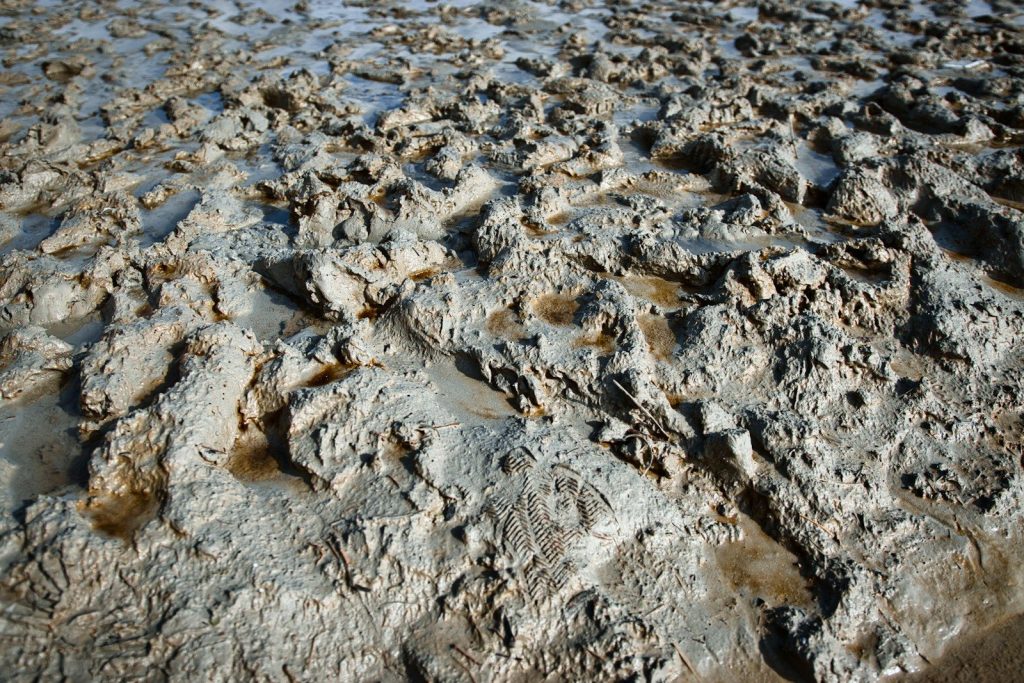
Some smaller relatives of the sea scorpion eventually began exploring the damp coastal mud. According to fossil trackway studies, these early pioneers were among the first animals to walk on dry land. The transition was slow. Over millions of years, their gills adapted to breathe air and their claws grew smaller. But a sudden planet shift would bring an end to the giant marine hunters.
Swallowed By Environmental Shifts
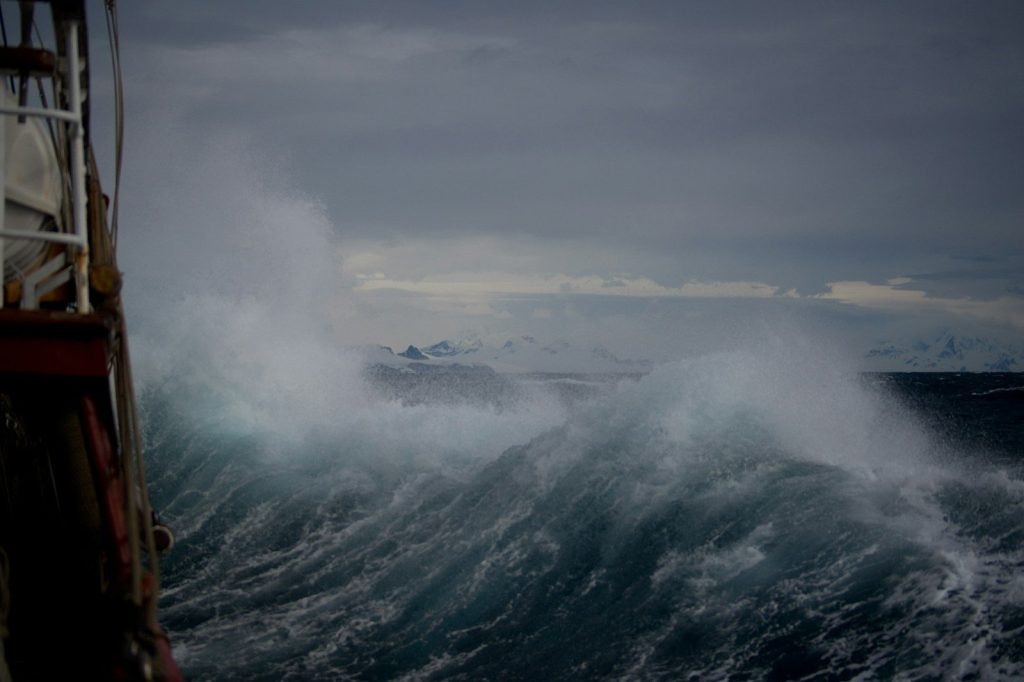
Rapid changes in Earth’s climate slowly turned the warm, shallow seas into freezing oceans. According to paleoclimatological models, this rapid temperature drop disrupted the delicate marine food chain. The prey disappeared. Lacking their primary food sources, the giant scorpions vanished from the fossil record forever. But modern technology is finally helping us bring their story back.
Reconstruction With Digital Scans

Scientists are using advanced three-dimensional scanning to recreate the scorpion body in detail. According to computer hardware audits, these digital models allow researchers to analyze how the muscles and joints operated. Precision was vital. This virtual anatomy proves that prehistoric arthropods grew far larger than anyone previously thought possible. But the ultimate legacy of these giants still shapes modern biology.
Understanding Our Ancient Earth

Finding these ancient ocean kings reminds us that life on Earth has taken many bizarre evolutionary paths. According to researchers, studying these fossilized monsters helps us protect the delicate balance of modern marine ecosystems. Nature holds many surprises. This article is for informational purposes only.
Leave a Reply