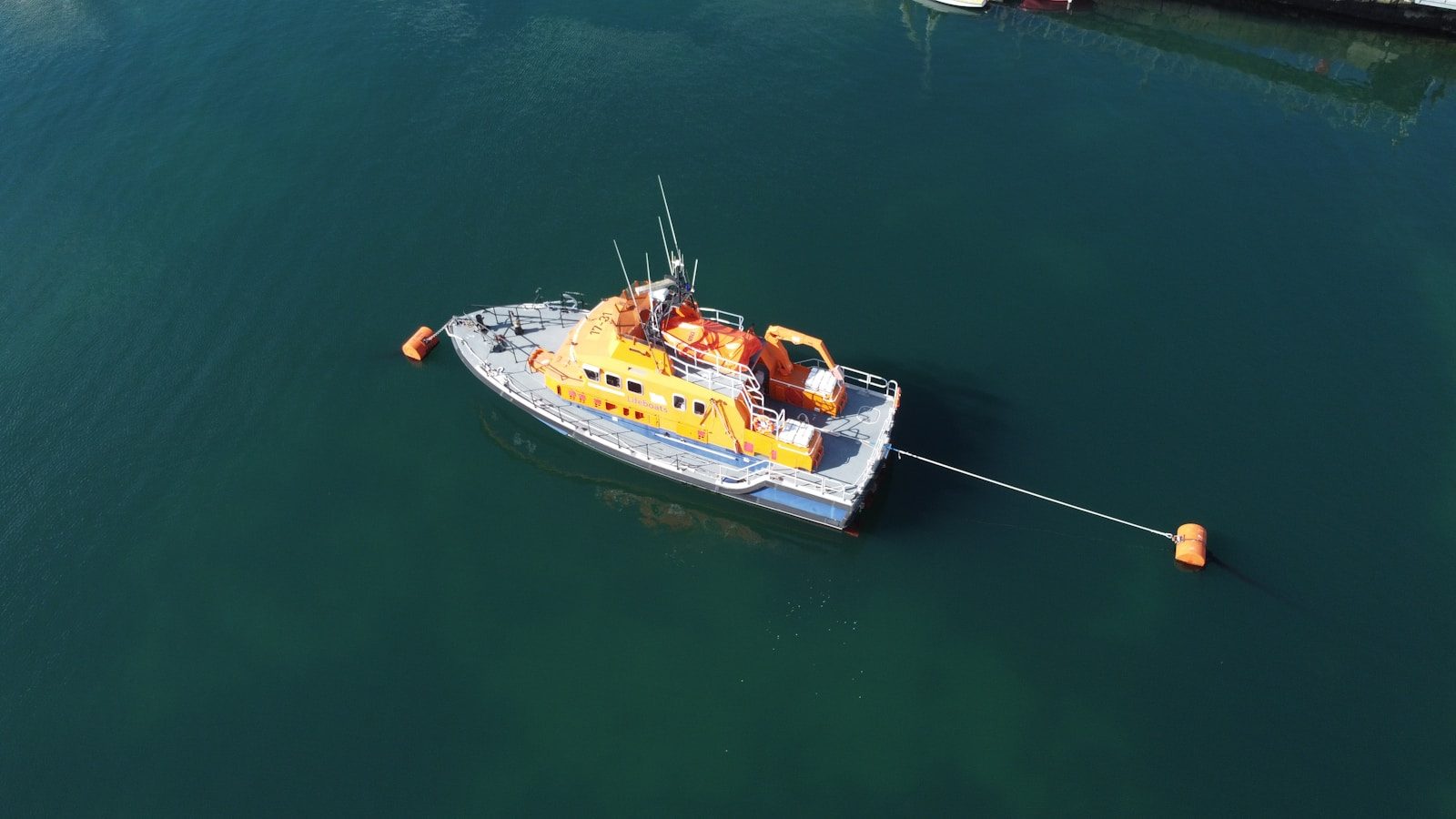
Most people assume that deep ocean ecosystems are simple and barren. We believe that life in the freezing dark depends entirely on debris falling from the sunlit surface.
But marine biologists have discovered a highly complex world beneath the ocean floor. This hidden ecosystem thrives in extreme environments that defy our understanding of biology.
The Dark Oceanic Abyss
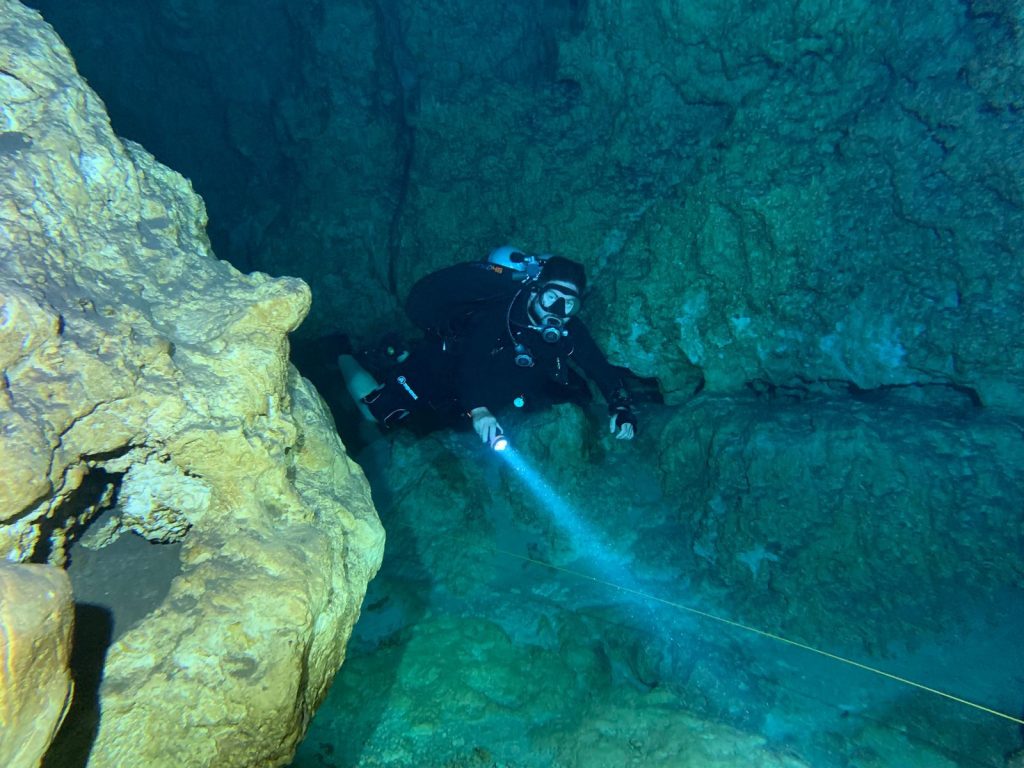
Deep-sea trenches represent some of the most hostile environments on Earth. Freezing temperatures and crushing pressure dominate this perpetual darkness. According to ocean research teams, scientists expected to find very little life in these zones. It was completely dark. But robotic cameras captured a highly active underwater oasis.
Strange New Lifeforms
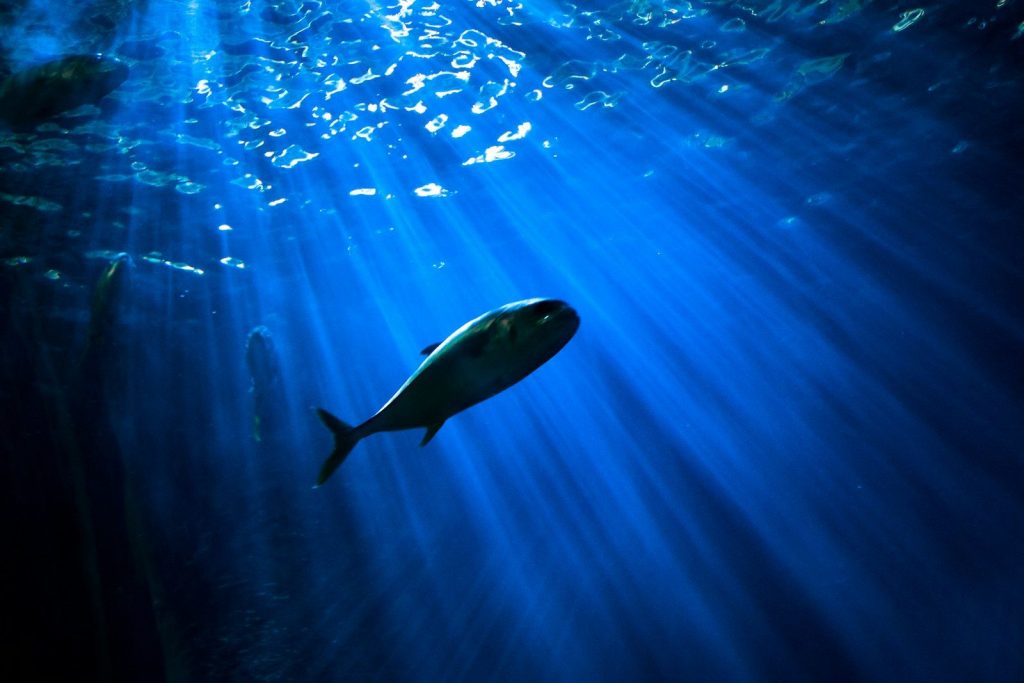
Among the volcanic vents, researchers found bizarre creatures that look entirely alien. They discovered translucent fish and glowing worms without eyes. According to the Monterey Bay Aquarium Research Institute, these organisms evolved unique survival adaptations. They are incredibly tough. But their survival relies on a strange chemical source.
The Under-Floor Ecosystem
Scientists recently drilled deep into the solid oceanic crust beneath hydrothermal vents. They did not expect to find any signs of life. According to a study in Nature Communications, researchers discovered active animal life thriving inside sub-seafloor cavities. Life was everywhere. This shocking discovery means the biosphere extends much deeper than anyone assumed.
The Power Of Chemosynthesis

These sub-seafloor organisms ignore solar energy. Instead, they rely on specialized bacteria that convert toxic minerals into essential nutrients. According to deep-sea microbiologists, this unique chemical process replaces photosynthesis entirely. It is highly efficient. This chemical engine powers a massive food web in absolute darkness.
Extreme Pressure Adaptation
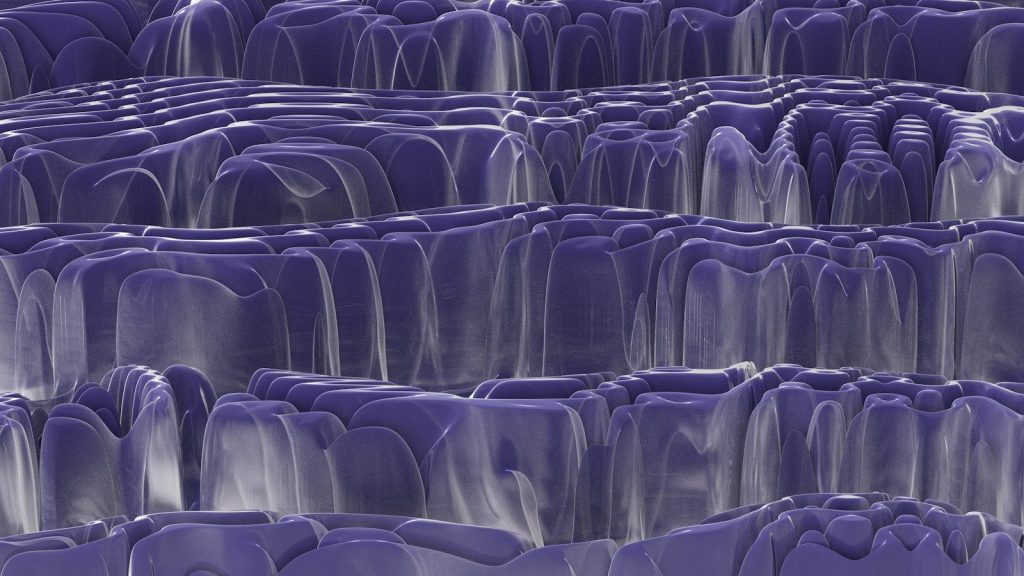
Living miles beneath the surface requires specialized cellular structures. Standard cell membranes quickly rupture under the immense weight of the ocean. According to marine biochemists, deep-sea creatures use unique organic compounds to protect their cells. They are highly resilient. This survival strategy has major implications for our search for extraterrestrial life.
Alien Oceans Nearby
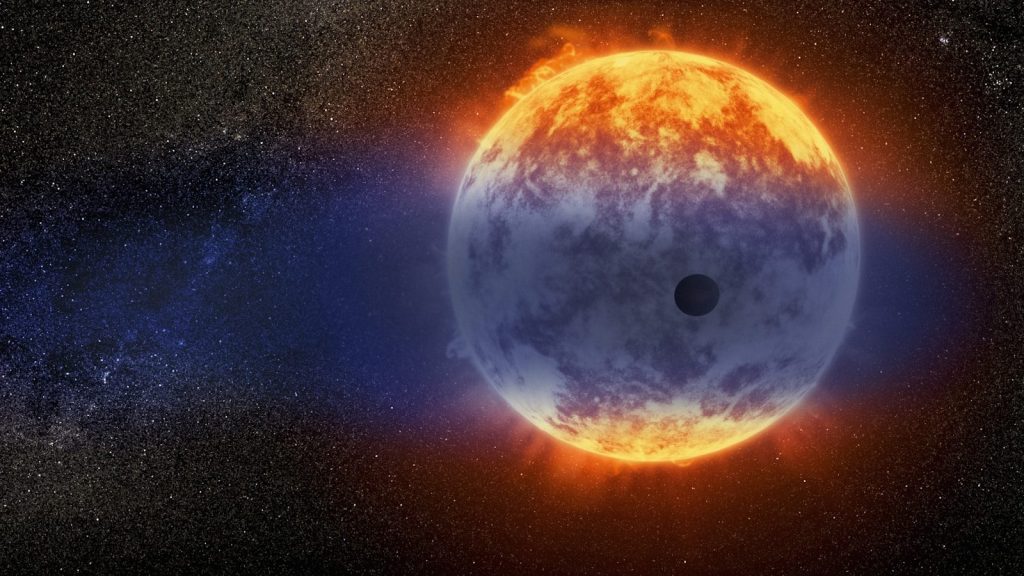
Astrophysicists believe that similar high-pressure hydrothermal environments exist on distant ice moons. Oceans hidden under frozen sheets could host highly active ecosystems. According to NASA space scientists, Jupiter’s moon Europa likely hides active seafloor vents. The potential is massive. This possibility is shifting how we plan our future space missions.
Redefining Earthly Life

The discovery of animal life beneath the ocean floor proves that biology can adapt to any environment. It shows that ecosystems can thrive in the most extreme conditions. According to oceanographers, the deep ocean still holds countless mysteries waiting for our exploration. This article is for informational purposes only.
Featured Image: Photo by Geoffrey Moffett on Unsplash
Leave a Reply