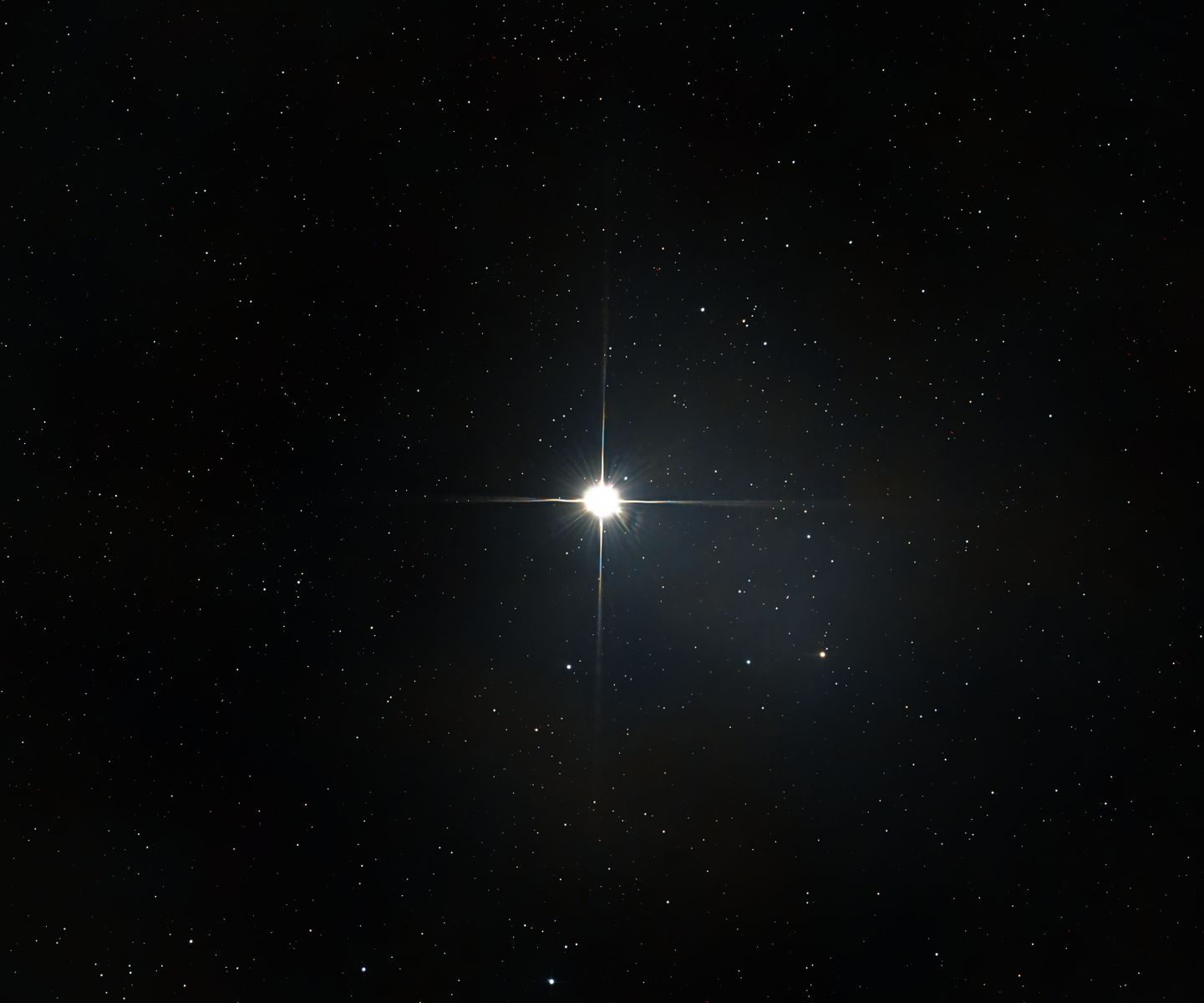
Astronomers believe the oldest stars in our universe are lost to time. We assume they are too faint and too far away to ever be seen by human eyes.
But the Hubble Space Telescope recently captured a glowing light from the very edge of space. This ancient relic is defying the laws of cosmic physics.
A Discovery Beyond Belief
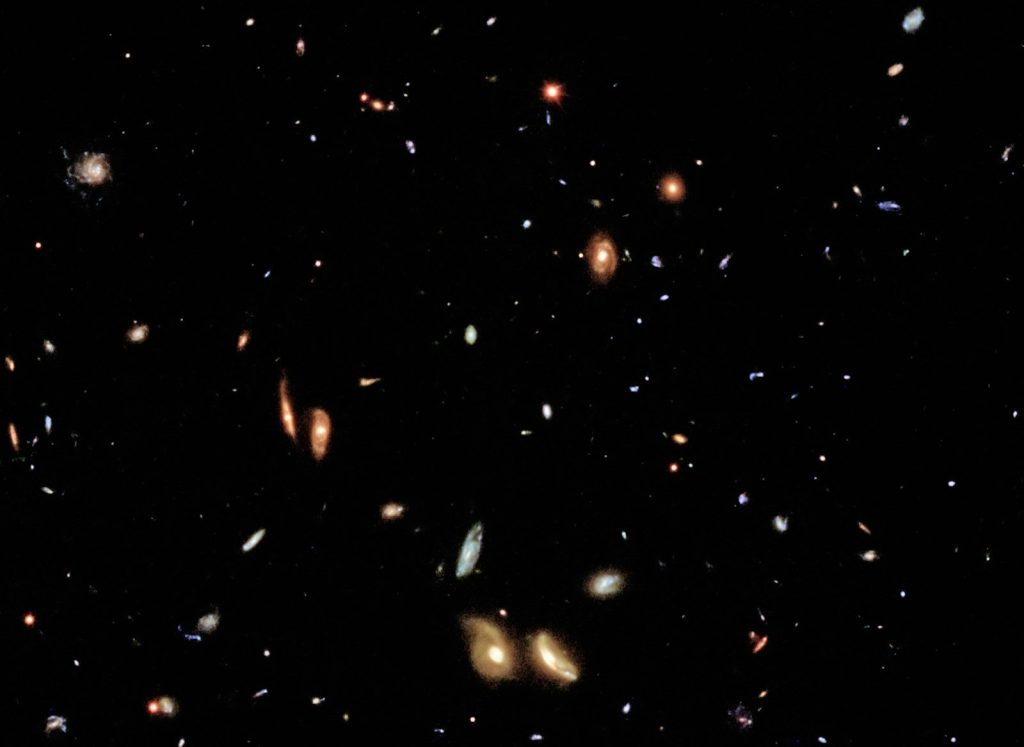
For decades, scientists believed we could never see individual stars from the dawn of time. The distances are too vast. But according to NASA, the Hubble Space Telescope managed to do the impossible. It captured light that traveled for billions of years. This glowing point of light was hiding behind a massive cosmic trick.
The Giant Cosmic Magnifying Glass
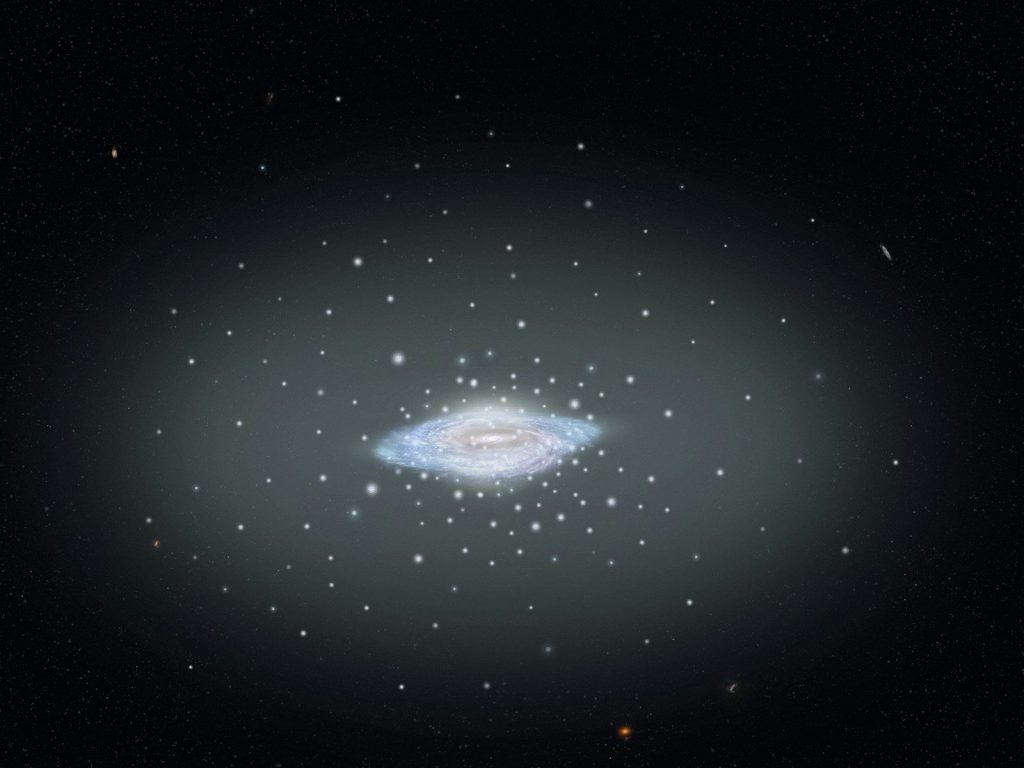
To see this incredibly distant star, Hubble needed help from a natural phenomenon. It found a magnifying glass in space. According to Einstein’s theory of general relativity, massive gravity fields bend and amplify light. A colossal cluster of galaxies acted as a lens. This cosmic alignment allowed researchers to finally give the mysterious object a name.
Earendel: The Dawn Star
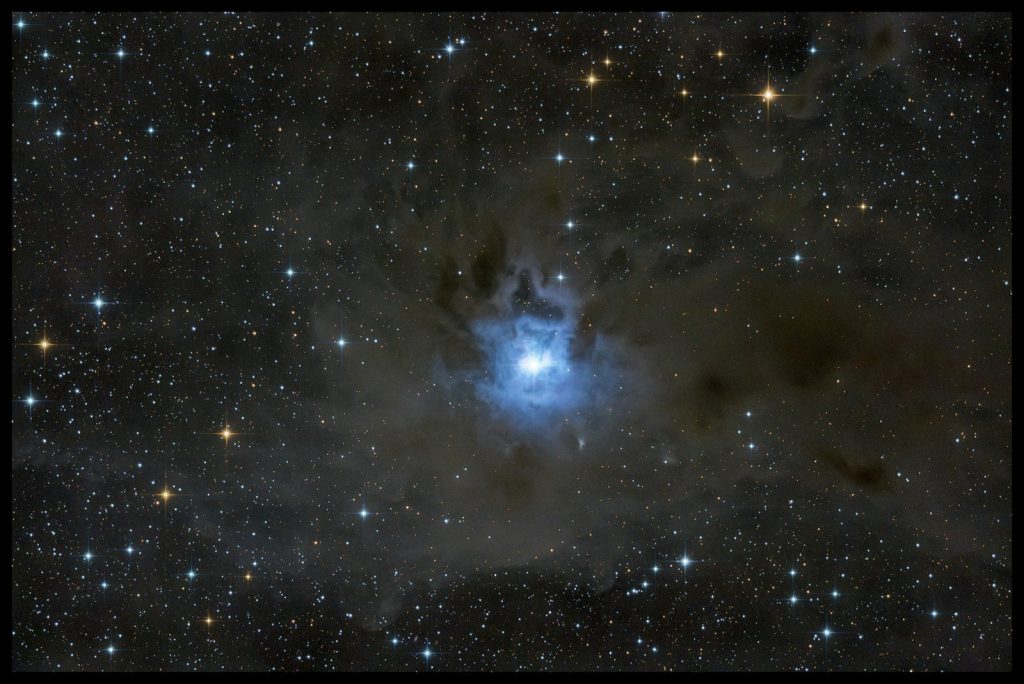
Scientists officially named this ancient star Earendel. The name means morning star. According to the Space Telescope Science Institute, Earendel existed within the first billion years of the universe. It is the most distant individual star ever detected. But measuring this relic revealed a physical size that shocked everyone.
Far Too Bright To Exist
Earendel is not a normal star. It is a monster. According to astrophysicists, this star is at least fifty times the mass of our Sun. It shines millions of times brighter than our local stars. This immense brightness means it burned fuel at an alarming rate. And its chemical makeup is raising an even bigger mystery.
Rebellious Heavy Metals
The early universe contained only simple hydrogen and helium. Heavier elements did not exist. But according to scientific models, Earendel contains traces of heavier materials. This suggests that previous generations of stars must have lived and died even earlier. But the most mind-bending part of this star is its current physical state.
A Portal To The Past
Looking at Earendel is literally looking back in time. We see it as it was 12.9 billion years ago. According to astronomers, the star itself is long dead. Its light is just now arriving at our telescopes. And that journey through space has warped the light in a very specific way.
Redshifted Into The Future
Because the universe is expanding, the light from Earendel has been stretched over time. Its wavelengths became incredibly long. According to research from the European Space Agency, this stretching is called redshift. It pushes the light into the infrared spectrum. But this final glimpse is now opening a brand new chapter in space science.
Rewriting Cosmic History
Earendel has completely shattered our understanding of the early universe. It proved that individual ancient stars can still be studied today. According to astronomers, this single discovery will guide space telescopes for decades. This article is for informational purposes only.
Featured Image: Photo by Adrian Monserrat on Pexels
Leave a Reply