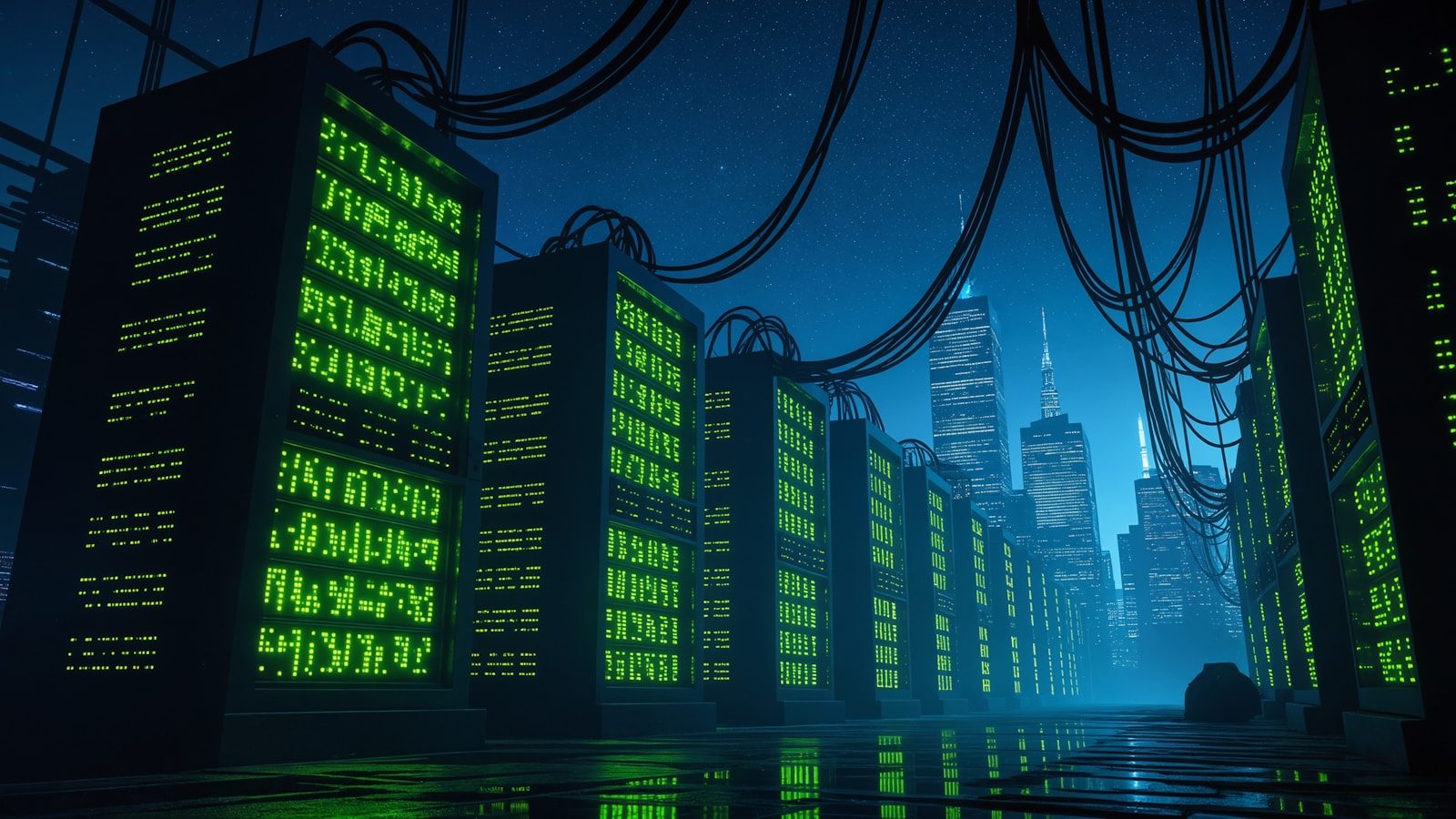
Most people think that artificial intelligence runs entirely on standard clean energy grids. We assume that typical power networks can easily handle our growing digital needs.
But the massive processing power of future supercomputers requires a completely different power source. Tech companies are now buying nuclear reactors to keep these machines running.
The Insatiable Energy Hunger
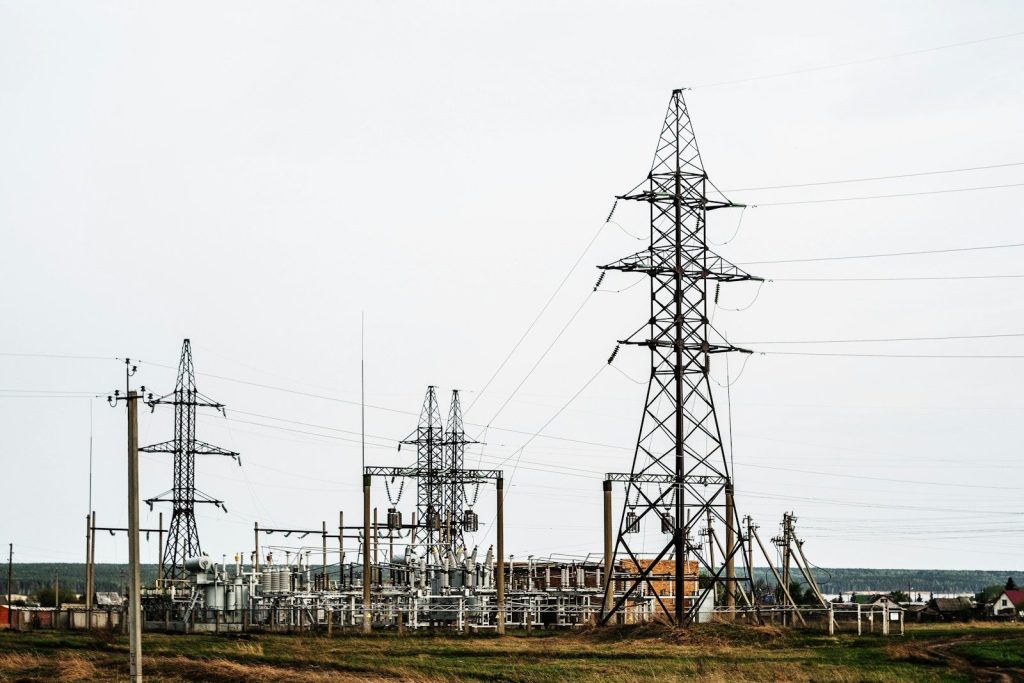
Computer scientists originally designed modern data centers to run on typical green infrastructure. According to the International Energy Agency, global AI electricity consumption could double in the next few years. The numbers are staggering. This massive surge in energy demand is forcing builders to look beyond wind and solar power, leading them to a highly controversial energy source.
Restarting A Famous Nuclear Reactor
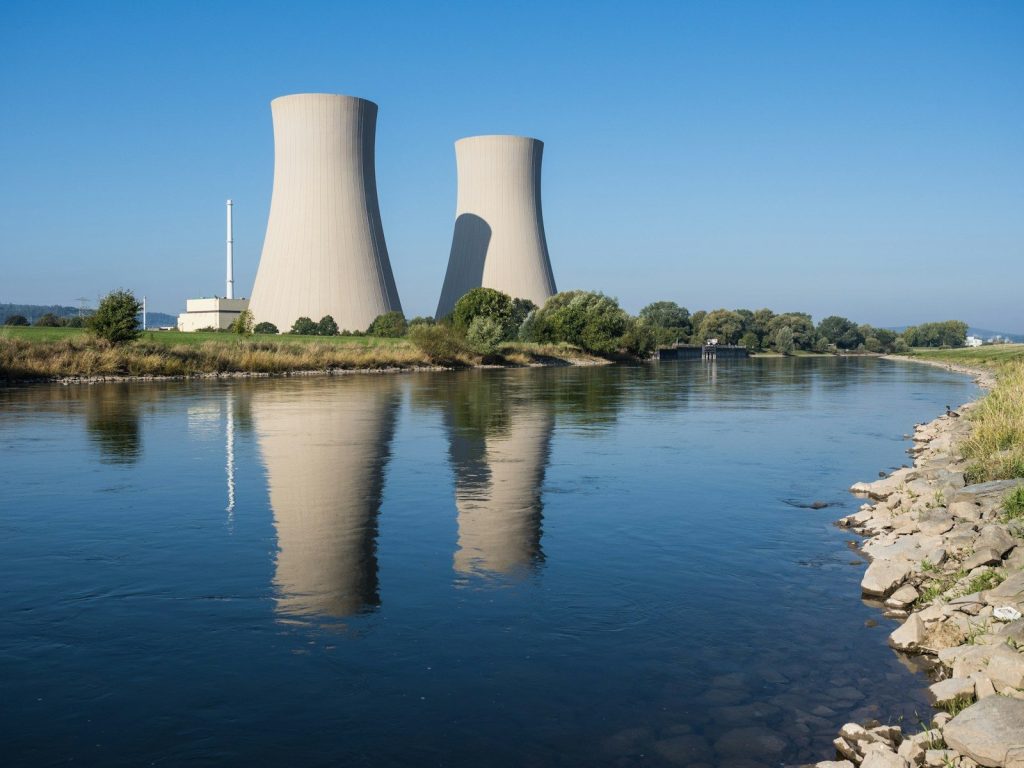
Tech companies are making unprecedented deals with nuclear operators to secure constant electricity. According to reports from Constellation Energy, a major tech giant signed a deal to purchase power from the revived Three Mile Island nuclear plant. This is highly unusual. The deal guarantees a direct feed of emissions-free power for decades, though this project is only the first step in a massive global shift.
Building Small Modular Reactors
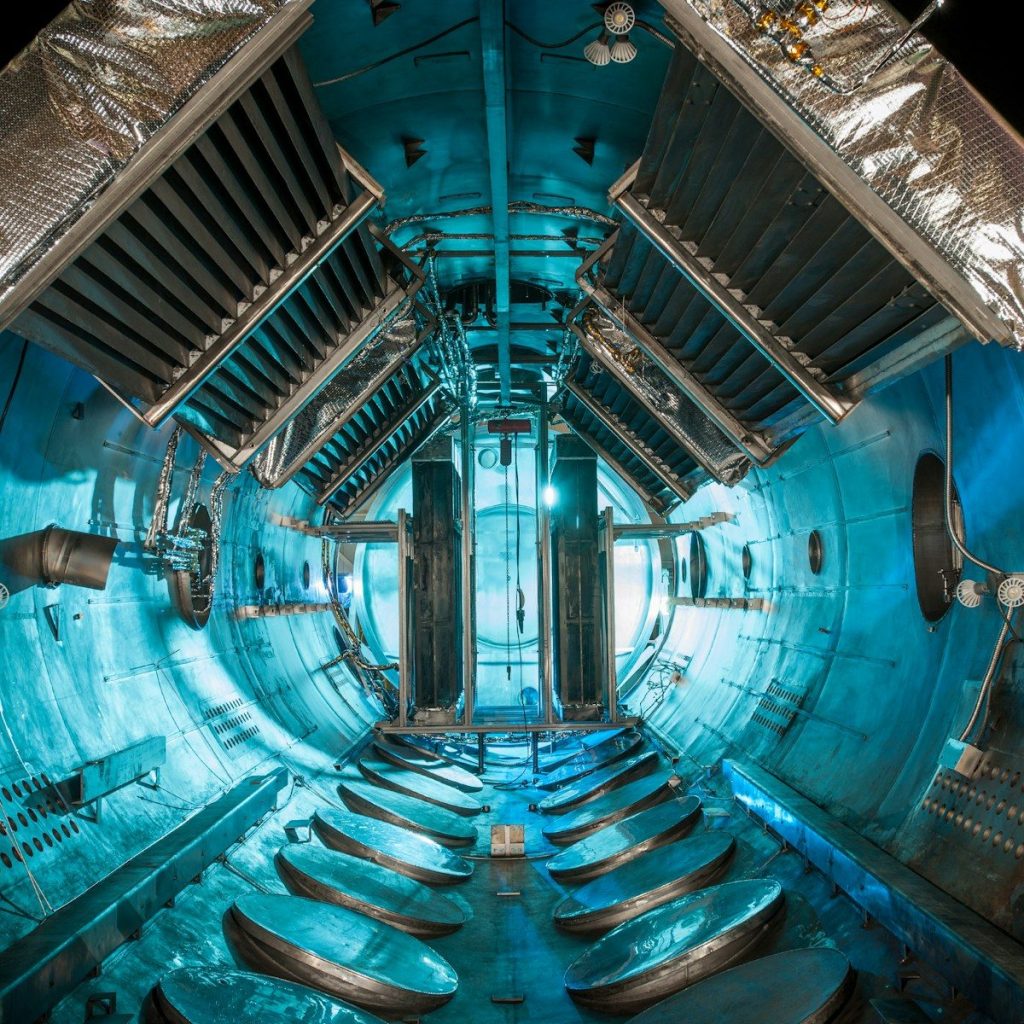
Instead of relying on old power plants, designers are planning to build small reactors next to servers. According to reports from the World Nuclear Association, these compact modular reactors offer a highly efficient way to generate localized power. They are extremely small. These advanced units can run for years without requiring any refueling, but implementing this plan requires overcoming a massive regulatory challenge.
The Grid Isolation Strategy
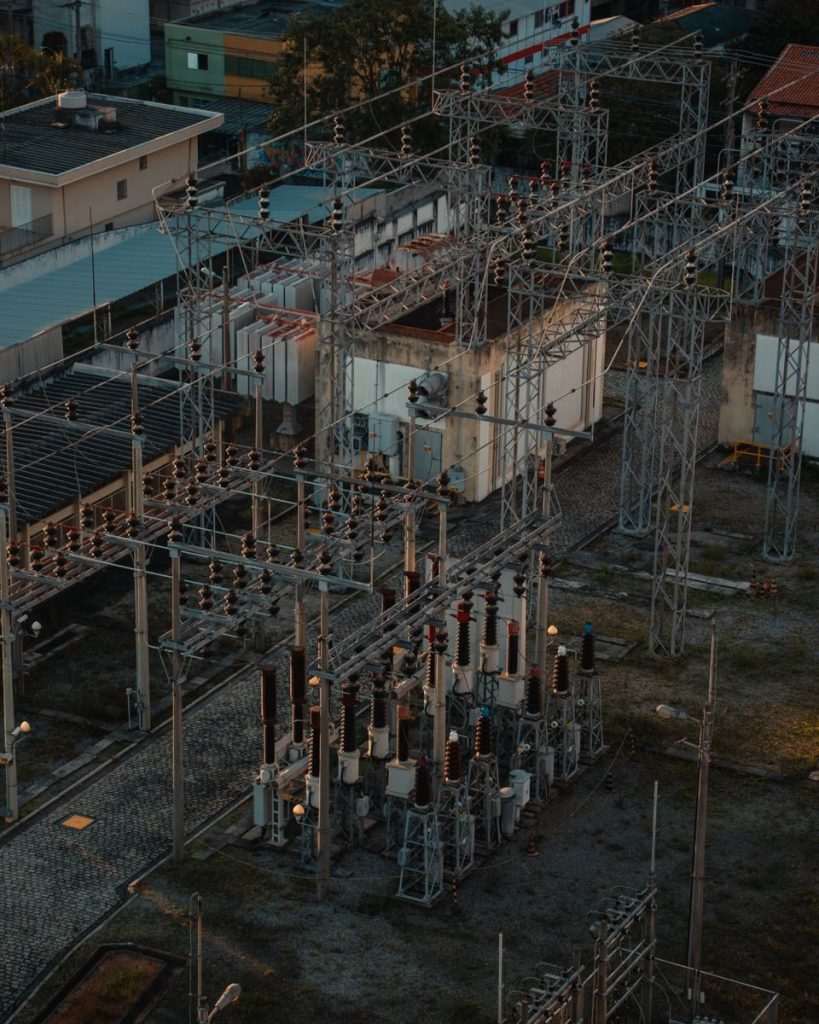
Heavy internet traffic can easily overload public electrical infrastructure during peak hours. According to grid engineers, connecting supercomputers directly to dedicated nuclear plants prevents local blackouts. This isolates the systems. By disconnecting from the public grid, these data campuses protect themselves from external power fluctuations, but this strategy still faces significant environmental questions regarding fuel waste.
Managing Cosmic Computing Limits

Scientists require massive computational power to run simulations of the universe and molecular biology. According to researchers at Oak Ridge National Laboratory, the next generation of supercomputers will perform billions of calculations per second. The scale is massive. No traditional power station can sustain this level of processing, but alternative energy options are already showing their limits.
The Future Of Clean AI

The race to develop advanced intelligence is shifting from software optimization to securing physical power assets. According to energy economists, the company that controls the most reliable power source will win the technological race. Control is everything. This shift is changing how international governments view national energy security, but the final outcome remains unwritten.
A Powerful Digital Future
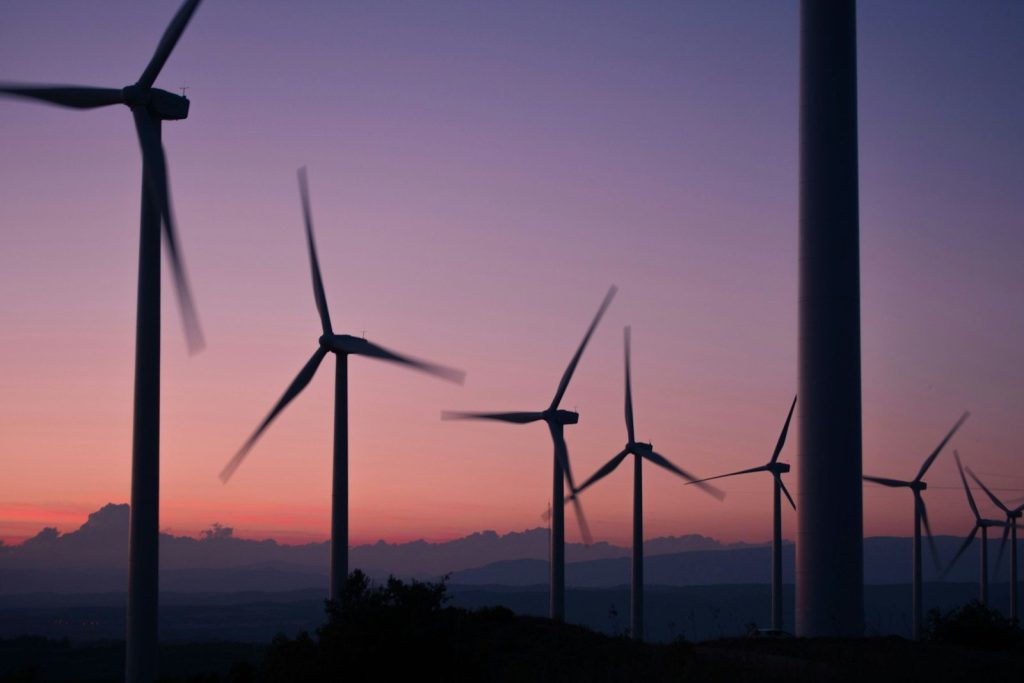
According to the Department of Energy, balancing clean power with technological growth is the next great engineering challenge. The transition to nuclear-powered computing will reshape both the energy sector and global industry. This article is for informational purposes only.
Featured Image: Photo by Markus Stickling on Unsplash
Leave a Reply