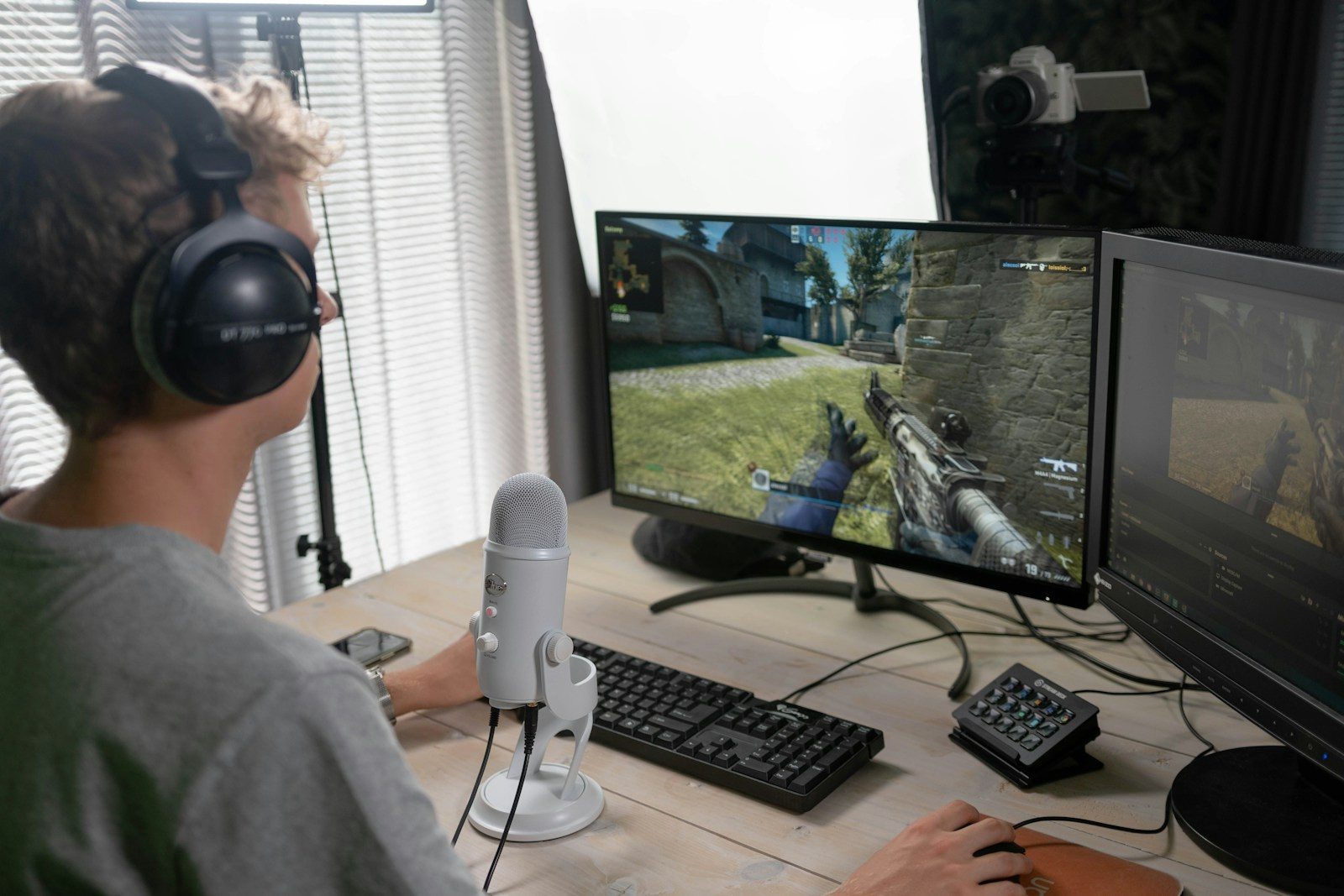
Live streaming once felt like a gaming-first corner of the internet, where people watched creators play, compete, and react in real time. That world is still huge, but live streaming has stretched far beyond game screens. Today, people tune in for casual chats, music, product demos, learning sessions, fitness routines, live events, creator Q&As, and behind-the-scenes moments.
Twitch now includes categories such as Just Chatting, Music, Creative, and IRL-style content, while TikTok LIVE lets creators and viewers interact in real time with features like effects and multi-guest hosting. YouTube also supports shopping tools that let eligible creators feature products during content. That shift has turned live streaming into a bigger part of everyday online life.
Chat became the main show
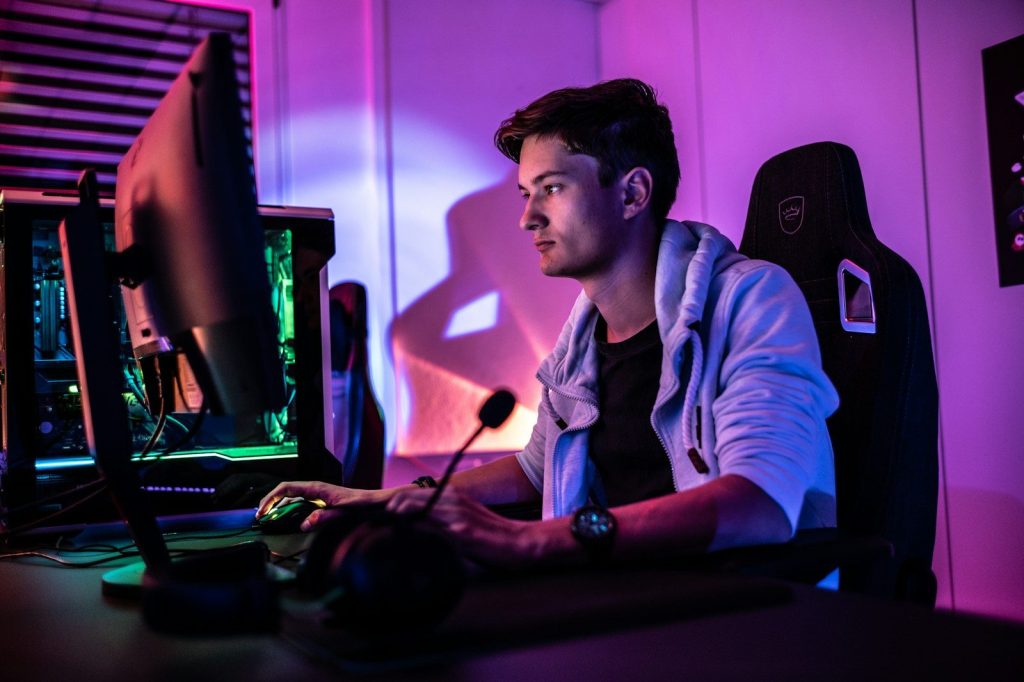
Not every live stream needs a game, a scoreboard, or a big setup. Sometimes the draw is simply the person on camera and the community around them.
Twitch’s Just Chatting category shows how much viewers enjoy casual conversation, reactions, Q&As, and everyday topics. The stream can feel more like hanging out with a familiar host than watching a polished show.
Creators built real communities
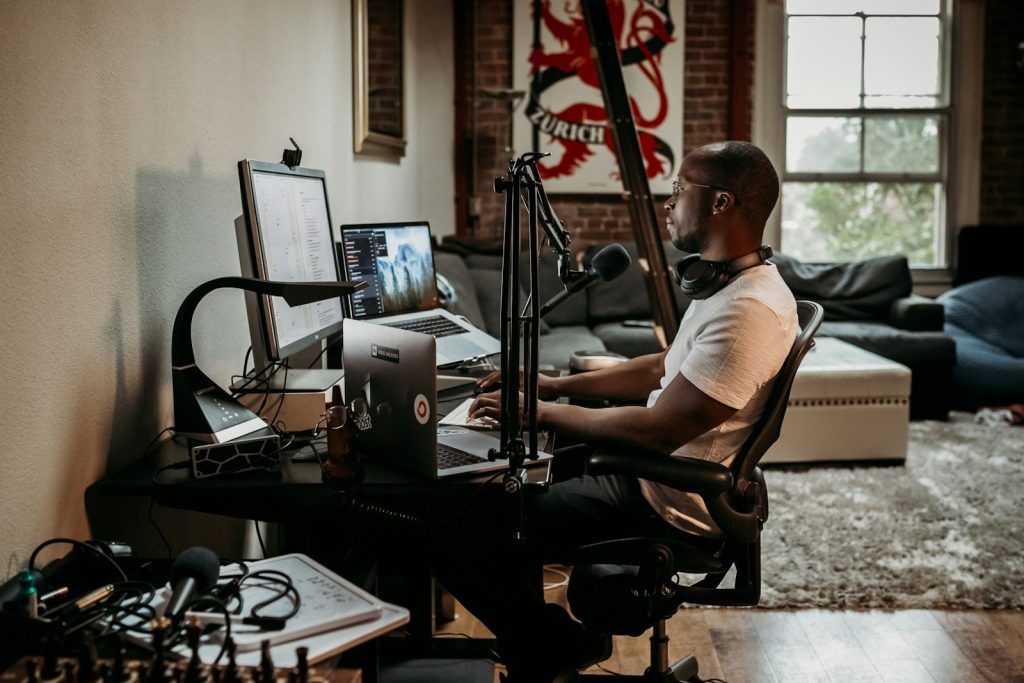
Live streaming feels different from regular video because viewers can react while the moment is happening. That live chat can make people feel noticed, included, and part of the room.
This real-time connection helps creators build loyal communities. A viewer may return not just for the topic, but for the jokes, routines, and familiar names in the chat.
Shopping entered the stream

Live shopping turned streams into interactive product demos. Instead of reading a product page, viewers can watch someone show an item, answer questions, and explain how it works.
YouTube says its Shopping features let eligible creators connect stores, tag products, and view shopping analytics. That makes live and video content part of a wider creator business, not just entertainment.
Learning feels more personal
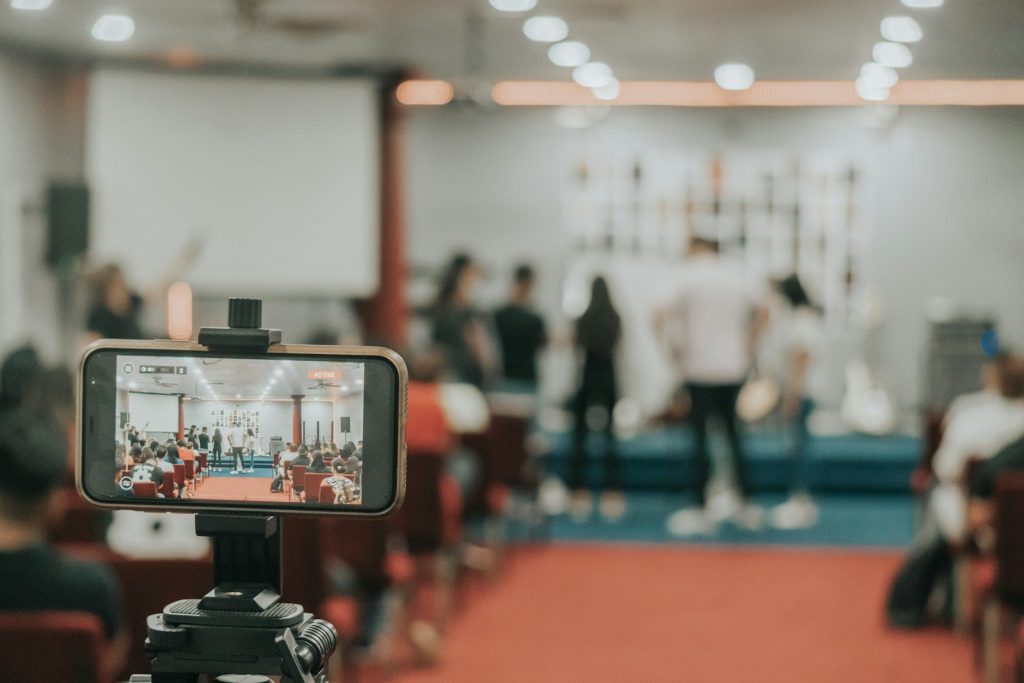
Live streaming also works well for teaching. A creator can explain a topic, answer questions, repeat a step, or react to what viewers are struggling with in the moment.
That format can make learning feel less lonely. Whether the topic is tech, art, language practice, cooking, or career advice, the live back-and-forth can keep people engaged.
Events found bigger audiences
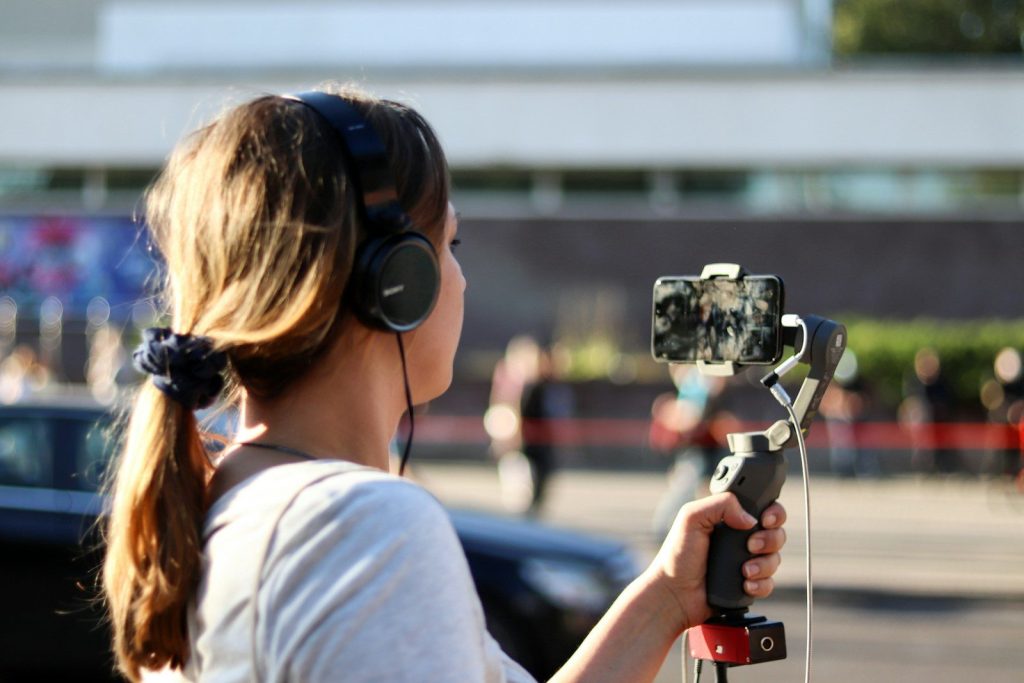
Concerts, interviews, launches, sports talk, and creator events can reach viewers who are not in the same city. A live stream turns one location into a shared online space.
This helped live streaming become useful for more than gamers. Fans can watch announcements, performances, panels, and behind-the-scenes moments without needing a ticket or travel plan.
Short video apps went live
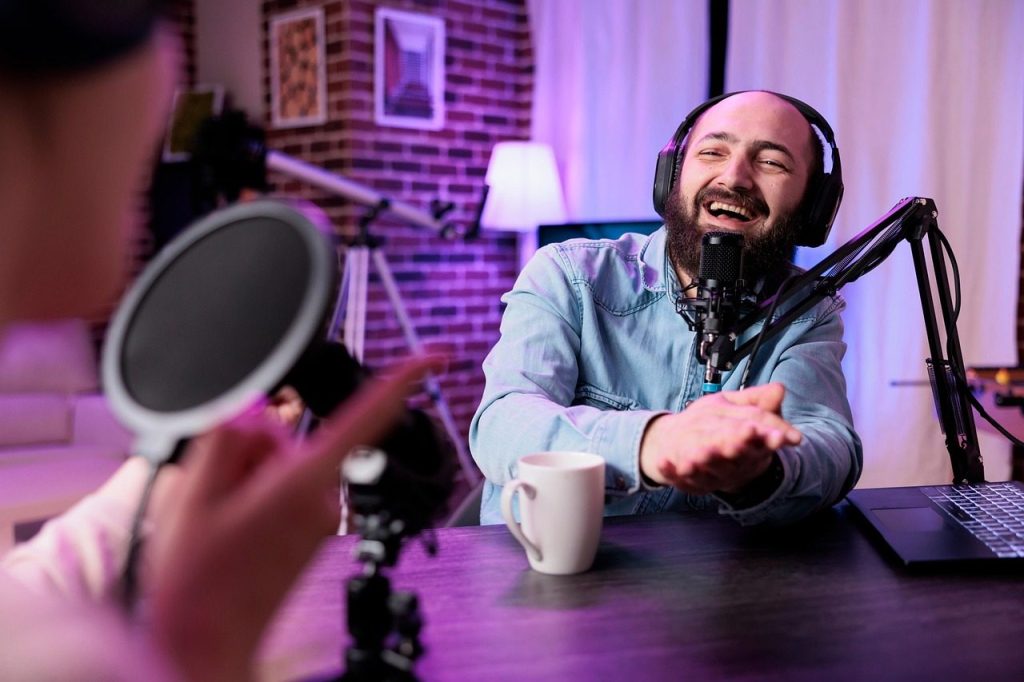
Platforms known for quick clips have also leaned into live content. TikTok LIVE, for example, is built around real-time interaction between creators and viewers.
That matters because it brings live streaming to people who may not visit traditional streaming platforms. A viewer can move from short videos to a live conversation in just a few taps.
Gaming opened the door
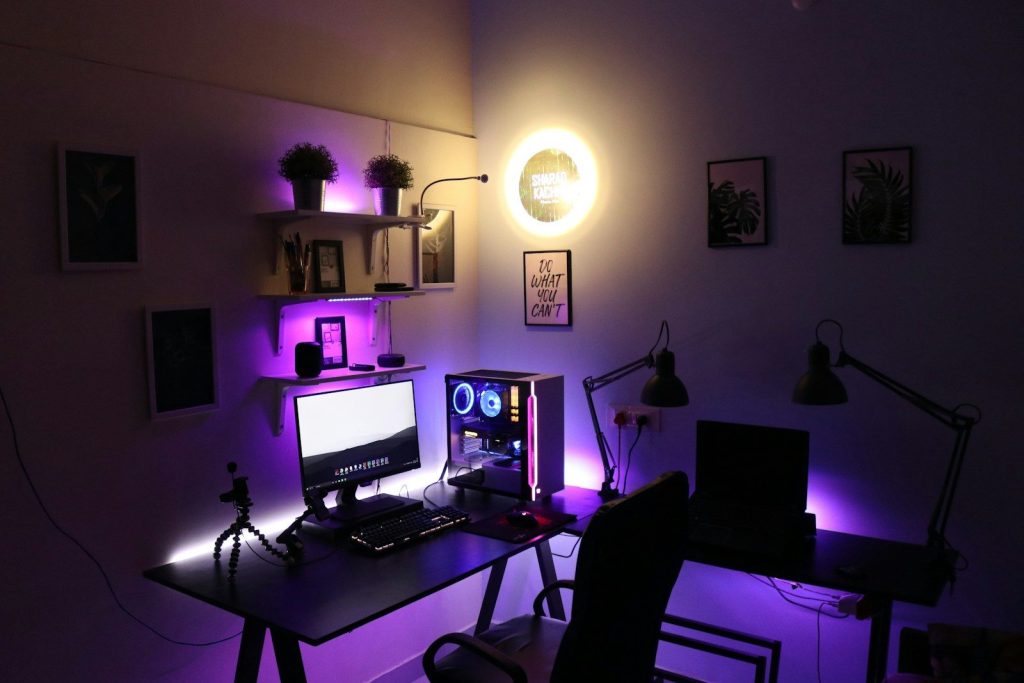
Gaming did not disappear from live streaming. It helped teach viewers how fun it could be to watch someone play, react, talk, and build a community in real time.
Now the same idea works across many interests. Live streaming became more than gaming because people realized the real attraction was not only the game. It was the live connection.
Leave a Reply