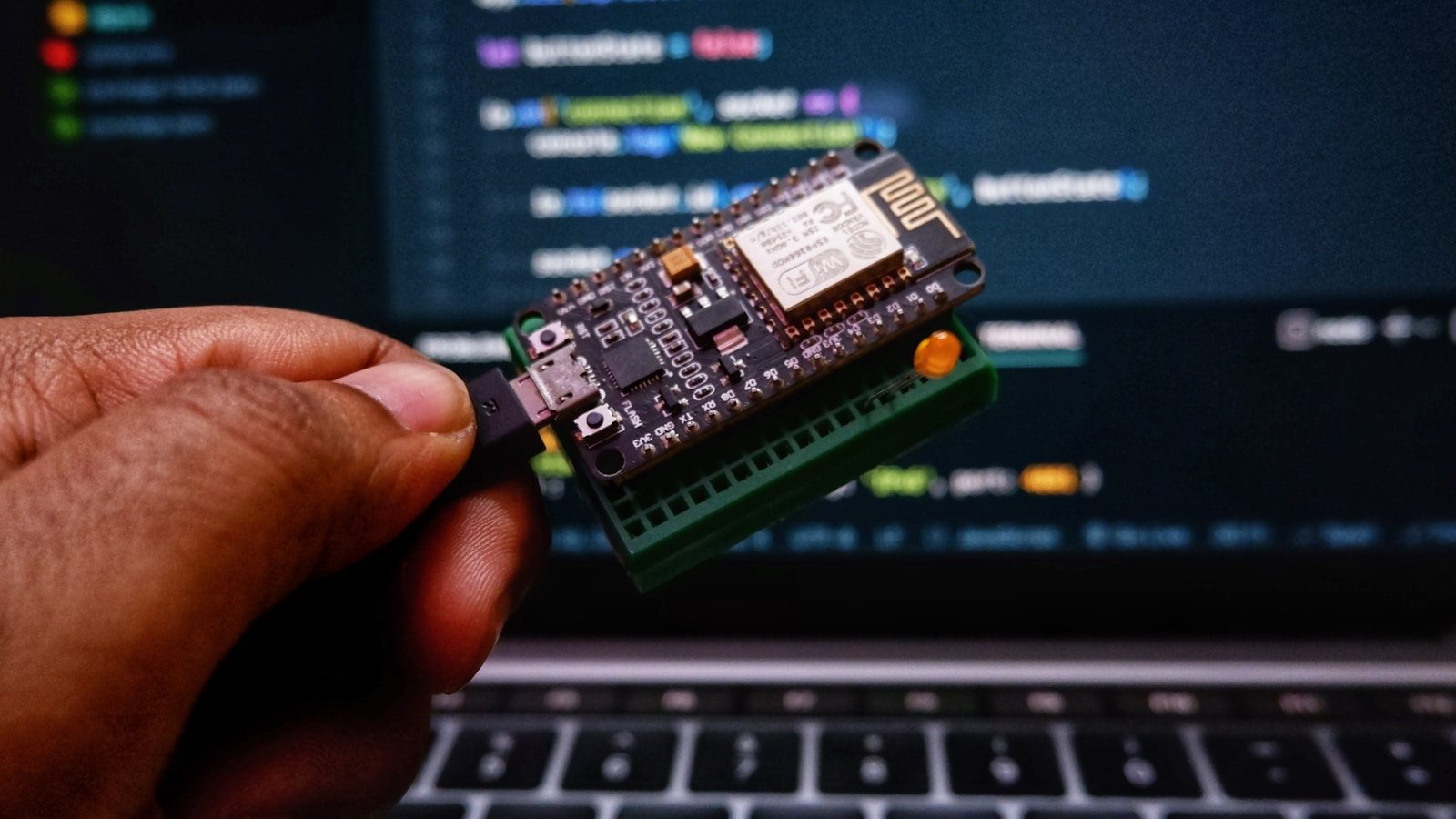
Most people assume that advanced scientific research requires million-dollar laboratory equipment. We believe that only elite institutions can build high-precision sensing tools.
But clever makers are assembling incredible research instruments using cheap home electronics. These homemade gadgets are helping amateur scientists map environmental data with stunning accuracy.
The Rise Of Microcontrollers
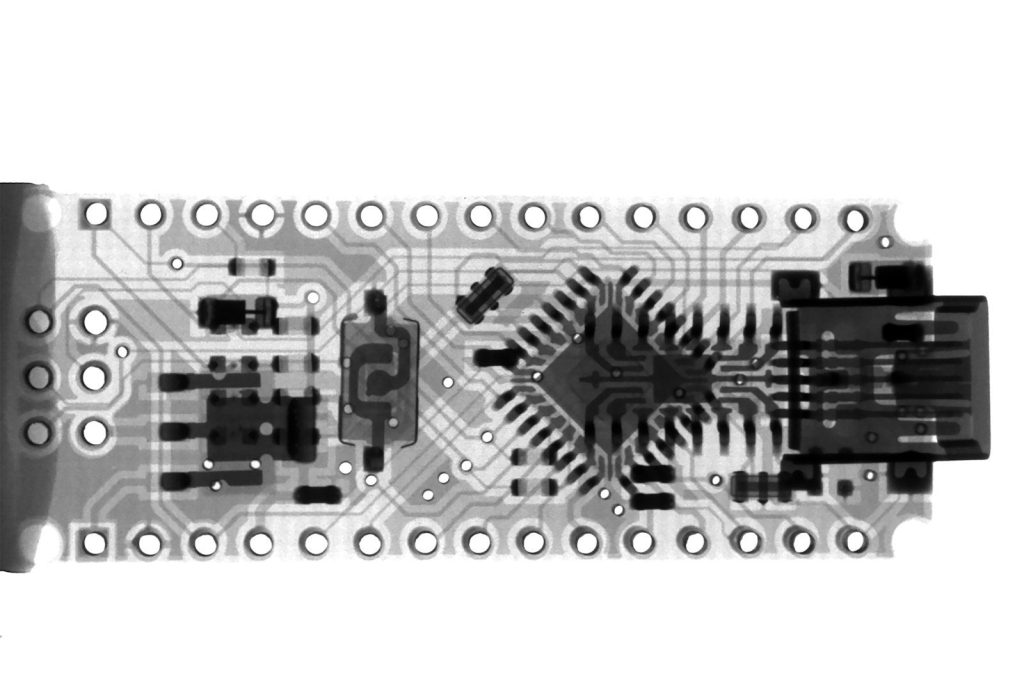
Cheap, tiny computers like the Raspberry Pi allow anyone to build smart sensor arrays. These circuit boards can read atmospheric pressure, humidity, and air quality continuously. According to reports from the Citizen Science Association, these inexpensive setups can match the accuracy of professional weather stations. They are incredibly cheap. But these small tools can do far more than just track local weather.
Monitoring Secret Wildlife
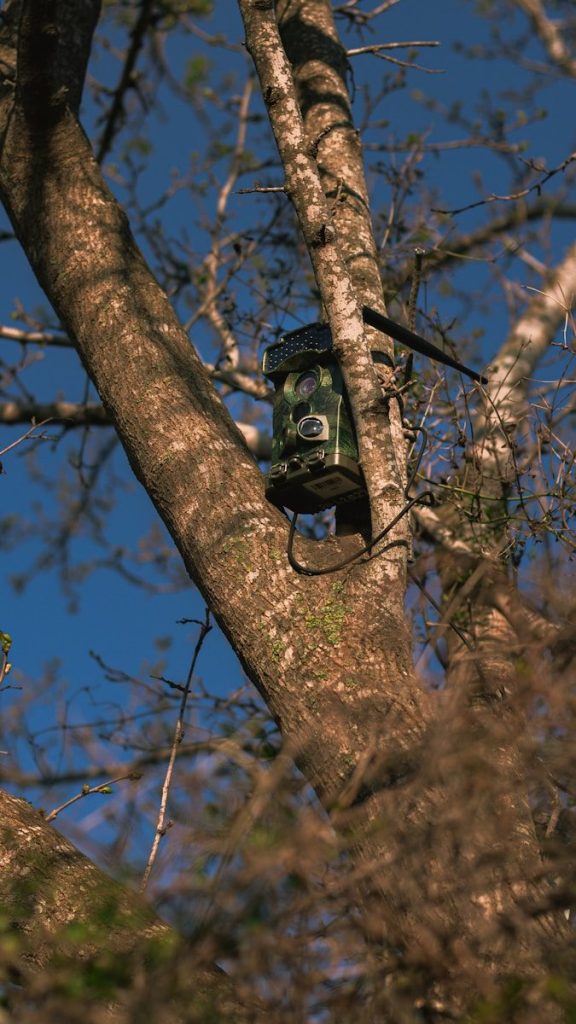
Nature enthusiasts are constructing automatic trail cameras using basic motion sensors and recycled phone lenses. These clever cameras record rare animals without disturbing their natural habitats. According to wildlife biologists, these DIY setups have successfully captured photos of endangered species in remote woods. The images are sharp. Yet, these creative makers are also targeting the microscopic world.
The Three Dollar Microscope
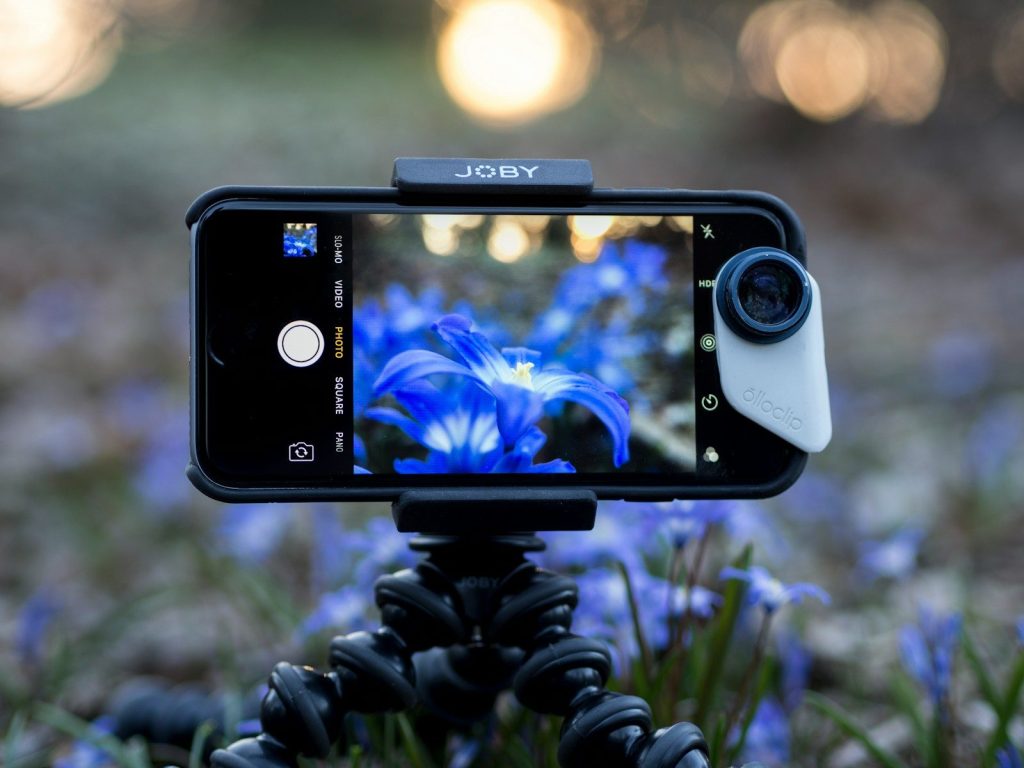
By attaching a small glass bead over a smartphone camera lens, makers can build an effective microscope. This simple hack magnifies objects up to three hundred times to reveal cellular structures. According to optical physicists, this low-cost method can identify dangerous pathogens in drinking water. The system is simple. And this medical potential is transforming health access in remote regions.
Transforming Rural Healthcare

Remote clinics are using these phone microscopes to diagnose common blood parasites without expensive labs. Local workers can quickly take photos and send them to doctors across the country. According to global health reports, this fast communication has dramatically reduced response times for tropical diseases. Lives are changing. But scaling these home-brewed tools requires solving some major durability issues.
The Durability Battle
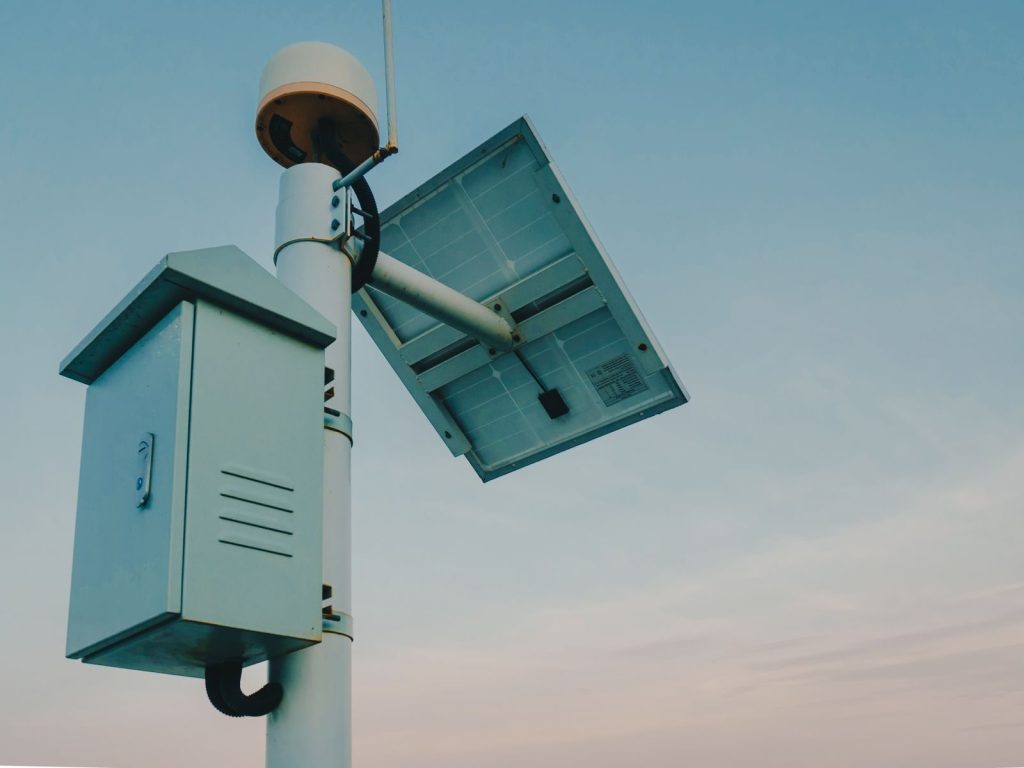
Homemade gadgets often fail when exposed to harsh outdoor climates or heavy daily use. Moisture and dust can easily short out exposed wiring on home-soldered circuit boards. According to materials scientists, using specialized silicone coatings can protect the delicate electronics from water damage. It is a game-changer. This simple protection is helping researchers launch these sensors into extreme environments.
Reaching Deep Submarine Depths
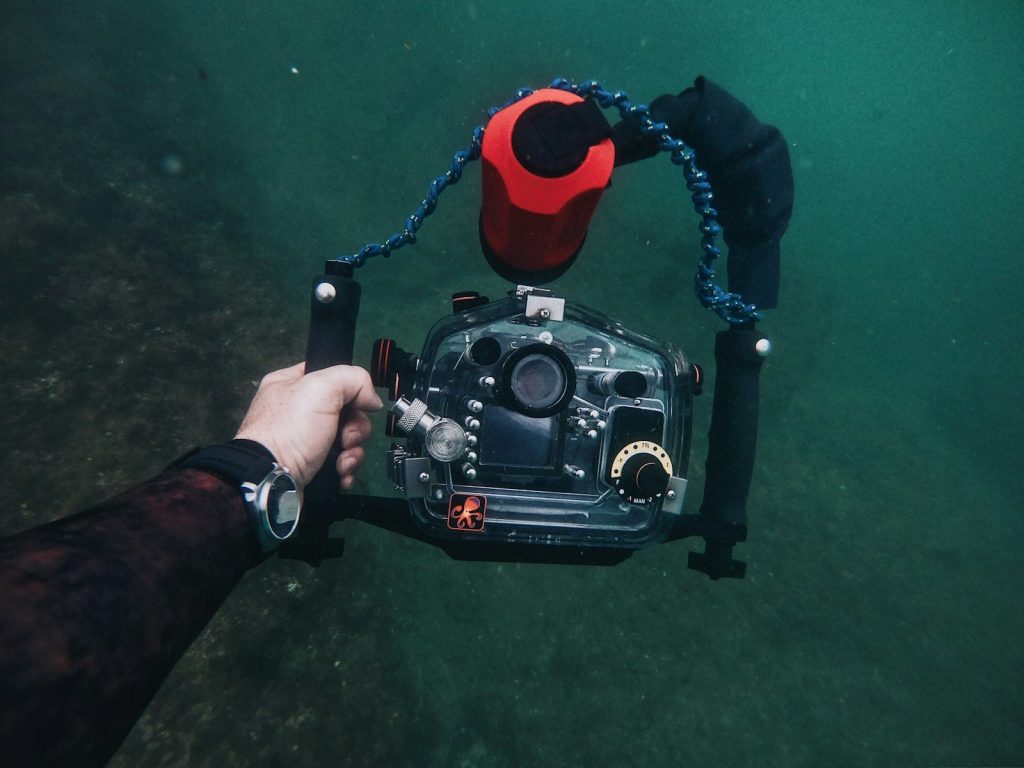
Amateur oceanographers are building deep-sea camera rigs using high-strength PVC pipes and waterproof seals. These sturdy pipes protect the cameras from crushing pressures far below the surface. According to marine engineering reports, these DIY hulls have successfully recorded marine life at depths of one thousand feet. Discovery is waiting. And this ocean exploration is paving the way for a major scientific movement.
Democratizing Global Science

DIY engineering proves that curiosity and creativity are far more valuable than massive academic budgets. These simple tools allow anyone to contribute to our understanding of the natural world. According to leading educators, home science projects are inspiring the next generation of space and Earth researchers. This article is for informational purposes only.
Leave a Reply