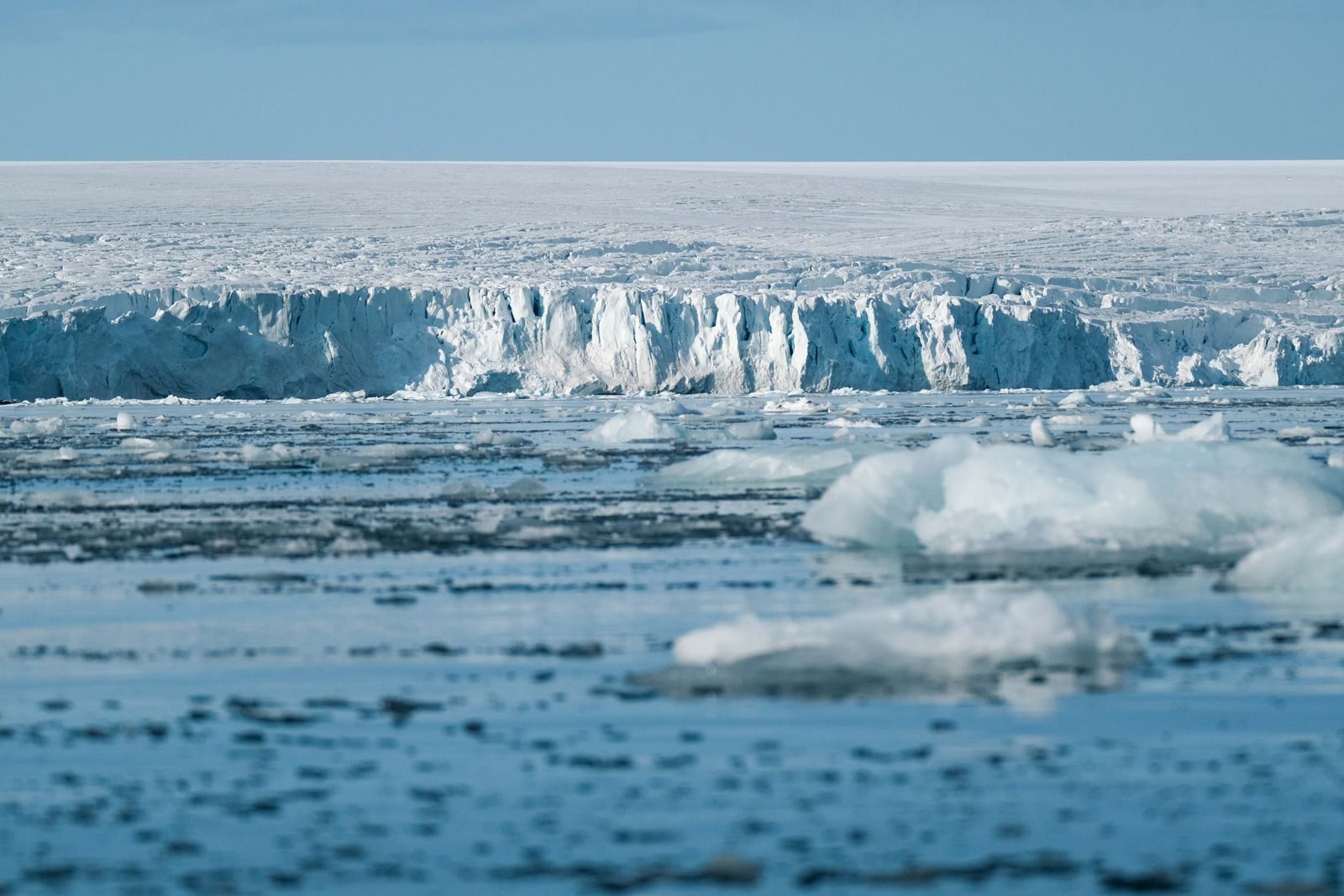
Antarctica is the most remote and least explored landmass on Earth. Most people think of it as nothing more than a vast, frozen wasteland at the bottom of the world.
But beneath that ice lies a continent full of real mysteries — from wartime secrets to geological wonders that scientists are still working to explain.
A Continent Nobody Really Knows
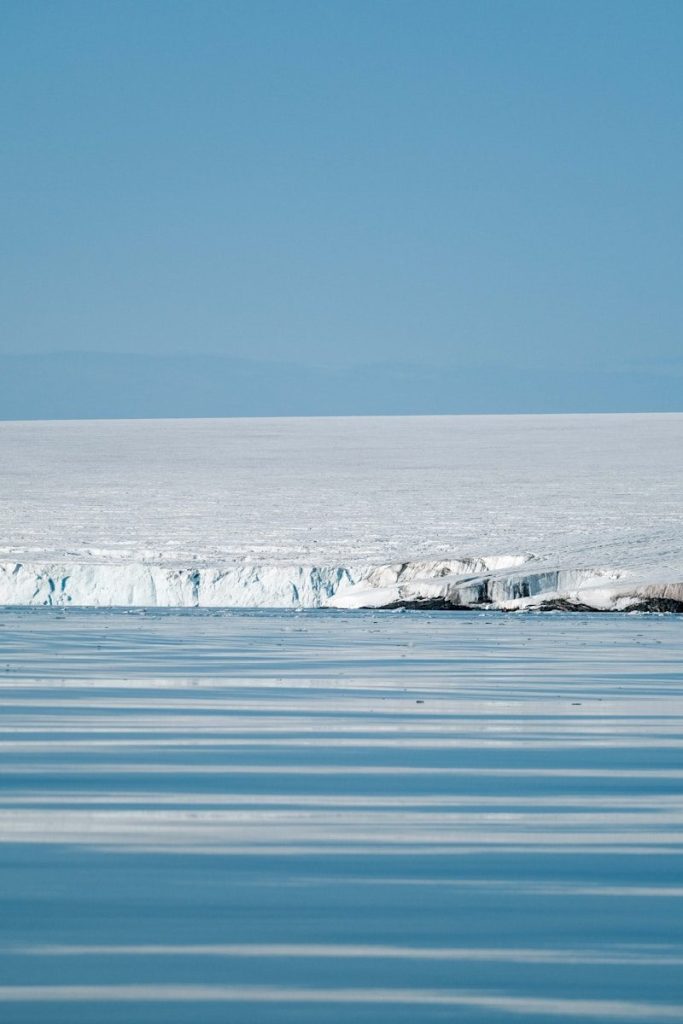
Antarctica covers 14 million square kilometers, and roughly 98 percent of it is buried under ice up to 4.8 kilometers thick, according to the British Antarctic Survey. That means most of the continent’s actual surface has never been directly observed by human eyes. What lies beneath has only recently become visible through satellite radar and ice-penetrating technology. Scientists have found mountains, lakes, and river systems hidden for millions of years. What else is down there remains a genuinely open question. The continent’s wartime history alone is enough to fuel decades of speculation.
What Nazi Germany Actually Did There
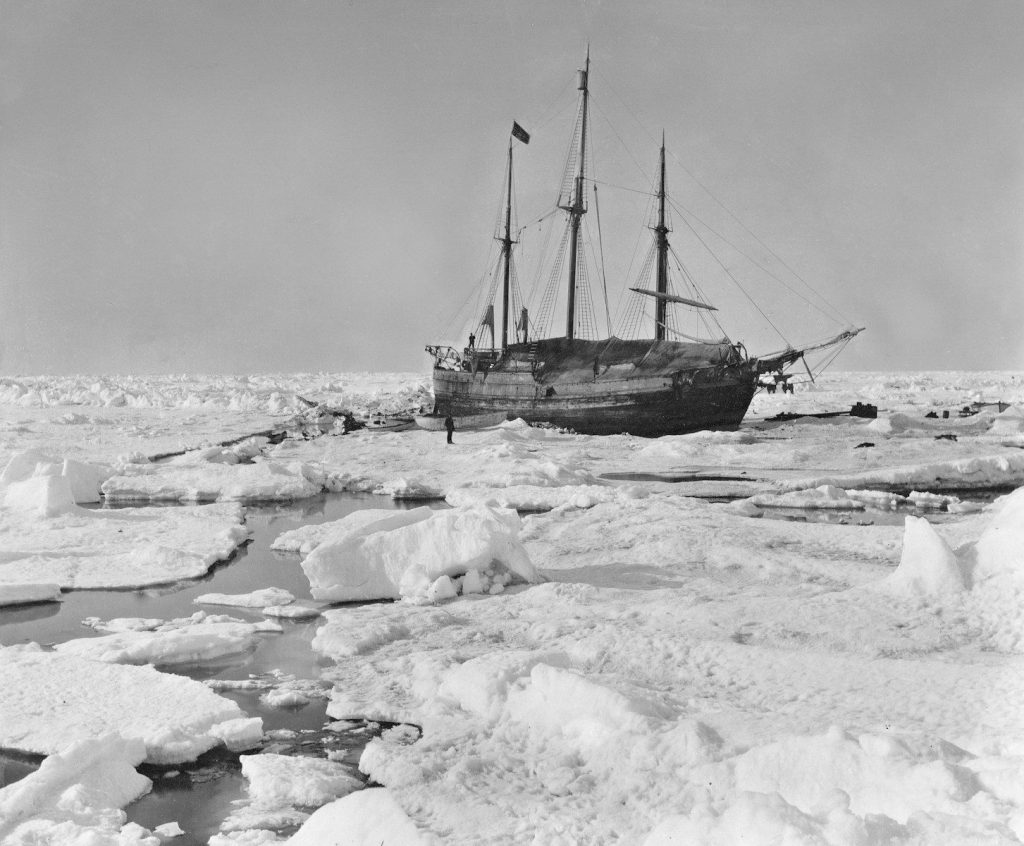
Germany’s pre-war expedition to Antarctica in 1938 and 1939 was real. The mission, carried out by the vessel MS Schwabenland, surveyed a large section of the continent and dropped markers to claim the territory for the Reich, according to historical records from the Alfred Wegener Institute. The region was named Neuschwabenland. After the war, theories emerged claiming Germany had secretly built an underground base there. No credible evidence of a base has ever been found. But the expedition itself is not myth — it happened. The mystery deepened further in the years after the war ended.
Operation Highjump and What Followed
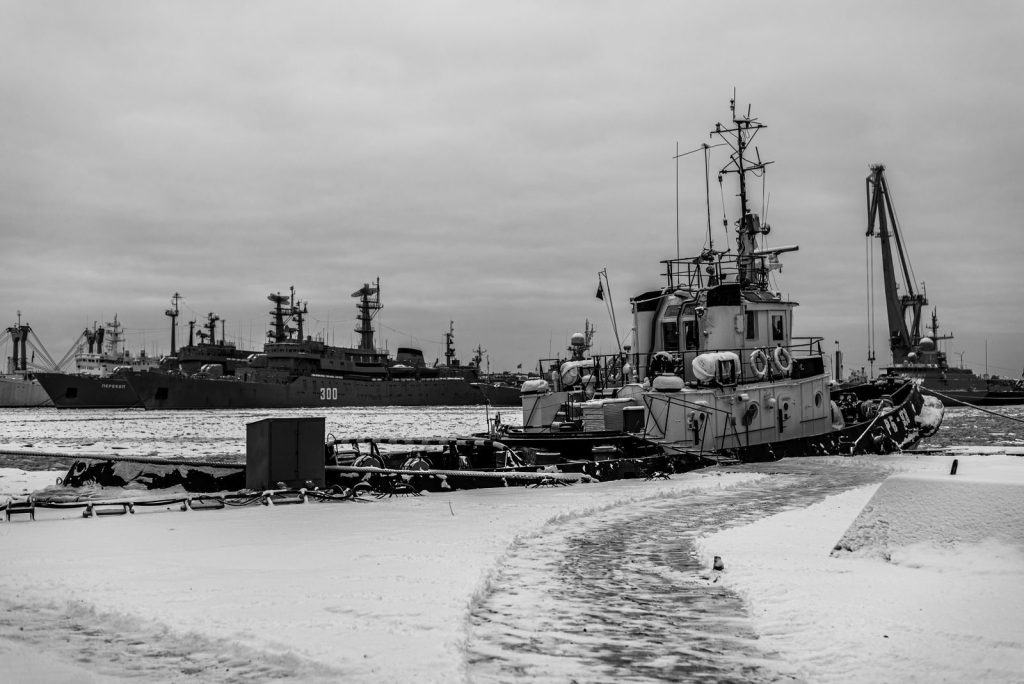
In 1946, the United States military launched Operation Highjump — one of the largest Antarctic expeditions in history. It involved 4,700 men, 13 ships, and 33 aircraft, according to the U.S. Naval Institute. The official purpose was scientific research and military training. But the scale led many to wonder whether the real motivation was something else entirely. The operation ended earlier than planned after several aircraft were lost. The true causes remain partially classified. That detail has fuelled speculation ever since. What satellites revealed about the ice decades later only added more questions.
Strange Shapes Under the Ice
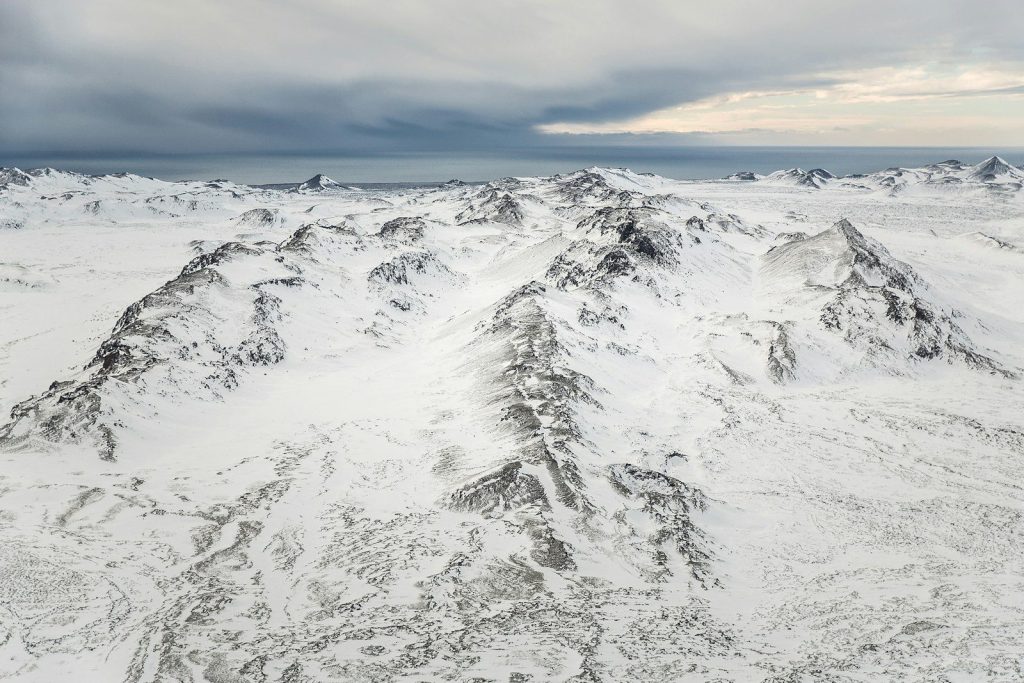
Satellite imagery and radar mapping have revealed unusual structures beneath parts of the Antarctic ice sheet that do not match known natural formations. According to the British Antarctic Survey and NASA’s IceBridge mission, most anomalies discovered have turned out to be subglacial mountain ranges, lakes, or geological formations. However, the discovery process itself has reinforced how little is actually known about the continent’s subsurface. Scientists have found an entire mountain range, the Gamburtsev Mountains, completely hidden under the ice and rivaling the Alps in scale. That discovery alone raises serious questions about what else has never been mapped.
The Underground Lakes Nobody Expected
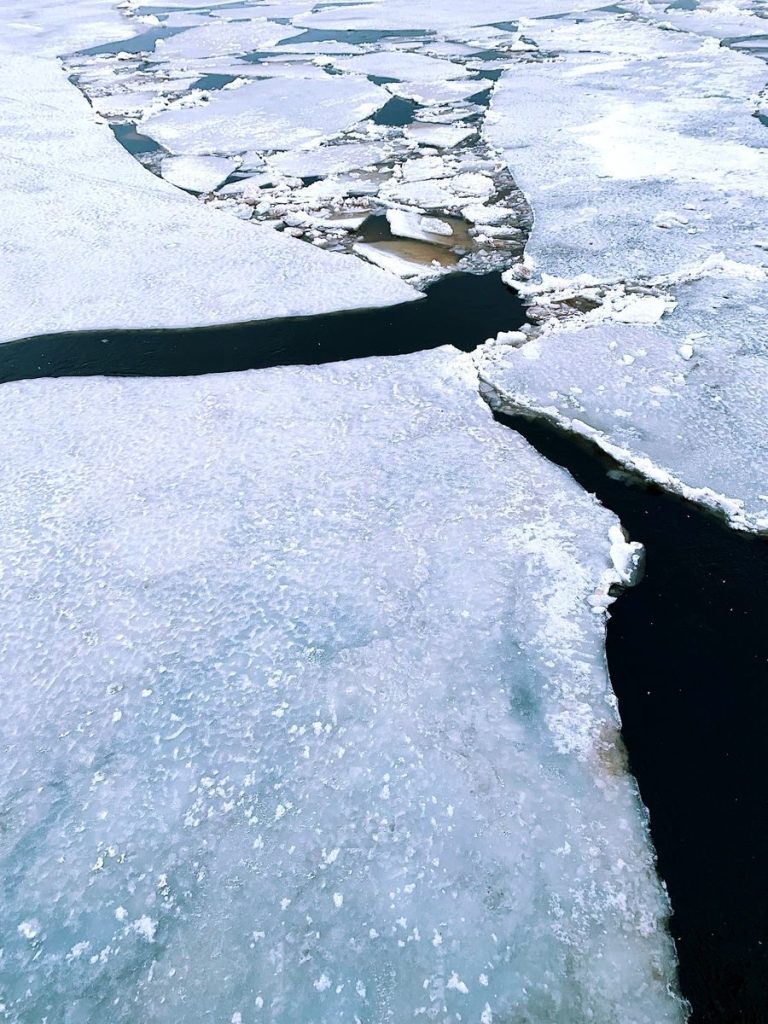
Antarctica contains over 400 confirmed subglacial lakes, according to the Scientific Committee on Antarctic Research. The most famous, Lake Vostok, sits under nearly 4 kilometers of ice and is roughly the size of Lake Ontario. It has been isolated from the surface for an estimated 15 to 25 million years. Scientists drilling into it in 2012 found water samples that suggested the presence of microbial life adapted to extreme conditions. What else might exist in those sealed, lightless waters is still being studied. The climate data locked inside the ice tells a different kind of story altogether.
Ice Cores and Ancient Atmosphere
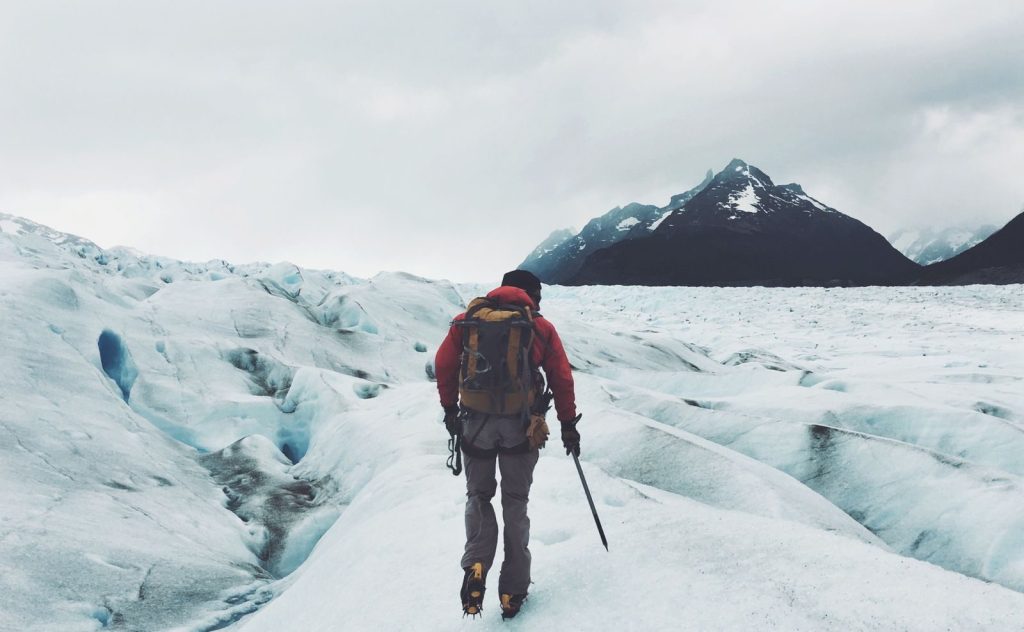
Antarctic ice cores have given scientists direct access to Earth’s atmosphere going back 800,000 years, according to the European Project for Ice Coring in Antarctica. Each layer of ice contains trapped air bubbles, volcanic ash, and chemical markers that document temperature shifts, CO2 levels, and major geological events across deep time. These cores are one of the most valuable scientific records on the planet. They are irreplaceable. Researchers are racing to extract more before rising temperatures compromise the deepest layers. The continent’s future is tied to one of the biggest environmental stories of our time.
Why Antarctica Still Matters
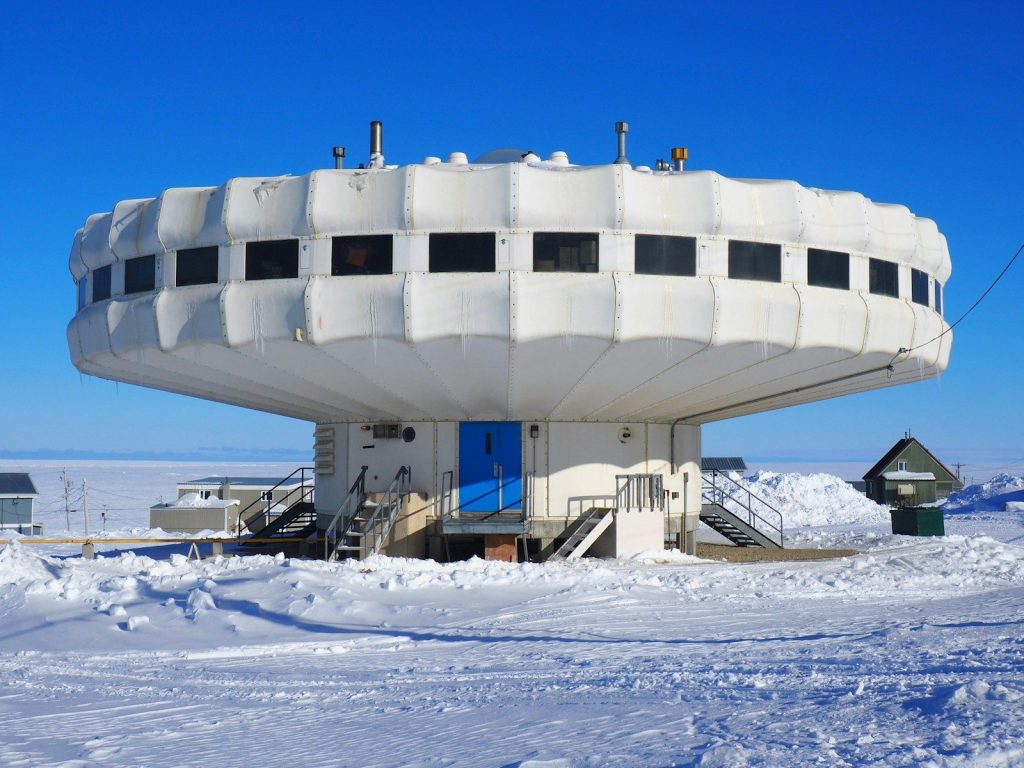
The mysteries of Antarctica — real and imagined — point to something important. This is the least understood inhabited landmass on Earth, and it holds records of climate, geology, and possibly biology that exist nowhere else. According to the Scientific Committee on Antarctic Research, the continent remains central to understanding global sea levels, ancient climate cycles, and the limits of life itself. The conspiracies may be fiction. The science is extraordinary. This article is for informational purposes only.
Featured Image: Photo by Francesco Ungaro on Pexels
Leave a Reply