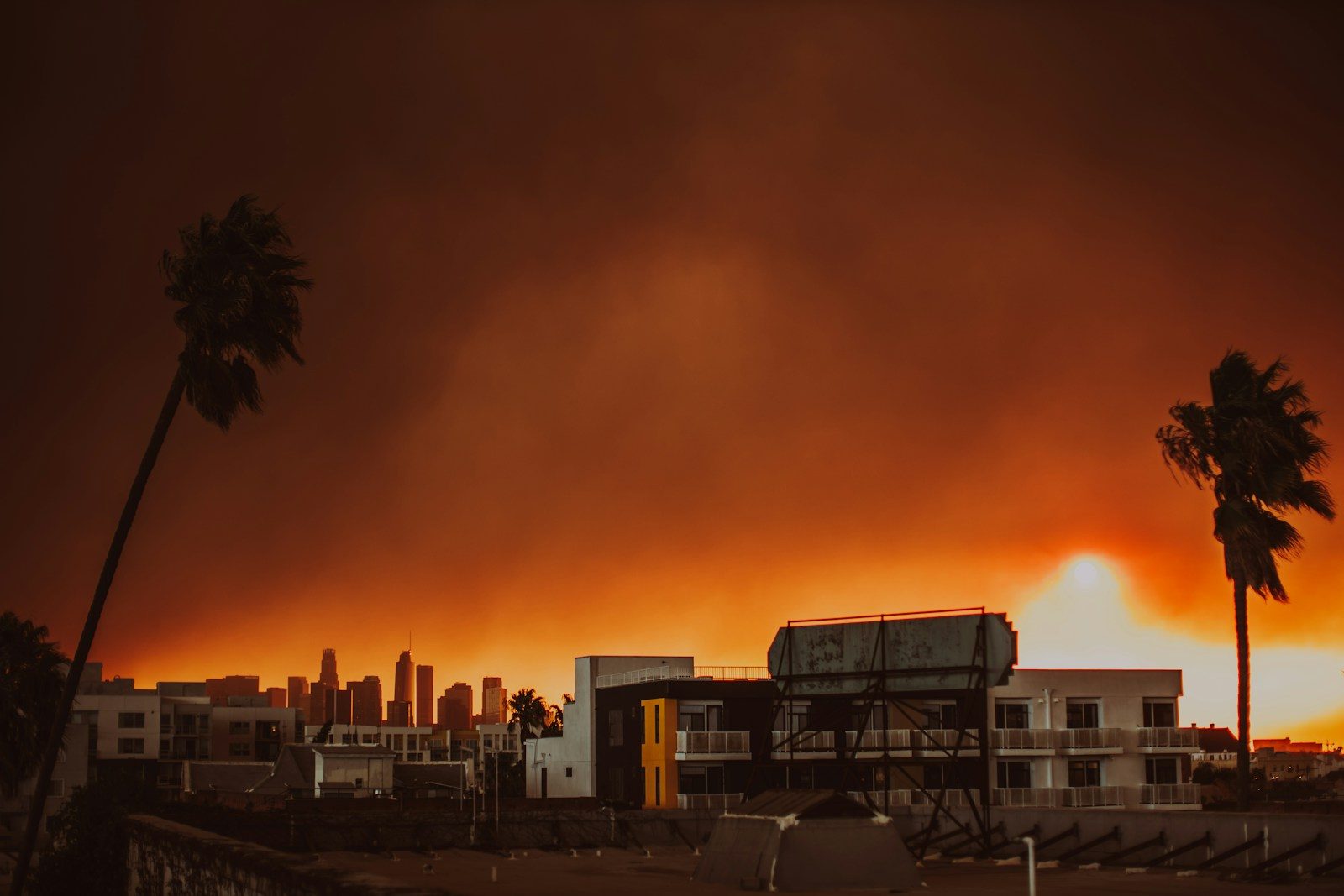
During the early hours of February 25, 1942, air-raid sirens sounded across Los Angeles. Searchlights swept the sky, anti-aircraft guns opened fire, and residents watched tracer rounds and exploding shells above the city.
The event became known as the Battle of Los Angeles. Despite the scale of the response, investigators found no enemy aircraft, bombs, or invading forces. The object that triggered the alarm was never conclusively identified.
The city was already expecting an attack
The incident occurred less than three months after Japan attacked Pearl Harbor. Los Angeles contained aircraft factories, shipyards, military facilities, and a major harbor, making residents fear that the West Coast could be targeted next.
Those fears intensified on February 23, when Japanese submarine I-17 shelled the Ellwood oil field near Santa Barbara. The attack caused limited physical damage but created enormous psychological alarm.
Radar detected something approaching the coast
At approximately 1:45 a.m., coastal radar reported an unidentified aerial target about 120 miles west of Los Angeles.
Other radar stations appeared to confirm the contact, and the city’s air-raid warning sounded shortly afterward. Once searchlights and gun crews began reacting, smoke, bursting shells, drifting balloons, and overlapping beams made it increasingly difficult for observers to determine whether a solid aircraft was actually present.
The military fired more than 1,400 rounds
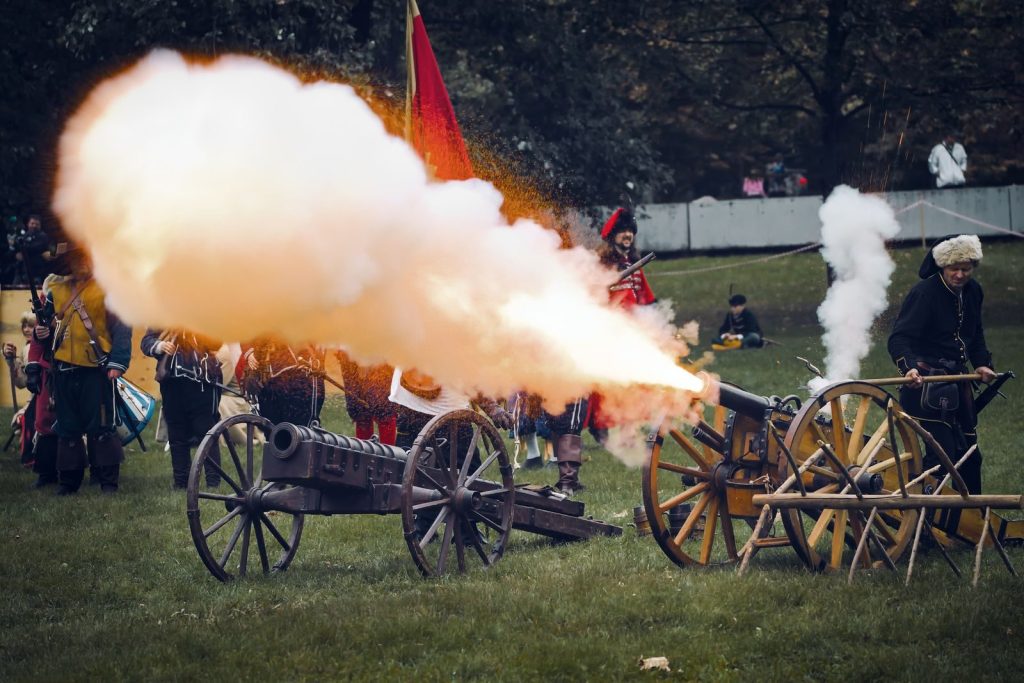
For roughly an hour, anti-aircraft batteries fired more than 1,400 shells into the darkness.
Searchlight beams converged on areas of the sky while residents observed from rooftops, beaches, streets, and hills across a wide stretch of the Los Angeles region. Yet no confirmed aircraft was shot down, no enemy bombs fell, and no physical wreckage from an attacking plane was recovered.
Witnesses did not all describe the same object

Some people reported aircraft formations, while others saw balloons, flashes, smoke, or a large object surrounded by searchlights.
Such conflicting testimony is common during confusing nighttime events, especially when observers are frightened and looking through explosions and drifting smoke. The famous photographs show intersecting beams and shell bursts, but they do not provide clear evidence of a structured extraterrestrial craft hovering over the city.
Government officials offered conflicting explanations

The Navy initially described the event as a false alarm caused by wartime nerves. Army officials were less certain, with Secretary of War Henry Stimson suggesting that as many as 15 aircraft might have been involved.
That contradiction helped keep the mystery alive. However, no Japanese operation matching the alleged raid was established, and subsequent investigations found no physical evidence that enemy planes had crossed Los Angeles.
The false battle still caused real deaths
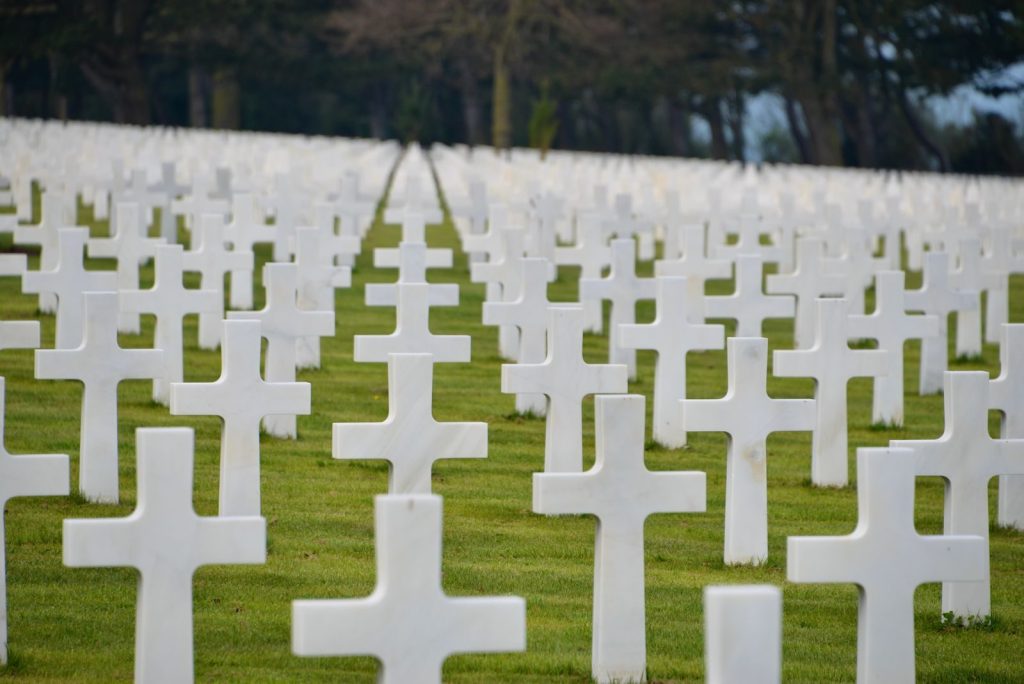
The barrage did not bring down an attacker, but the night was not harmless. Five deaths were indirectly connected to the emergency, including heart attacks attributed to shock and traffic accidents during the blackout.
Shell fragments also fell back toward the populated city. The regional warning center did not issue the all-clear until 7:21 a.m., several hours after the first radar report.
A weather balloon remains a leading explanation
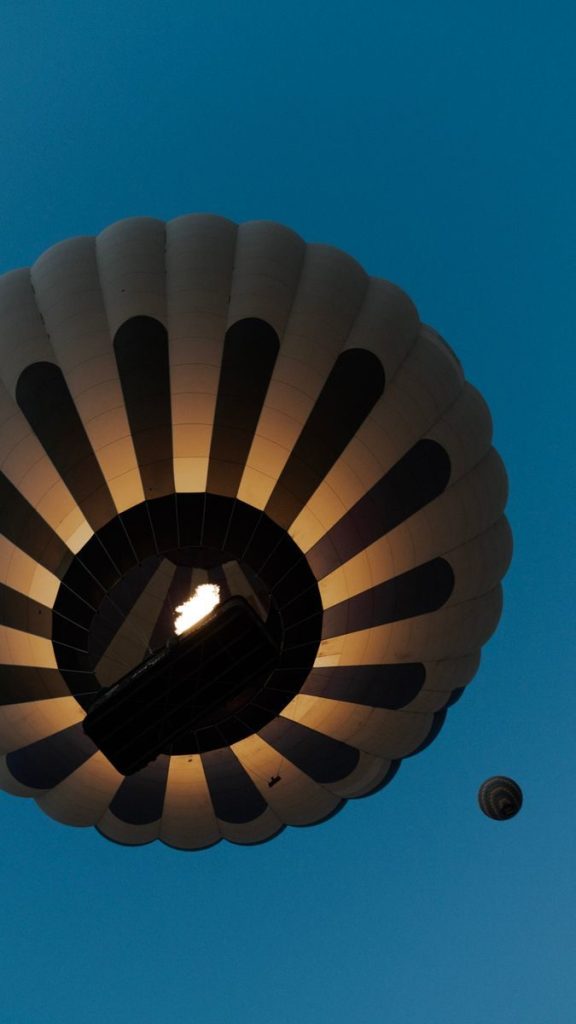
One widely accepted explanation is that an ordinary object, possibly a drifting weather balloon, produced the initial radar contact.
Once firing began, smoke and explosions may have created additional false targets that prolonged the barrage. The incident was a genuine unidentified-object event in the literal sense, but there is no reliable evidence that an alien spacecraft appeared over Los Angeles. Wartime fear and confusion provide a far stronger explanation.
Featured Image: Photo by Jessica Christian on Unsplash
Leave a Reply