
The image of little green men has been baked into science fiction for over a century. We have long assumed that if life exists elsewhere, it might look at least a little like life here on Earth.
But a new study argues that alien life may be far more likely to be purple — and the science behind that claim is more grounded than it sounds.
Why Green Became the Default
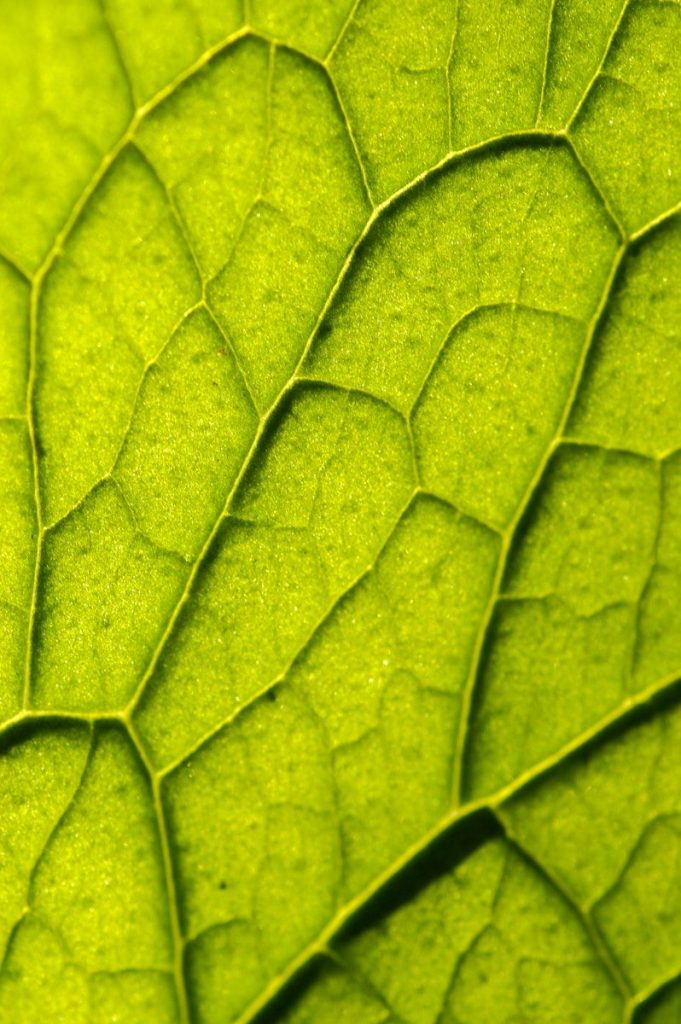
Life on Earth is dominated by green. Chlorophyll, the pigment that powers photosynthesis in plants and algae, absorbs red and blue light while reflecting green — which is why forests, fields, and phytoplankton give our planet its characteristic color from space. According to NASA’s Earth Observatory, the green signature of chlorophyll is so dominant that it is used as a biosignature when scientists search for life on other planets. The assumption has been that photosynthesis elsewhere would follow a similar chemical path. New research is now challenging that assumption directly. The alternative starts with a much older and simpler form of life.
The Purple Earth Hypothesis
Researchers at the University of Maryland, led by astrobiologist Shiladitya DasSarma, have proposed what they call the Purple Earth Hypothesis. According to their research published in the International Journal of Astrobiology, early life on Earth may have been dominated not by green chlorophyll-based organisms but by purple pigmented microbes using a molecule called retinal. The retina absorbs green light and reflects red and purple wavelengths. Before green photosynthesis evolved, these purple microbes may have covered the planet’s surface. That era may have lasted billions of years. If purple life dominated early Earth, it may dominate other worlds too.
What Retinal Actually Does
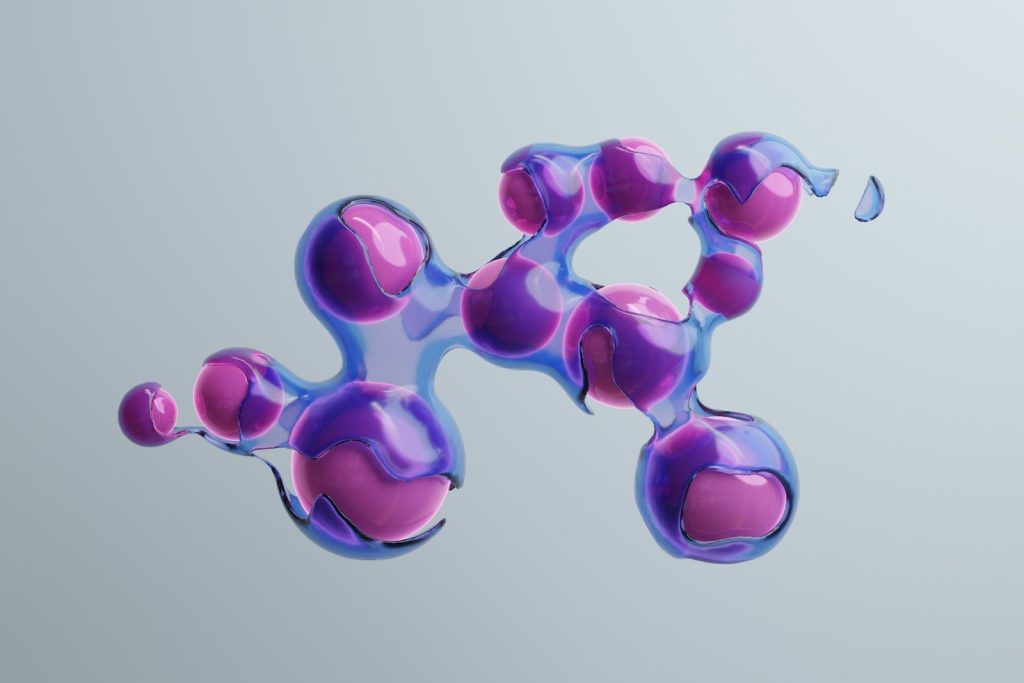
Retinal is a simpler, more ancient light-harvesting molecule than chlorophyll. According to DasSarma’s research, it requires fewer biochemical steps to produce and can function across a wider range of light conditions. This makes it a strong candidate for life on planets orbiting stars with different light spectra than our own Sun — particularly red dwarf stars, which are the most common type of star in the galaxy. Life adapts to the light available. On a redder world, purple may simply be the most efficient color to be. That has direct implications for how scientists search for life beyond Earth.
Rethinking the Biosignature Search
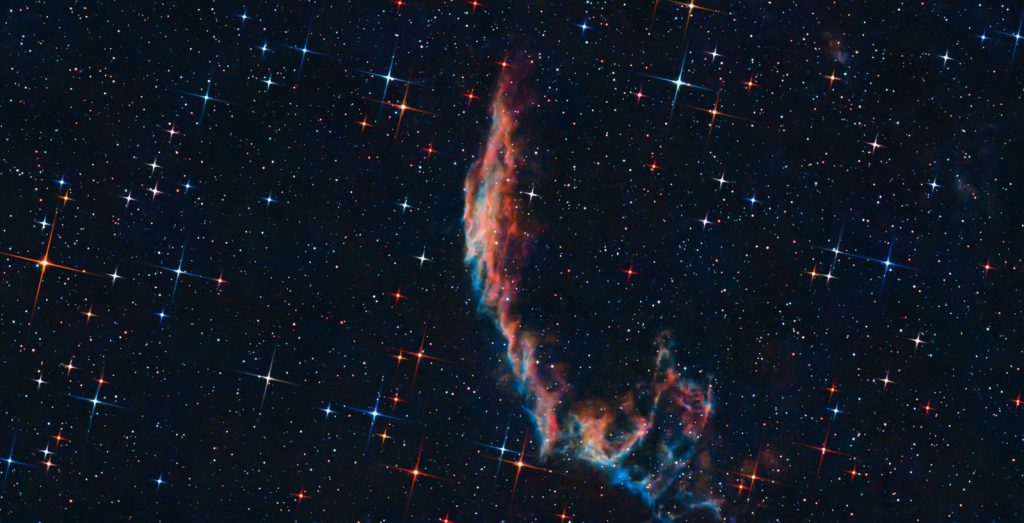
The search for extraterrestrial life relies heavily on identifying biosignatures — chemical or physical signs that life is present on a distant planet. According to NASA’s Nexus for Exoplanet System Science, current telescope technology, including the James Webb Space Telescope, can analyze the atmospheric and surface light signatures of exoplanets in increasing detail. If scientists are only searching for green chlorophyll signatures, they may be systematically missing purple worlds where retinal-based life thrives. The study argues that purple should be added to the list of target biosignatures. That is a practical and testable recommendation. The idea has already attracted serious attention from the broader astrobiology community.
How the Scientific Community Responded
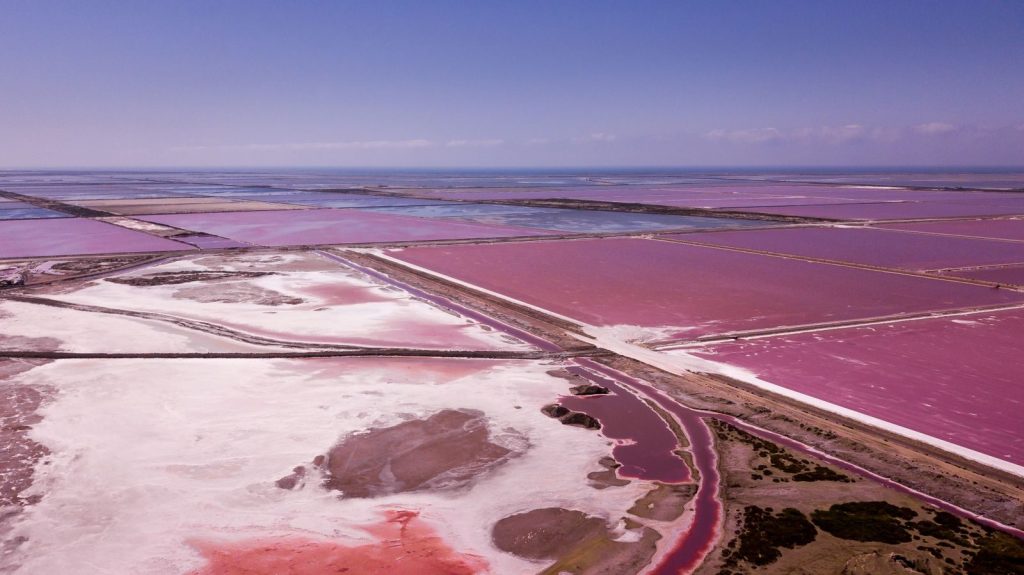
The Purple Earth Hypothesis is not universally accepted, but it has been received as a legitimate scientific contribution. According to reviews in peer-reviewed astrobiology literature, the underlying chemistry is sound — the retinal is real, ancient, and globally distributed among microbial life today. Halobacteria, which use retinal energy, still exist in salt flats and hypersaline environments around the world. They are among the most resilient organisms on Earth. The question is not whether purple life can exist. It already does. The question is whether it could be dominant elsewhere. One nearby environment makes this question especially relevant right now.
Why Red Dwarf Planets Matter
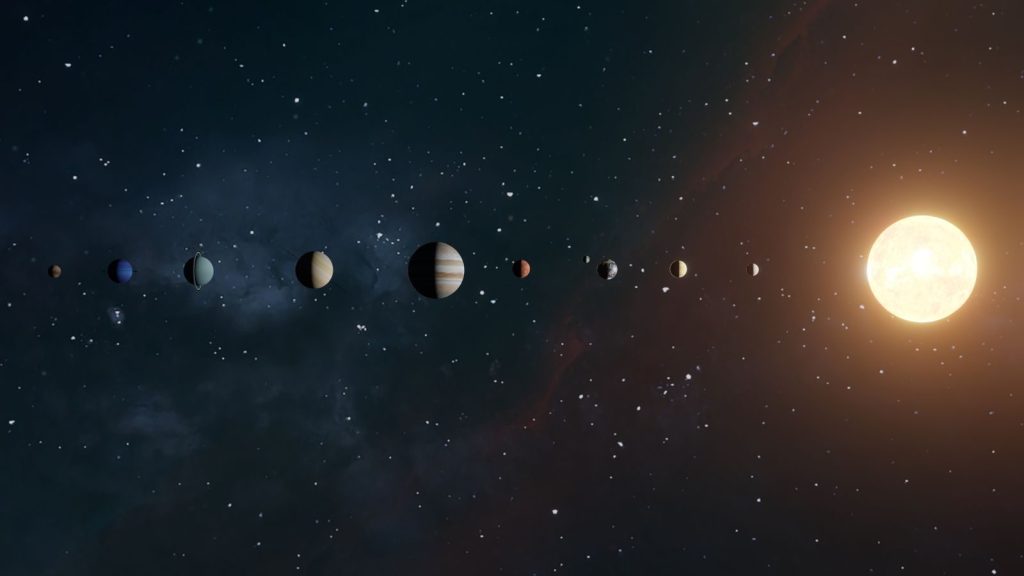
Red dwarf stars account for approximately 70 percent of all stars in the Milky Way, according to the European Southern Observatory. Planets orbiting them receive a different distribution of light — heavier in red and infrared wavelengths, lighter in blue and green. Chlorophyll-based photosynthesis, optimized for our Sun’s output, would be less efficient in those conditions. Retinal, which peaks in sensitivity around the green-to-yellow range that red dwarfs still emit, could thrive. If the most common stars in the galaxy favor purple biochemistry, the implications for the search for life are enormous. The study’s authors believe this changes how future telescopes should be programmed to look.
Green May Be the Exception
The assumption that Earth’s biology is the template for life in the universe may be one of the biggest blind spots in astrobiology. According to DasSarma and colleagues, purple life may be older, simpler, and more universally viable than the green photosynthesis that came to dominate our planet. If that is true, then the universe may be full of purple worlds that current search strategies are quietly passing over. The little green man may have always been the wrong image. This article is for informational purposes only and does not constitute scientific advice.
Featured Image: Photo by Connor Scott McManus on Pexels
Leave a Reply