Astronomers often search for rocky planets with oxygen-rich atmospheres that perfectly match our own modern Earth. We believe alien life can only exist on worlds that look exactly like home.
But a giant water world located deep in space is offering a completely new target. This mysterious planet has just revealed chemical fingerprints that usually only come from living organisms.
The Sub Neptune Hycean World
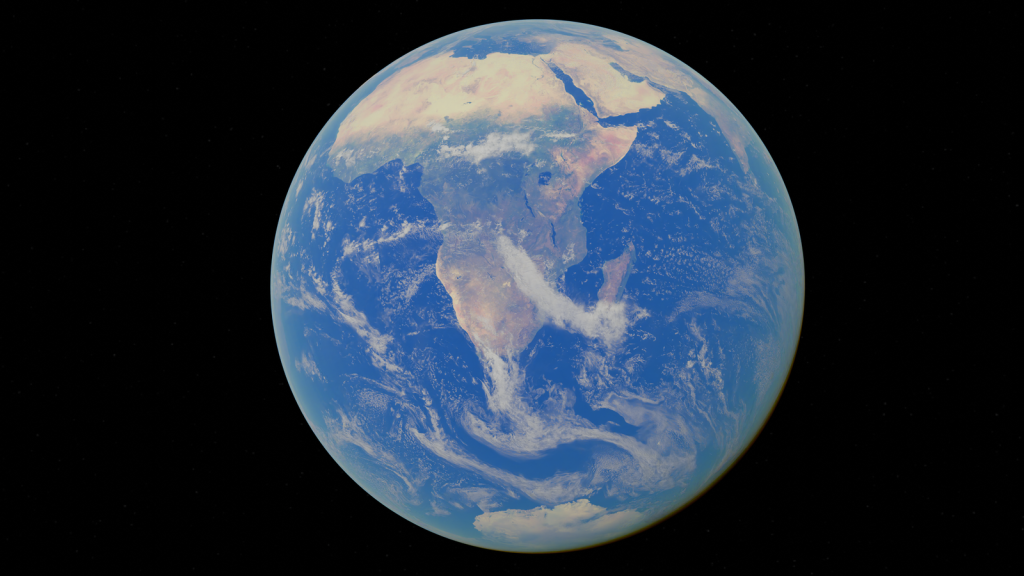
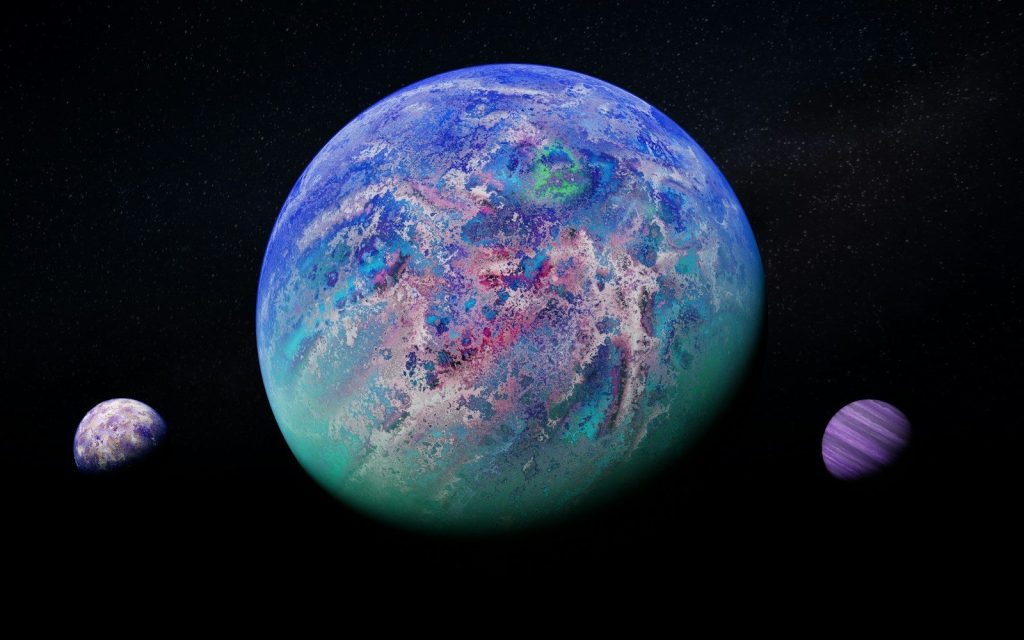
A distant exoplanet named K2-18b orbits a cool dwarf star roughly 120 light-years away. According to astronomers from the University of Cambridge, this world is over eight times as massive as Earth. It is a giant. Researchers classify it as a hycean world, which features a hydrogen-rich atmosphere and a massive global water ocean, but peering into this atmosphere required the world’s most powerful telescope.
The Webb Space Telescope
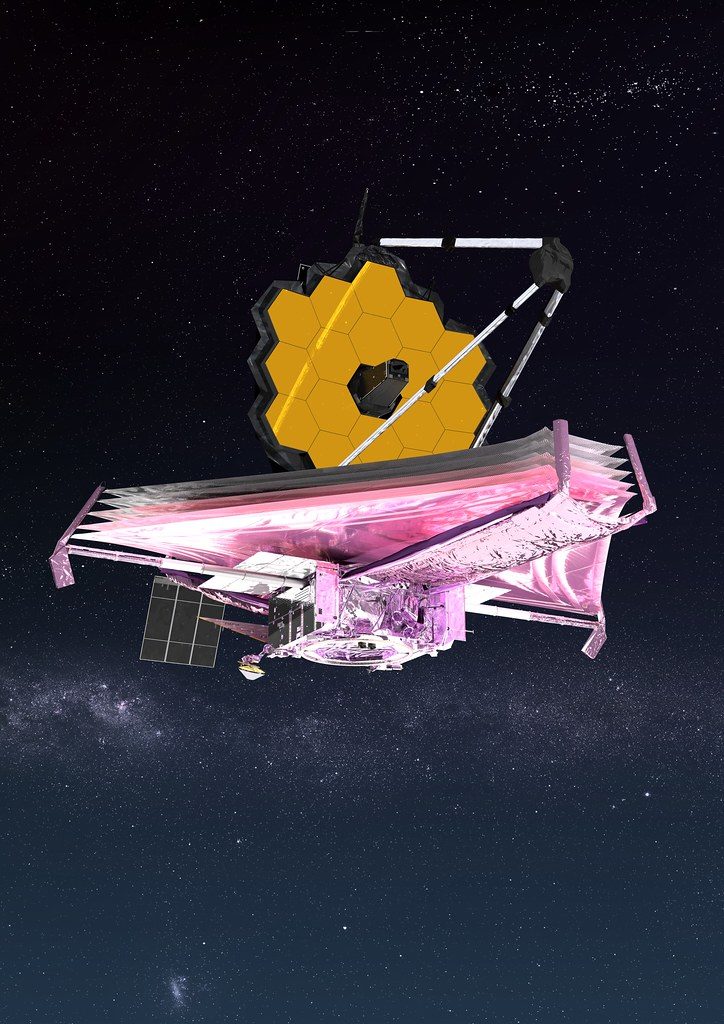
Astronomers trained the James Webb Space Telescope on K2-18b during its transit in front of its star. According to NASA, starlight passing through the planetary air revealed unique chemical absorption bands. The data was clear. Webb detected high concentrations of carbon dioxide and methane in the atmosphere, but the telescope also picked up a much more controversial chemical signal.
Sensing Dimethyl Sulfide Gas
The Webb data revealed tentative signs of a molecule called dimethyl sulfide, often known as DMS. According to reports from Cambridge’s Institute of Astronomy, DMS on Earth is only produced by living organisms. It is highly specific. Marine phytoplankton release this gas into our oceans, but confirming this biological signal on a distant world is incredibly difficult.
The Challenge Of Abiotic Mimics
Geochemical reactions can sometimes mimic biological signals under extreme planetary conditions. According to a study published in Astrophysical Journal Letters, photochemical processes can generate DMS without any living organisms. Scientists are extremely cautious. Researchers must rule out these non-biological pathways before claiming they found alien life, but the lack of other chemicals raises some major questions.
The Missing Chemical Clues

Some scientists argue that a true biological ocean should produce other related compounds. According to planetary models, if organisms were producing massive amounts of DMS, we should also detect ethane in the atmosphere. The gas is absent. This missing clue has sparked a fierce debate among world-class astrophysicists, but researchers are already planning their next scientific moves.
Searching For Double Confirmation
Astronomers are now preparing to use Webb’s mid-infrared instrument to scan K2-18b again. According to research teams, this second pass will help differentiate DMS from other overlapping chemical signals in the atmosphere. Accuracy is everything. This crucial follow-up study will either confirm the presence of this biosignature or prove it was a measurement error, but this ocean world is only the first of many targets.
Expanding The Search Outward
According to astrobiologists, Webb is currently scanning other promising habitable zone planets for similar atmospheric biosignatures. The universe is vast. These ongoing space observations bring us closer to answering whether we are truly alone. This article is for informational purposes only.
Featured Image: Photo by Javier Miranda on Unsplash
Leave a Reply