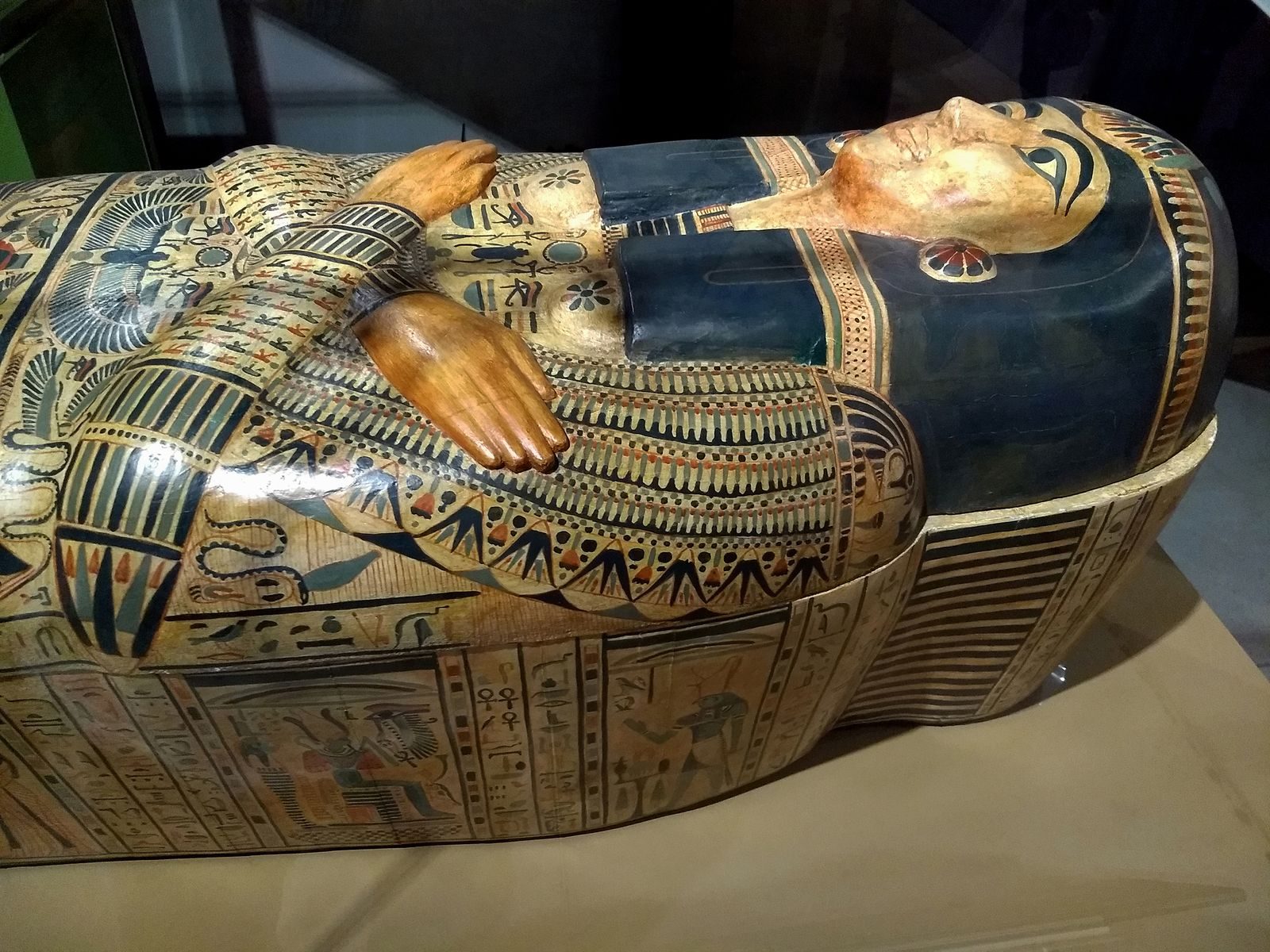
Archaeologists assume that ancient wooden coffins rot quickly when exposed to the elements. We believe that organic remains must stay buried deep underground to survive.
But a violent coastal storm in Poland shattered this basic assumption. A massive oak log slid out of a cliff and fell onto the beach below.
The Stormy Beach Discovery

In the cold winter of 1899, a severe storm struck the Baltic Sea coastline. The waves were brutal. According to reports from the National Museum in Szczecin, the heavy erosion caused a section of a high seaside cliff to collapse. Out of the falling dirt tumbled an enormous, hollowed-out oak log. But locals soon realized this natural log was actually a prehistoric burial chamber.
The Perfectly Tanned Skeleton
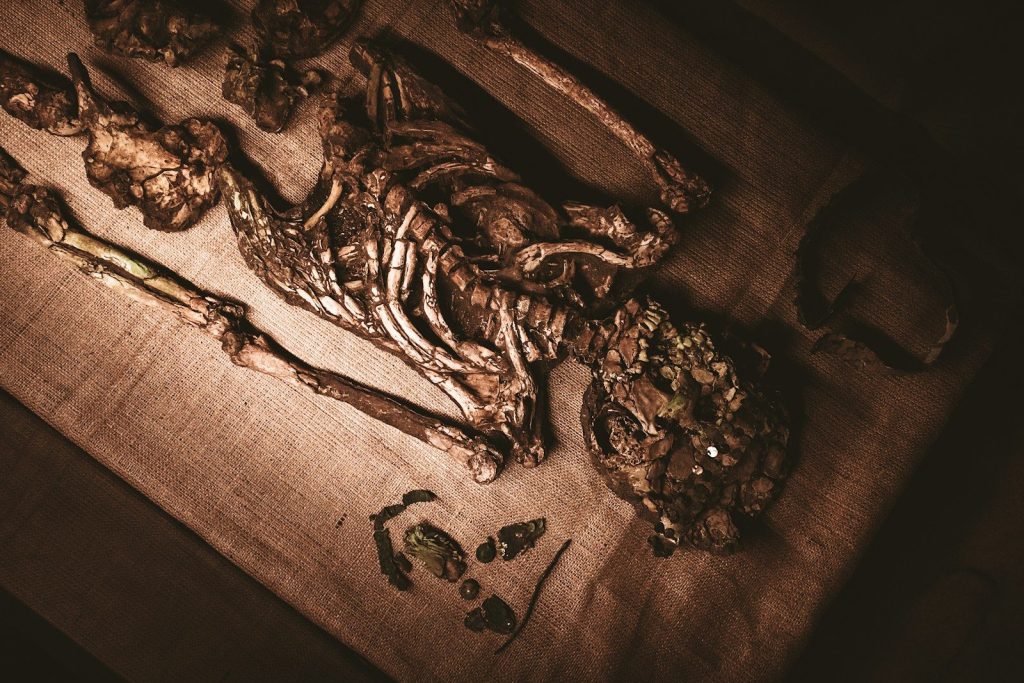
Inside the hollow trunk lay the skeletal remains of an unidentified woman. The bones were black. According to bioarchaeologists, her organic tissues did not rot over the last two thousand years. Instead, the high tannin content of the wet oak wood naturally tanned her bones and preserved her structure. Yet, the high-status objects found with her pointed to an elite life.
Grave Goods Of Gold
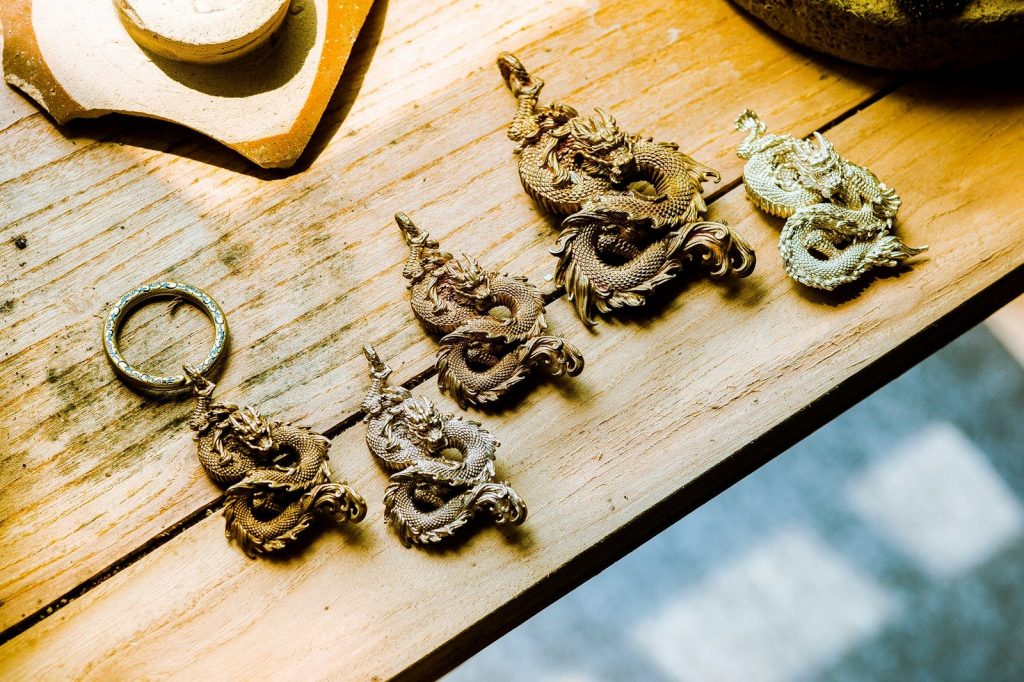
The woman rested atop a rare four-legged wooden stool with a soft cowhide shroud wrapped around her. She was a princess. According to reports from Polish archaeologists, researchers found bronze bracelets, an amber necklace, and a leather pouch containing a bone needle beside her. These valuable items belonged to the ancient Wielbark culture. But the exact date of her death remained a mystery.
The Carbon Dating Trap

Initial carbon tests on her teeth suggested she died during the first century before Christ. The science seemed solid. However, according to research published in the journal Archäologisches Korrespondenzblatt, a highly unusual diet can warp these lab results. Consuming large amounts of seafood pulls older carbon into the body. This scientific error required investigators to find a more reliable dating method.
Reading The Tree Rings
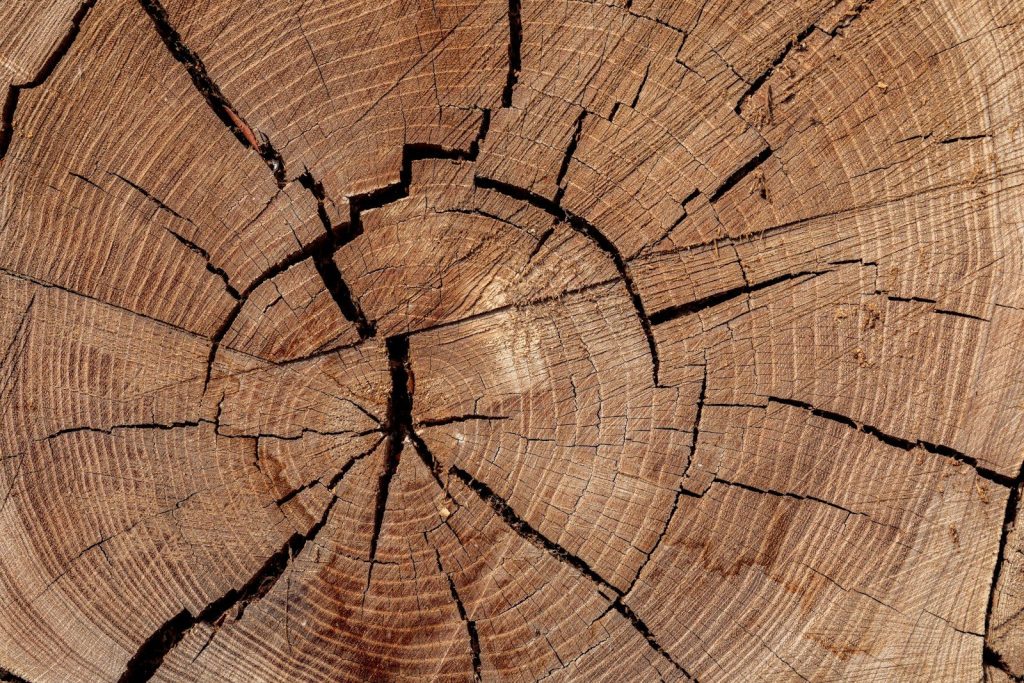
Scientists eventually took core samples from the solid oak coffin itself to measure the growth lines. Tree rings do not lie. According to dendrochronologists, the tree used to craft the coffin fell around 120 AD. This perfectly matches the style of the jewelry found inside her tomb. But this precise timeline also revealed that she lived during the height of the Roman Empire.
The Traveling Elite Woman

Chemical markers in her tooth enamel proved she was not a local resident of the Baltic coast. She traveled massive distances. According to researchers, she spent her childhood in a completely different region before moving to Poland. This suggests that complex trade networks linked these northern tribes with the wealthy Roman world. Yet, her bones also hid a dark truth about her daily life.
The Toll Of Wealth

Despite her riches and high social status, her skeletal remains showed severe signs of osteoarthritis. Life was physically demanding. According to physical anthropologists, she performed heavy physical labor throughout her short lifetime. This finding challenges the traditional assumption that elite figures lived completely passive lives. But archaeologists are preparing to extract her DNA for one final answer.
The Baltic Princess Legacy

The tumbling coffin of Bagicz opened an incredibly clear window into the Roman Iron Age. She was a traveler. According to archaeological science, this rare find proves that the ancient world was deeply connected by travel, trade, and shared culture. This article is for informational purposes only and does not constitute professional historical advice.
Featured Image: Photo by Miguel Á. Padriñán on Pexels
Leave a Reply