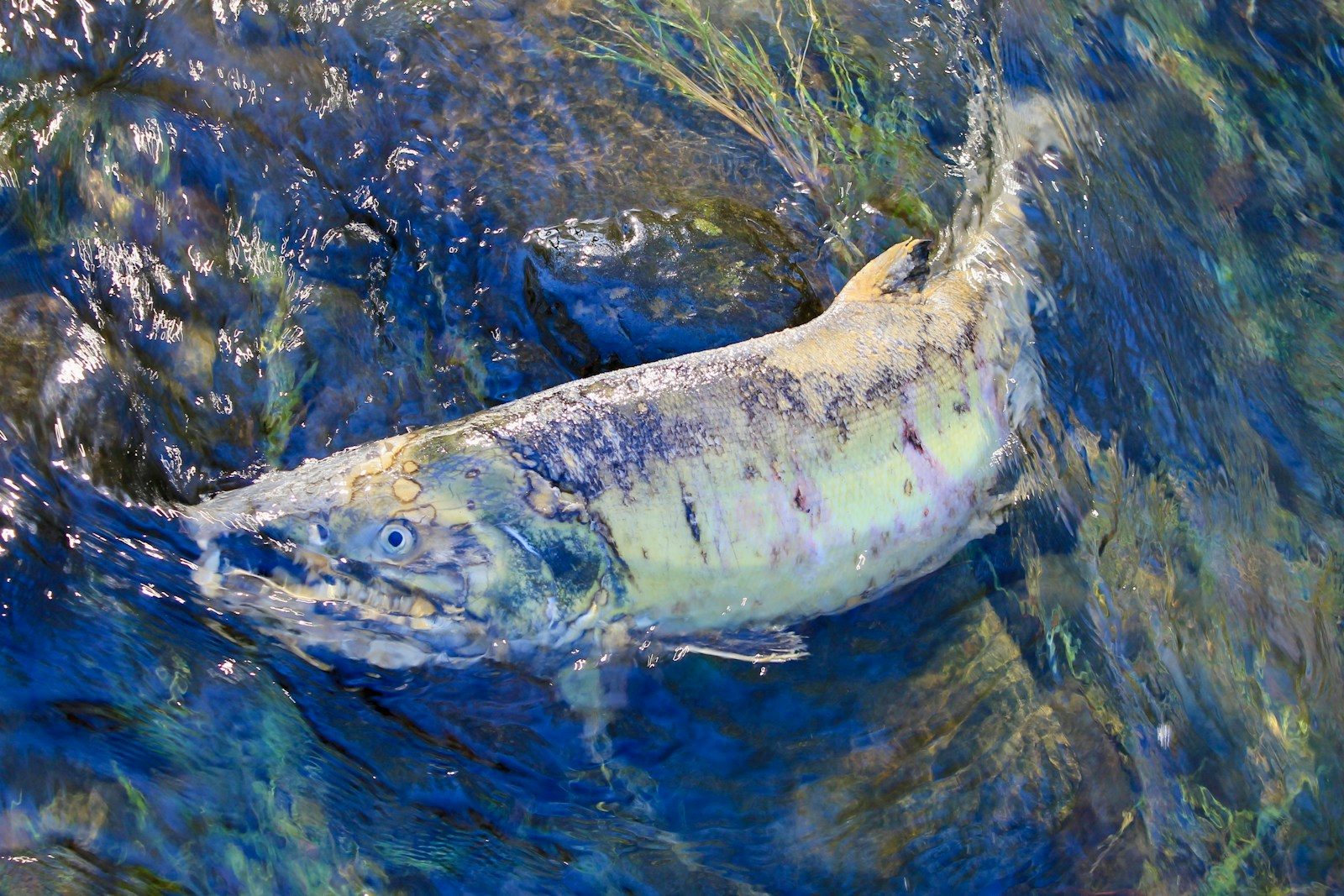
We grow up learning that all animal life requires oxygen to survive. We believe that breathing is a fundamental requirement for any complex living organism.
But scientists have discovered a bizarre microscopic creature that completely breaks this biological rule. It thrives in environments without a single breath of air.
The Salmon Parasite
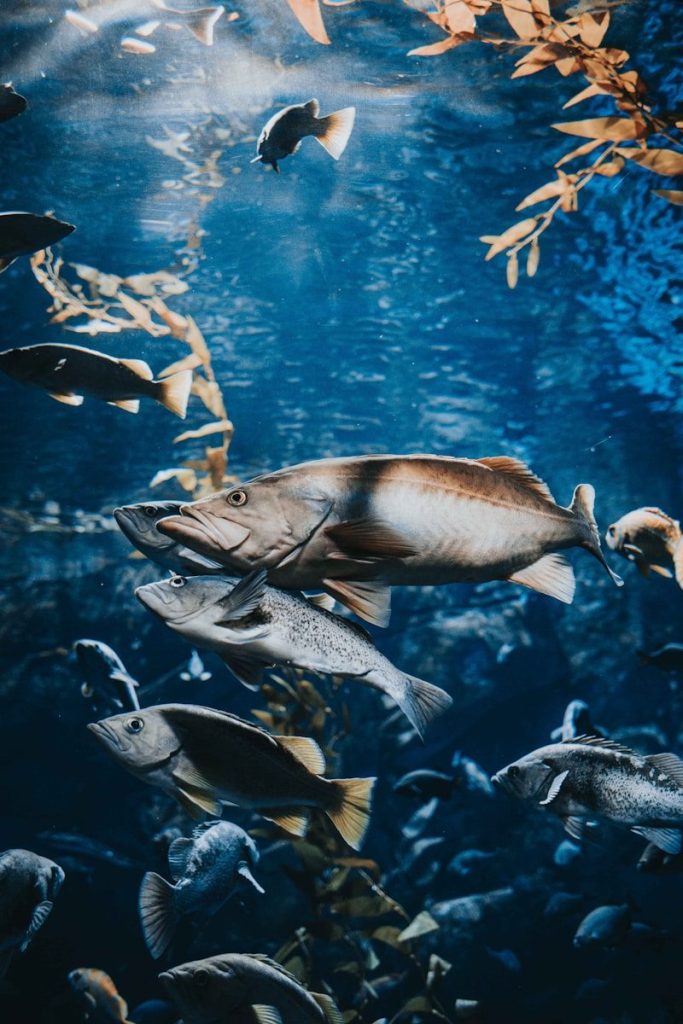
This rule-breaking creature is a tiny parasite called Henneguya salminicola. It spends its life cycle buried deep inside the muscle tissue of salmon. It is microscopic. According to a study in the Proceedings of the National Academy of Sciences, this organism does not harm humans. It simply lives quietly inside its host. But its cellular makeup holds a shocking secret.
Missing Power Plants
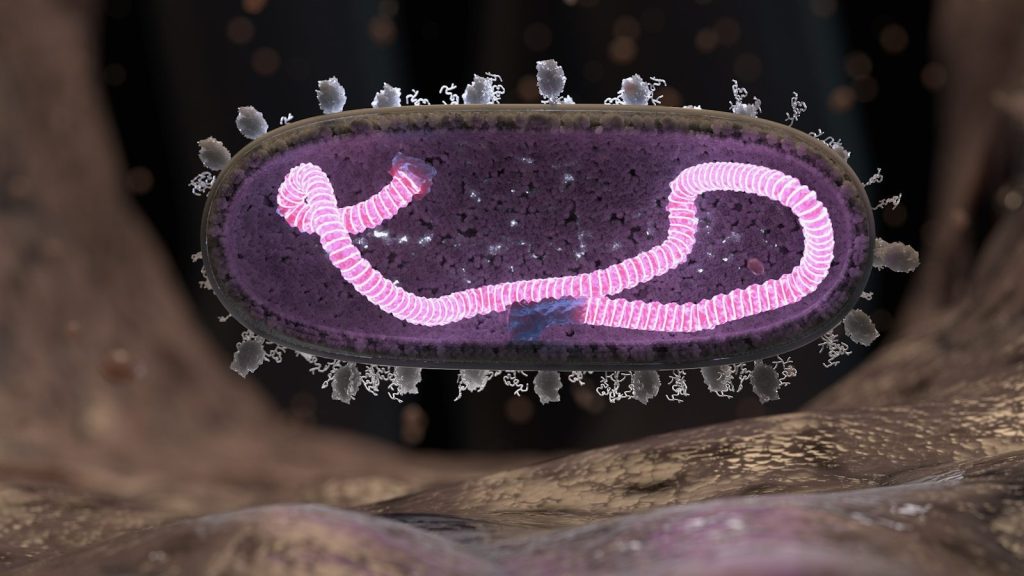
Every animal cell contains mitochondria, which act as tiny power plants that convert oxygen into usable chemical energy. This parasite has none. It has abandoned them. According to genomic researchers, the creature discarded its entire mitochondrial genome over millions of years of evolution. This is the first time scientists have ever seen this happen. But researchers wanted to know how it survives.
Stealing Free Energy
Without its own power plants, the parasite must find a different way to generate energy inside the fish. It steals energy directly from its host. It is a thief. According to reports in Nature, the organism absorbs pre-packaged energy molecules directly through its skin. This evolutionary shortcut allows it to thrive in anaerobic environments. Yet, this extreme adaptation represents a massive evolutionary reversal.
Shrinking Backward
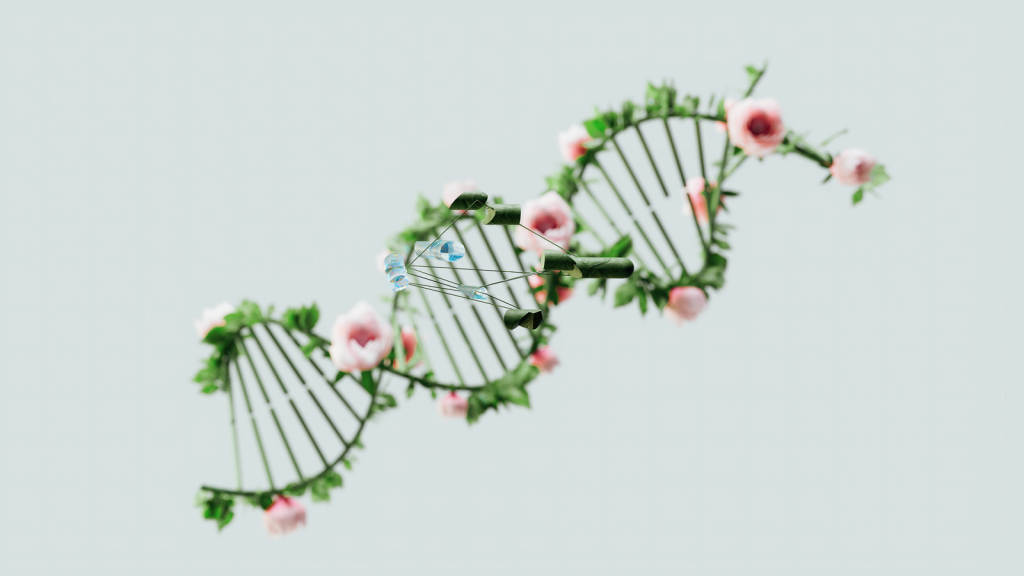
Evolution usually moves toward greater complexity over millions of years. This parasite chose the opposite path by shedding unnecessary genes to simplify its biology. It became simpler. According to evolutionary biologists, this species shows that losing traits can be a highly successful survival strategy. This genetic stripping makes them incredibly efficient. But this discovery changes how we look for life in space.
Alien Life Clues
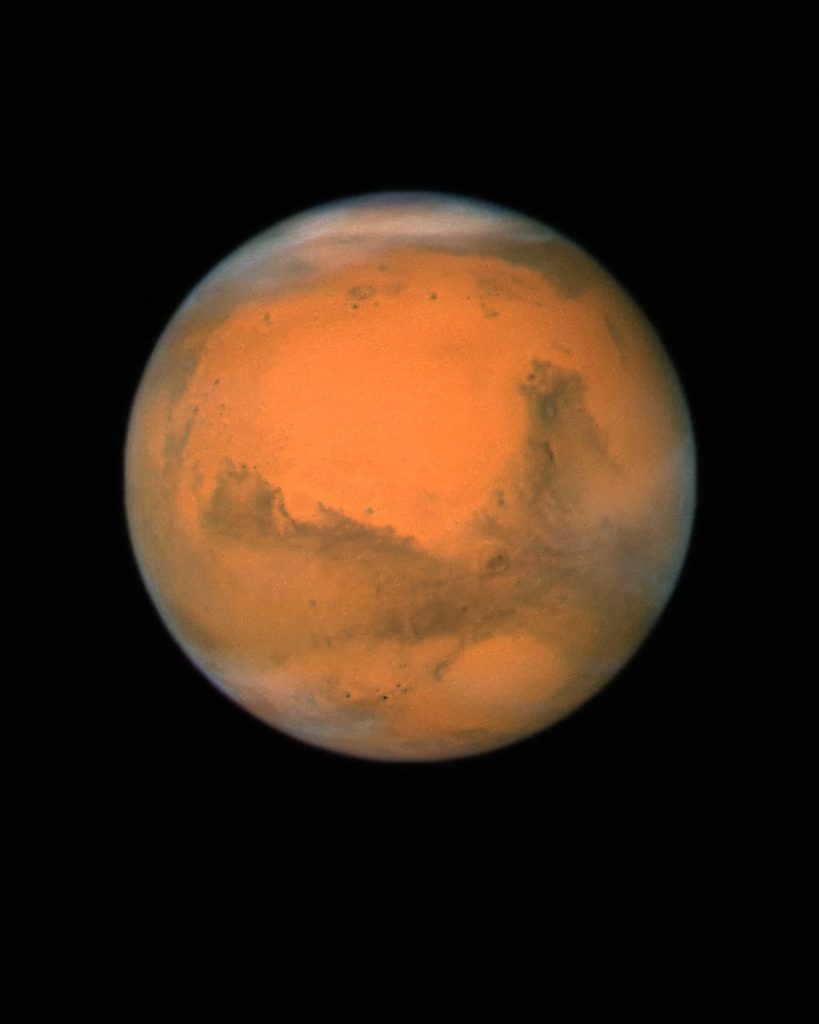
Astrobiologists previously assumed that complex alien organisms would require oxygenated atmospheres to evolve. This tiny parasite proves that theory wrong. We were incorrect. According to reports from NASA, this discovery expands our criteria for habitable zones on distant planets. Life can thrive in places we once considered dead. However, this microscopic rule breaker is not the only strange organism.
The Mud Survivors

Scientists are now searching for other multicellular organisms that might survive without oxygen in deep mud. They are exploring toxic ocean basins. They are persistent. According to marine researchers, several mysterious species might share this anaerobic lifestyle. Finding them will rewrite our biology textbooks permanently. But understanding these creatures is just the beginning of a larger journey.
Rethinking Life
This microscopic parasite proves that nature always finds a way to survive the most extreme conditions. It challenges our basic definitions of animal life. This is a breakthrough. According to scientists, the rules of biology are much more flexible than we ever imagined. This article is for informational purposes only.
Featured Image: Photo by Jared Schwitzke on Unsplash
Leave a Reply