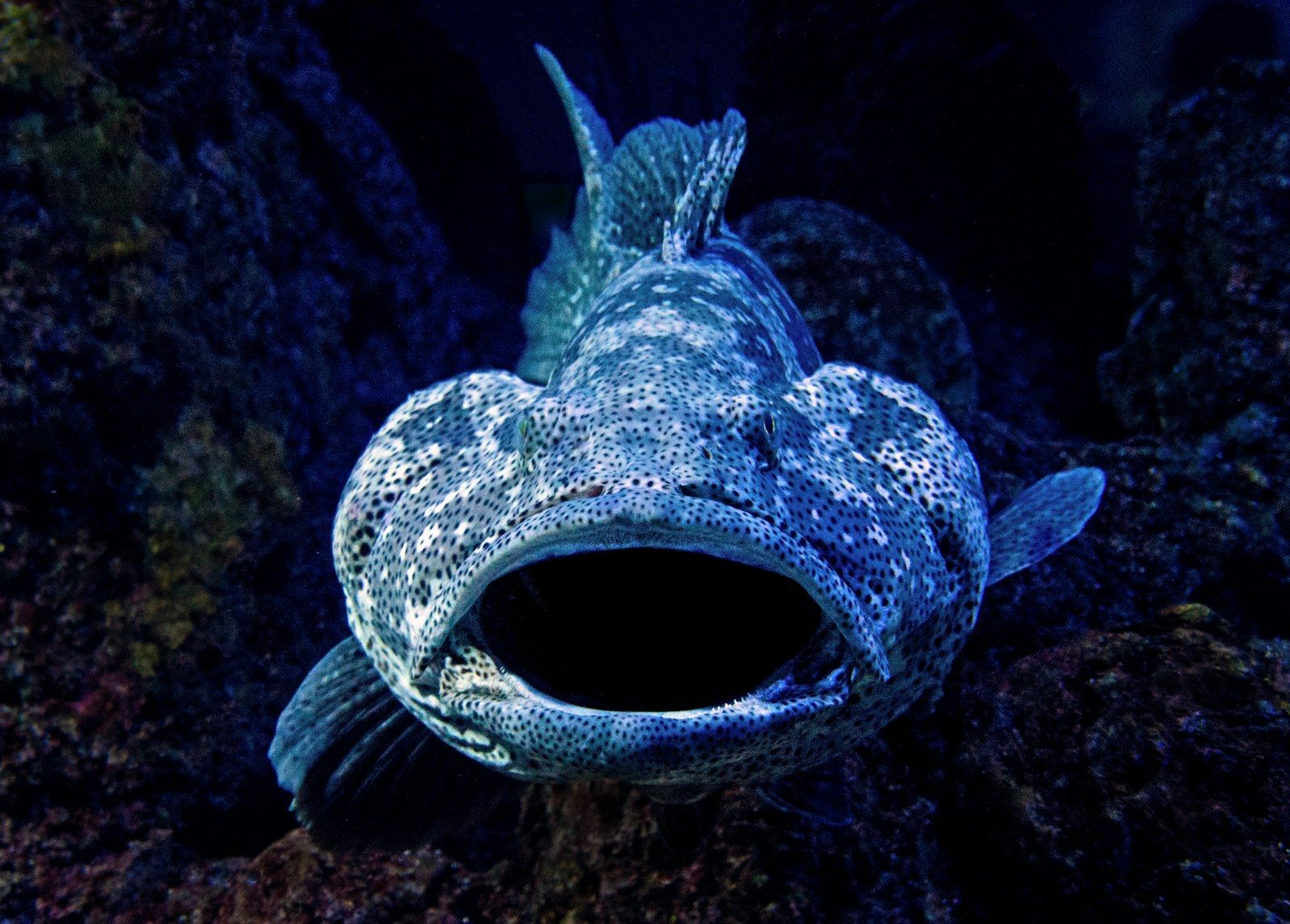
Most people assume that animals produce their own defensive features naturally. We believe that physical traits always evolve directly from a creature’s own genetic code.
But the terrifying deep-sea anglerfish actually bypassed standard evolutionary rules entirely. This deep monster stole its signature glowing lure from a completely different organism.
The Deep Sea Lantern
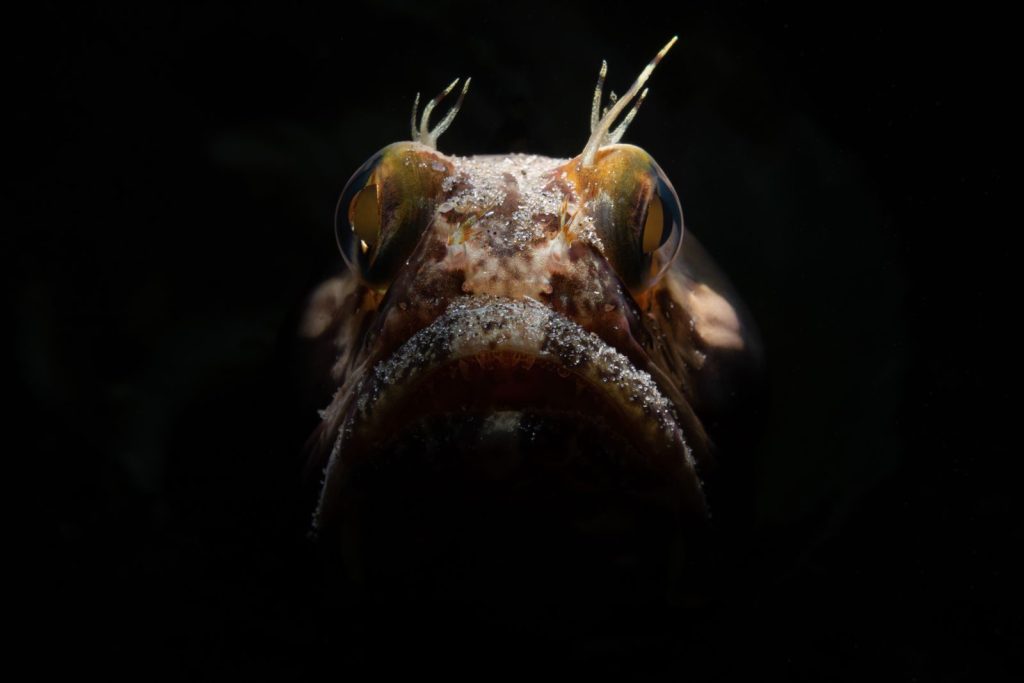
Deep ocean water blocks all natural sunlight from reaching the sea floor. Creatures down there must navigate in absolute pitch black darkness. They are hungry. The anglerfish solved this challenge with a glowing rod that hangs over its mouth. This light is an evolutionary masterpiece. But this brilliant beacon does not actually belong to the fish.
Tiny Cosmic Partners
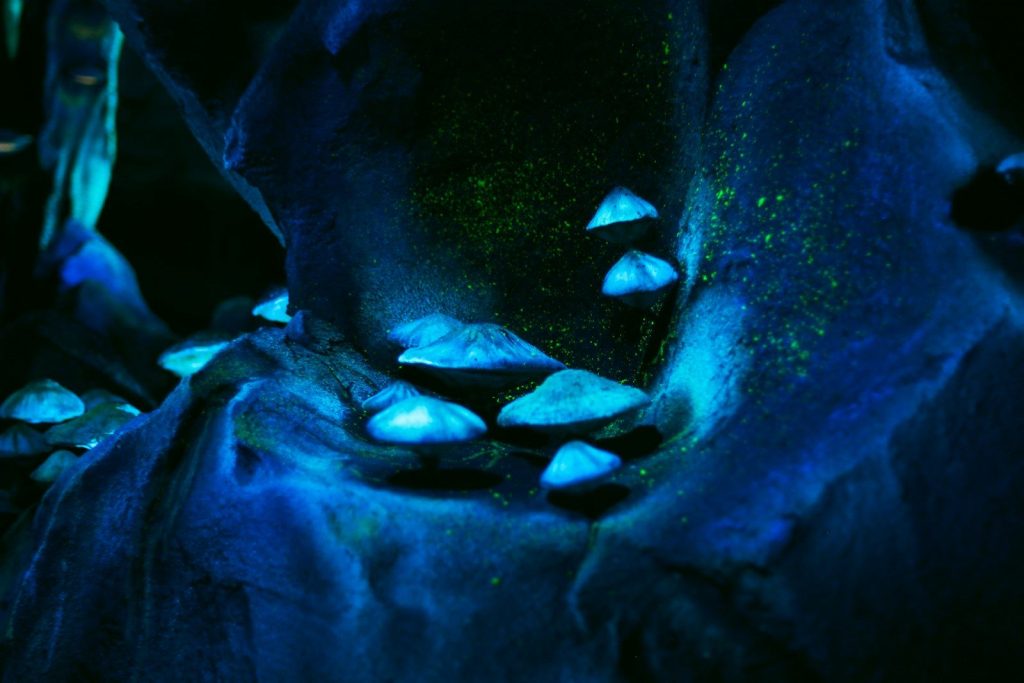
The fish cannot make its own light chemically. Instead, it relies on millions of microscopic bioluminescent bacteria living inside its bulb. They form a partnership. According to studies from the Monterey Bay Aquarium Research Institute, these bacteria cannot survive anywhere else in the ocean. They are tiny helpers. This biological contract has lasted for millions of generations.
A Genetic Shield

Normally, an animal’s immune system destroys foreign bacteria immediately to prevent infections. The anglerfish should reject these glowing invaders. It has no immune shield. According to reports in Science, this species completely turned off its key immune genes to welcome the bacteria. This risky biological choice saved them from starvation. Yet, this genetic sacrifice created another bizarre evolutionary mystery.
Born In Darkness

Young anglerfish do not have any glowing bacteria when they hatch in the shallow ocean. They must acquire their microscopic partners later in life. They descend into darkness. According to marine biologists, the exact moment the fish captures these bacteria remains a total mystery. No one has ever witnessed this transition. However, researchers are studying how the light functions during hunting.
The Death Trap
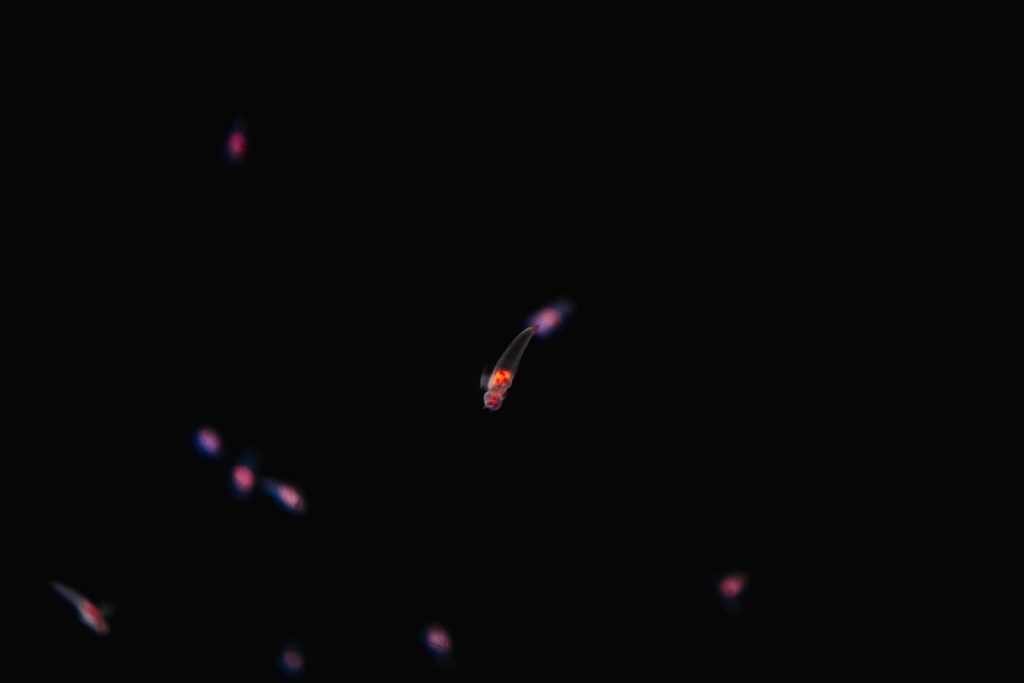
The glowing lure acts as an irresistible bait for smaller, curious prey. Starved creatures swim directly toward the light, expecting a tiny meal. They are doomed. According to the Smithsonian Institution, the anglerfish snaps its massive jaws shut in milliseconds when prey gets too close. This feeding strategy is highly efficient in the barren deep. But this glowing trick serves a dual purpose.
Finding A Mate
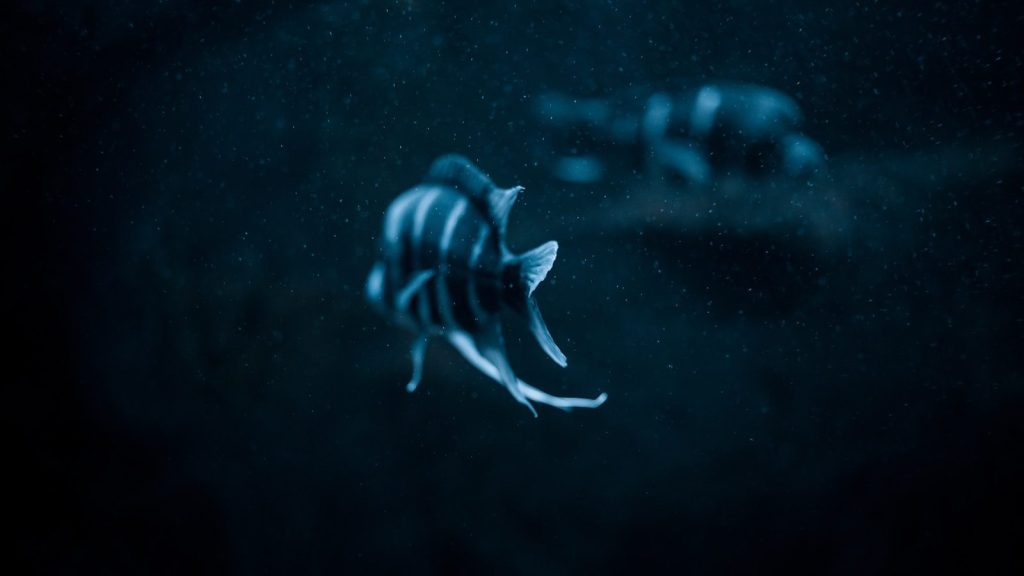
Male anglerfish are dwarf creatures that cannot grow their own lanterns. They spend their entire lives searching for a glowing female to survive. They are tiny. According to research from Nova Southeastern University, the males track the specific chemical frequency of the female’s glowing light. This glowing signal guides them through the vast ocean desert. But their meeting leads to an incredibly strange transformation.
Biological Fusing

Once the tiny male finds a female, he bites into her skin and never lets go. Over time, their blood vessels and tissues fuse together completely. He becomes a parasite. According to studies in Nature, the male dissolves his own organs until he is just a reproductive organ. This fusion ensures the survival of their species. But this deep partnership might help us heal human bodies.
Healing Human Tissue
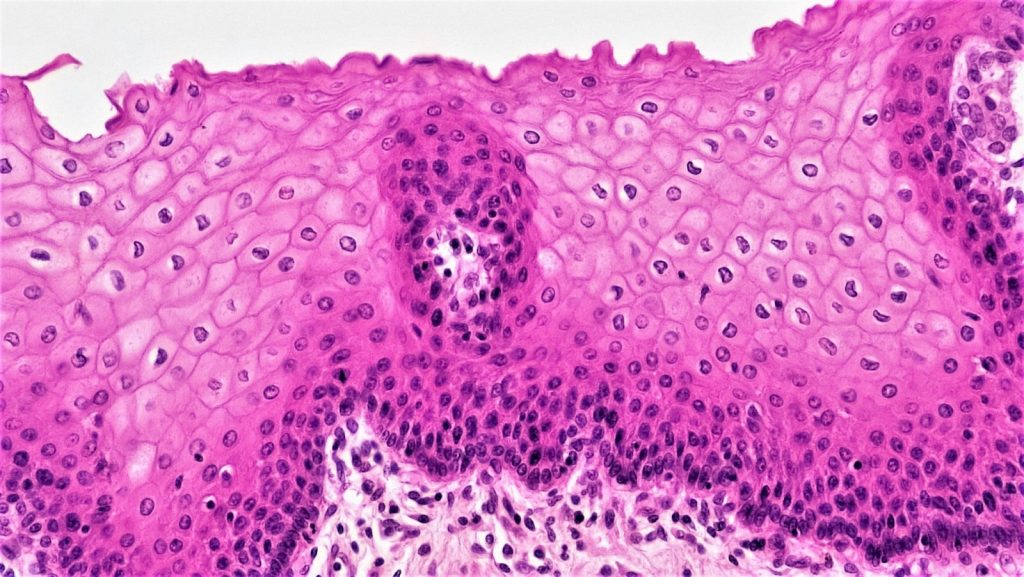
Medical researchers are studying how the anglerfish fuses tissue without triggering a deadly immune rejection. This organic secret could help doctors perform safer organ transplants. We have much to learn. According to surgical experts, deep-sea biochemistry holds the keys to future medicine. This article is for informational purposes only.
Featured Image: Photo by David Clode on Unsplash
Leave a Reply