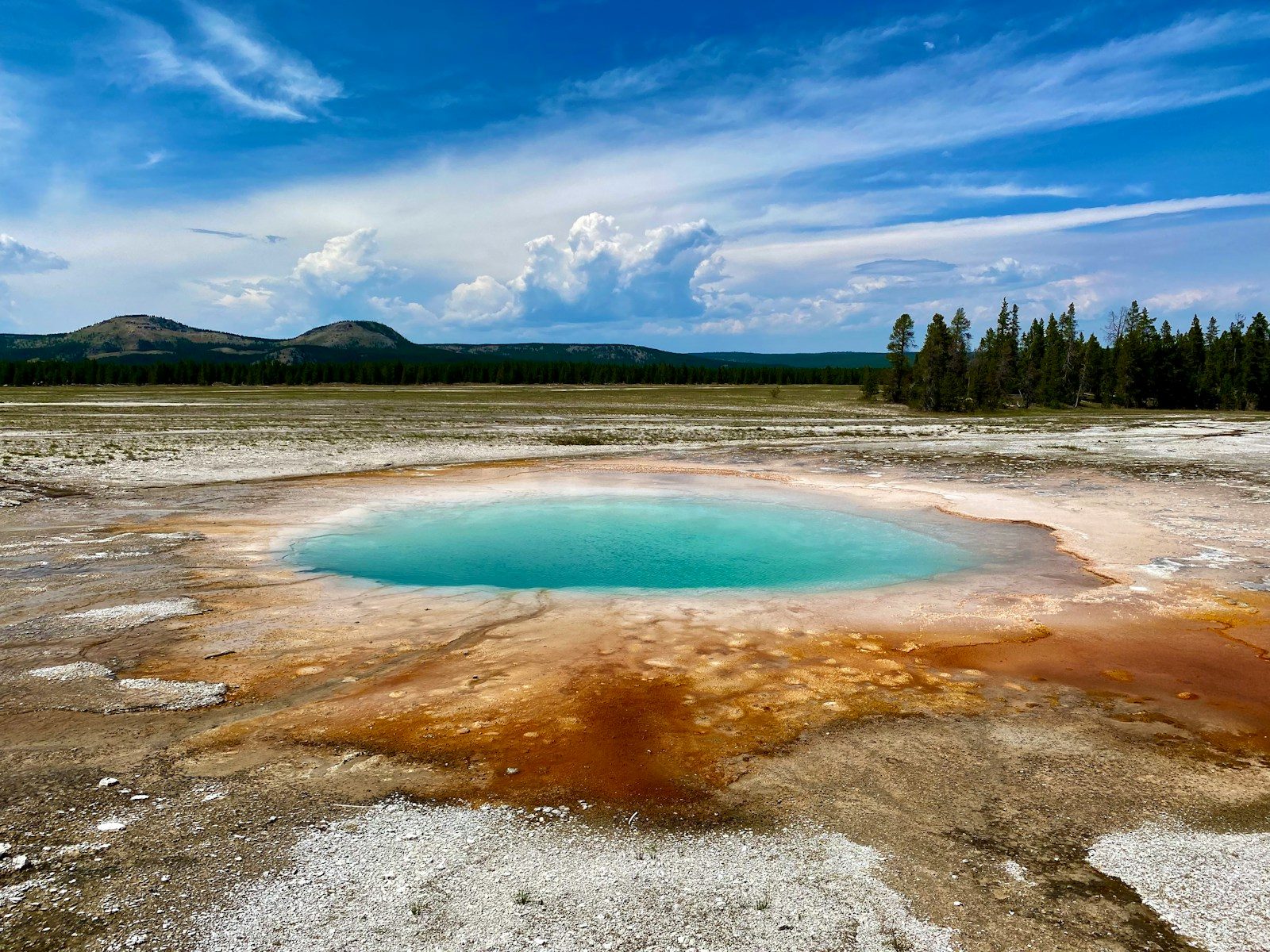
Most people assume that extremophiles are just biological oddities with no practical value. We believe that creatures in hot springs or acidic lakes have nothing to offer human medicine.
But these tough organisms are quietly revolutionizing the world of modern science. Their resilient proteins and unique enzymes are helping researchers cure diseases and solve global crises.
Secrets Of Survival
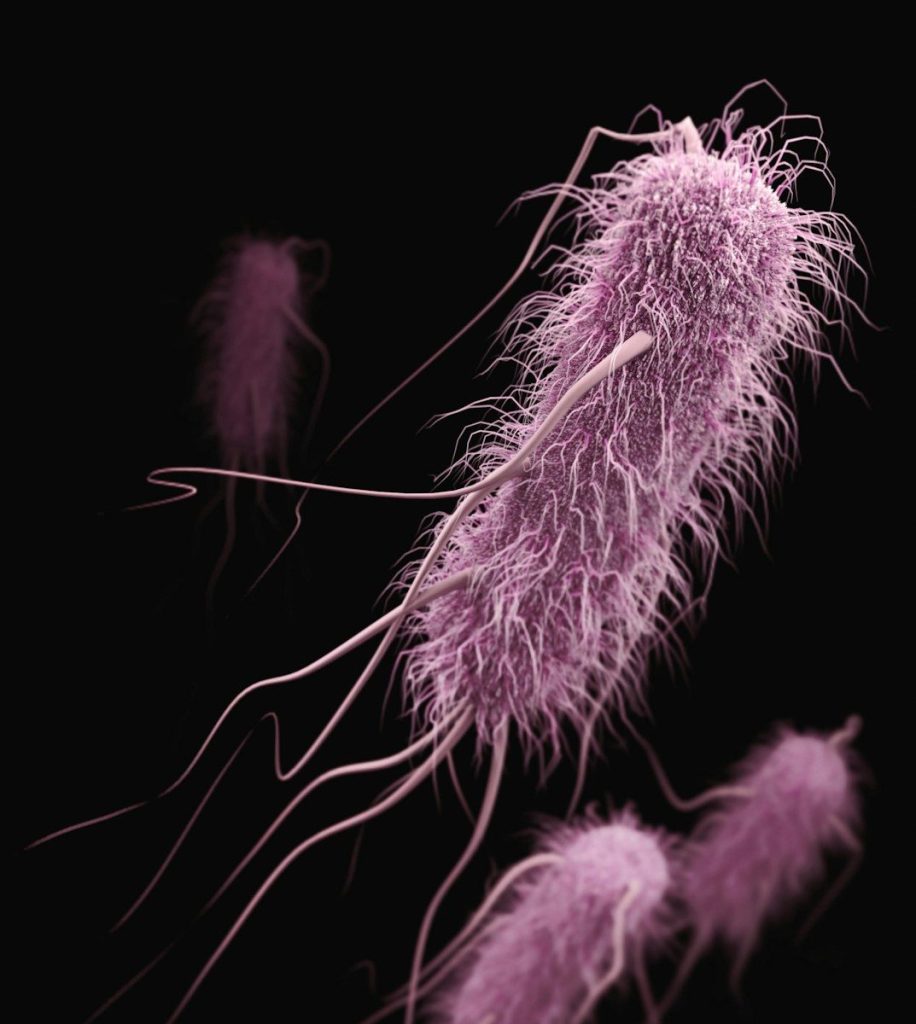
Extremophiles thrive in brutal landscapes like boiling geysers and highly toxic waste dumps. To survive, they produce highly durable molecular structures. They are incredibly resilient. According to research from the National Institutes of Health, these survival traits translate perfectly into medical breakthroughs. Scientists are studying these behaviors to develop advanced therapies for human patients. But one specific enzyme has already changed modern genetics forever.
Copying Human DNA
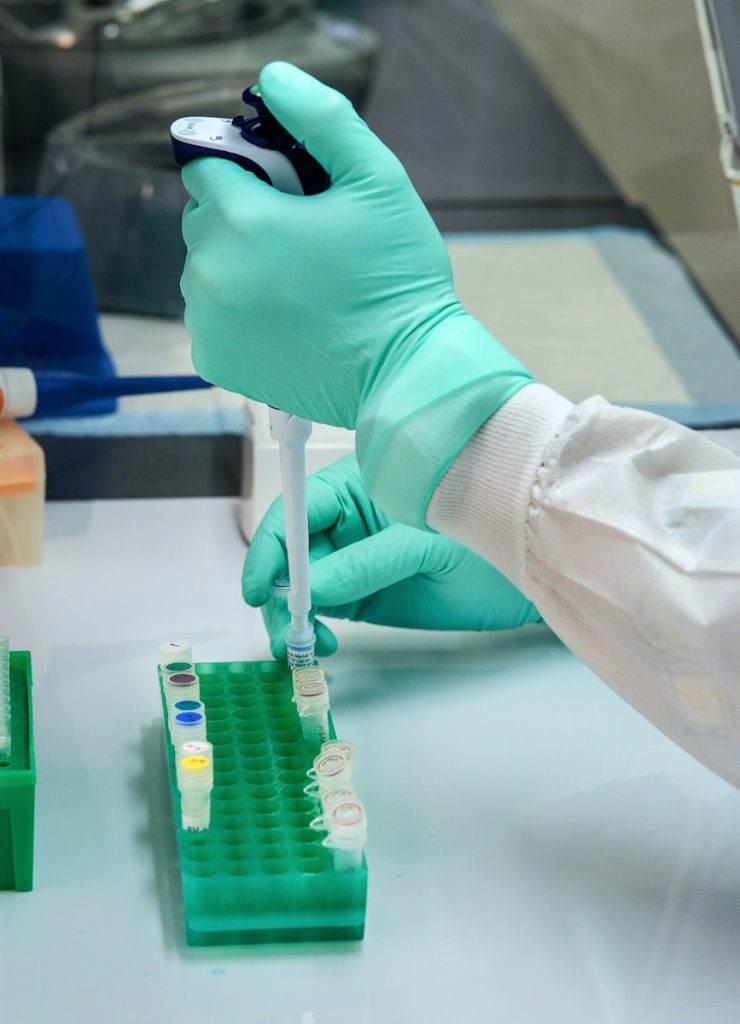
Doctors need to duplicate tiny DNA strands millions of times to run medical tests. Normal proteins fall apart when researchers heat them during this duplicating process. These tests require heat. According to a study in Science, researchers found a heat-resistant bacterium in the geysers of Yellowstone. This organism produces an enzyme that copies DNA at high temperatures without breaking. However, other extremophiles can help us survive lethal doses of radiation.
Defeating Deadly Radiation
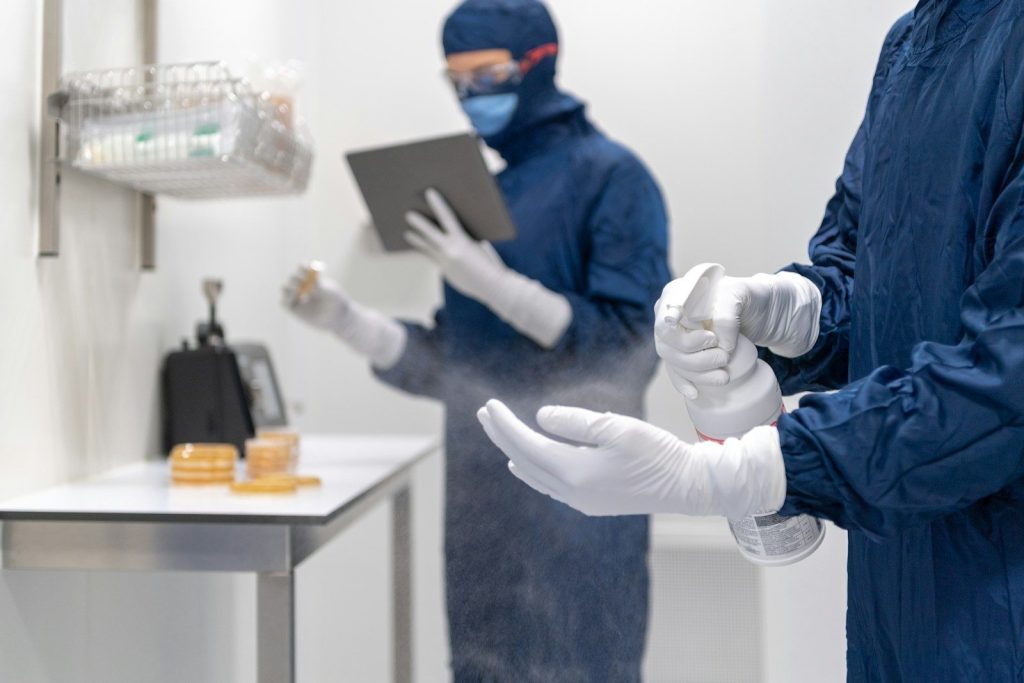
Radiation normally destroys human cells by shattering our DNA and creating toxic molecules. But a bacterium named Deinococcus radiodurans can survive blasts that would vaporize other life. It is nearly immortal. According to a report in PLOS Biology, this organism uses unique proteins to rebuild its shattered chromosome within hours. Researchers are using this genetic shield to develop therapies that protect cancer patients during radiation treatments. But these microbes can also clean up our dirtiest environments.
Eating Toxic Waste
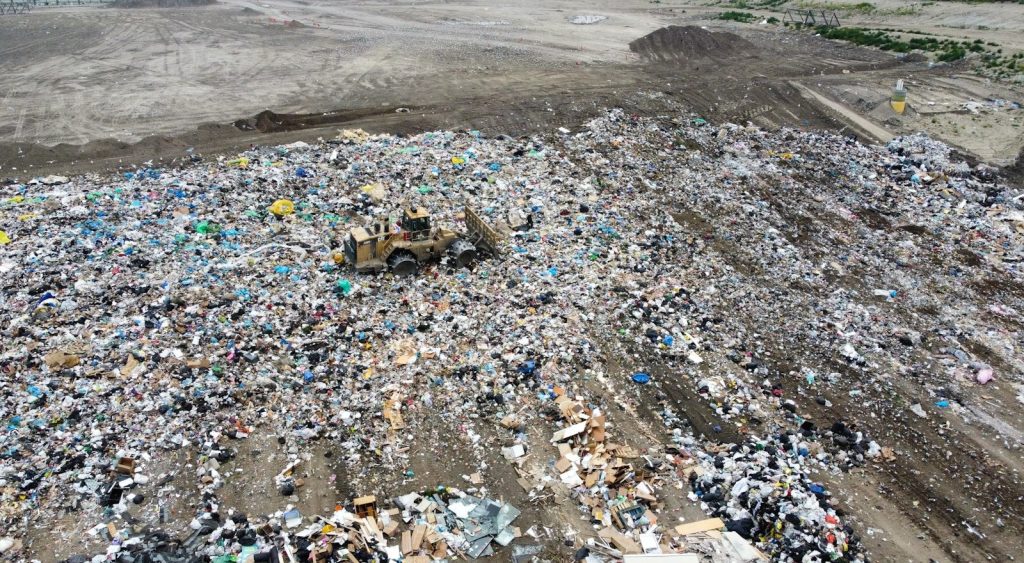
Industrial pollution frequently poisons soils and local water supplies with heavy metals and acids. Most organisms die instantly in these toxic zones. Extremophiles actually devour them. According to environmental scientists at the United States Geological Survey, certain bacteria thrive on toxic arsenic and uranium. Engineers are deploying these microbes to clean up polluted mining sites across the country. Yet, these tiny beings also help us design stronger vaccines.
Preserving Delicate Medicine
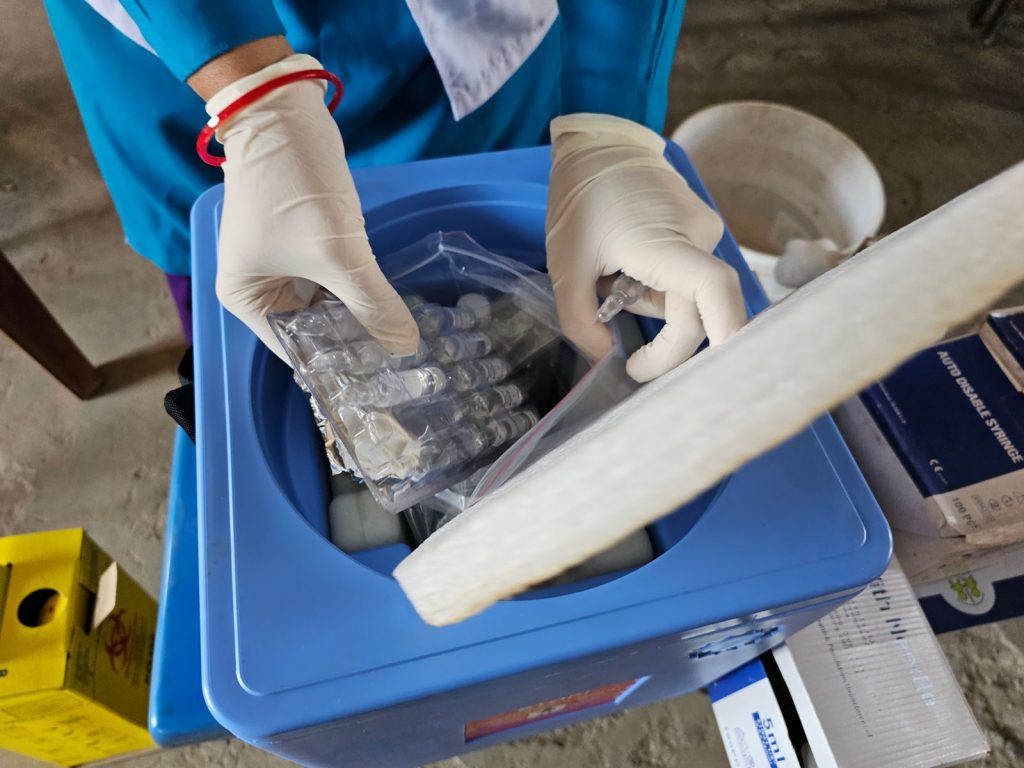
Vaccines and proteins degrade quickly if they do not remain on ice during transport. Keeping these medicines cold in remote regions is incredibly expensive. We need a solution. According to researchers at the University of Utah, certain desert microbes produce sugars that protect delicate structures during dry spells. Incorporating these sugars allows pharmaceutical companies to ship dry, unrefrigerated vaccines worldwide. But this biological treasure hunt continues in the deepest oceans.
Deep Sea Cures
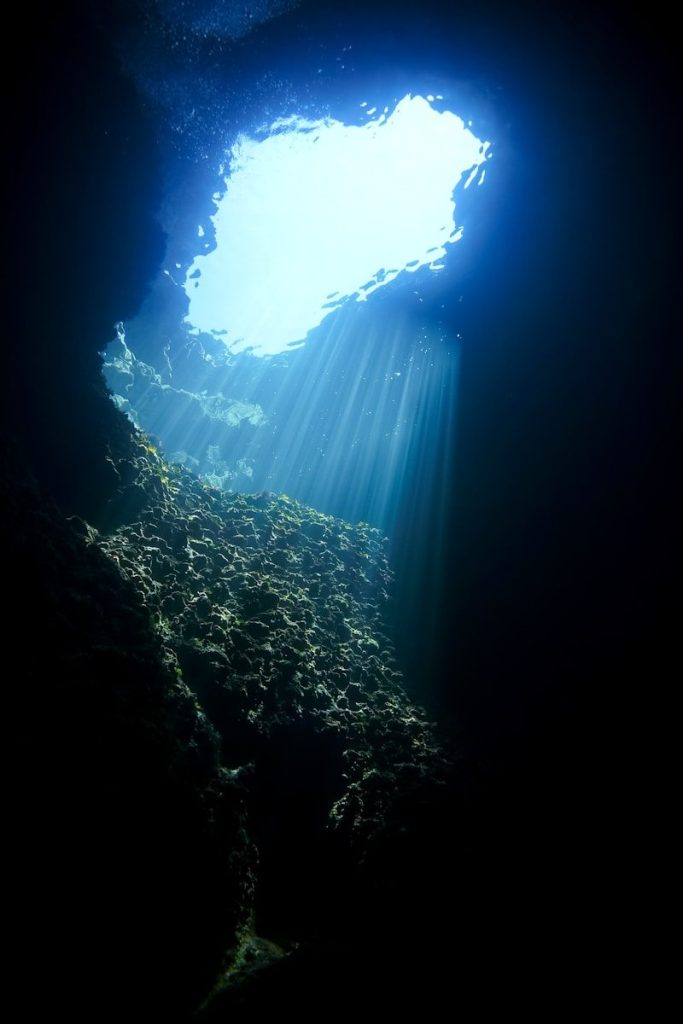
Hydrothermal vents at the bottom of the sea spew toxic chemicals and scalding water. Microbes living in these dark zones produce compounds that kill harmful viruses and bacteria. They are potent. According to a report in Marine Drugs, molecules from these vent organisms show great promise in fighting antibiotic-resistant superbugs. This marine catalog could provide our next line of defense against global pandemics. But we must act quickly to discover them.
Our Toughest Allies
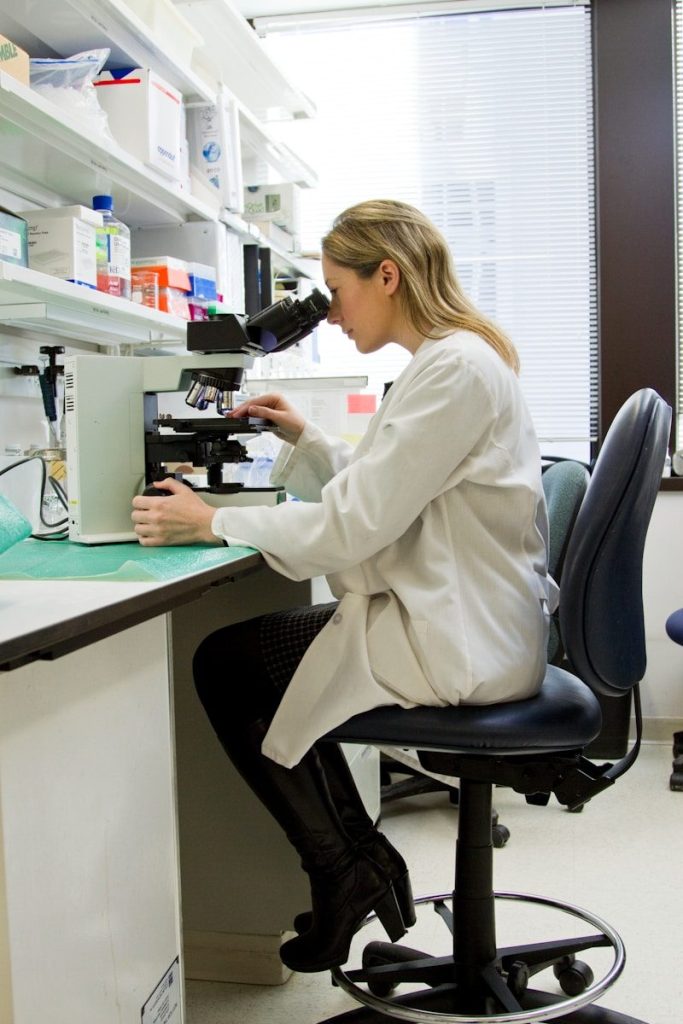
The most extreme beings on Earth show that life finds a way to survive anywhere. By studying their molecular secrets, we can build a healthier world for ourselves. They are our allies. According to biomedical researchers, these resilient creatures hold the keys to the future of human medicine. This article is for informational purposes only.
Leave a Reply