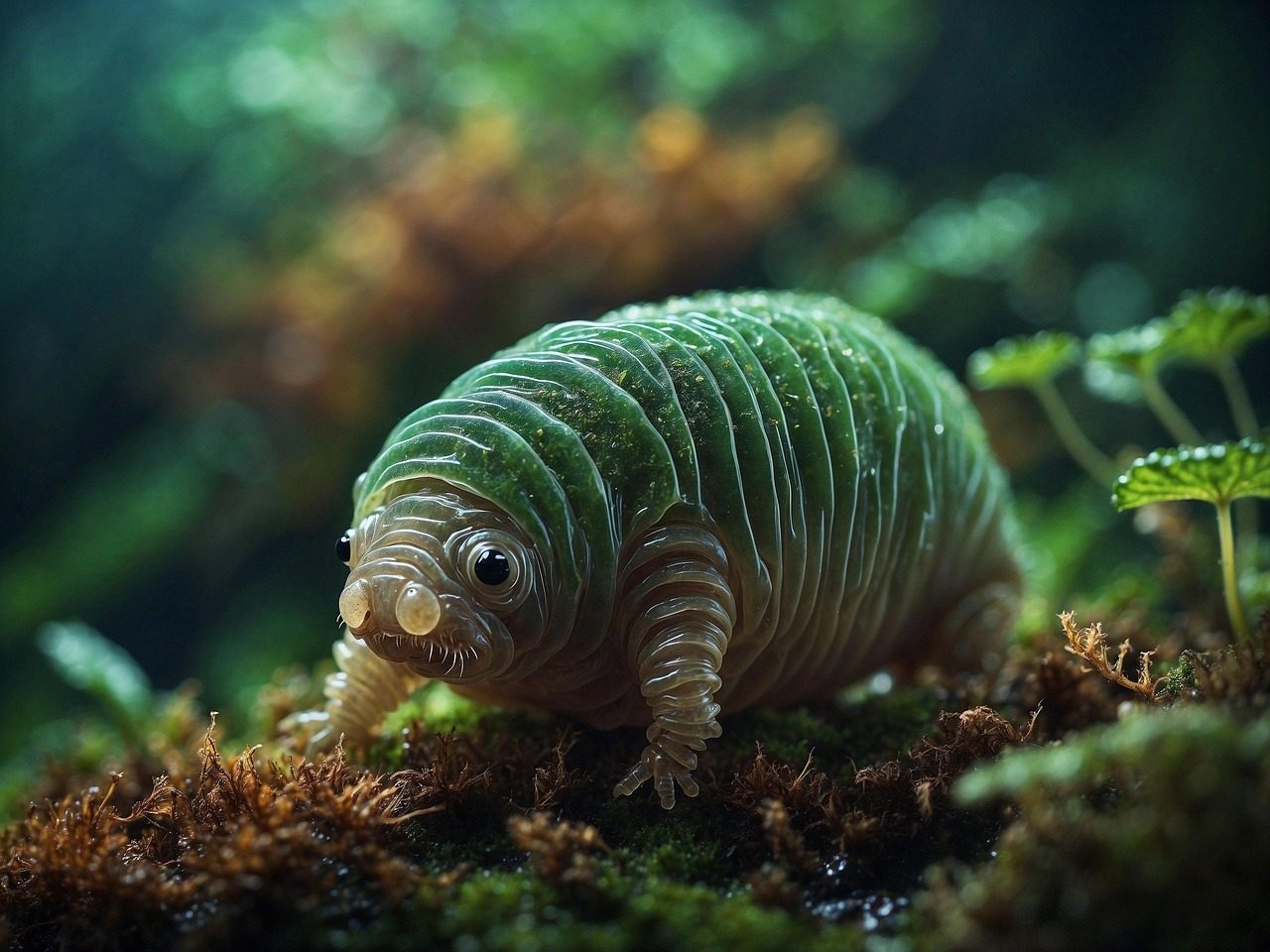
People usually think that all living creatures require moderate environments to survive. We believe that extreme heat or freezing cold instantly destroys any complex animal life.
But a microscopic creature called the tardigrade completely defies these biological rules. This bizarre animal survives the most brutal conditions in the known universe.
The Deep Freeze
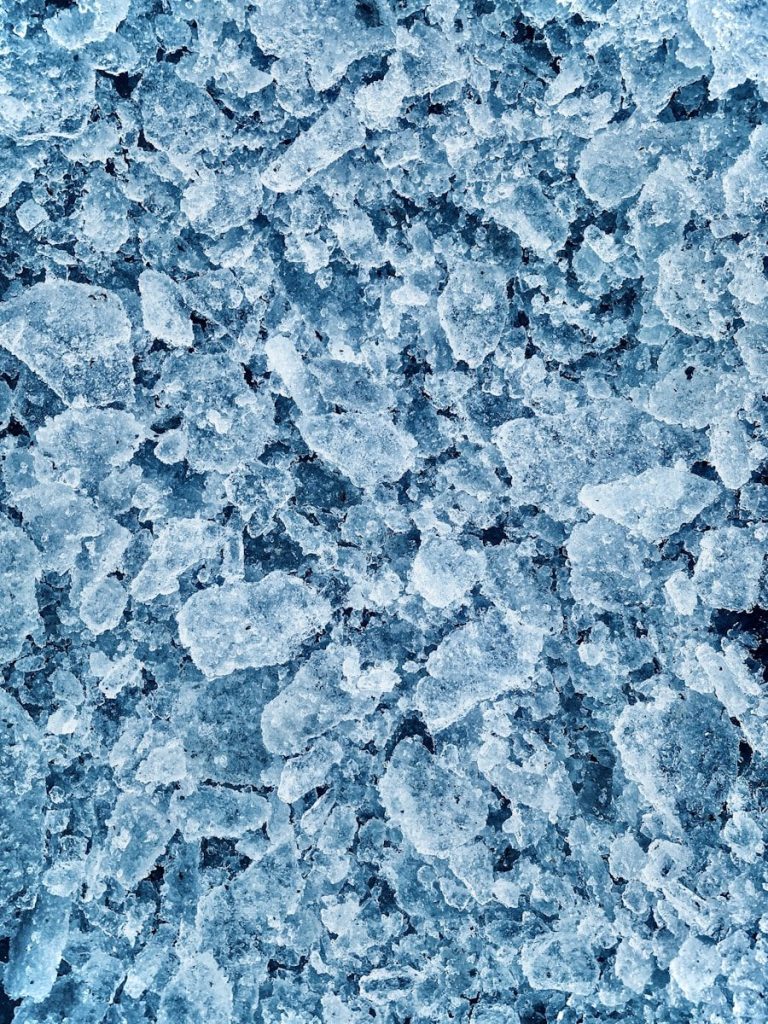
Biologists have tested the limits of these tiny organisms in several laboratory trials. They exposed the creatures to temperatures near absolute zero. They survived easily. According to a study in Nature, tardigrades can withstand temperatures as cold as minus 272 degrees Celsius. This extreme test proves that life can endure the coldest parts of the cosmos. But researchers wanted to push these organisms even further.
Searing Boiling Heat

Scientists next placed the animals in pressurized boiling water to see if they would break. Most organic tissue dissolves quickly under such intense heat. The creatures did not melt. According to reports from the Smithsonian Institution, these animals survived temperatures up to 150 degrees Celsius. This incredible durability means they can easily inhabit boiling volcanic hot springs. Yet, heat was only the second hurdle for these cosmic survivors.
Piercing Radioactive Beams

Cosmic radiation normally tears DNA apart and causes immediate cellular collapse in living beings. Researchers hit these microscopic creatures with thousands of times the lethal dose for humans. They walked away unharmed. According to a study in PLOS Biology, tardigrades use a unique protein to shield their genetic code from radiation. This discovery offers hope for protecting human cells during long space voyages. However, space travel brings even greater physical challenges.
The Empty Void
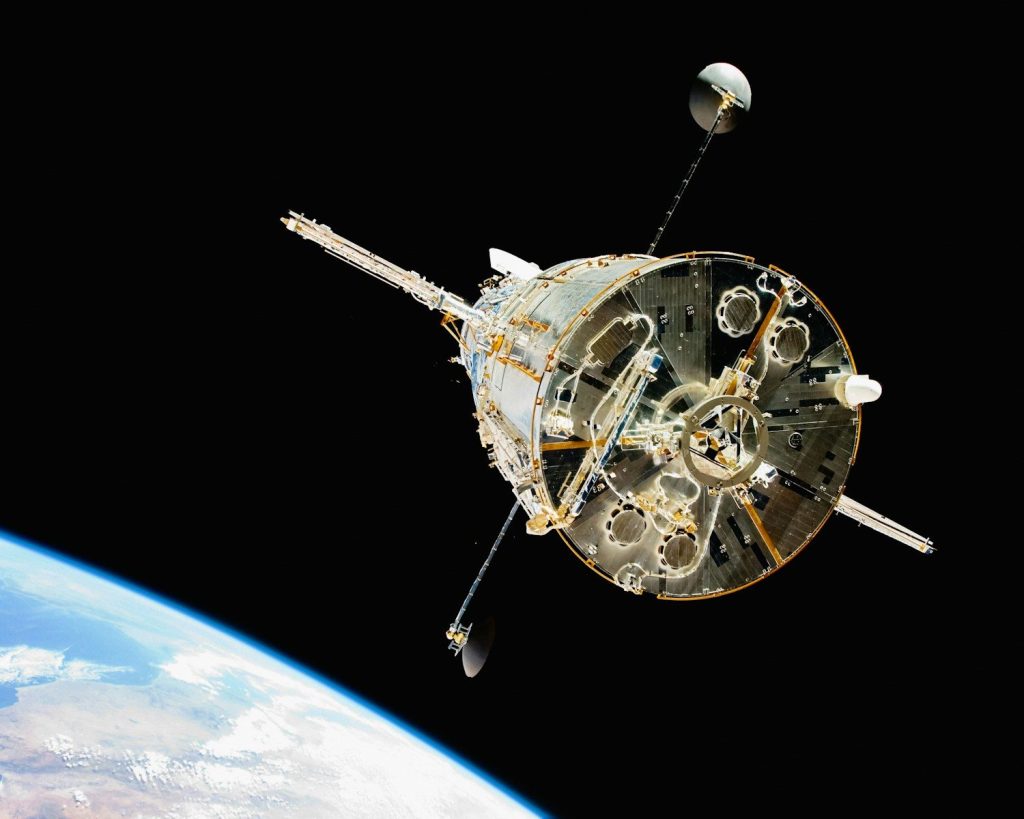
In 2007, researchers sent a group of these open-air animals into orbit on a satellite mission. They exposed the creatures directly to the freezing vacuum of space for ten days. They kept breathing. According to reports from the European Space Agency, these tiny travelers returned to Earth fully alive and healthy. This historical flight proved that complex life can survive without a protective atmosphere. But their survival method involves a very strange physical change.
The Glass Transition
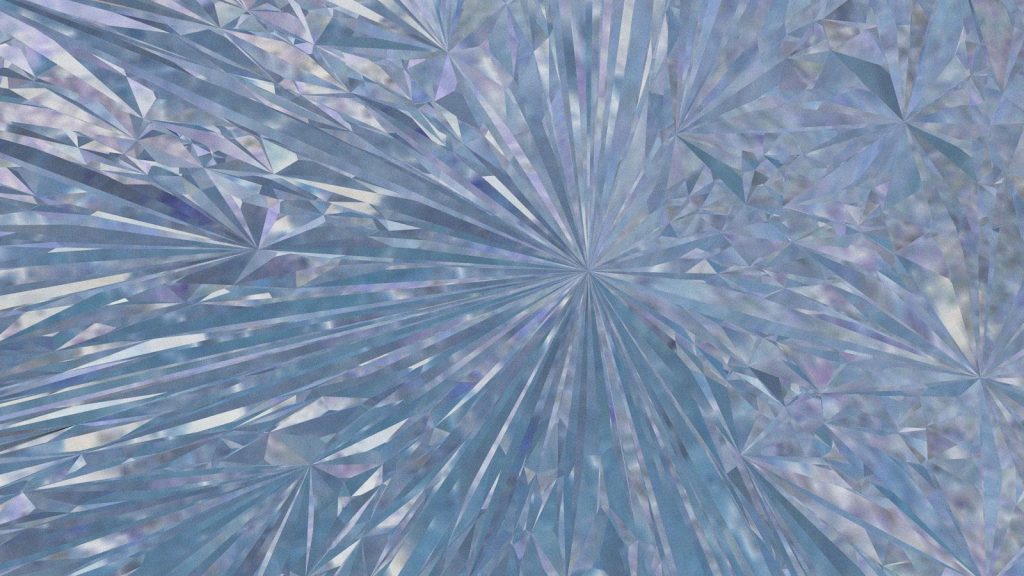
To survive these environments, tardigrades expel up to 99 percent of the water from their bodies. They dry out completely. They enter a state of suspended animation called cryptobiosis. According to researchers at the University of Chicago, they produce a special sugar that turns their interior cells into solid glass. This glass structure protects delicate proteins from breaking. But this state of sleep can last longer than anyone imagined.
Sleeping For Decades
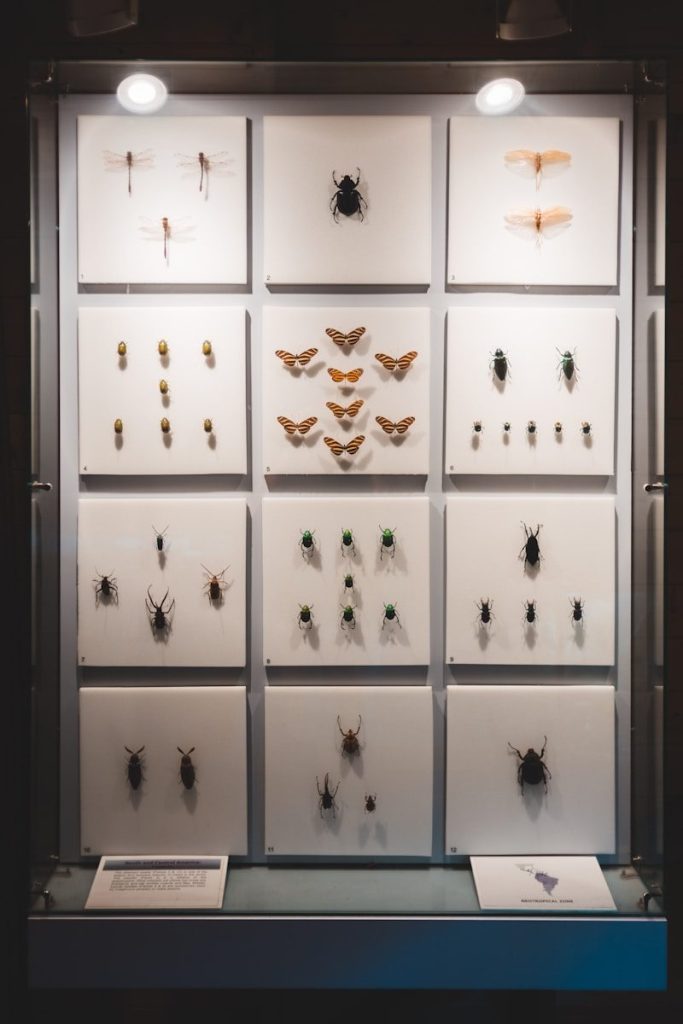
Tardigrades can remain in this desiccated glass state for several decades without food or oxygen. They wait for a single drop of liquid to wake them up. They are patient. According to a report in the Journal of Zoology, scientists successfully revived tardigrades after thirty years of deep storage. Once hydrated, they simply continued their normal lives. But their survival skills may hold a crucial key for our own species.
Protecting Human Organs
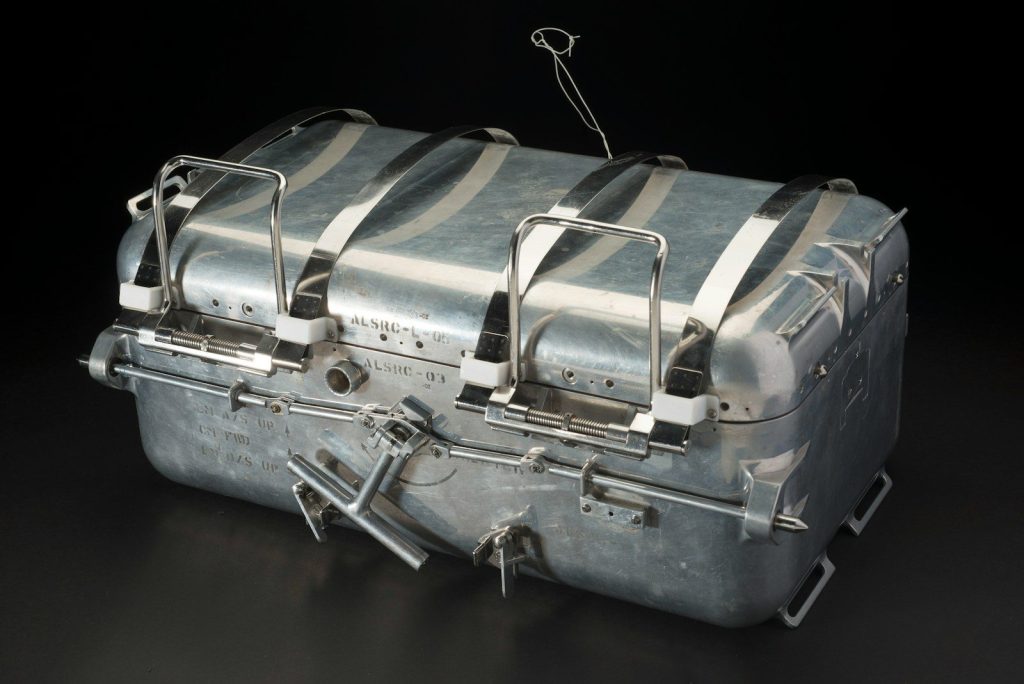
Medical researchers want to use these unique proteins to preserve human donor organs for transplantation. Currently, organs degrade within hours on ice. Time is running out. According to a study by scientists at the University of Wyoming, these microscopic proteins can slow down decay in human cells. This breakthrough could save thousands of patients on waitlists. But this incredible biochemistry also changes how we view life in the cosmos.
The Cosmic Hitchhikers
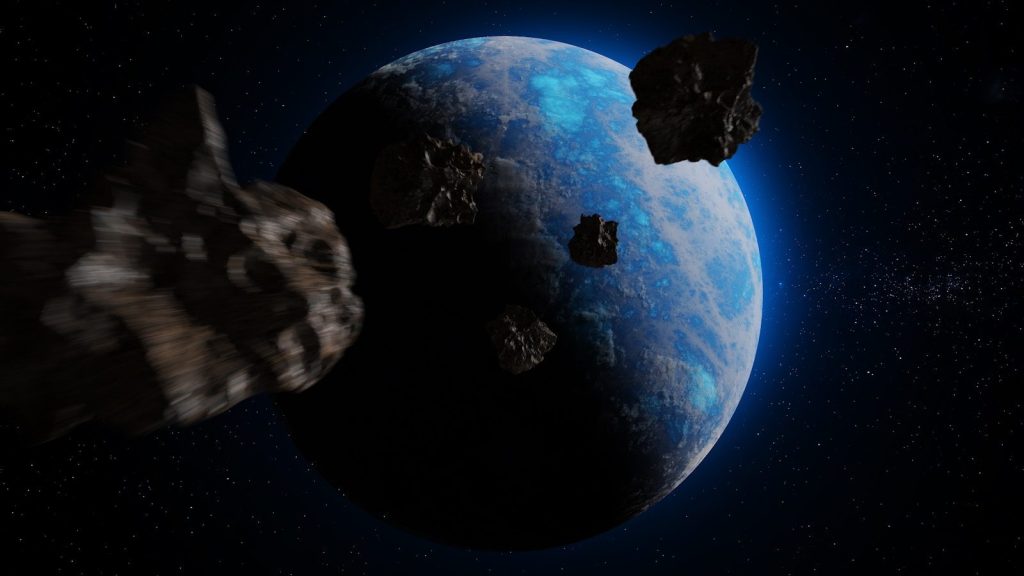
These tiny organisms suggest that life might travel between planets on meteorites. They prove that living systems can endure the harsh realities of deep space. They expand our horizons. According to astrobiologists, these creatures show that alien worlds might harbor highly resilient lifeforms. This article is for informational purposes only.
Featured Image: Photo by TheDigitalArtist on Pixabay
Leave a Reply