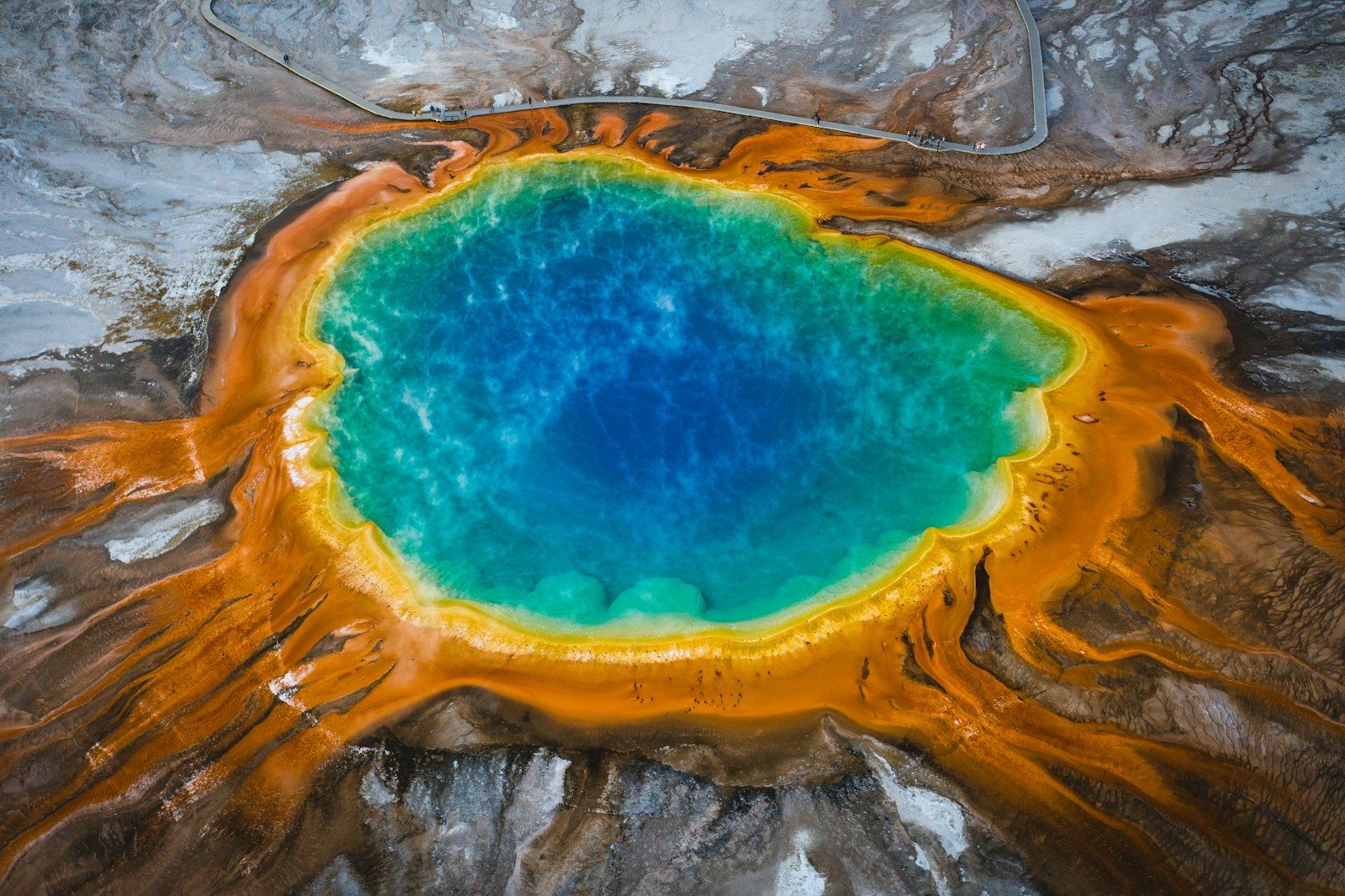
Tourists usually assume that Yellowstone is just a scenic national park filled with beautiful hot springs. We believe that this massive landscape is a peaceful and stable wilderness.
But geologists know that a sleeping giant rests just beneath the colorful geysers. The latest seismic data reveals that this colossus is behaving in unexpected ways.
The Magma Chamber
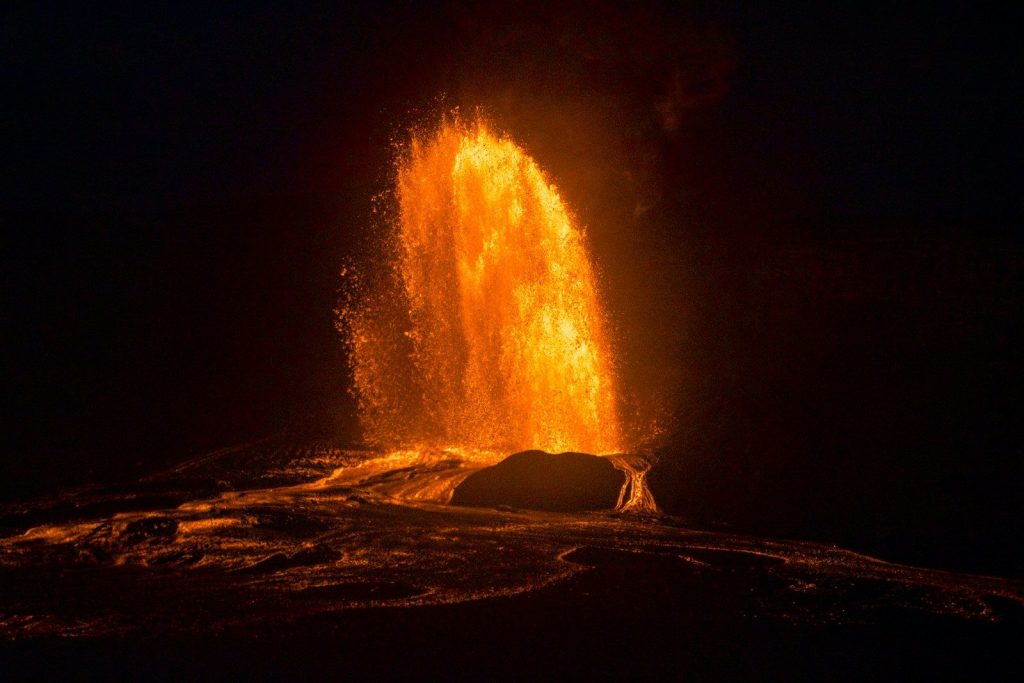
Deep under the park lies a colossal reservoir of molten rock that stretches for dozens of miles. This magma chamber acts as the beating heart of a massive supervolcano. According to the United States Geological Survey, the chamber holds enough liquid rock to fill the Grand Canyon several times. The heat is intense. But tracking this molten mass requires analyzing the surface above.
The Rising Ground
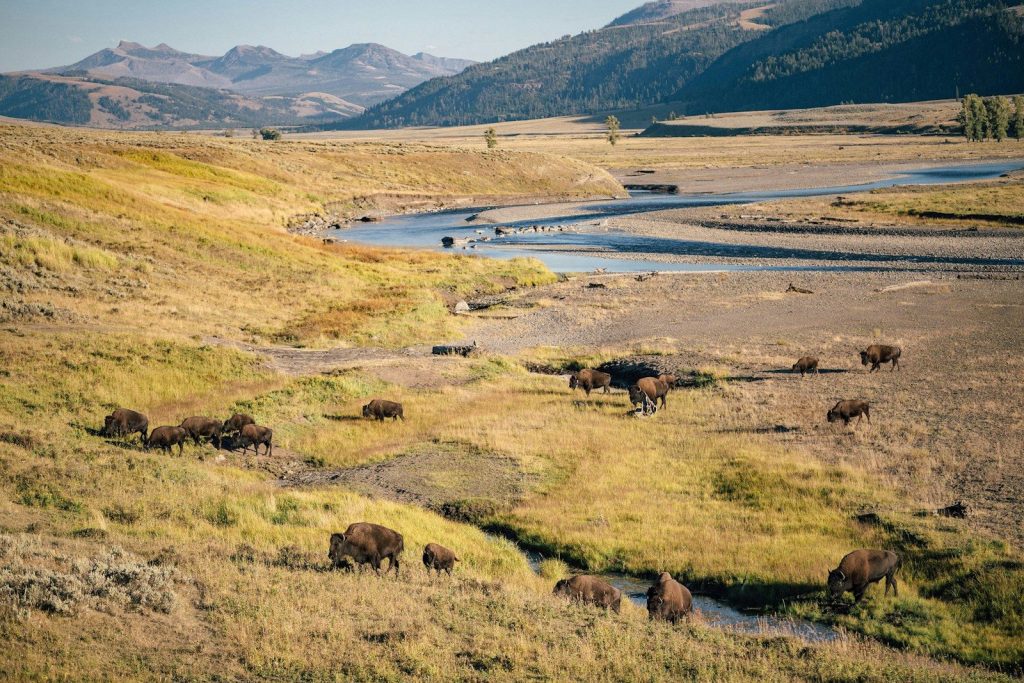
The surface of the park is actively breathing as magma moves deep beneath the crust. Over the past decade, entire valleys have bulged upward by several inches. According to reports from the Yellowstone Volcano Observatory, this rapid ground deformation is a natural part of the volcanic cycle. The ground is moving. Yet, this swelling ground has triggered a massive swarm of earthquakes.
Thousands Of Shakes
Seismologists track thousands of tiny earthquakes under the park every single year. These seismic swarms occur when pressurized volcanic gases and liquids force their way through rock fractures. According to geophysicists at the University of Utah, these tremors are usually harmless. They are constant. However, a sudden spike in activity could signal a much larger danger.
The Hydrothermal Threat
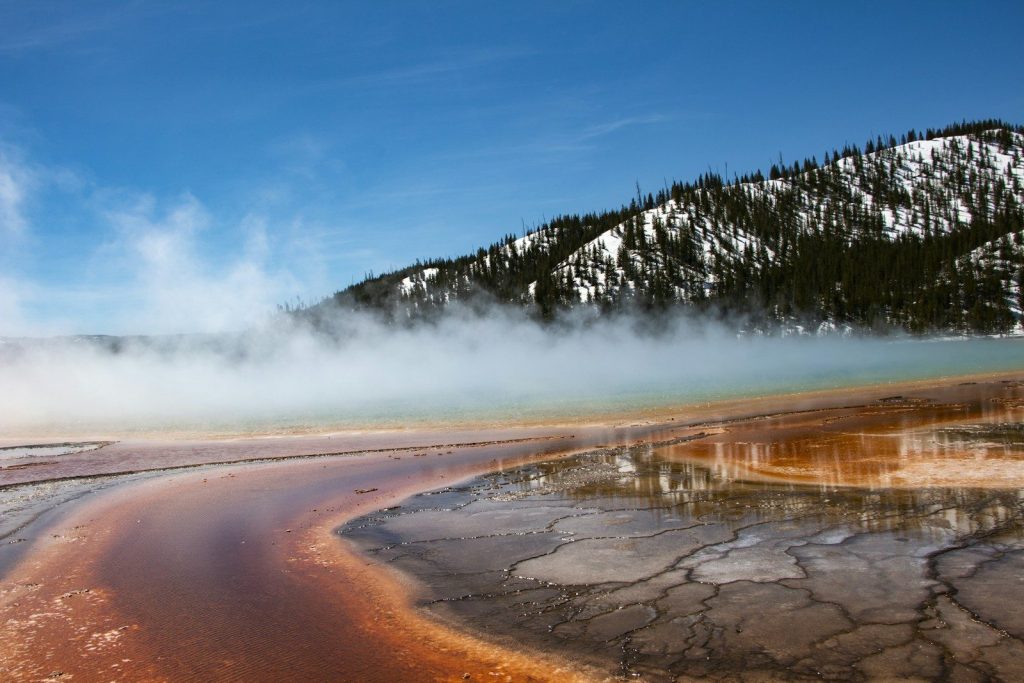
An eruption does not always require molten magma to breach the surface of the Earth. Superheated underground water can flash into steam instantly and cause massive, devastating explosions. According to historical geological studies, these hydrothermal blasts have left giant craters throughout the park. The water is boiling. This hidden threat is much more likely than a full volcanic eruption.
The Global Ash Cloud
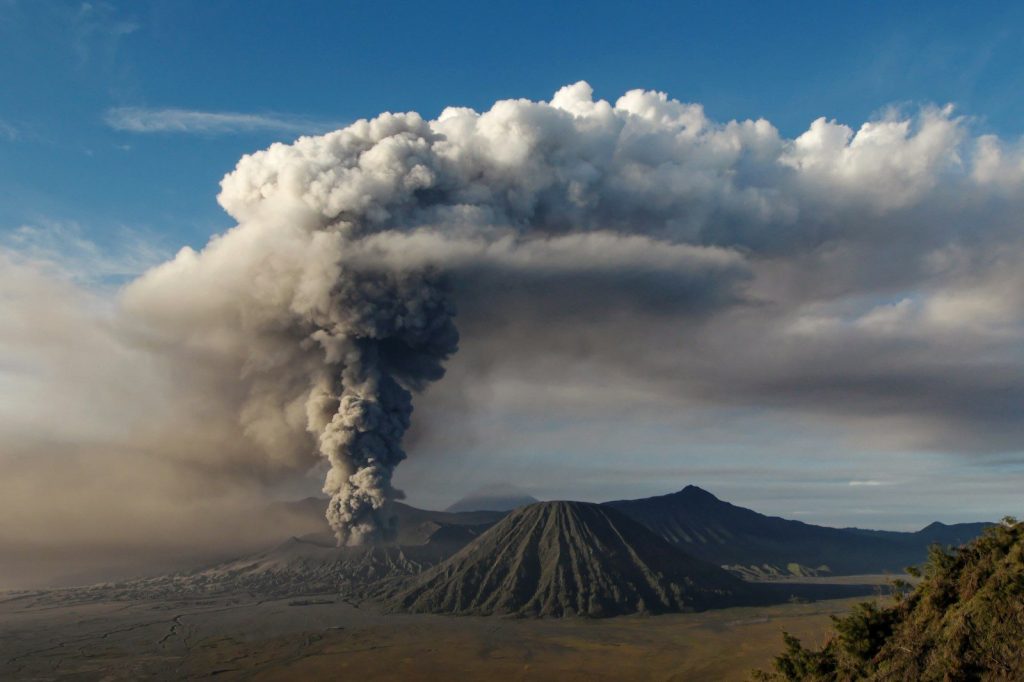
Should the supervolcano suffer a full magmatic eruption, the consequences would be catastrophic for global civilization. A massive column of burning ash and rock would shoot miles into the atmosphere. According to computer simulations, thick volcanic ash would blanket the entire United States. It would be pitch black. This suffocating cloud would completely destroy global agriculture for several years.
A Volcanic Winter
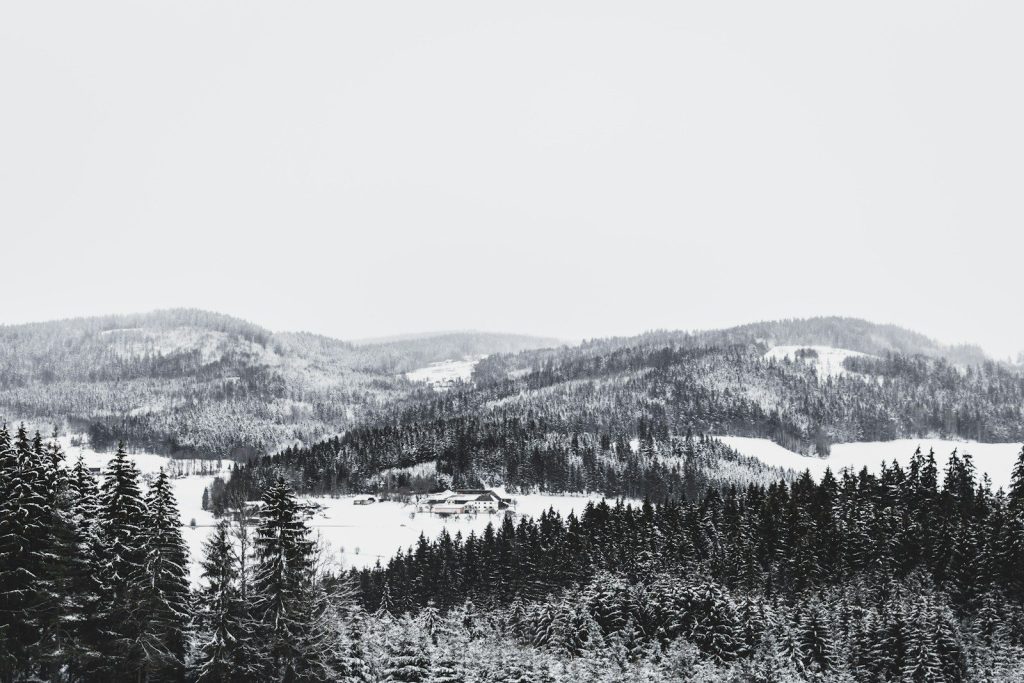
The massive sulfur gas released by the eruption would block out sunlight globally and drop temperatures drastically. This sudden cooling event is known as a volcanic winter. According to climatologists, global temperatures could plummet by up to ten degrees Celsius. The cold would bite. This sudden climate shift would trigger widespread food shortages across the globe.
Constant Scientific Eyes
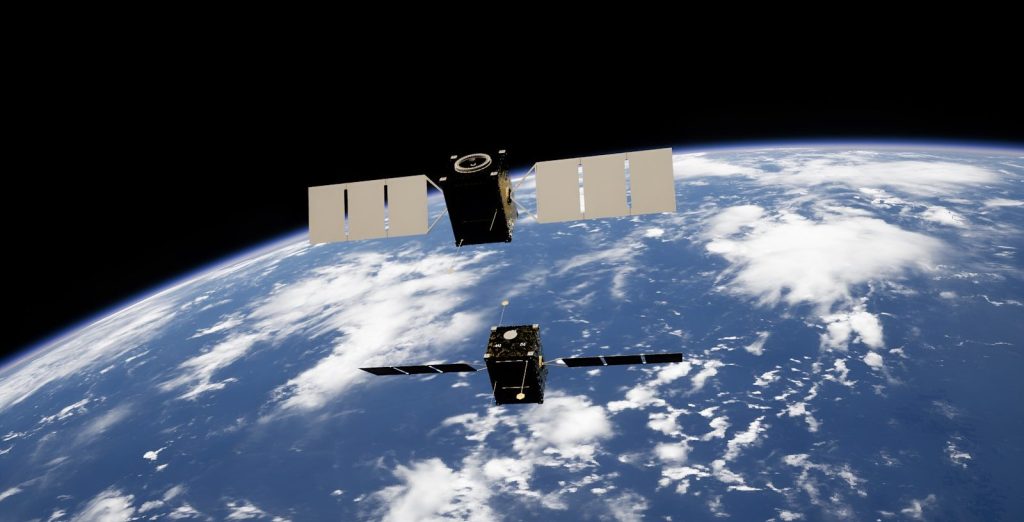
To prevent a surprise disaster, scientists monitor the park with a dense network of satellite sensors and seismometers. They track every minor temperature change and chemical gas leak in real time. According to space agency reports, these advanced sensors can spot early warning signs months before an eruption. We are watching. This continuous monitoring ensures that humanity will have time to prepare.
Under The Surface
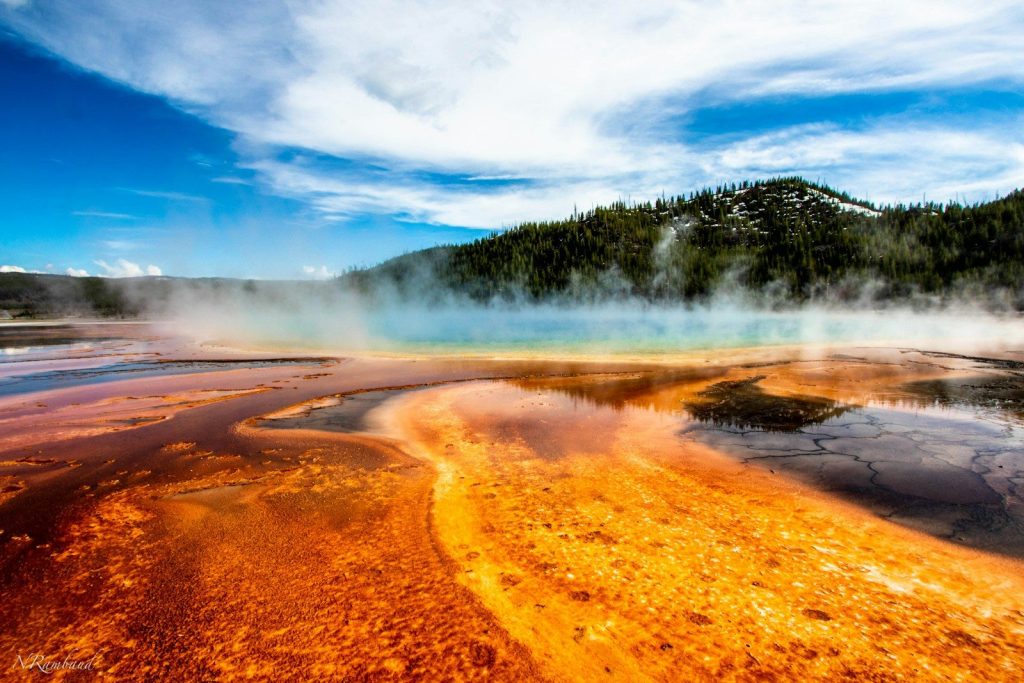
Yellowstone remains one of the most monitored natural wonders on Earth, proving that we must respect the raw power of our planet. This geological giant is a constant reminder of our fragile existence. According to volcanic experts, the volcano will likely remain stable for thousands of years. This article is for informational purposes only.
Featured Image: Photo by Denys Nevozhai on Unsplash
Leave a Reply