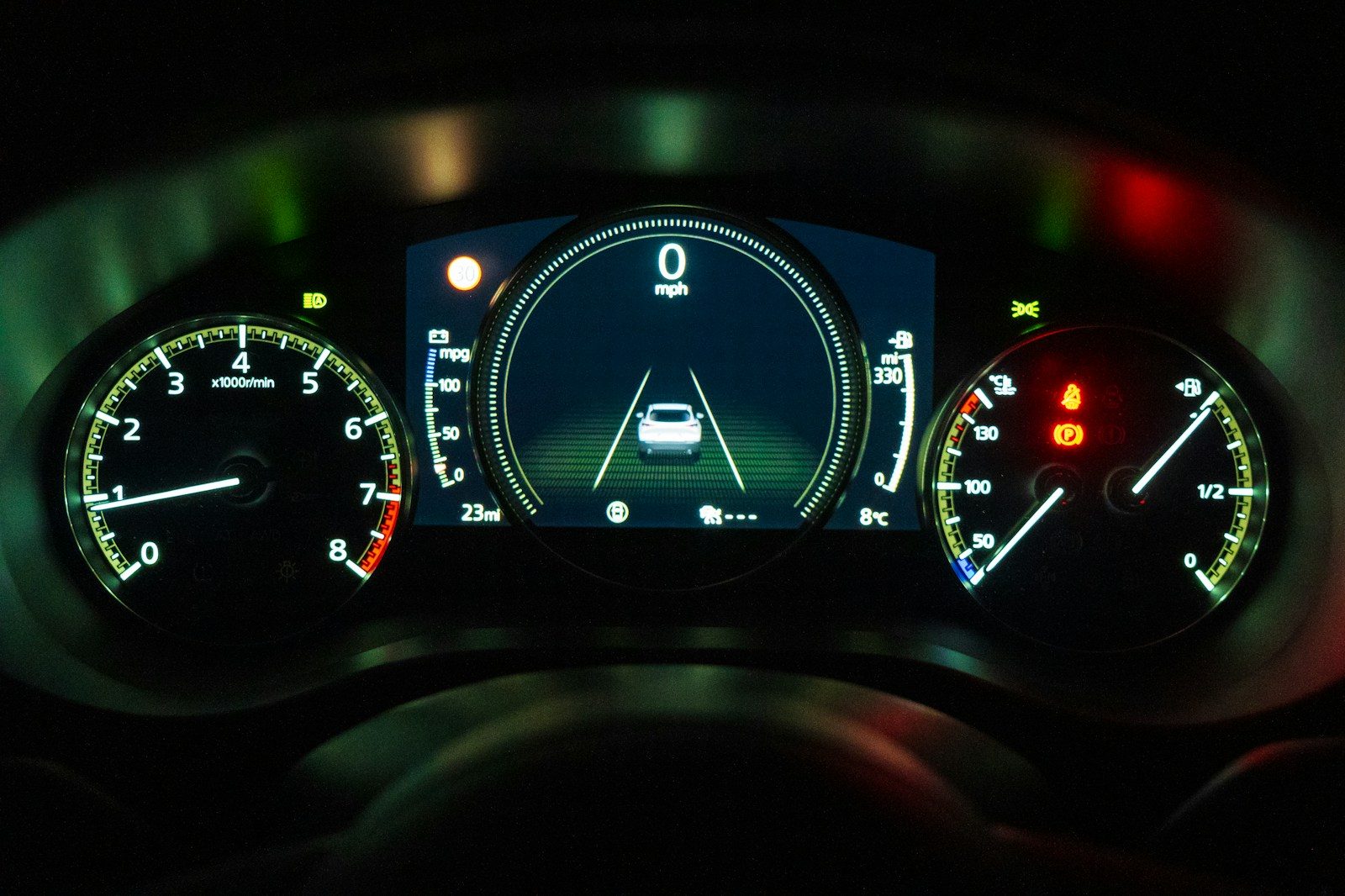
We assume that self-driving cars rely on complex laser sensors to scan the road. Most people believe that artificial intelligence requires expensive radar systems to avoid collisions.
But a major engineering breakthrough is proving that simple optical cameras are far superior. Developers are using advanced neural networks to mimic how the human brain processes raw visual data.
Ditching Laser Sensors
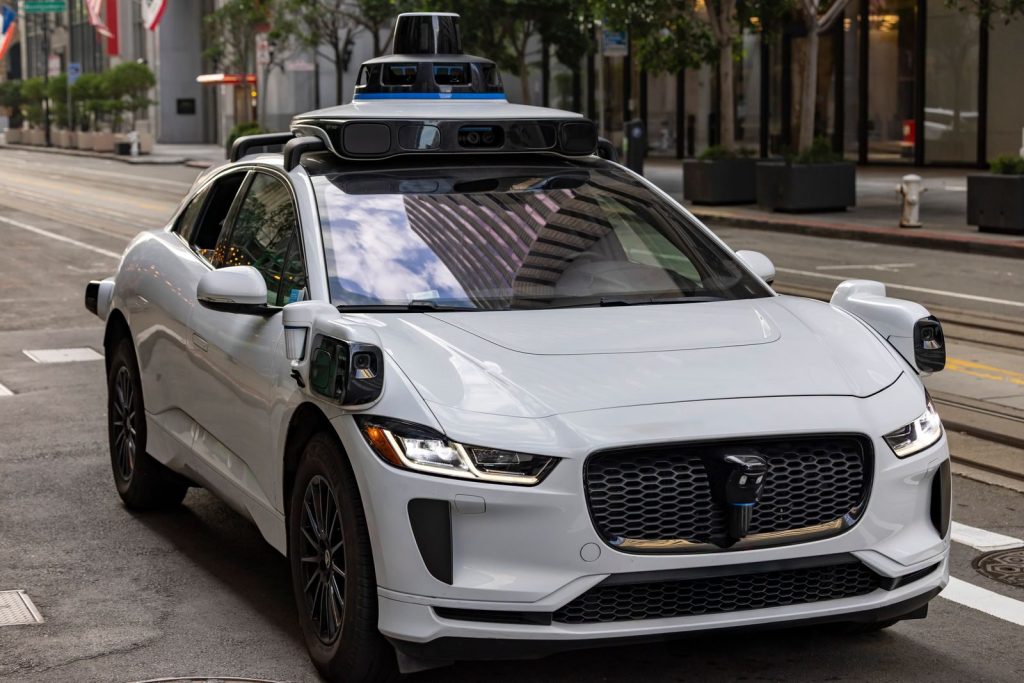
Most autonomous vehicle companies mount bulky lidar laser sensors on their car roofs. These devices send out thousands of laser pulses to map the surrounding environment. According to automotive engineering reviews, this hardware adds massive cost and complexity to the vehicle. Lasers are expensive. But some programmers are taking a completely different path to solve the autonomy puzzle.
The Camera-Only Choice

Instead of laser sensors, some designers rely solely on high-resolution cameras placed around the vehicle. These lenses capture a complete three hundred and sixty-degree view of the road. According to tech analysts, this camera-only setup mimics how human drivers operate with only their eyes. Vision is natural. However, translating these raw pixel feeds into safe driving decisions requires incredible computational power.
The Digital Brain
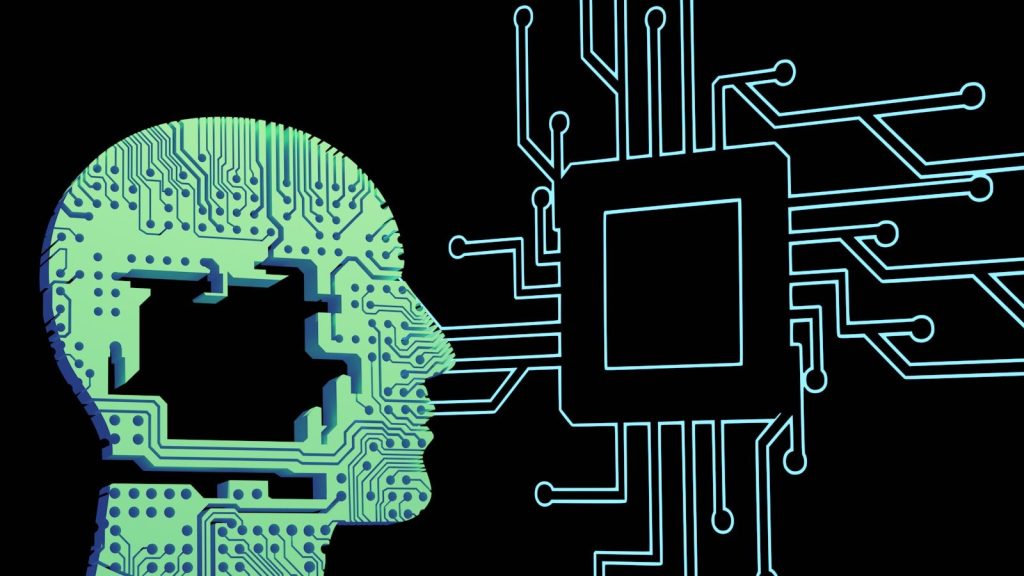
To process the visual data, smart cars use an advanced artificial intelligence called a neural network. This software mimics the interconnected biological neurons inside a human brain. According to computer science journals, the system can identify pedestrians, lane lines, and traffic lights instantly. Code learns fast. But the program requires a massive training library to understand real-world driving situations.
Learning From Millions

The neural network studies millions of hours of driving footage captured by customer vehicles. This constant feed of real-world data teaches the computer how to handle construction zones and sudden weather shifts. According to machine learning experts, this training process refines the driving software with every passing mile. Practice makes perfect. Yet, this digital learning system still struggles with highly unusual road anomalies.
Edge Case Danger

A plastic bag blowing across a highway can confuse a simple visual algorithm. The computer might register the harmless object as a solid wall and slam on the brakes. According to safety test reports, these rare edge cases present the greatest challenge for autonomous software. Safety is vital. Programmers are now upgrading the neural processors to think more like human drivers.
The Supercomputer Powerhouse

Building these massive visual networks requires some of the largest supercomputers on Earth. These machines crunch petabytes of video data every day to sharpen the driving software. According to chip manufacturing reports, custom silicon processors run these complex digital simulations at lightning speed. Technology is moving. This massive infrastructure investment is pushing the boundaries of global computing power.
The Autonomous Horizon

Advanced neural networks are proving that smart cameras can navigate the world as safely as human eyes. By mimicking biology, computer scientists are unlocking the true future of transportation. According to transportation safety studies, self-driving cars will eventually prevent millions of road accidents worldwide. This article is for informational purposes only.
Featured Image: Photo by Nick Fewings on Unsplash
Leave a Reply